


How Weather & Climate Affect Colors in Fashion
Step outside on a clear summer day wearing a coral blouse — it feels bright, alive, and full of energy. But on a cloudy afternoon, the same blouse might seem muted. That’s not your imagination; it’s how weather and climate affect colors in fashion.
The play between sunlight, temperature, and atmosphere changes how we see and feel color. In this blog, we’ll explore the science behind this phenomenon — and how you can make smarter style choices that adapt beautifully to your climate.
How Weather Influences Colors in Fashion
Color isn’t just pigment — it’s perception. Our eyes and brain interpret colors differently depending on light, temperature, and environmental cues. Here are the main factors influencing colors in fashion across different climates and weather conditions.
1. Light Intensity and Direction
Bright sunlight amplifies contrast and saturation, making colors in fashion look vivid. Under overcast or rainy skies, diffuse light softens hues, creating a more subdued appearance.
That’s why tropical fashion tends to embrace vibrant shades, while Nordic fashion leans toward muted tones — each aligns with its dominant light environment.
2. Temperature and Color Associations
Warm colors in fashion like orange, red, and ochre visually “heat” up a look, while cool colors like mint, teal, and lavender bring visual calmness.
This phenomenon, often called the hue-heat relationship, explains why lighter and cooler tones dominate warm climates, while rich, warm hues define winter wardrobes.
3. Seasonal Shifts and Atmospheric Conditions
Seasonal variation plays a vital role in color perception in fashion:
- Summer Light: High-contrast daylight brings out freshness in whites, corals, and pastels.
- Monsoon Light: Diffused and cool — deeper neutrals and earthy tones shine better.
- Winter Light: Subtle, low sunlight enhances jewel tones and layered, textured fabrics.
Each season shapes the “mood” of color, affecting how designers and consumers approach their wardrobes.
4. Cultural and Contextual Factors
Color meaning also shifts culturally. A shade that feels warm and festive in India might read differently in Northern Europe. This cultural-color connection intertwines with climatic perception, explaining why “regional palettes” exist even in global fashion.
Did you know? According to a Straits report, over 85% of shoppers say color is the primary reason they buy a particular product. In the Indian context, this becomes even more relevant considering the vast diversity of cultures, climates, and skin tones.
Practical Guide: Dressing by Climate Colours in Fashion
Let’s translate this color science into wardrobe strategy.
A. For Bright, Sunny Climates
- Choose bold and high-saturation tones like cobalt blue, coral, or white.
- Avoid overly dark or muted colors that absorb heat and appear dull.
- Lightweight cotton or linen enhances color clarity under bright light.
B. For Overcast or Monsoon Weather
- Pick mid to deep hues — olive, mustard, rust, or charcoal.
- Add small pops of color (like accessories) to avoid flatness in low light.
- Slight sheen fabrics (like silk blends) can bring back depth.
C. For Cold or Wintery Climates
- Rich neutrals and jewel tones like burgundy, emerald, or navy create warmth.
- Use textured fabrics — wool, tweed, corduroy — to add depth and richness.
- Metallic accents like gold or bronze accessories enhance color under dim light.
D. For Hot or Tropical Climates
- Opt for lighter, reflective shades such as sky blue, mint, peach, or ivory.
- Stick to breathable materials and pastels for both comfort and visual freshness.
- Light colors not only look better but also feel cooler in direct heat.
Why Your Outfit Looks Different in Different Weather

Ever noticed your pastel dress looks dull indoors or your black shirt feel too intense in daylight? That’s because color perception changes with lighting, surroundings, and even texture.
- Lighting Mismatch: A shade vibrant in daylight may flatten under artificial warm light.
- Climate Contrast: Bright tones can feel overwhelming in hot weather; darker ones too heavy in heat.
- Fabric Impact: Matte fabrics absorb light, while glossy finishes reflect — shifting how colors read in different environments.
The key is aligning your color palette with both your lighting and weather environment.
Color Strategy: Building a Climate-Responsive Wardrobe
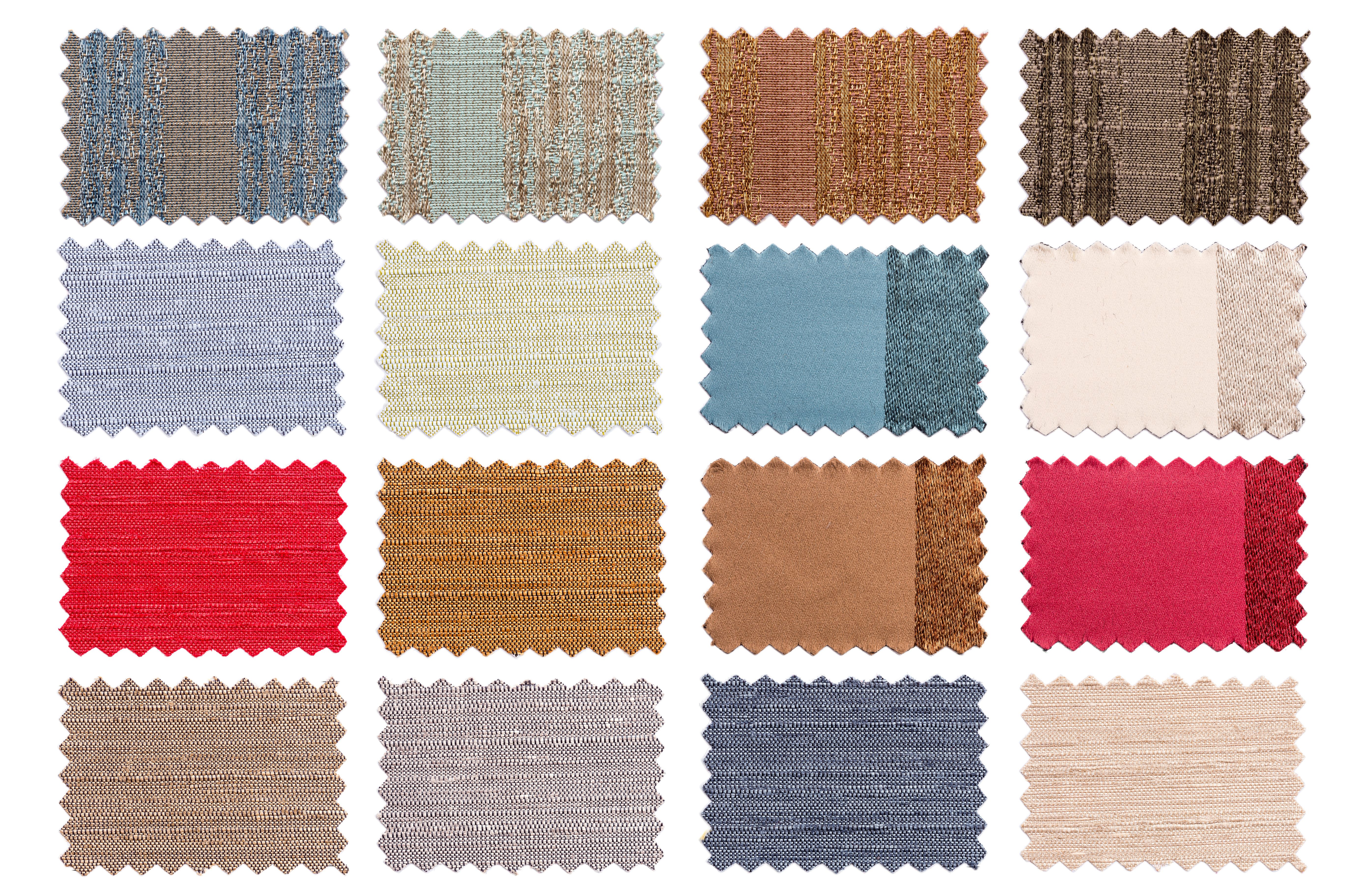
To make the most of colors in fashion, try this approach:
- Observe Your Local Climate: Is it tropical, temperate, or cloudy most of the year?
- Choose Tonal Families Accordingly:
- Bright regions → crisp whites, saturated hues.
- Cloudy climates → mid-tones, earthy palettes.
- Cold weather → deep, layered tones.
- Test in Different Lights: Compare your outfit in daylight vs. indoor light before deciding.
- Adjust Through Texture: Use matte, gloss, or shimmer strategically for visual balance.
- Layer for Versatility: A scarf or jacket in a complementary tone can instantly balance perception.
Did you know? Dark blue reached a 33.2% presence on the runway, bringing a sense of mystery and escapism.
Guide for Seasonal Colors in Fashion
Climate Type | Best Color Families | Tips for Styling |
Sunny / Bright | White, coral, cobalt, lemon | High contrast fabrics, minimal layering |
Overcast / Monsoon | Olive, rust, tan, navy | Add accents for brightness |
Cold / Winter | Emerald, burgundy, plum | Use textured layers |
Hot / Tropical | Mint, peach, aqua | Light fabrics, soft tones |
Mood, Weather, and the Psychology of Colors in Fashion
Colors don’t just change visually — they change emotionally. Studies link weather patterns to mood and energy levels, which in turn affect our clothing color preferences.
- Sunny days boost dopamine — leading to brighter clothing choices.
- Rainy days reduce light intensity — people subconsciously pick comforting, deeper hues.
- Cold weather encourages warmth in both tones and textures.
This synergy between emotion, environment, and fashion defines the evolving narrative of colors in fashion.
How Technology is Transforming Color Decisions
Fashion technology now helps consumers make weather-smart color choices. AI-driven apps like Glance AI analyze your environment — factoring lighting, climate, and mood — to recommend outfits that “read” correctly in real time.
This means your look won’t just be trendy; it will harmonize with the light, the weather, and even your energy that day.
Conclusion
Understanding how weather and climate affect colors in fashion gives you an edge — you don’t just dress for trends, you dress for perception.
Next time you pick an outfit, ask yourself:
- How will today’s light treat this color?
- Does the fabric reflect or absorb too much?
- Is this tone suited to my climate and mood?
Fashion becomes more intentional when you align it with your environment. Because in the end, great style isn’t just about what you wear — it’s about how it feels in the world you live in.
FAQs Related to Different Colors in Fashion
1. How do colors in fashion change with seasons?
Colors in fashion shift with natural light and mood changes each season. Spring favors pastels and florals, summer embraces bright tones, autumn highlights earthy hues, and winter brings jewel shades like emerald, plum, and deep navy for warmth.
2. Why do some colors look different in various climates?
Light intensity and weather alter color perception. Bright sunlight enhances saturation, while cloudy or cold climates mute hues. That’s why a coral dress feels lively in summer but appears softer under overcast winter skies.
3. What colors are best for tropical or warm climates?
For warm or tropical climates, light-reflective shades like white, mint, aqua, or peach are ideal. These colors reduce heat absorption, enhance freshness, and maintain visual comfort under strong sunlight — balancing style with practicality.
4. Which colors suit cold or wintery regions best?
In colder climates, deep, rich tones like burgundy, forest green, navy, and charcoal add warmth and visual depth. Pairing these with textured fabrics like wool or velvet enhances both color richness and seasonal comfort.
5. How can I choose colors that complement different weather conditions?
Start by observing your climate’s lighting. For bright days, opt for crisp, saturated tones. For cloudy or cold weather, shift toward deeper or warmer hues. Matching your outfit’s color palette to your environment enhances harmony and confidence.
Download the Glance app now





Your intelligent
shopping agent.







Your intelligent
shopping agent.