

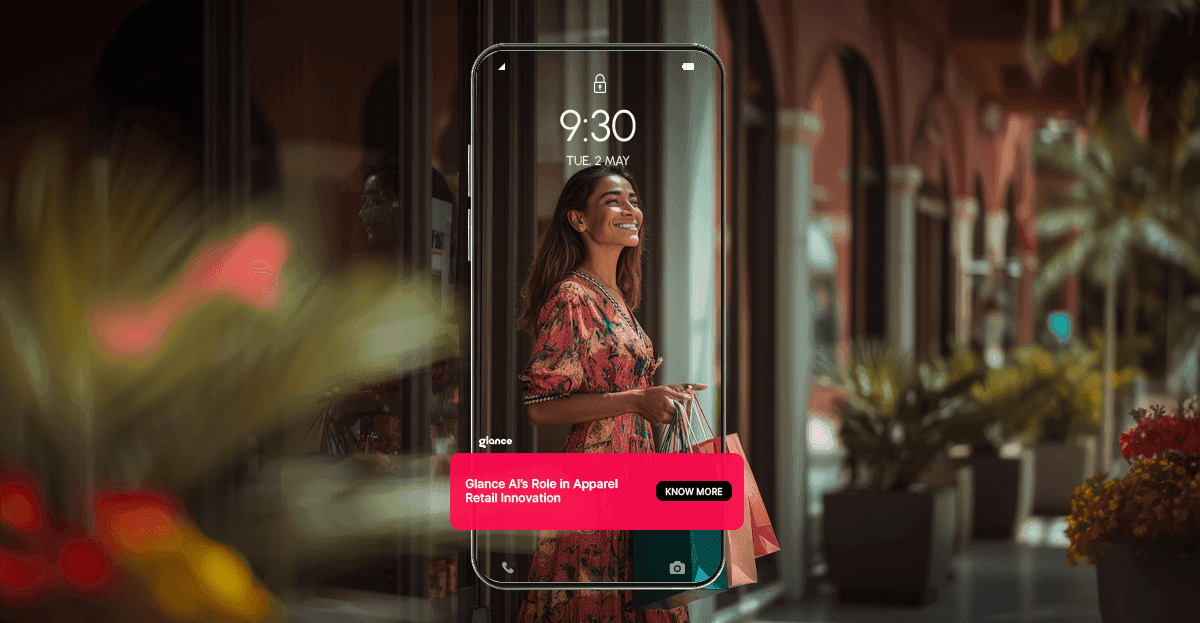
What is the Role of Glance in Apparel Retail Innovation?
TL;DR
Apparel retail is evolving from traditional selling to AI-driven, personalized experiences. This blog explores how the industry is shifting toward smarter, more intuitive shopping—and how platforms like Glance act as intelligent shopping agents, transforming best online clothes shopping into a seamless, context-aware journey.
Apparel retail is one of the largest consumer-facing industries in the world, valued at over $1.7 trillion globally in 2024. But the sector is undergoing a fundamental shift. Rising sustainability concerns, post-pandemic consumer shifts, and the adoption of AI-powered shopping experiences have reshaped what apparel retail looks like today.
No longer confined to physical stores or static ecommerce platforms, apparel retail is moving toward personalized fashion journeys and more intuitive best online clothes shopping experiences.
What is Apparel Retail?
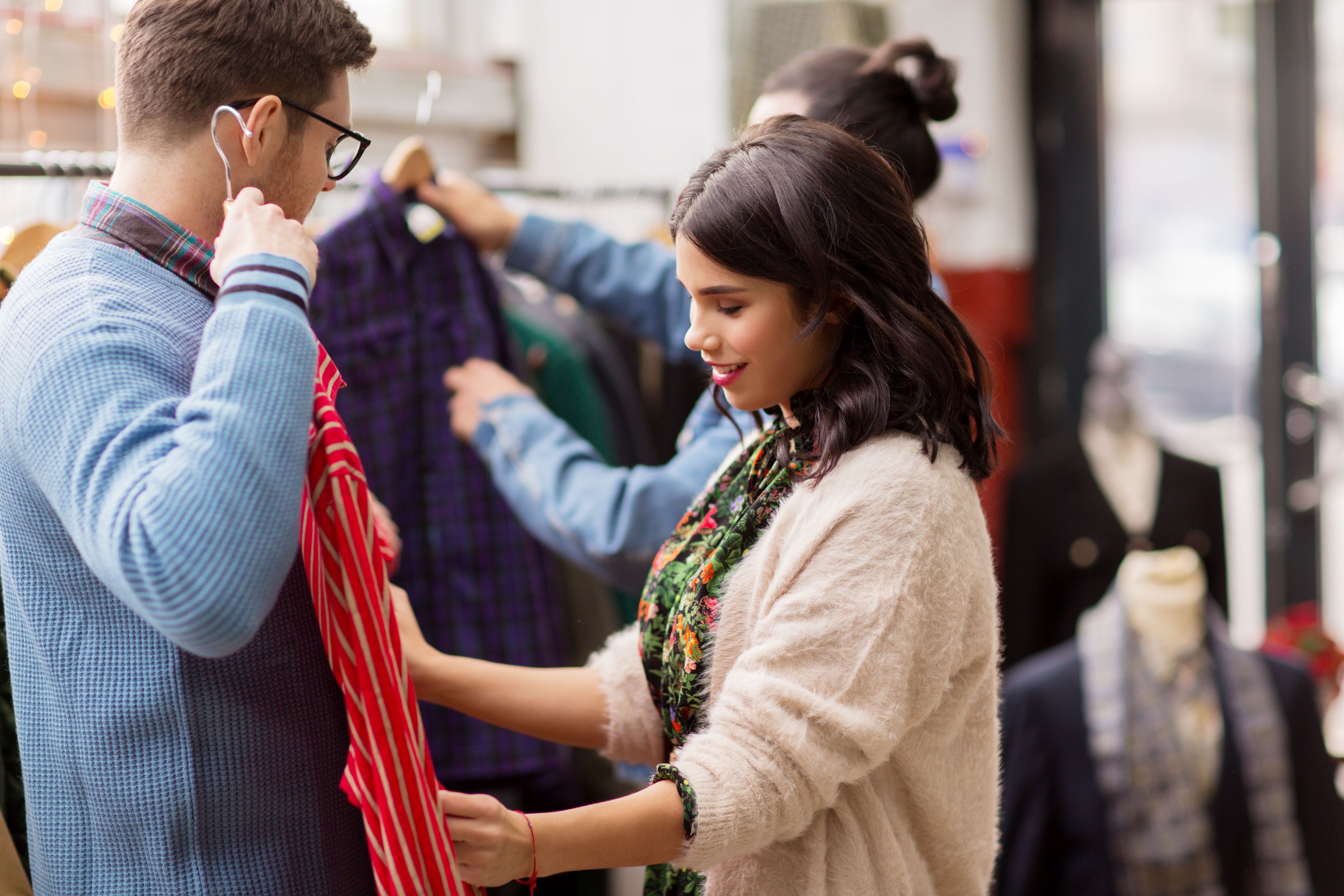
At its core, apparel retail is the business of selling clothing—but today, it’s equally about understanding consumer identity, behavior, and context.. It spans multiple formats, from brick-and-mortar stores to e-commerce platforms and now hybrid AI-driven models.
The scope of apparel retail includes:
- Fast fashion – quick-to-market, trend-driven, affordable clothing.
- Luxury retail – high-end designer fashion emphasizing exclusivity and brand heritage.
- Athleisure – sports-inspired, casual wear bridging comfort and style.
- Online-first fashion – digital-native brands that scale without physical outlets.
This breadth means apparel retail is not just about selling garments—it’s about understanding consumer identities, cultural shifts, and lifestyle changes.
Types of Apparel Retail Formats
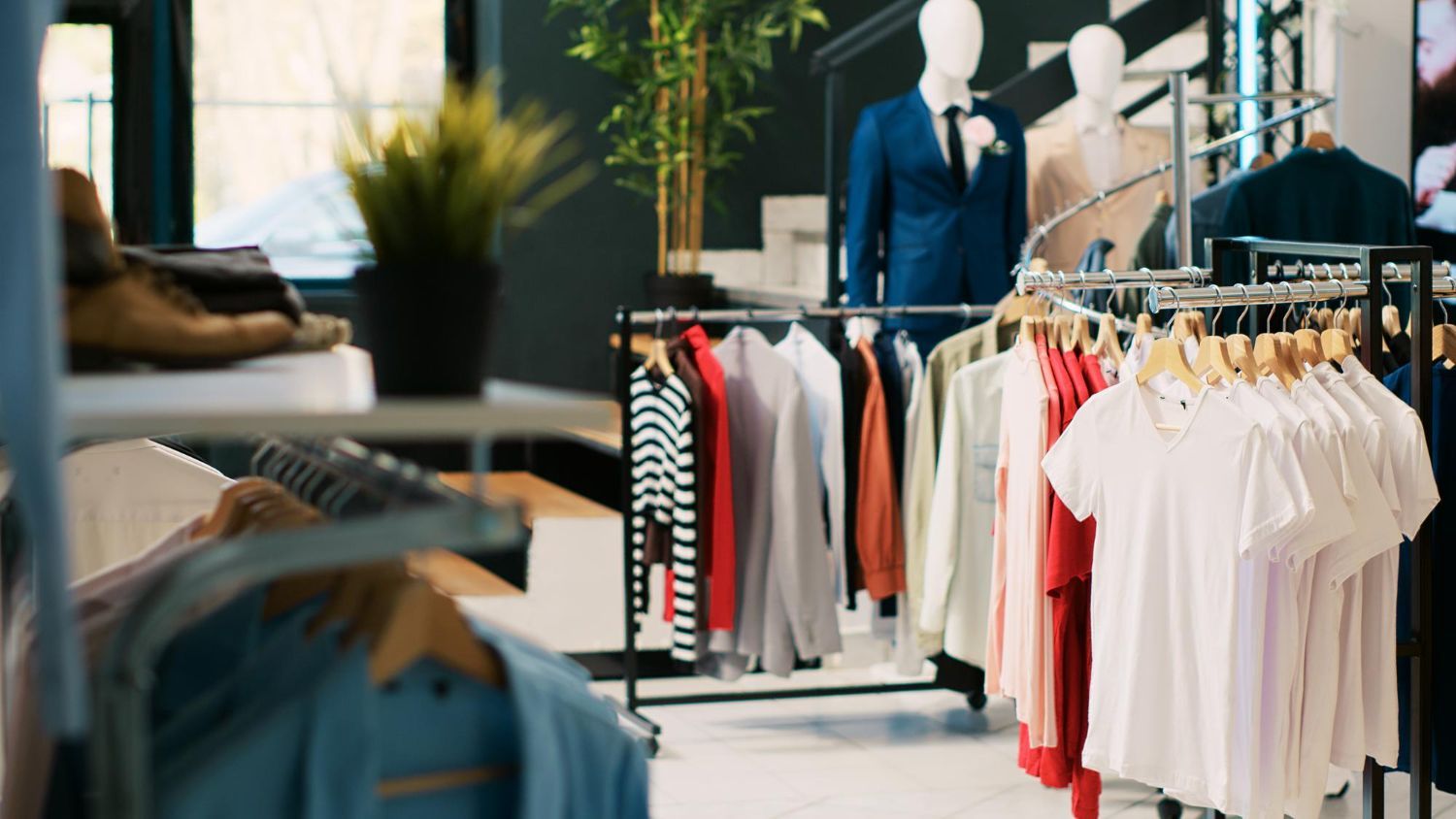
- Department Stores – multi-brand outlets offering apparel across categories.
- Specialty Stores – niche focus, e.g., denim shops or bridal wear boutiques.
- Fast-Fashion Chains – Zara, H&M, Uniqlo; emphasizing speed and affordability.
- Luxury Flagships – Gucci, Louis Vuitton; designed as brand experiences.
- Online Clothing Stores – from Amazon Fashion to niche best online clothes shopping apps.
While each format serves a purpose, digital-first and AI-powered models are driving the fastest growth in apparel retail today.
Apparel Retail Industry Trends 2026

1. Sustainability as a Core Driver
Consumers now demand transparency in sourcing, circular fashion (resale, recycling), and low-carbon production. Brands like Patagonia and H&M Conscious lead global examples, while Indian startups like Livaeco are making eco-fabrics mainstream.
2. AI and ML Adoption
AI is now foundational to apparel retail. From predictive inventory management to AI Twins in Glance, machine learning is enabling hyper-personalized recommendations, dynamic styling, and smarter supply chains.
3. From Personalization to Predictive Experiences
Shoppers expect experiences tailored to their body, taste, and context—not one-size-fits-all discounts. Personalization is shifting from “recommended for you” widgets to proactive styling journeys.
4. Phygital Experiences
Post-COVID, hybrid models are booming: digital-first discovery + in-store experience. For example, Nike’s “House of Innovation” integrates mobile apps with in-store try-ons.
5. Consumer Shifts Post-Pandemic
- Comfort-driven fashion (athleisure, oversized fits)
- Conscious shopping with value for money
Social commerce via Instagram, Myntra Live, and YouTube try-ons
How Technology Is Reshaping Apparel Retail
Traditional retail relied on footfall and physical merchandising. Today, it’s driven by screen-time, personalization, and intelligent systems
- Online vs Offline Clothing Stores: Online platforms scale globally at lower cost, but offline stores still matter for tactile experiences.
- Retail Intelligence: Platforms like Glance connect brands with consumers in real time, using smart auctions, inventory sync, and visual AI styling.
- Virtual Try-Ons & Lookbooks: Instead of mannequins, AI engines generate personalized outfits rendered on the shopper’s digital persona.
This shift toward intelligent, digital-first architecture is what enables platforms like Glance to redefine best online clothes shopping.
Real-World Examples of Apparel Retail Innovation

- International Example – Zara: Using AI to predict trends and optimize supply chains for speed and efficiency.
- Indian Example – Myntra: Scaling personalization with “Myntra Studio,” integrating influencer-led content and shoppable live sessions.
- Glance: Moving beyond platforms to act as an intelligent shopping agent that delivers predictive fashion experiences—creating AI Twins that understand mood, body shape, lifestyle, and events to deliver predictive fashion intelligence.
What Is the Role of Glance in Apparel Retail Innovation?
From Storefronts to Smart Interfaces
Instead of simply digitizing stores, Glance acts as an intelligent shopping agent—reshaping how apparel retail is discovered, experienced, and purchased. It combines the role of a store, stylist, and decision engine into a single AI-powered interface. This means when a user opens the app, they don’t browse static catalogs—they experience dynamic, personalized fashion journeys.
AI Twin: The Core of Personalized Apparel Retail
At the heart of Glance is the AI Twin, a dynamic digital persona built for every shopper. Unlike generic CRM data that only captures what you clicked or purchased, the AI Twin models a complete fashion identity. It factors in body shape, skin tone, hairstyle, past preferences, mood, and even upcoming events. If you’re attending a wedding, heading for a weekend getaway, or simply refreshing your work wardrobe, your AI Twin already anticipates your needs and brings forward context-aware outfits.
This goes far beyond “people who bought this also bought that.” Instead, Glance delivers predictive, context-aware fashion intelligence—recommending outfits before the shopper even starts searching.
Generative Styling: Redefining Best Online Clothes Shopping
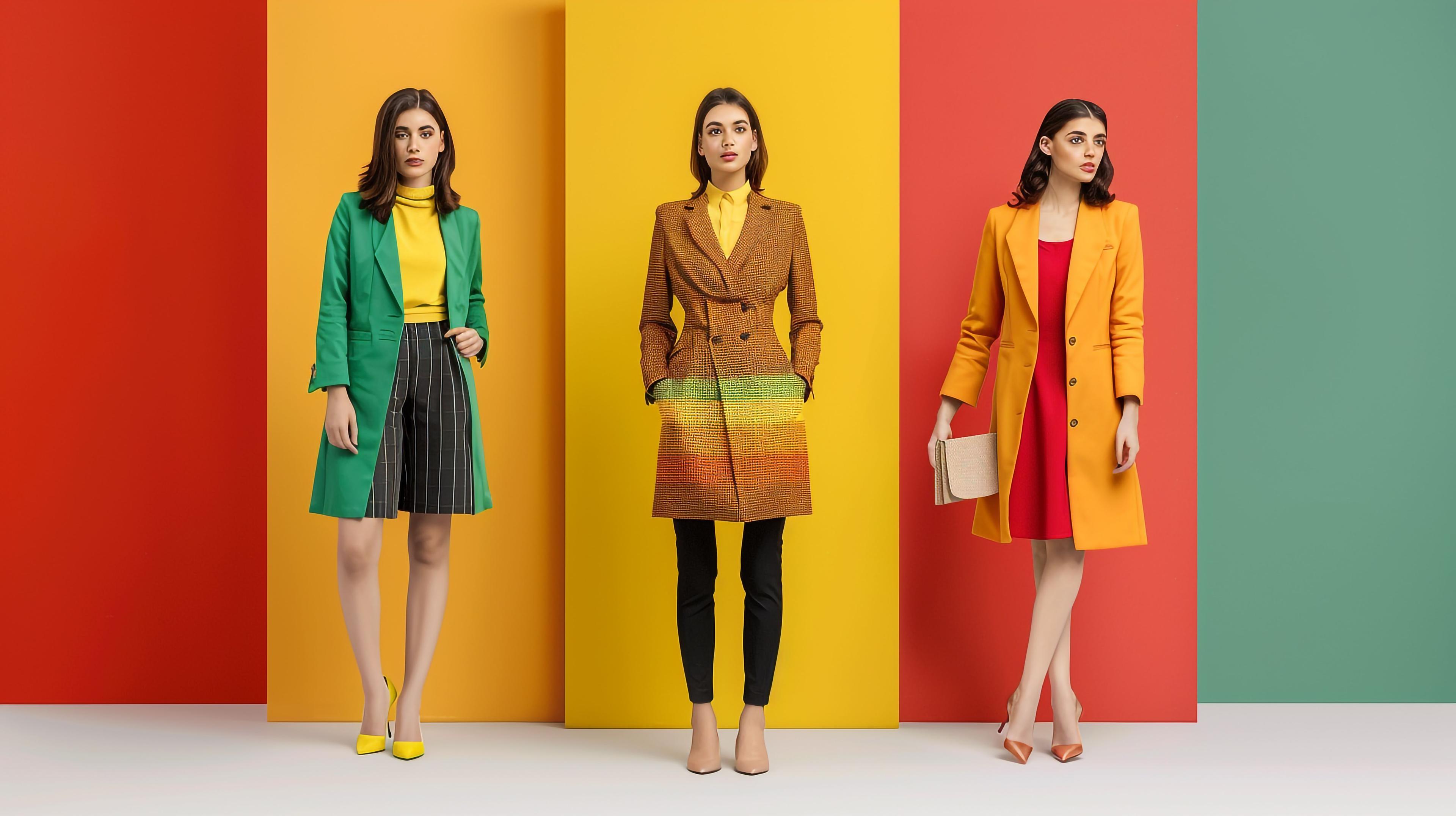
Another major innovation is Glance's generative styling engine. Instead of displaying isolated products, the app generates complete outfit ideas rendered on your digital self. This creates the feeling of browsing through a fashion magazine tailored uniquely for you. For consumers, transforms best online clothes shopping from a transactional journey into an editorial journey that feels immersive and personal.
Real-Time Retail Intelligence in Apparel Retail
For apparel retail brands, Glance acts as an intelligent matching layer to the right consumers at the right time. Its real-time inventory sync and smart auctions ensure that brands can place their products in personalized lookbooks exactly when shoppers are most likely to engage. Instead of shouting into the void with mass marketing, brands now connect with micro-targeted audiences, reducing waste and driving conversion.
From Apparel Retail to Intelligent Fashion Ecosystems
Glance is not just enhancing apparel retail—it is transforming it into an intelligent, adaptive ecosystem. By blending AI-driven personalization, generative styling, and predictive retail intelligence, it transforms shopping into a dynamic, self-evolving journey. For consumers, it delivers style that feels personal and intuitive. For retailers, it offers smarter insights and sharper engagement. Together, this makes Glance one of the most important innovations shaping the future of apparel retail.
This marks a shift in apparel retail—from transactional commerce to intelligent, identity-driven experiences.
In a world where users don’t want to search but be served, Glance represents the shift from ecommerce platforms to intelligent fashion agents.
Apparel Consumer Trends to Watch
- Micro-personalization: Every shopper gets their own fashion feed.
- Predictive shopping: Needs anticipated before they’re expressed.
- Fashion as self-expression: From transactional clothing to identity-driven styling.
- Best online clothes shopping apps replacing traditional catalogs.
How to Start an Apparel Retail Business in 2026
For entrepreneurs, starting an apparel retail business requires:
- Identifying niche (fast fashion, luxury, athleisure, ethnic wear).
- Choosing format (offline store, D2C e-commerce, or hybrid).
- Leveraging AI-driven platforms like Glance for personalization.
- Building sustainability into the supply chain from day one.
- Adapting marketing to social commerce, not just billboard ads.
Conclusion
Apparel retail is no longer just about selling products—it’s about delivering intelligent, personalized experiences. In 2026, the future of best online clothes shopping is being shaped by platforms like Glance, which act as intelligent shopping agents, anticipating user needs and curating fashion in real time.
For consumers, this means effortless, context-aware style discovery. For brands, it unlocks sharper targeting, better conversions, and reduced inefficiencies. For the industry, it marks a clear shift—from transactional commerce to adaptive, AI-driven fashion ecosystems.
FAQs
Q1: What is apparel retail?
Apparel retail is the business of selling clothing and accessories across physical, online, and hybrid platforms.
Q2: What are the biggest trends in apparel retail in 2025?
Sustainability, AI-driven personalization, hybrid phygital models, and social commerce are leading the way.
Q3: How is Glance different from other fashion apps?
Glance uses AI Twins, generative styling engines, and predictive retail intelligence to offer personalized journeys instead of static catalogs.
Q4: Is offline apparel retail dead?
Not dead—but evolving. Offline formats are merging with digital-first experiences to stay relevant.
Download the Glance app now




Your intelligent
shopping agent.







Your intelligent
shopping agent.