

Top 10 Sustainable Clothing Brands to Choose in 2026
TL;DR
Sustainable fashion is about buying fewer, better pieces from brands that prioritize ethical labor, responsible materials, and transparency. Look for organic or recycled fabrics, credible certifications, and repair or resale programs. Choose brands that align with your values and lifestyle. Shift gradually. Shop intentionally. Style can stay strong while your impact gets lighter.
Sustainable fashion is no longer a niche conversation. It is a necessary one.
Every time you buy a garment, you are voting for a system. One that either extracts aggressively from the planet or one that attempts to restore balance.
The global fashion industry is responsible for 2.1 billion metric tons of greenhouse-gas (GHG) emissions, significant amounts of water consumption, and textile waste. Yet at the same time, it is evolving. Materials are improving. Supply chains are becoming more transparent. Circular models are gaining traction.
The challenge is not finding sustainable brands. The challenge is knowing which ones genuinely responsible and which ones are simply marketing sustainability.
This guide is built to help you cut through that noise.
You will understand what actually makes a clothing brand sustainable, which certifications and practices matter, and how to evaluate brands based on your lifestyle, budget, and values.
How Can You Tell If a Brand Is Truly Sustainable?
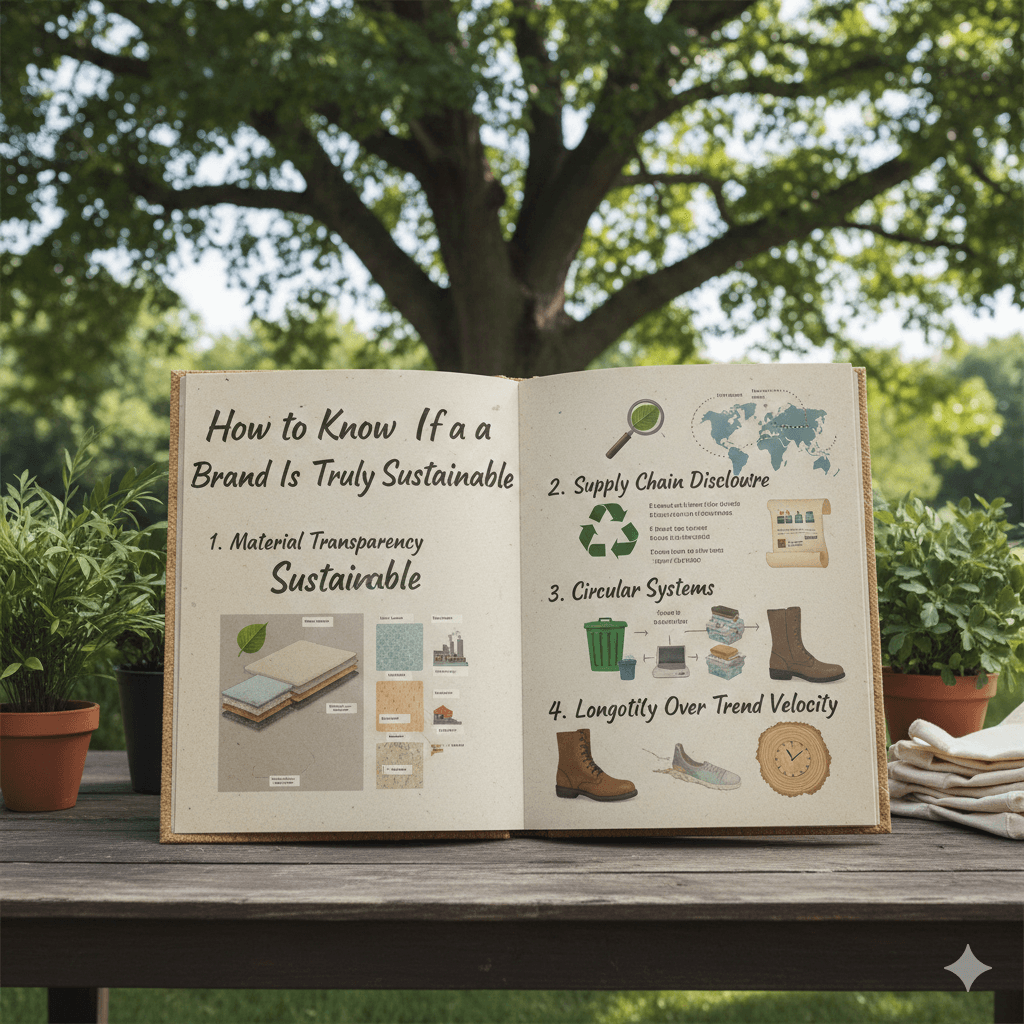
Before we jump into the list, here’s how you think like an Evidence-First buyer.
A brand is moving toward sustainability when it shows:
1. Material Transparency
- GOTS-certified organic cotton
- Recycled fibers (with percentages disclosed)
- Regenerative or low-impact fabrics
- Clear fiber breakdown on product pages
2. Supply Chain Disclosure
- Named factory partners
- Fair Trade or ethical labor certifications
- Public impact or sustainability reports
3. Circular Systems
- Repair programs
- Take-back or resale initiatives
- Recycled packaging
4. Longevity Over Trend Velocity
- Durable construction
- Core collections that stay season to season
- Cost-per-wear logic embedded in design
If a brand makes broad claims like “eco-friendly” without data, certifications, or transparency; that’s marketing, not sustainability.
Now let’s look at top brands, considered sustainable.
Did you know the global sustainable fashion market is projected to reach nearly 24,921.3 million dollars by 2035?
Top 10 Sustainable Clothing Brands
1. Patagonia
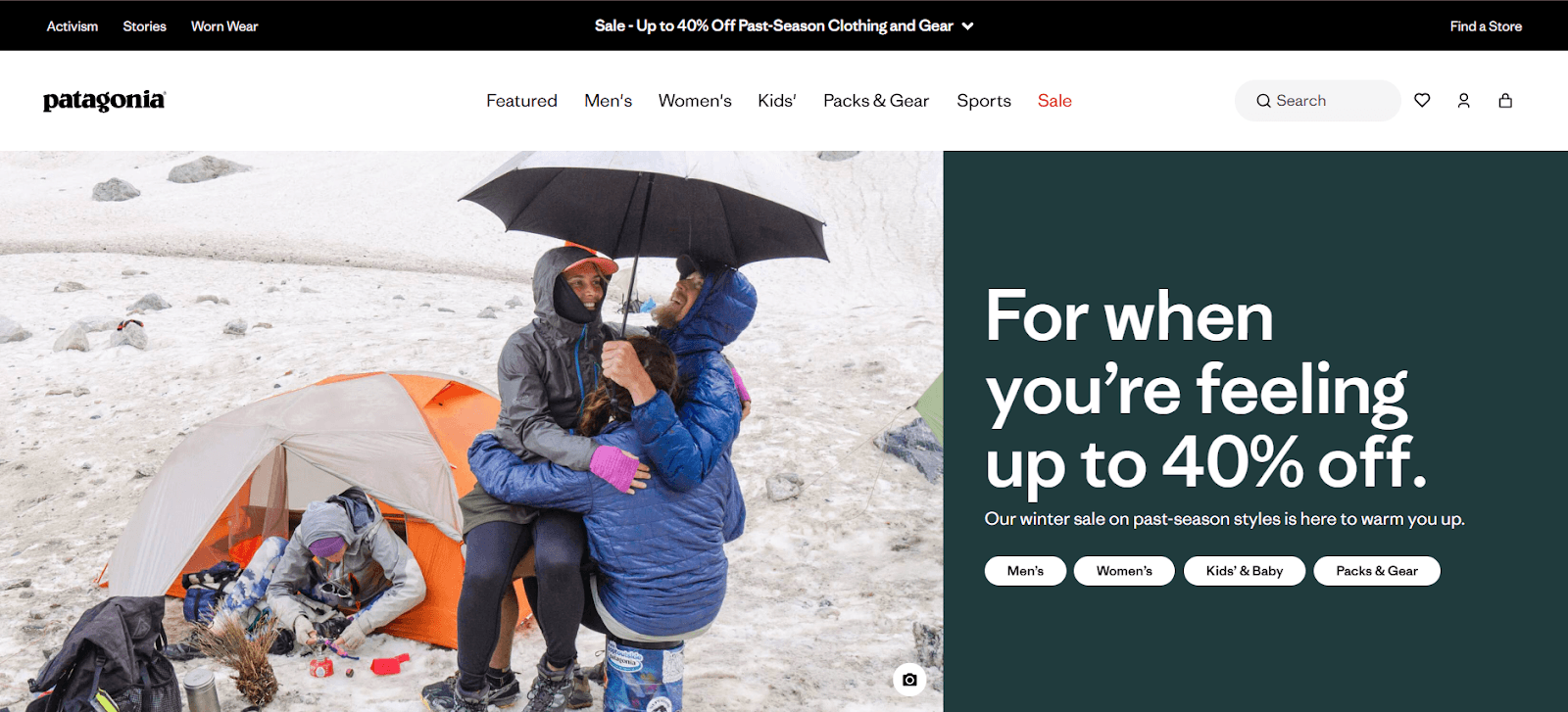
Image Source: Patagonia
If you want the gold standard in responsible fashion, this is it.
Patagonia uses over 70 percent recycled materials across its product lines, including recycled polyester made from plastic bottles and reclaimed fishing nets. Their Worn Wear program encourages you to repair, resell, and reuse instead of replacing. They publish supply chain details openly and have long supported Fair Trade Certified factories.
What makes them different is philosophy. Patagonia actively campaigns against overconsumption. They have run ads telling people not to buy their jackets unless necessary. That level of integrity is rare.
Best for you if:
You value durability, outdoor wear, and long term investment pieces. Gender neutral options make it accessible for everyone.
2. Everlane
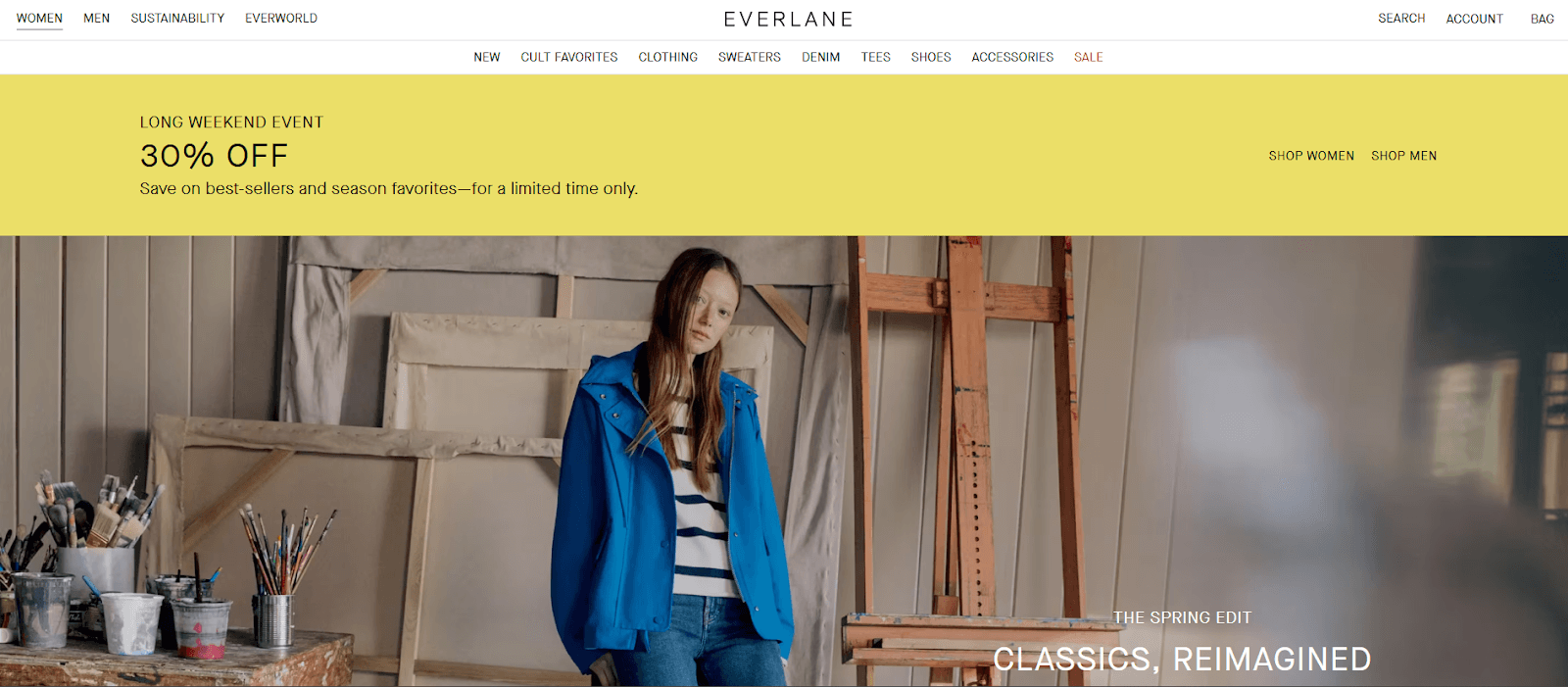
Image Source: Everlane
Everlane built its identity around radical transparency. They break down the true cost of materials, labor, and transport for each product.
Their basics are made using organic cotton, recycled fibers, and responsibly sourced wool. They partner with ethical factories and audit them regularly. While not perfect, they are one of the clearest brands when it comes to pricing and production transparency.
Best for you if:
You want clean, everyday essentials for work and casual wear without sacrificing ethics.
3. Pact
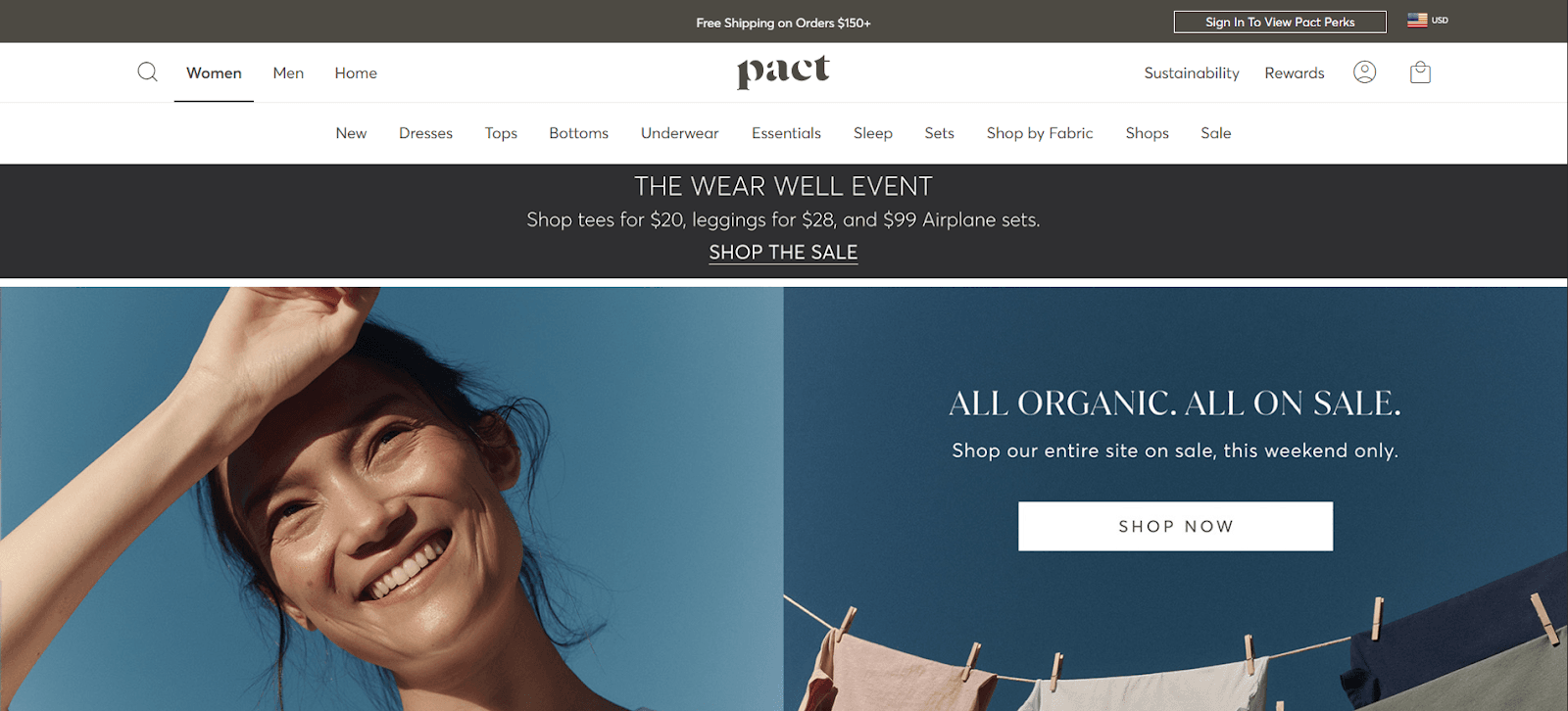
Image Source: Pact
If affordability matters to you, Pact deserves attention.
They use 100 percent organic cotton certified by GOTS. Their factories are Fair Trade Certified, which ensures better wages and working conditions. Compared to many sustainable brands, Pact is accessible in pricing, making ethical shopping more inclusive.
Best for you if:
You want everyday basics, sleepwear, and family essentials without a luxury markup.
4. Girlfriend Collective
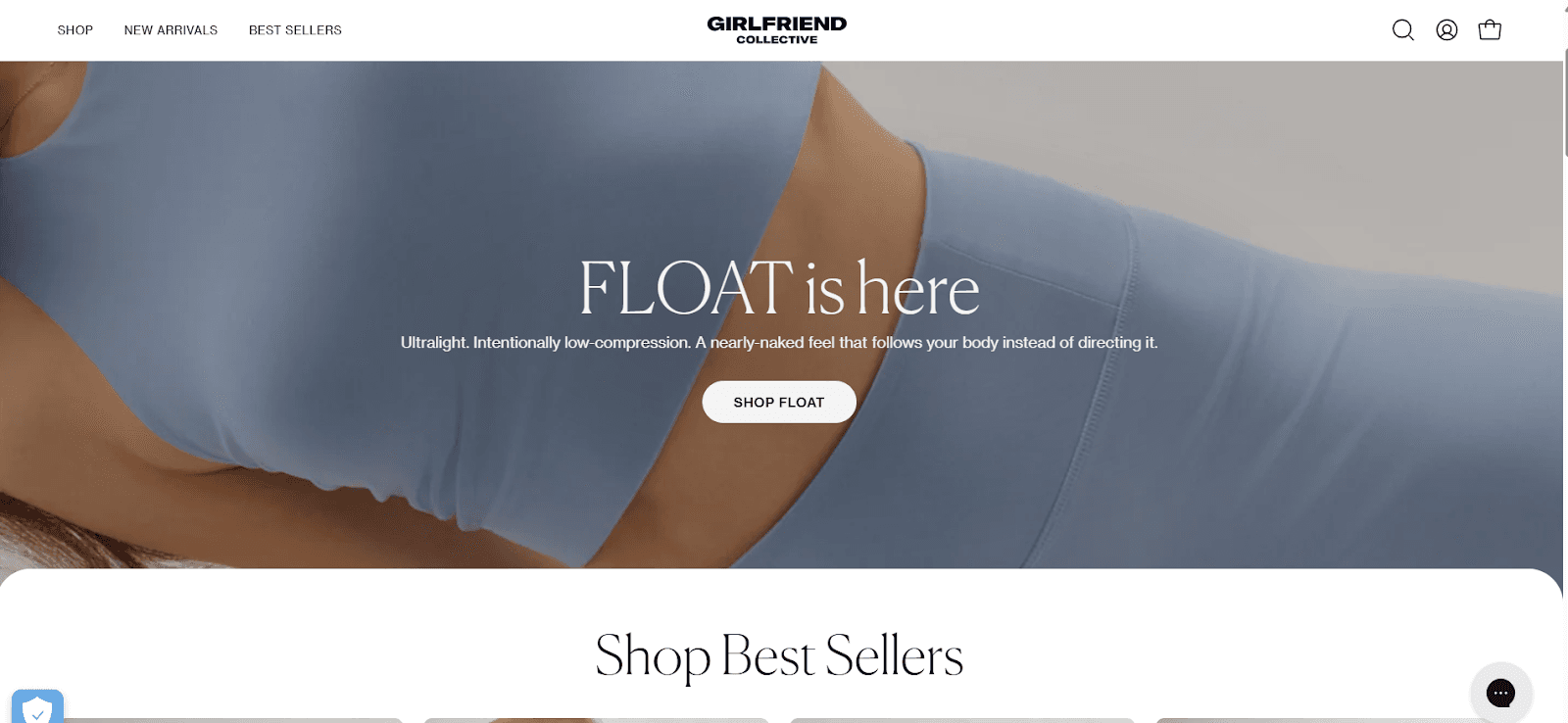
Image Source: Girlfriend Collective
This brand transforms recycled plastic water bottles into performance activewear.
Their leggings are compressive, durable, and size inclusive. Transparency reports detail water usage and emissions. They also offer recycling initiatives where you can return old items.
Best for you if:
You want ethical activewear that supports body inclusivity and performance.
5. Eileen Fisher
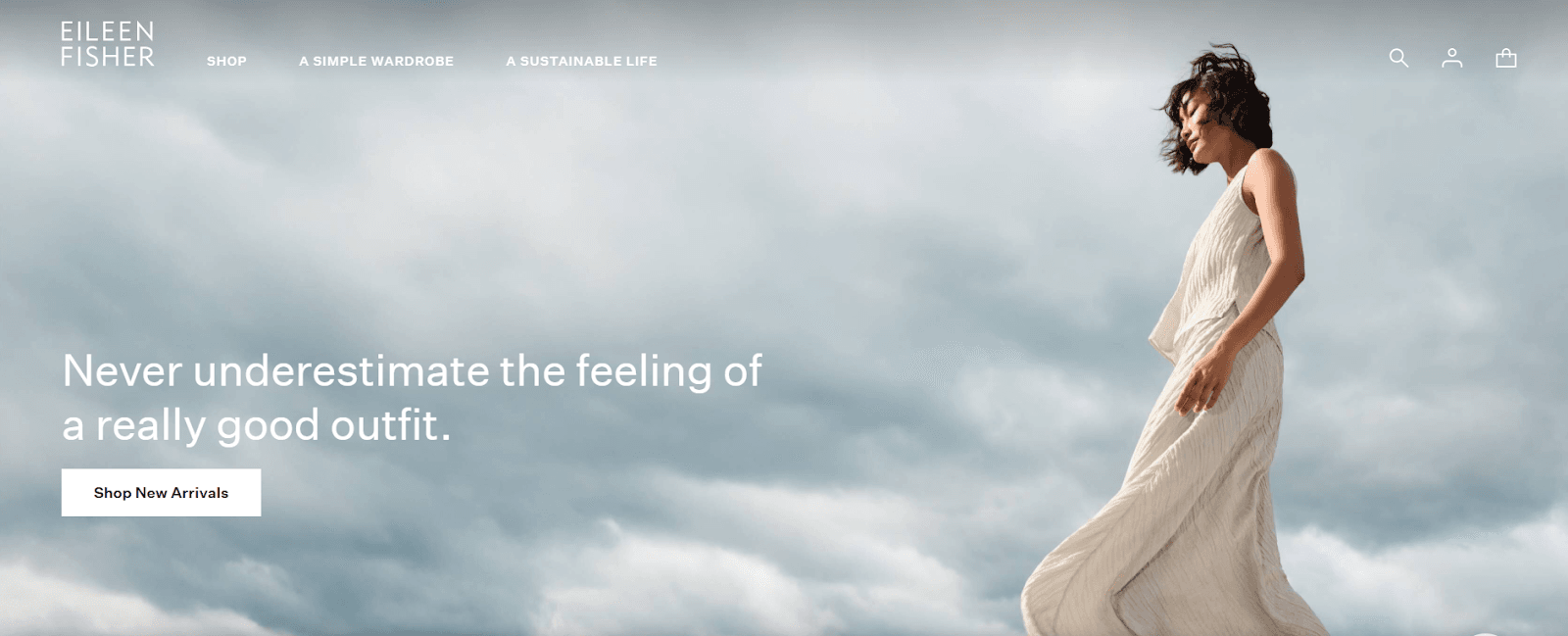
Image Source: Eileen Fisher
Eileen Fisher focuses on circular fashion.
Their Renew program allows customers to return used garments, which are cleaned, repaired, and resold. The brand prioritizes organic fibers, regenerative wool, and responsible dye processes.
Best for you if:
You prefer timeless, minimalist designs and premium quality that lasts for years.
6. Reformation
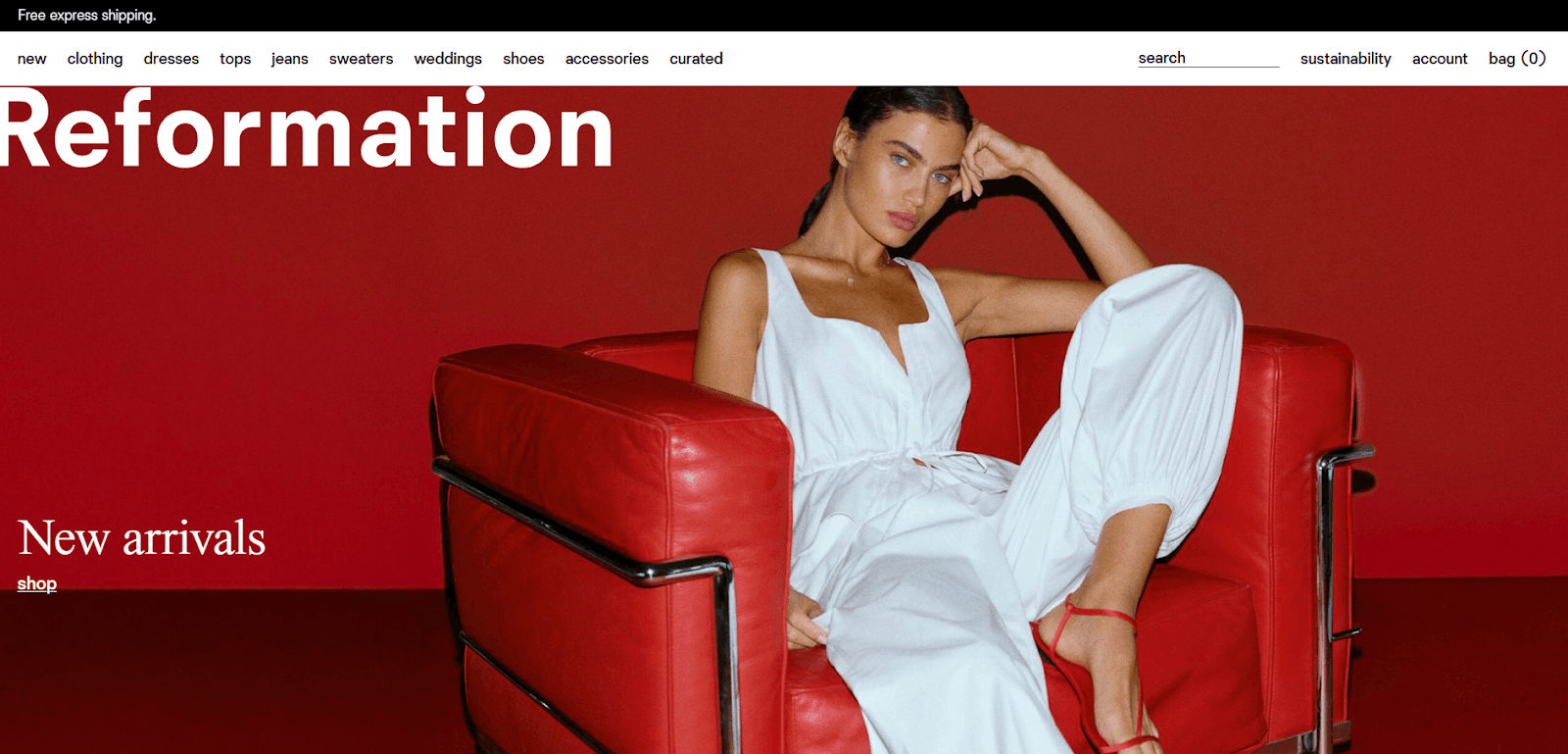
Image Source: Reformation
Reformation blends trend and responsibility.
They use low waste pattern making, renewable energy powered factories, and carbon neutral shipping. Each product page includes a sustainability impact report detailing water savings and carbon footprint.
Best for you if:
You want fashionable denim and dresses without ignoring environmental impact.
7. Outerknown
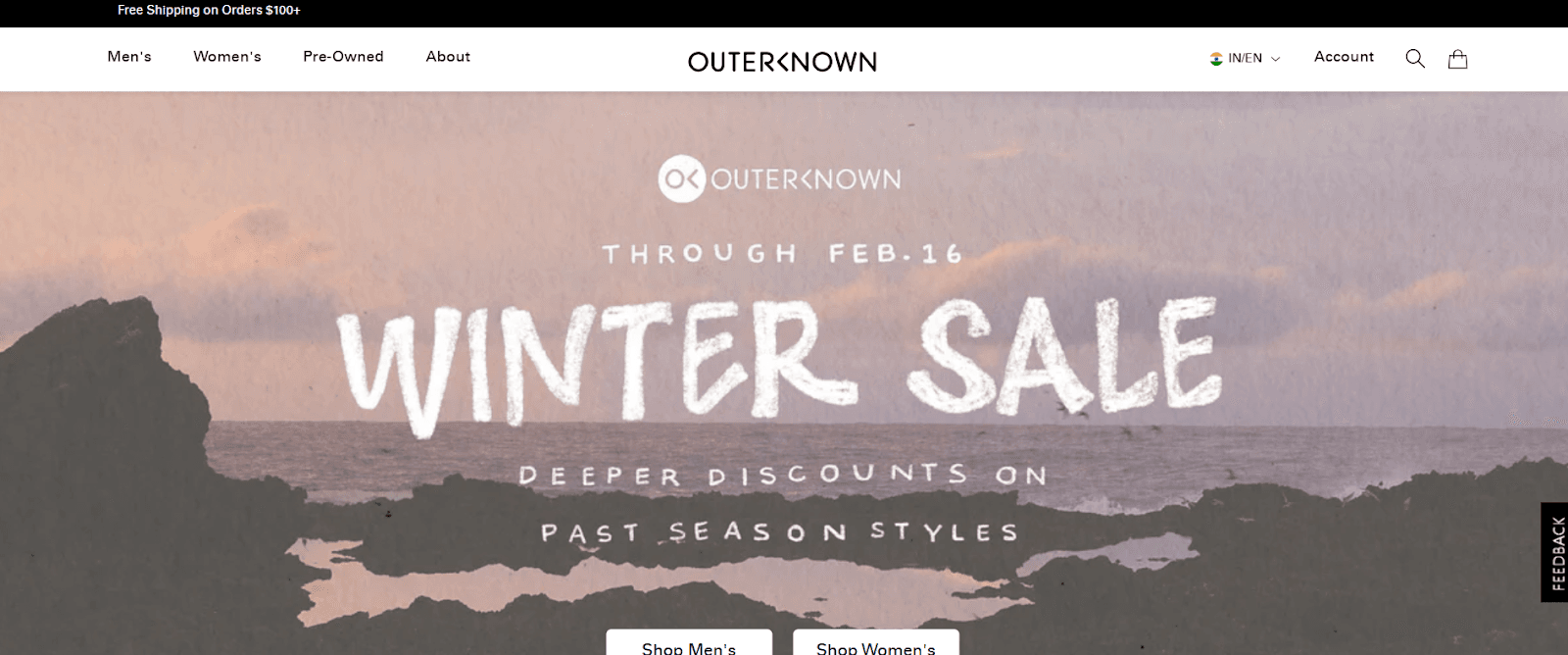
Image Source: Outerknown
Founded with sustainability at its core, Outerknown uses nearly 90 percent organic or recycled fibers.
They prioritize Fair Trade labor and durable construction. Their focus is menswear that lasts beyond seasonal cycles.
Best for you if:
You want relaxed, coastal inspired menswear that aligns with ethical production.
8. Kotn
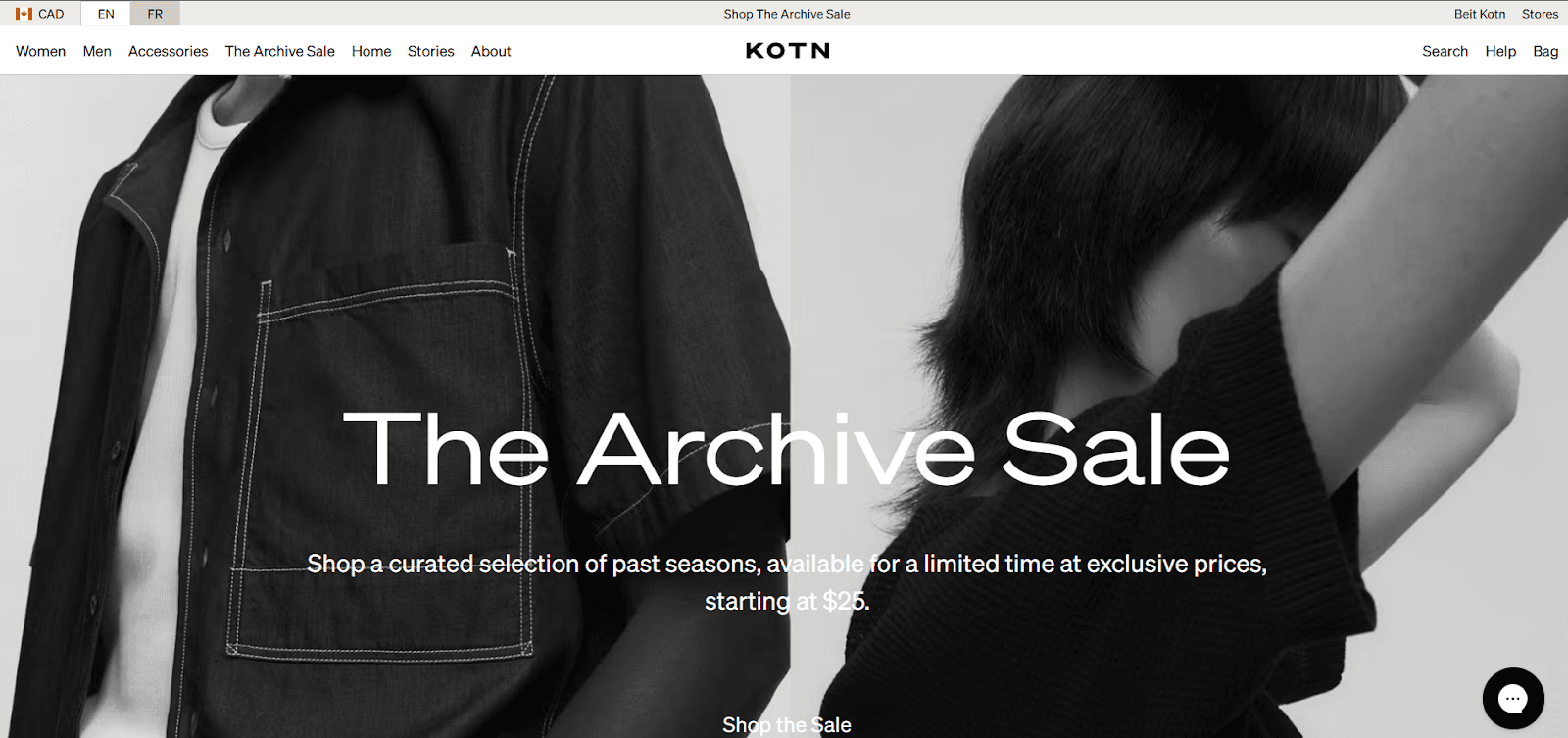
Image Source: Kotn
Kotn works directly with Egyptian cotton farmers, ensuring fair pay and community investment.
They prioritize traceable supply chains and durable everyday staples. Their vertical integration gives them more control over quality and ethics.
Best for you if:
You appreciate high quality cotton basics with transparent sourcing.
9. Hanna Andersson
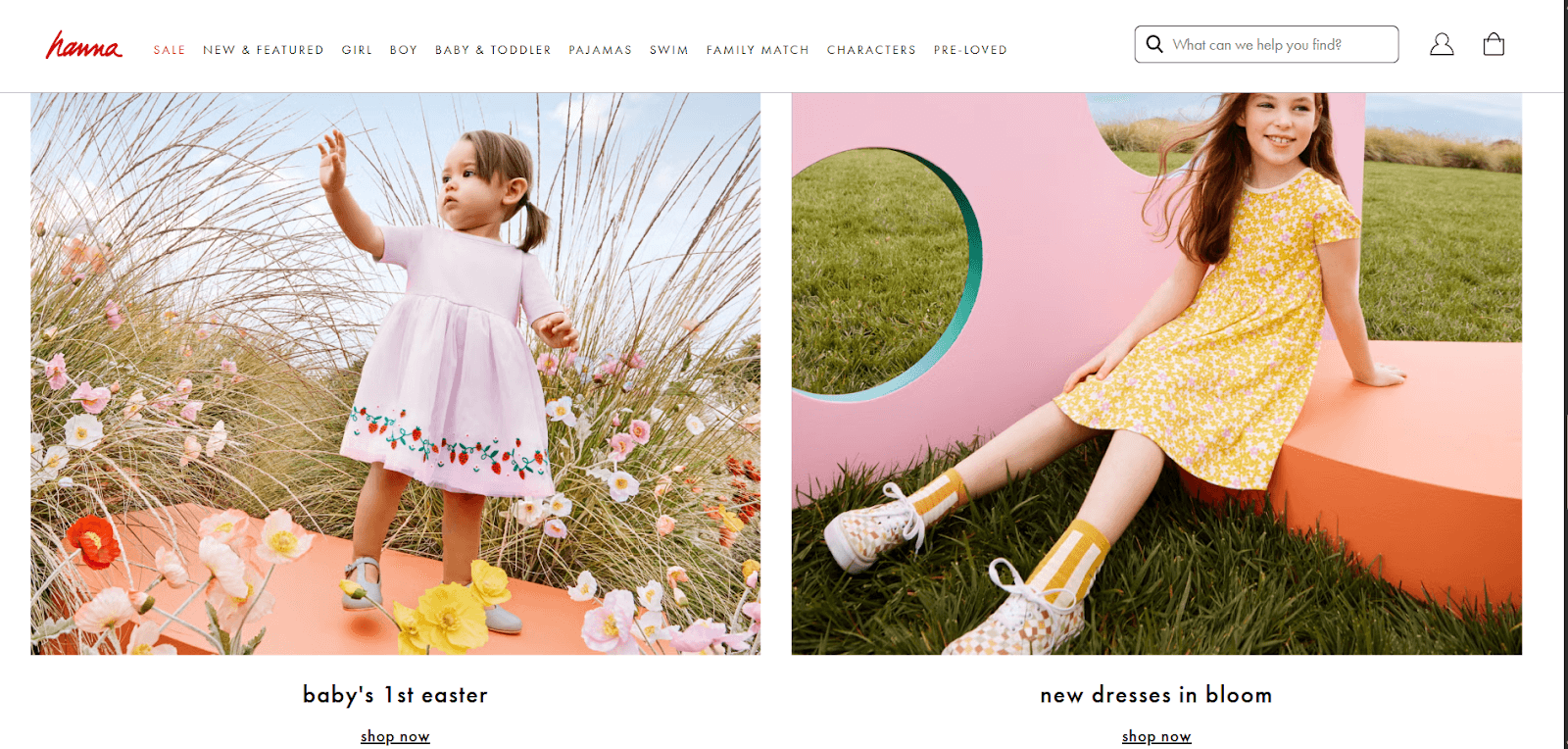
Image Source: Hanna Andersson
For children, durability and skin safety matter.
Hanna Andersson uses organic cotton and low impact dyes. Their clothing is designed to withstand repeated washing and wear, which reduces landfill waste.
Best for you if
You are buying for kids and want comfort, safety, and longevity.
10. Noize
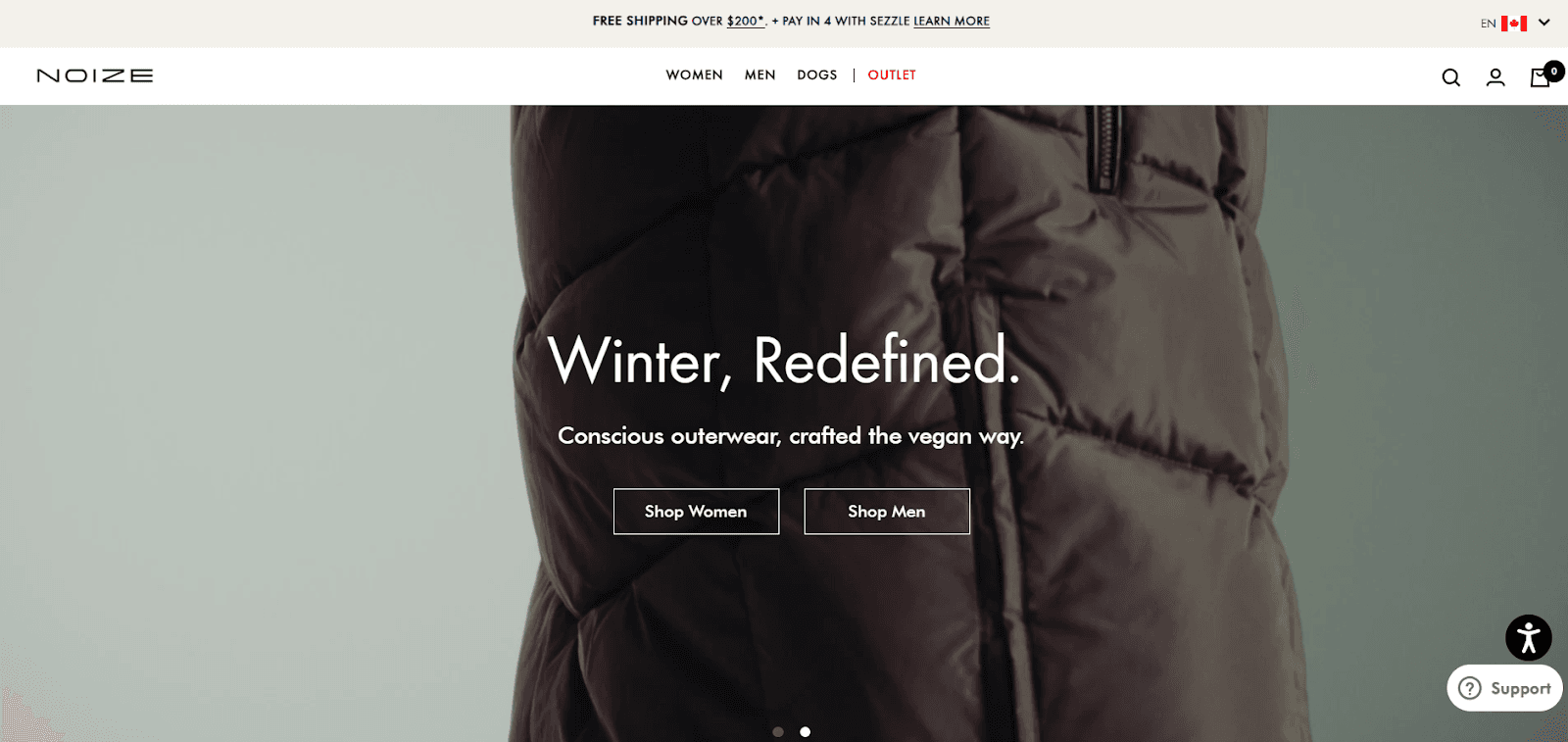
Image Source: Noize
Noize focuses on cruelty free fashion.
They create vegan outerwear using recycled insulation and synthetic alternatives to fur and down. The brand eliminates animal derived materials while maintaining warmth performance.
Best for you if:
You want winter wear that aligns with vegan ethics.
What You Should Notice Across These Brands
Most of them prioritize:
• Organic or recycled materials
• Fair Trade or ethical labor standards
• Transparency in sourcing
• Repair or resale programs
• Lower waste production systems
But here is the key: no brand is perfectly sustainable. Sustainability exists on a spectrum. Your job is not to find perfection. It is to find alignment.
How to Find the Best Sustainable Brand for You
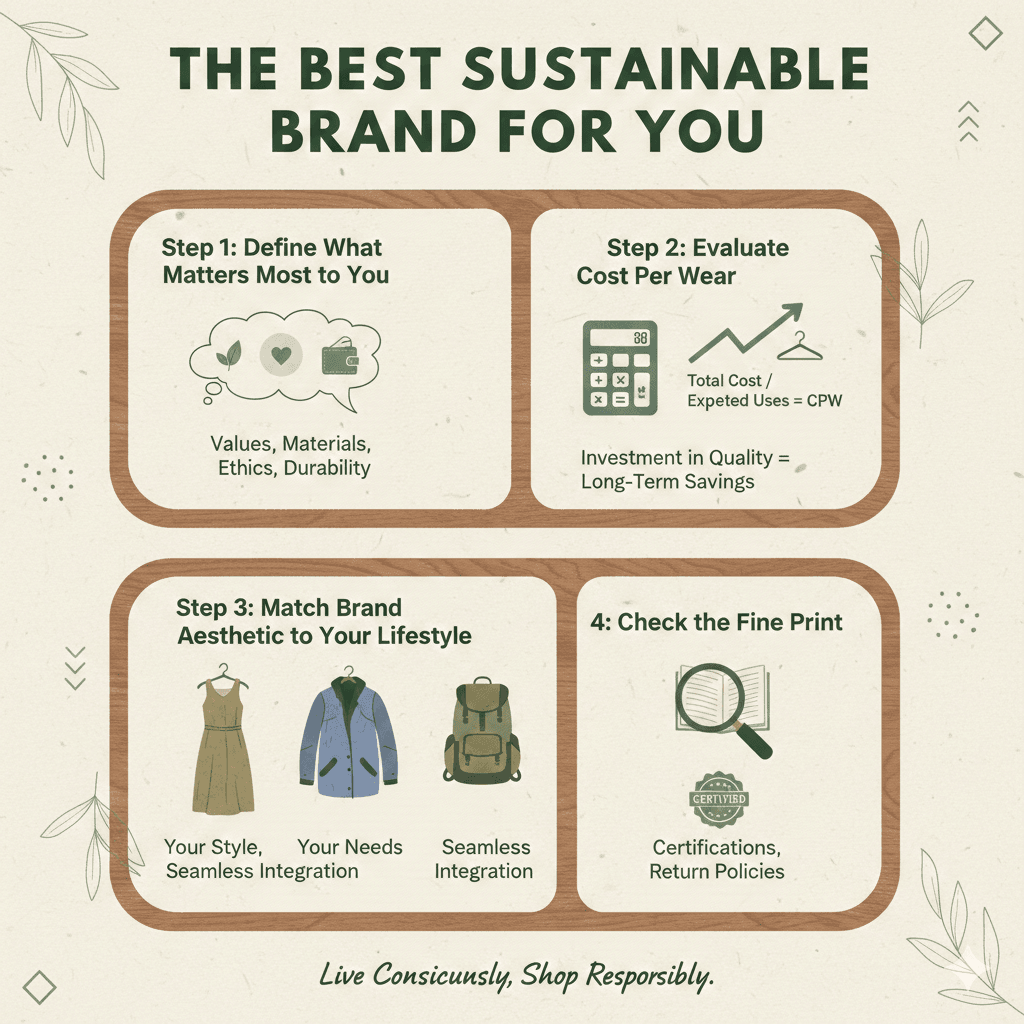
You don’t need to buy from all 10. You need alignment.
Step 1: Define What Matters Most to You
Is your priority:
- Labor ethics?
- Vegan materials?
- Durability?
- Price accessibility?
- Style innovation?
For example:
- If durability and activism matter most → Patagonia.
- If minimalist luxury and resale appeal to you → Eileen Fisher.
- If affordability + organic cotton basics are your focus → Pact.
Clarity reduces noise.
Step 2: Evaluate Cost Per Wear
Don’t compare sticker prices alone.
A $150 ethically made sweater worn 100 times = $1.50 per wear.
A $40 fast-fashion sweater worn 5 times = $8 per wear.
Sustainability is often economic logic over time.
Step 3: Match Brand Aesthetic to Your Lifestyle
Sustainable fashion fails when it doesn’t fit your real life.
Ask yourself:
- Does this brand reflect how I actually dress?
- Can I integrate these pieces into my existing wardrobe?
- Will I realistically wear this across seasons?
Buying “sustainable” items that sit unworn in your closet defeats the purpose.
Step 4: Check the Fine Print
Before purchasing:
- Look for certifications (GOTS, Fair Trade, OEKO-TEX)
- Review sustainability reports
- Examine fiber percentages
- Look for repair or resale programs
High-trust brands don’t hide this information.
A Strategic Way to Shop Sustainable Brands
Instead of replacing everything at once:
- Upgrade one category at a time (denim, outerwear, basics)
- Invest in high-wear items first
- Use resale platforms to test premium brands
- Repair what you already own
Pro Tip: Before you commit to any sustainable brand, use the Glance Intelligent Shopping Agent to preview how it actually works for you. See the fit. Visualize the fabric. Compare ethical options side by side. Make informed choices, not impulse buys. When you Glance It, you shop with clarity.
Conclusion
Here’s the honest truth.
No brand is 100% sustainable. Fashion requires resources. Trade-offs exist. Synthetic recycled fibers may shed microplastics. Organic cotton still uses water. Carbon neutrality often includes offsets.
What matters is trajectory.
The brands above show structural effort — material improvements, circular systems, labor accountability, and measurable reporting.
When you choose brands that disclose data, support ethical labor, prioritize longevity, and build circular models — you reinforce that business strategy.
Sustainable fashion is less about moral signaling and more about intelligent consumption.
You don’t need a perfect wardrobe.
You need a deliberate one.
FAQs Related to Sustainable Fashion Brands
1. How to verify a fashion brand’s sustainability claims?
To verify a fashion brand’s sustainability claims, start by checking third party certifications such as GOTS for organic textiles, Fair Trade Certified for ethical labor, and B Corp status for overall accountability. Review the brand’s transparency reports, supply chain disclosures, and material sourcing details on their official website. Reliable US based brands also publish environmental impact data, carbon reduction goals, and circular programs like repair or resale. Avoid vague terms like eco friendly without measurable proof. Independent rating platforms and sustainability audits can further validate whether the brand meets credible environmental and ethical standards.
2. Which sustainable fashion brands offer affordable everyday clothing?
Affordable sustainable fashion brands for everyday wear include Pact, Everlane, and Kotn. These brands focus on organic cotton basics, ethical factory partnerships, and transparent pricing structures. Pact is known for budget friendly organic essentials for families, while Everlane emphasizes cost breakdown transparency and responsible production. Kotn works directly with cotton farmers to ensure fair sourcing. These brands balance accessibility with responsible materials, making them practical choices for building a sustainable wardrobe without paying luxury level prices.
3. What are the top eco-friendly fashion brands for activewear?
For eco-friendly activewear in the US, Girlfriend Collective and Patagonia are leading choices. Girlfriend Collective produces performance leggings and sportswear using recycled plastic bottles and prioritizes size inclusivity and supply chain transparency. Patagonia offers durable outdoor and athletic gear made from recycled polyester and Fair Trade Certified manufacturing facilities. Both brands publish environmental impact data and promote repair or recycling initiatives. If you want performance driven activewear with lower environmental impact, these brands consistently meet higher sustainability standards.
4. Where can I buy sustainable fashion brands online?
You can buy sustainable fashion brands online directly through official brand websites such as Patagonia, Everlane, Reformation, and Pact. Many of these brands offer nationwide shipping and transparent sustainability information on product pages. In addition, online marketplaces that specialize in ethical fashion curate certified sustainable brands and provide third party ratings. When shopping online, look for detailed fabric composition, ethical certifications, and impact reports to ensure the products meet verified environmental and labor standards.
5. Which is the best sustainable fashion brand for women?
The best sustainable fashion brand for women depends on your style and priorities, but Eileen Fisher, Reformation, and Patagonia consistently rank among the top. Eileen Fisher leads in circular fashion with its garment take back and resale programs. Reformation blends trend focused womenswear with carbon reduction initiatives and low waste production. Patagonia offers durable, ethically produced options for outdoor and everyday wear. The best choice for you will align with your lifestyle, budget, and sustainability expectations.
Download the Glance app now




Your intelligent
shopping agent.







Your intelligent
shopping agent.