


Eco Friendly Apparel: Your Way to Love the Planet
TL;DR
Eco-friendly apparel lets you express style while caring for the planet. It emphasizes low-impact materials, ethical production, and durable design. Thoughtful choices; detoxing your closet, prioritizing versatile pieces, and using tools like Glance Intelligent Shopping Agent; reduce waste and impulse buying. Millennials and Gen Z drive the movement, often paying a modest premium. Sustainability is about intentional, informed purchases, not perfection.
When was the last time you paused to ask where your clothes came from?
Not the brand name or the price tag, but the water they consumed, the hands that stitched them, the land they touched before reaching your wardrobe
We express love easily. Flowers, chocolates, gifts for the people we care about.
But the planet that feeds us, clothes us, and quite literally keeps us breathing often receives affection only in words, not actions.
Eco friendly apparel is one of the rare places where intention can quietly turn into impact without grand gestures or sacrifice driven living.
Choosing what you wear is not just personal expression. It is a way to show love to the planet.
What Does Eco Friendly Apparel Actually Means?
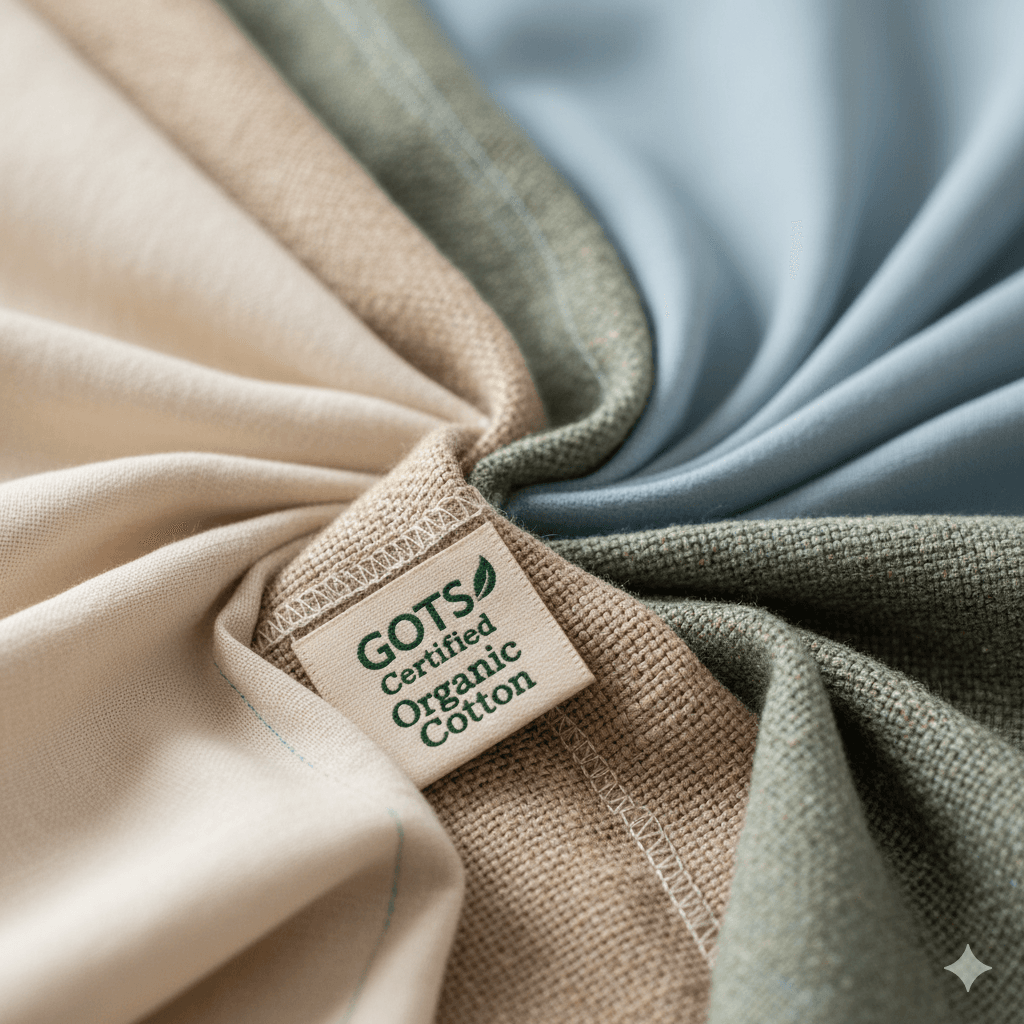
Eco-friendly apparel refers to clothing that is designed and produced with a reduced environmental and social footprint across its lifecycle — from raw material sourcing to manufacturing and distribution.
It typically includes:
- Lower-impact materials such as organic cotton, TENCEL™ (Lyocell), hemp, or recycled fibers
- Reduced water and chemical usage during dyeing, finishing, and processing
- Safer and more ethical labor practices within supply chains
- Durable construction that extends the usable life of a garment
Importantly, eco-friendly does not automatically mean luxury-priced or niche. It signals intentional design decisions — where impact is considered alongside aesthetics and performance
How Eco-Friendly Apparel Helps Save the Planet
When apparel is produced with lower-impact systems, the environmental benefits compound over time.
- Lower resource extraction: Recycled and regenerative fibers reduce dependence on virgin raw materials and fossil fuels.
- Reduced pollution: Cleaner dyeing methods and limited toxic treatments prevent contamination of waterways and soil.
- Less waste in landfills: Durable garments, resale systems, and recycling programs keep textiles in circulation longer.
- Lower emissions: Energy-efficient manufacturing and shorter supply chains help reduce greenhouse gas output.
The cumulative effect matters. Each improvement — whether in materials, water use, or longevity — reduces strain on ecosystems. Eco-friendly apparel doesn’t eliminate fashion’s footprint, but it shifts production toward a model that consumes less, wastes less, and restores more over time.
Did you know? The global sustainable clothing market, valued at approximately USD 3.6 billion in 2024, is expected to grow to nearly USD 9.4 billion by 2034.
How to Embrace Eco Friendly Apparel?
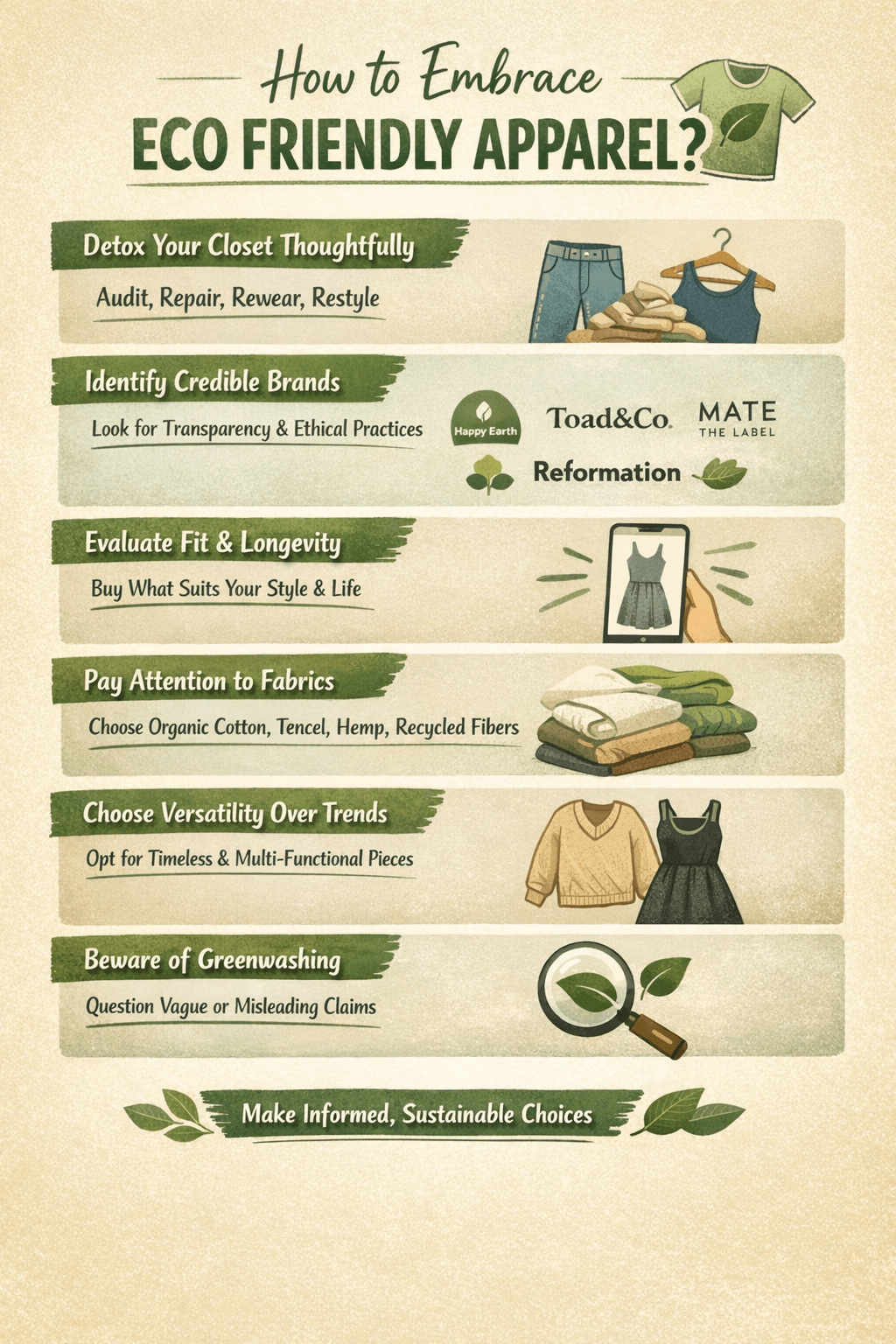
Eco friendly fashion is not about perfection or replacing your entire wardrobe overnight. It is about making fewer, better decisions, backed by awareness rather than guilt.
Detox Your Closet Thoughtfully
Before buying anything new, start with what you already own. Closet detoxing does not mean discarding. It means auditing.
Ask yourself which pieces you actually wear, which ones have lasted, and which purchases felt impulsive in hindsight. Often, the most sustainable garment is the one already hanging in your wardrobe. Repair, rewear, restyle. Longevity is sustainability in its most practical form.
Learn to Identify Credible Eco Friendly Apparel Brands
Not all “green” claims are equal. Truly responsible brands tend to show restraint in how they market sustainability and clarity in how they explain it.
Brands like Happy Earth Apparel, Toad & Co, Mate the Label, and Reformation stand out because they disclose materials, manufacturing practices, and environmental trade offs rather than promising perfection. They focus on organic fibers, low impact dyes, fair labor practices, and measured production volumes.
What matters most is transparency, not buzzwords.
Evaluate Fit and Longevity Before You Buy
A garment cannot be sustainable if it sits unworn.
This is where tools like Glance Intelligent Shopping Agent add real value. Instead of buying based on aspirational imagery, you can evaluate how a piece aligns with your body type, personal style, and real world usage. Mindful shopping is not about buying less only. It is about buying right.
Seeing how something might actually look on you reduces impulse purchases and increases wear frequency, which directly lowers environmental impact.
Pay Attention to Fabric
Eco friendly apparel often prioritizes materials like organic cotton, Tencel, hemp, linen, and recycled fibers. These fabrics generally use less water, fewer chemicals, and age better over time.
Equally important is understanding blends. A garment made with mixed fibers may feel good but can be harder to recycle or repair. Fabric composition quietly determines a product’s true lifecycle.
Choose Versatility Over Trend Cycles
Pieces that adapt across seasons, occasions, and styling contexts naturally reduce consumption. Neutral palettes, thoughtful silhouettes, and timeless cuts are not boring. They are durable decisions.
Sustainable fashion works best when garments earn repeat wear across years, not weeks.
Be Alert to Greenwashing
If a brand highlights sustainability loudly but offers little explanation, skepticism is healthy.
Watch for vague phrases like “eco conscious collection” without data, certifications, or sourcing clarity. Genuine brands acknowledge limitations and trade offs. Overconfidence is often a red flag.
Eco friendly apparel should make you feel informed, not pressured.
Millennials and Gen Z are the primary drivers of the sustainability movement in fashion, with a significant number willing to pay a modest premium typically 5 to 15 percent for clothing made from organic cotton, recycled polyester, or produced using water‑efficient processes.
What is Powering Eco-Friendly Apparel?
Sustainable fashion today is less about slogans and more about systems. Much of the real progress is happening quietly — in materials labs, production floors, and supply chain software.
Smarter Materials
- Lyocell (TENCEL™) is produced in a closed-loop system that recovers most solvents, using less water than conventional cotton.
- Recycled polyester (rPET) transforms plastic waste into usable fibers, reducing reliance on virgin petroleum.
- Bio-based materials like Piñatex (pineapple leaf fiber) and mycelium leather offer lower-impact alternatives to animal leather.
- Hemp and other low-input fibers require fewer pesticides and less water.
Cleaner Production
- 3D knitting creates garments directly from digital files with minimal fabric waste.
- Waterless dyeing technologies such as CO₂ dyeing drastically cut water and chemical discharge.
- Enzyme-based treatments replace harsh finishing chemicals.
Smarter Supply Chains
- Blockchain and RFID tracking improve traceability and verify sourcing claims.
- AI forecasting reduces overproduction — one of fashion’s biggest hidden waste drivers.
The shift is clear: sustainability is moving upstream into design, engineering, and data systems — where impact is reduced before a garment is even made.
Conclusion
Sustainability does not demand perfection. It asks for intention.
Choosing eco-friendly apparel is a quiet form of care. It is how love shows up when it is practical, consistent, and grounded in awareness rather than performance. Every considered purchase is a signal. Not just to brands, but to yourself about the kind of future you are participating in.
Fashion will always be about expression. Sustainable fashion simply asks that expression to include responsibility.
FAQs Related to Eco-Friendly Apparel
1. How can I identify truly sustainable clothing brands?
Look for brands with verified certifications like GOTS (Global Organic Textile Standard), Fair Trade, or OEKO-TEX, and transparent supply chain disclosures. US consumers can also check for carbon-neutral initiatives, recycled fabrics, and local manufacturing claims. Many eco-conscious retailers provide sustainability dashboards on their websites for product-level insights.
2. Does eco-friendly apparel really reduce environmental impact?
Yes. Clothing made from organic cotton, recycled polyester, or low-water processes can significantly reduce carbon emissions, water consumption, and textile waste. In the US, adopting eco-friendly fashion contributes to lowering landfill pressure, as nearly 11 million tons of textiles are discarded annually. Choosing certified brands ensures measurable environmental benefits.
3. How can I shop sustainably without breaking the budget?
Sustainable shopping in the US can be affordable by mixing slow fashion basics with occasional premium eco-friendly pieces. Use resale platforms, outlet stores, and brands offering recycled or upcycled materials. Seasonal sales and digital tools that highlight sustainable alternatives can help consumers make green choices without overspending.
4. Are there tech tools to track sustainable fashion impact?
Yes, several apps and online platforms allow US shoppers to evaluate a garment’s sustainability. Features include carbon footprint tracking, water usage data, ethical sourcing badges, and AI-powered recommendations for eco-friendly alternatives. These tools help shoppers make informed decisions and measure the cumulative impact of their wardrobe choices.
5. Can eco-friendly apparel help reduce returns and waste?
Absolutely. Many sustainable brands use AI sizing tools, virtual try-ons, and detailed product specs to reduce sizing errors. In the US, fit-related returns contribute to roughly 70% of apparel returns, generating significant waste. Eco-conscious retailers pairing tech solutions with sustainable materials reduce both environmental impact and operational costs.
Download the Glance app now






Your intelligent
shopping agent.







Your intelligent
shopping agent.