

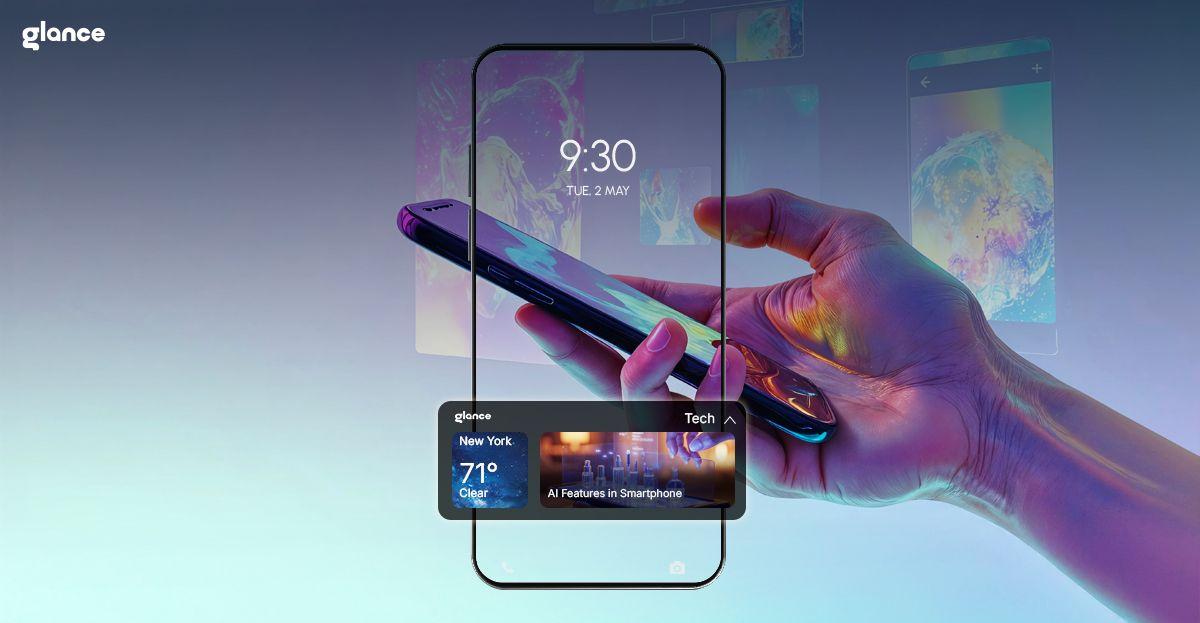
How AI Features in Smartphones Are Changing Our Daily Digital Experience
By 2027, over 1 billion smartphones will be equipped with generative AI capabilities. That's not just a number - it means your next phone will likely be smarter than your current laptop. The AI features in smartphones are already transforming how we interact with our devices, and Android features are at the forefront of this evolution.
Think about it - when was the last time you manually adjusted a photo's background, typed out a long search query, or opened multiple apps to check news, weather, and sports scores? Today's AI features in smartphones handle these tasks seamlessly, often before you even unlock your device. This shift from basic voice commands to intuitive, predictive assistance marks a new era in mobile technology.
The Evolution of Smartphone Intelligence
AI features in smartphones have come a long way since Siri's debut in 2011. Android features have evolved from simple predictive text to sophisticated AI-powered tools that transform how we use our devices. This evolution shows in everything from photo editing to voice recognition, making our phones more intuitive and helpful.
Current Landscape of AI Integration
Today's Android features include groundbreaking tools like Google's "Circle to Search," allowing users to search content from anywhere on their device through simple gestures. These AI features in smartphones demonstrate how far we've come from basic voice commands.
The shift to on-device processing, powered by advanced chipsets like MediaTek's Dimensity 9300 and Qualcomm's Snapdragon 8 Gen 3, has enabled AI features in smartphones to operate faster and more efficiently. Even before unlocking your phone, AI works for you - take Glance's smart lock screen, our feature for instance, which uses AIML to deliver personalized news, sports updates, and detailed weather forecasts right on your lock screen.
Key Android Features Powered by AI
Modern Android features leverage AI in several ways:
- Smart Photography: AI features in smartphones now include tools like Magic Editor and Object Eraser, transforming how we edit and perfect our photos.
- Virtual Assistance: Android features like AI Summariser provide quick call recaps, while Magic Compose helps craft the perfect message tone.
- Real-time Translation: AI features in smartphones break down language barriers, making global communication seamless.
- Predictive Behavior: Android features learn from your usage patterns, making your phone more personalized over time.
The Lock Screen Revolution
While we often focus on in-app AI features in smartphones, innovation starts at the lock screen. Glance's AI-powered lock screen experience shows how Android features can work smarter, not harder. By delivering personalized content and detailed weather analysis without requiring users to unlock their devices, it demonstrates how AI features can save time and enhance convenience.
Accessibility and Inclusion
Modern Android features prioritize accessibility. AI features in smartphones now include voice commands and screen readers that make devices more accessible to users with disabilities. These advancements show how technology can become more inclusive through the thoughtful implementation of AI features.
The Future is On-Device
The trend toward on-device AI processing is reshaping Android features. By 2027, over 1 billion smartphones will ship with generative AI capabilities. This shift means AI features in smartphones will become more responsive and secure, processing data locally rather than relying on cloud services.
What This Means for Users
The integration of AI features in smartphones affects how we:
- Interact with our devices (through enhanced Android features like gesture controls)
- Capture and edit memories (with advanced photo editing tools)
- Stay informed (through smart lock screen updates)
- Communicate across languages (with real-time translation)
The future of AI features in smartphones looks promising. As Android features continue to evolve, we can expect even more intuitive experiences. From enhanced photography capabilities to smarter predictive features, our phones will become even more adept at anticipating and meeting our needs.
Practical Applications Today
Current Android features demonstrate practical AI applications:
- Instant information access through smart lock screens like Glance, which delivers personalized news, sports updates, and detailed weather forecasts without unlocking your phone
- Enhanced photo editing capabilities with tools like Magic Editor and Object Eraser, allowing you to remove unwanted objects and adjust backgrounds seamlessly
- Improved message composition through AI-powered tools like Magic Compose and Chat Assist, helping you craft messages in the perfect tone
- Better accessibility options including real-time translation and voice commands, make smartphones more inclusive for users with different needs
- Smarter device optimization that learns from your usage patterns to extend battery life and improve overall performance while reducing app clutter
For businesses and developers, these AI features in smartphones open new possibilities for user engagement and service delivery. The ability to provide personalized experiences through Android features creates opportunities for meaningful connections with users.
In Conclusion
The adoption of AI features in smartphones continues to accelerate, making our devices more capable and intuitive. From intelligent lock screens that anticipate our needs to sophisticated photo editing tools and real-time translation capabilities, Android features are becoming more intuitive daily. As on-device processing becomes more powerful and AI integration deepens, we're moving toward a future where our phones aren't just tools but intelligent companions that enhance our digital experience while maintaining privacy and security. The next few years will likely reveal even more innovative applications of AI in our daily mobile interactions.



Your intelligent
shopping agent.







Your intelligent
shopping agent.