

New Technology in TV: How It's Revolutionizing Entertainment
Introduction
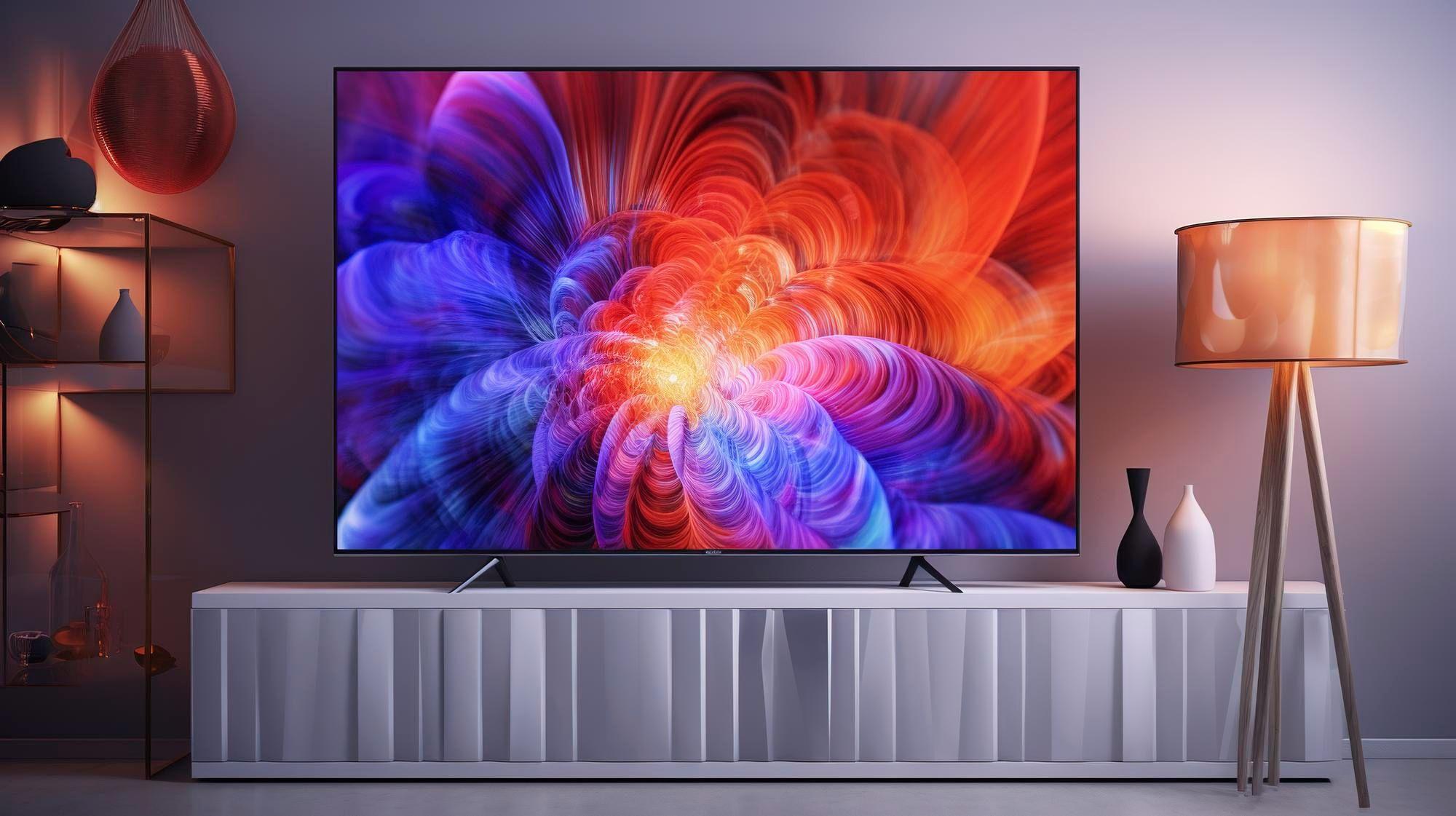
Television technology has evolved dramatically, transforming how audiences consume content. The advent of new technology in TV has introduced innovations like 8K resolution, OLED and MicroLED displays, AI-driven enhancements, and cloud-based streaming. These advancements are reshaping the entertainment industry, creating more immersive and personalized experiences for viewers.
This blog explores how new technology in TV is revolutionizing home entertainment, backed by statistics, industry trends, and future projections.
Evolution of TV Technology: A Quick Look at the Past
From Black & White to Ultra-HD
Era | Key TV Innovations |
| 1920s-1950s | Black-and-white TV sets |
| 1960s-1980s | Color TV became mainstream, and cable TV expanded |
| 1990s-2000s | The rise of HD (High-Definition) televisions |
| 2010s | Introduction of 4K UHD, OLED, and Smart TVs |
| 2020s & Beyond | 8K, AI-enhanced displays, interactive TV, and cloud-based platforms |
The Latest Trends in TV Technology
1. 8K Resolution: The Pinnacle of Ultra-High Definition Viewing
As the successor to 4K, 8K resolution delivers a stunning visual experience with four times the pixel density, offering unparalleled clarity, improved depth perception, and enhanced color accuracy. The level of detail is so precise that it replicates real-life visuals with extraordinary realism.
Market Insights & Growth Trends
The demand for 8K TVs is gradually increasing, driven by advancements in display technology and consumer interest in premium viewing experiences. According to Statista, global shipments of 8K TVs are projected to reach 3.3 million units by 2025, reflecting steady growth.
Challenges & Adoption Barriers
Despite its impressive capabilities, 8K adoption faces two major challenges:
- High Costs: 8K TVs remain expensive, making them inaccessible to the average consumer.
- Limited Content Availability: There is still a scarcity of native 8K content, as most streaming platforms and broadcasters have yet to adopt the format. Until more studios and networks produce 8K content, the full potential of these TVs remains untapped.
2. OLED & MicroLED Displays: The Future of Visual Excellence
The battle between OLED (Organic Light-Emitting Diode) and MicroLED is shaping the future of premium TV displays. Both technologies offer exceptional picture quality, but each has unique strengths.
OLED: Perfect Blacks & Infinite Contrast
- OLED panels produce self-emitting pixels, meaning each pixel can turn on or off independently.
- This results in perfect black levels, superior contrast, and stunning color accuracy.
- Additionally, OLED displays are thinner, more flexible, and energy-efficient compared to traditional LED panels.
MicroLED: The Next-Gen Contender
- MicroLED technology eliminates OLED’s burn-in issues, making it more durable and long-lasting.
- These displays offer higher brightness, better energy efficiency, and improved lifespan.
- MicroLED TVs are expected to dominate the high-end segment in the coming years.
Market Growth & Adoption
According to Market Research Future, the OLED TV market is forecasted to reach $22.57 billion by 2026, signaling strong consumer demand and continued innovation in display technology.
3. AI & Machine Learning: Smarter, Adaptive Viewing Experiences
AI-powered enhancements are revolutionizing how TVs optimize content and interact with users. Artificial intelligence is embedded into modern televisions to improve picture quality, sound, and user experience.
Key AI-Driven Features
- AI-Powered Upscaling: Lower-resolution content is upscaled to near 4K or 8K quality, ensuring every frame looks crisp and detailed.
- Voice Recognition & Smart Assistants: Integration with Google Assistant, Alexa, and Bixby enables seamless hands-free control.
- Adaptive Picture & Sound: AI dynamically adjusts brightness, contrast, and sound levels based on the room’s lighting and ambient noise.
AI-driven TVs are becoming intuitive, personalizing content recommendations, adjusting settings in real-time, and even recognizing user preferences over time.
4. Glance TV: AI-Powered Content Hub
Glance TV is redefining smart television by transforming it into an interactive content hub. Instead of a static screen, users get real-time updates on news, sports, weather, and entertainment. This AI-powered feature personalizes content based on user preferences, ensuring that even when the TV isn’t actively being watched, it remains engaging and informative.
5. Cloud-Based & Streaming TV: The Shift from Hardware to Software

The traditional cable TV model is being replaced by cloud-based solutions that offer flexibility and convenience.
Smart TV Adoption & Streaming Dominance
- Over 80% of households in developed nations now use Smart TVs with built-in streaming services.
- The OTT (Over-the-Top) market is booming, expected to reach $223.07 billion by 2028 (Source: Fortune Business Insights).
- Consumers now favor on-demand streaming platforms like Netflix, Disney+, and HBO Max, reducing dependency on traditional cable networks.
Cloud Gaming & Streaming
Cloud-based gaming is gaining momentum, allowing users to enjoy high-quality gaming experiences without expensive consoles. Platforms like Nvidia GeForce Now and Xbox Cloud Gaming enable gamers to stream titles directly on their Smart TVs.
This shift marks a future where TVs act as entertainment hubs, eliminating the need for bulky hardware.
6. Flexible & Rollable TVs: The Era of Shape-Shifting Displays
TVs are no longer confined to rigid screens. Flexible and rollable displays are pushing the boundaries of TV design, offering futuristic form factors that enhance portability and aesthetics.
Rollable Screens: The Future is Here
LG made history with the launch of the LG Signature OLED R, the world’s first rollable TV.
- Rolls into a compact base when not in use.
- Offers three different viewing modes: Full View, Line View, and Zero View.
- Priced at $100,000, making it an ultra-luxury product.
Future Innovations: Foldable & Shape-Shifting TVs
- Samsung and Sony are working on foldable TV prototypes that could allow screens to be resized on demand.
- Modular TV panels may enable users to create custom screen sizes based on their needs.
These innovations are set to redefine space-saving technology in home entertainment.
7. Interactive & Immersive TV Technology: Beyond the Screen
The next frontier of TV technology focuses on interactive and immersive experiences that bring viewers closer to the action.
Holographic & 360-degree Displays

- Holographic TVs: Companies like Looking Glass Factory are pioneering the development of holographic displays, which create 3D visuals without the need for special glasses.
- 360-Degree Viewing: Tech giants like Samsung and Sony are exploring wraparound displays that offer a panoramic, immersive experience.
- These technologies promise to blur the lines between digital and physical realities, creating a new dimension of home entertainment.
The Challenges of Adopting New Technology in TV
While new advancements in TV technology bring exciting features, there are challenges in adoption:
- High Costs: Advanced features like 8K and MicroLED displays significantly increase TV prices.
- Limited Content Availability: 8K content is still scarce, making it difficult for consumers to fully utilize the technology.
- Compatibility Issues: Some older devices and broadcasting standards may not support newer technologies.
- Data Privacy Concerns: Smart TVs collect vast user data, raising cybersecurity risks.
The Dark Side of Technology: Screen Addiction & Its Hidden Effects
While new technology in TVs and streaming platforms have transformed entertainment, excessive screen time has downsides. Let’s explore how technology addiction affects us and what the future of TV holds.
1. The Screen Time Dilemma
With endless content available on-demand, people spend more time watching than ever before. Binge-watching culture keeps viewers hooked, often leading to long hours of passive consumption. This can reduce real-world social interactions and create an instant gratification cycle that affects focus and patience.
2. Eye Strain & Sleep Disruptions
TVs and screens emit blue light, which can strain the eyes and disrupt sleep cycles. Digital eye strain causes headaches, dryness, and fatigue, especially with prolonged exposure. Reduced melatonin production from blue light affects sleep quality, making it harder to unwind before bed.
3. The Sedentary Lifestyle Trap
More TV time often means less physical activity, leading to potential health risks. Sitting for long hours can cause poor posture, back pain, and muscle stiffness. A sedentary lifestyle is also linked to higher risks of obesity and heart disease, making movement and screen breaks essential.
4. Mental Health Impact
Excessive screen use can negatively impact mental well-being and emotional health. Consuming too much content can lead to anxiety, stress, and even depressive symptoms. Over-reliance on digital entertainment may also cause social isolation, limiting meaningful real-world interactions.
The Future of TV: What’s Next?
Despite these challenges, television is evolving into a smarter, more immersive, and eco-friendly experience.
1. AI-Powered Personalization
AI and machine learning are enhancing TV experiences with smarter recommendations based on user preferences. Features like adaptive pictures and sound will automatically adjust settings for the best viewing experience in any environment.
2. Virtual & Augmented Reality Integration
Augmented Reality (AR) and Virtual Reality (VR) will take TV interaction to the next level. AR overlays in sports and live shows will provide real-time stats and analysis. Meanwhile, VR streaming will create fully immersive entertainment experiences, making viewers feel inside the action.
3. Sustainable & Eco-Friendly Innovations
TV manufacturers are focusing on energy efficiency and sustainability. Future models may feature solar-powered components, recyclable materials, and lower energy consumption to reduce environmental impact. As a result, TVs will become more eco-conscious without sacrificing performance.
4. 5G & Cloud Streaming Revolution
With 5G and edge computing, streaming will be faster and smoother. Ultra-low latency will eliminate buffering, making high-quality cloud gaming and live events seamless. Cloud-based gaming platforms will also allow users to play high-end games without expensive consoles.
Conclusion
The television industry is undergoing a transformative phase, fueled by AI, interactivity, and groundbreaking display innovations. From new technology in TV like AI-powered personalization to immersive 8K visuals, the future promises a more engaging and tailored experience for viewers. However, challenges such as high costs and cybersecurity concerns must be addressed to ensure smooth adoption.
As we move forward, the balance between innovation and responsible usage will be key. Whether it’s smarter recommendations, cloud gaming, or interactive features like Glance TV, the television landscape is evolving rapidly, making our viewing experience more intelligent and immersive than ever before.
FAQs
How will technology change entertainment in the future?
TV technology will continue evolving with AI-driven personalization, interactive content, and immersive experiences like VR and AR.
What is the future technology for TV displays?
The future of TV displays is moving toward brighter, thinner, and more adaptive technologies. MicroLED is emerging as the next major upgrade thanks to its exceptional brightness, contrast, and long lifespan, while advanced OLED variants promise higher efficiency and richer color. TVs will also evolve into new formats such as rollable, transparent, and holographic displays, supported by AI-driven picture and sound enhancement for a more immersive viewing experience.
What is the latest technology in TV?
The latest TV technology is centered on brighter, more color-accurate, and more intelligent displays. MicroLED and QD-OLED lead the newest wave with superior contrast, color performance, and longevity, while Mini LED pushes LCD TVs to higher brightness and precision. Modern TVs also feature AI-powered upscaling, advanced processors, faster refresh rates, and seamless smart interfaces that support cloud streaming and voice-controlled assistants.
What is a new development in TV technology?
A major new development in TV technology is the shift toward smarter, more adaptive displays powered by AI and next-gen hardware. Modern TVs now use Mini-LED and advanced OLED panels for higher brightness and richer contrast, while AI engines optimize picture and sound in real time. New formats like rollable and transparent screens are emerging, and features such as cloud gaming, enhanced streaming, and AI-driven idle screen content are redefining how users interact with their TVs.


Your intelligent
shopping agent.







Your intelligent
shopping agent.