

10 Valentine’s Day Outfit Ideas to Wow Your Date
Non-Binary Fashion Meets AI Identity Styling
TL;DR
- Non-binary fashion is more than a look; it’s a feeling of being accurately seen and styled.
- AI identity styling is the tech that reads your mood, body cues and identity to offer inclusive choices.
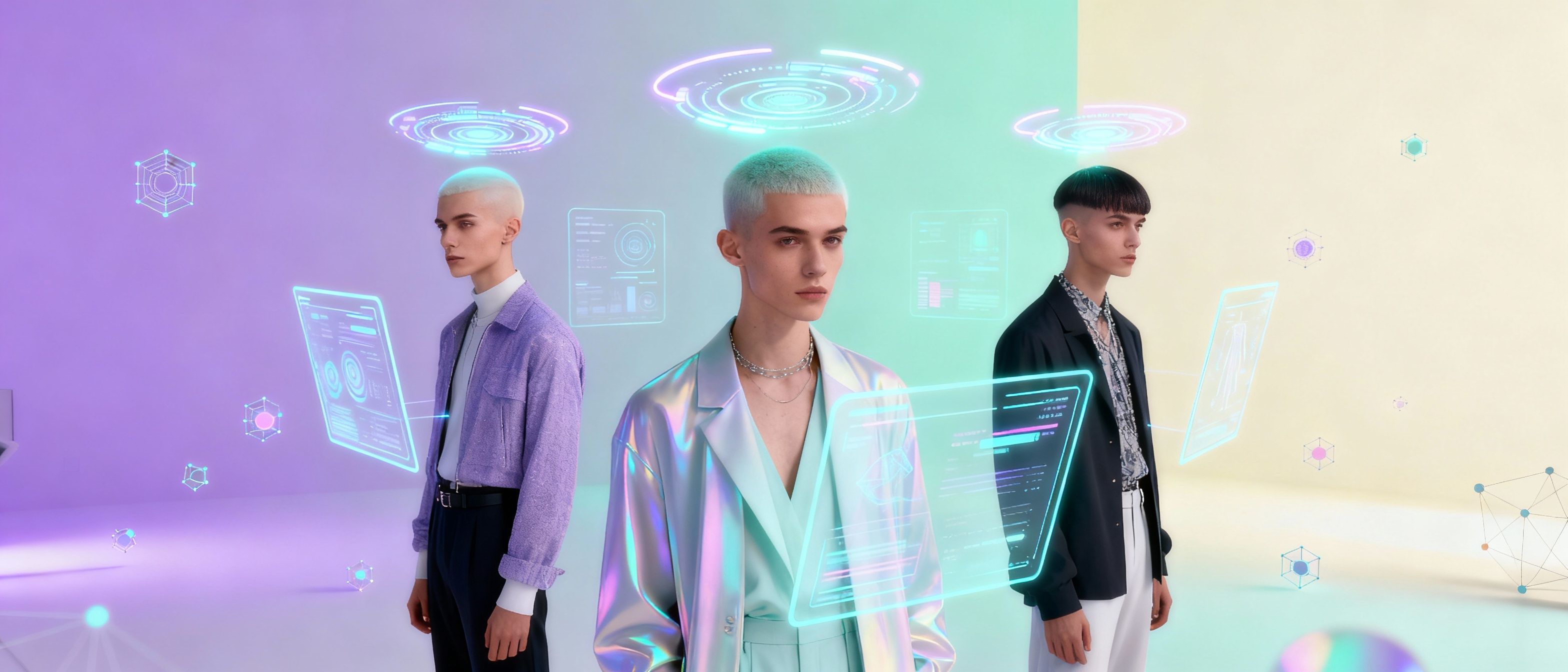
- In today’s world of inclusive fashion, platforms like Glance act as intelligent shopping agents, shaping real time discovery and boosting non-binary fashion .
For many gender-diverse individuals, style isn’t just what you wear, but how you feel in it. The term gender euphoria captures the moment when clothes, colors and silhouettes align with identity and the mirror stops being a battleground. Today, inclusive fashion allows nonbinary and gender-diverse people to dress for confidence, not categories. Meanwhile, AI identity styling is changing the game: instead of prescriptive “men’s” or “women’s” labels, algorithms learn what works for you, adapting to mood, body and context.
This article explores how fashion and tech combine to build authentic non-binary fashion and how Glance’s intelligent shopping agent helps you find that fit before you even know you need it.
Why Gender Euphoria Matters in Fashion
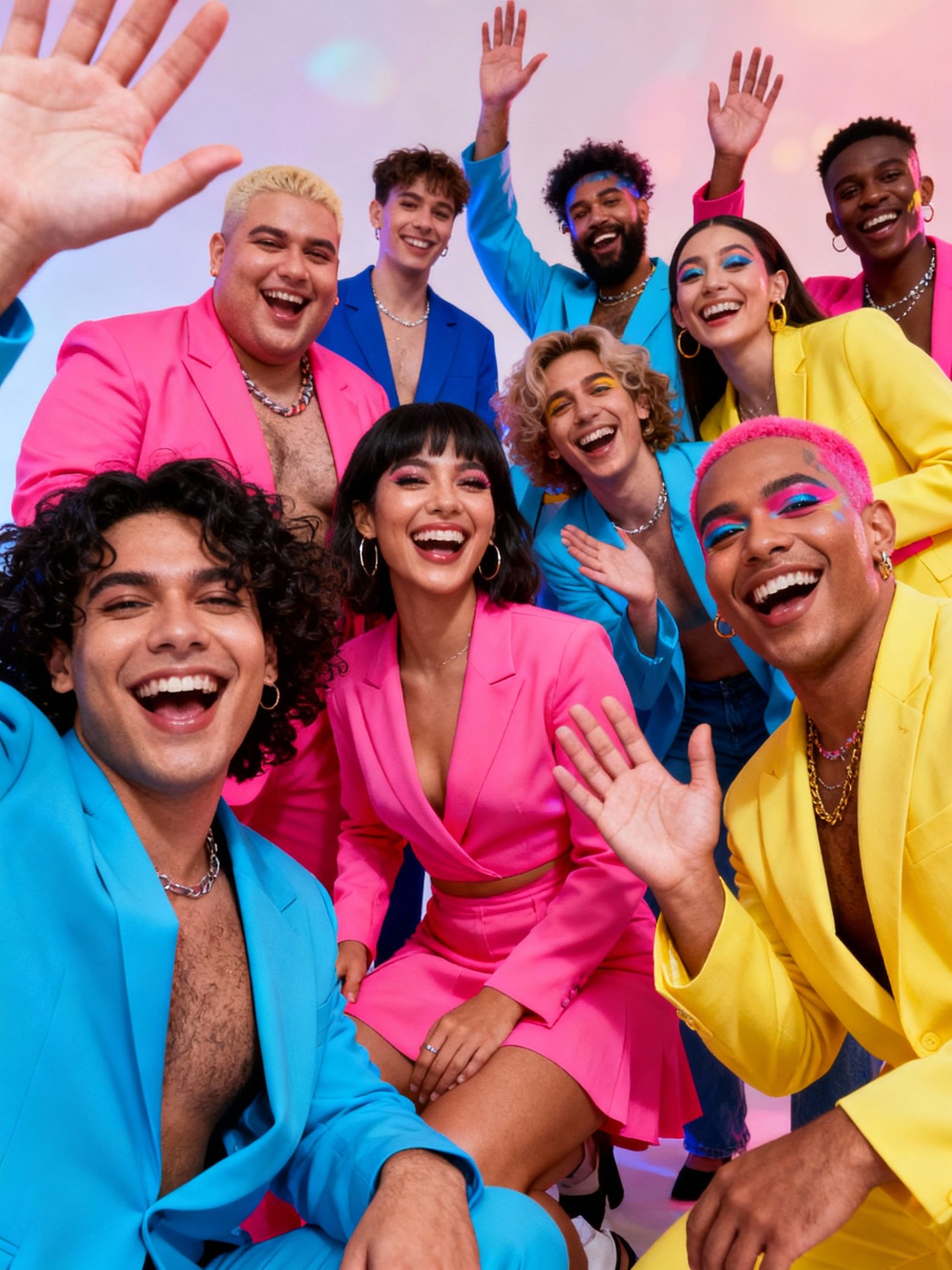
Clothing has long been a mode of identity, yet for non-binary and gender-diverse people it often signals discomfort or compromise. Boosting non-binary fashion means moving past gendered sizing, rules and expectations.
- Gender euphoria is the flip-side of gender dysphoria: instead of fighting the outfit, you’re embracing it.
- Research shows ~1.2 million U.S. adults identify as nonbinary.
- That level of visibility means inclusive fashion is no longer niche, it’s core.
- When fashion affirms identity, it supports well-being, visibility and confidence.
Did you know?
In the 1920s, Coco Chanel scandalized Paris by popularizing trousers for women — a move that blurred gender lines long before “non-binary fashion” was even a term.
Breaking the Binary: Evolution of Inclusive Fashion
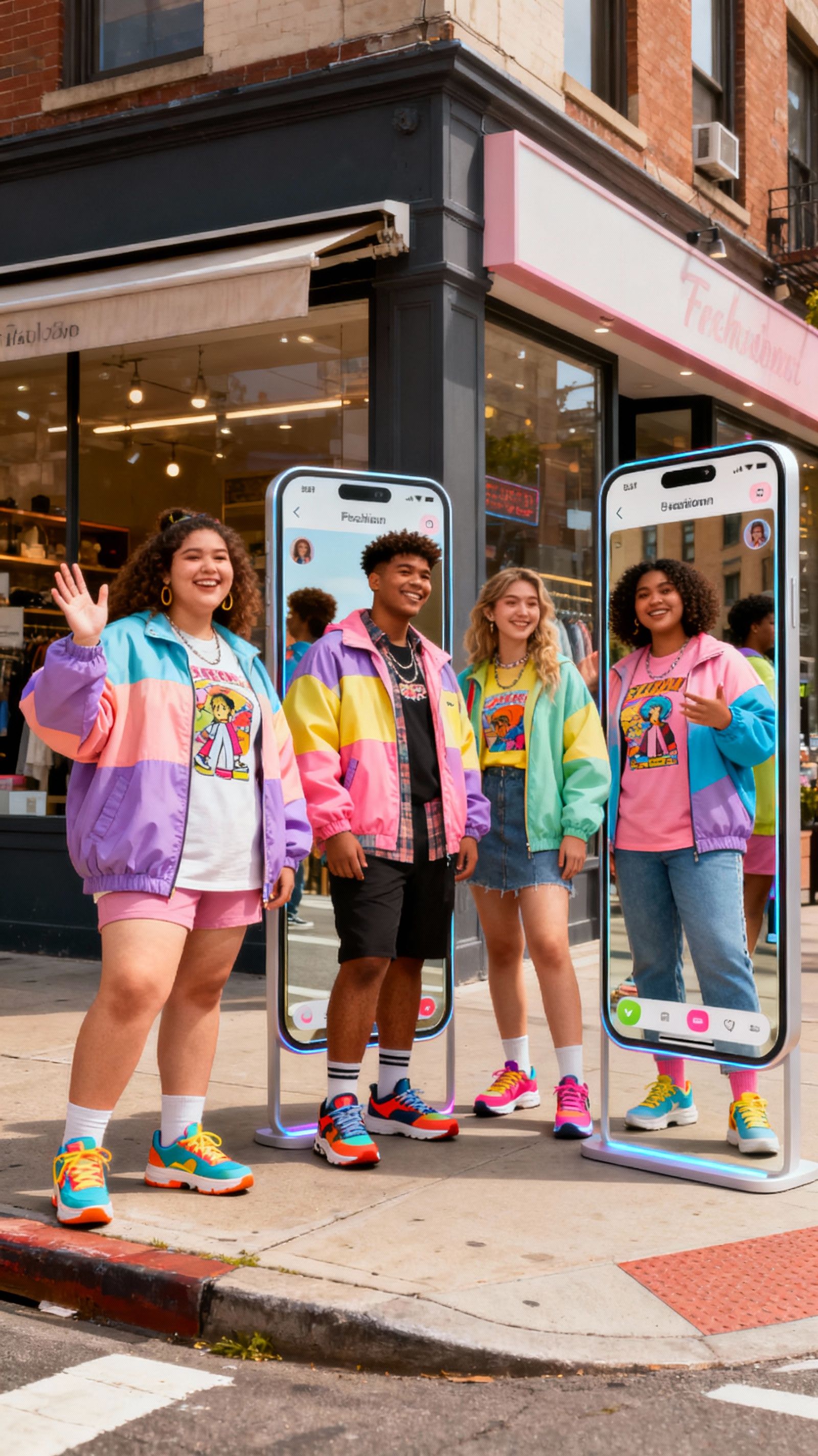
The narrative of fashion is shifting from “male/female” to “you/your identity.”
- A 2022 survey found 36% of U.S. consumers had purchased fashion outside their gender identity.
- Studies show ~50% of Gen Z believe traditional gender norms are outdated.
- Brands are responding from gender-neutral lines to full inclusive collections.
This shift is at the heart of inclusive fashion. Non-binary fashion emerges when you’re offered choices rooted in your identity, not your assigned gender.
What “The Algorithm” Really Does
AI identity styling isn’t just trend-matching. It’s about recognizing you: your size, your vibe, your mood, your history.
Here’s how the algorithm at work:
- It analyzes fit preferences, color choices, how long you linger over items.
- It notices pattern shifts, maybe you’ve paused more often on oversized denim lately.
- It curates mood-based recommendations: relaxed fits when you’re in comfort mode, sharper cuts when you lean energy.
- Importantly, modern systems strive to reduce bias by using self-identified data rather than assuming gender.
For example, according to a 2025 industry report: 61% of consumers are more likely to buy from brands offering personalized experiences.
Non-binary fashion rises when the tech doesn’t ask “male or female?” but “what’s you today?
Gender Euphoria in Practice: Personalization and Discovery
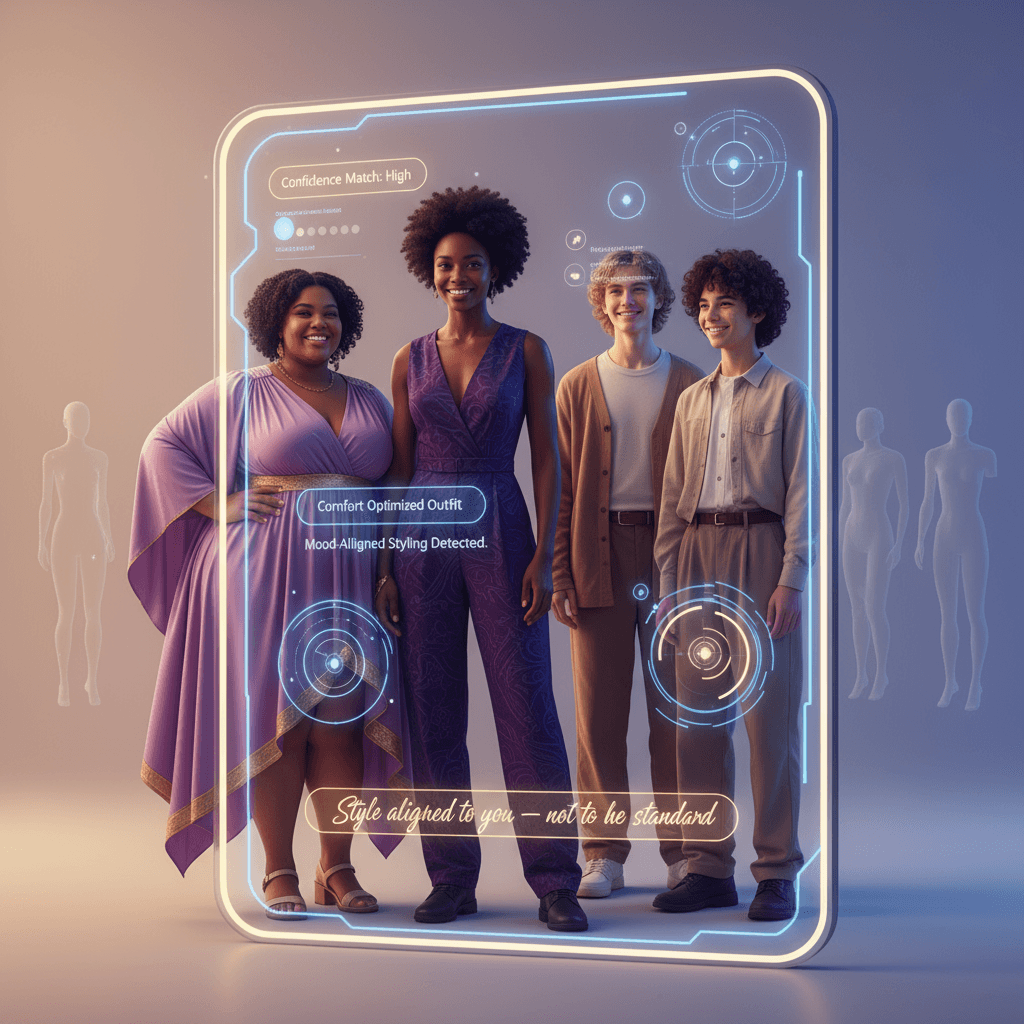
Here’s how inclusive fashion meets tech in real life:
Example application: On Glance, your “AI Twin” evolves. You browse items, toss aside some, save others. The next time you open the app, suggestions reflect your vibe: fluid silhouettes, soft textures, gender-independent cuts. This spark leads to non-binary fashion, that moment when the outfit isn’t just inclusive, it’s you.
Feature | User Gets | Confidence Boost |
Mood/context feed | Outfit suggestions based on time, weather, mood | Feeling seen and comfortable |
Size & identity-flex | Fit options transcend gender boxes | Real fit, not “men’s” or “women’s” |
Adaptive learn-loop | System learns your evolving style | Style grows with you |
And because AI identity styling is intelligent shopping, not just a try-on tool, every interaction is part of a larger journey toward identity alignment.
Challenges and Opportunities
Inclusive fashion and AI have huge potential, but they also come with caveats.
- Algorithmic bias can reinforce stereotypes if data sets are narrow.
- Intersectionality matters: body size, race, gender identity all intersect and must be considered.
- The opportunity: design systems built by people with diverse identities. That elevates non-binary fashion from concept to lived reality.
Conclusion
The future of fashion isn’t about erasing gender; it’s about amplifying identity. Gender euphoria styling means your clothes and the algorithm behind them don’t impose a label, they reflect a feeling. With AI identity styling, platforms like Glance become your intelligent shopping agent: listening, learning and styling you before you ask. When technology meets authenticity, inclusive fashion becomes more than choice it becomes confidence. And that’s the new style frontier.
FAQs
Q1: What does non-binary fashion mean?
Non binary fashion refers to clothing and styling that move beyond traditional male or female categories. It embraces gender neutral and androgynous pieces that allow people to mix silhouettes, colors, and details freely. The focus is on comfort, self expression, and authenticity, giving individuals the freedom to dress without gender rules or expectations shaping their style choices.
Q2: How does AI styling work in fashion apps?
AI styling in fashion apps works by using machine learning and computer vision to analyze user data such as body type, preferences, browsing behavior, past purchases, and even weather or occasions. The system identifies patterns and style rules to generate personalized outfit recommendations, virtual try ons, and mix and match suggestions that feel relevant, practical, and tailored to each user.
Q3: Is AI fashion really inclusive for non-binary users?
AI fashion can be inclusive for non-binary users when it moves beyond gendered categories and focuses on fit, comfort, and personal style preferences. The most effective systems use adaptive sizing, flexible silhouettes, and preference based inputs instead of male or female labels. While progress is ongoing, well designed AI helps non-binary users shop with greater confidence and relevance.
Q4: Which brands support non-binary fashion in the U.S.?
Several U.S. brands actively support non-binary fashion by designing clothing beyond traditional gender norms. Labels like Wildfang, TomboyX, Kirrin Finch, Telfar, Big Bud Press, and Phluid Project focus on gender neutral fits, inclusive sizing, and fluid silhouettes. These brands prioritize self expression, comfort, and representation across everyday wear and statement pieces.
Q5: How is Glance different from other AI fashion apps?
Glance focuses on identity styling through behavioral signals, not avatars or filters creating a truly context-aware shopping journey.
Download the Glance AI app now


Your intelligent
shopping agent.

Download Glance from





Your intelligent
shopping agent.
Download Glance from