


Color Theory Clothing: The Science of Looking Radiant
TL;DR
Ever wonder why some colors make you pop while others make you look tired? It’s not luck—it’s physics. Mastering color theory clothing is the key to moving from just "wearing clothes" to creating a harmonious visual identity. By using Glance as your intelligent shopping agent, you can bypass the guesswork; the agent analyzes your unique biological markers to surface a personalized feed of shades that truly work with your skin, hair, and eyes.
Have you ever put on a shirt that everyone said looked great on you, yet when you looked in the mirror, you felt like you were disappearing? Or perhaps you’ve worn a specific shade of yellow that made you look like you hadn’t slept in a week, while your friend wore the exact same hue and looked radiant. This isn't a coincidence or a matter of "pulling it off." It’s physics. Understanding color theory clothing is the secret to moving from just "wearing clothes" to "creating harmony."
For many of us, picking out an outfit is a game of chance. We stick to "safe" neutrals like black or navy because they are easy. However, by mastering color theory clothing, you unlock a visual language that communicates confidence and health before you even speak. This guide will break down how colors interact with your natural biology and how you can use the color wheel to build a wardrobe that actually works for you.
From Primal Pigments to Predictive Pixels: The Evolution of Color
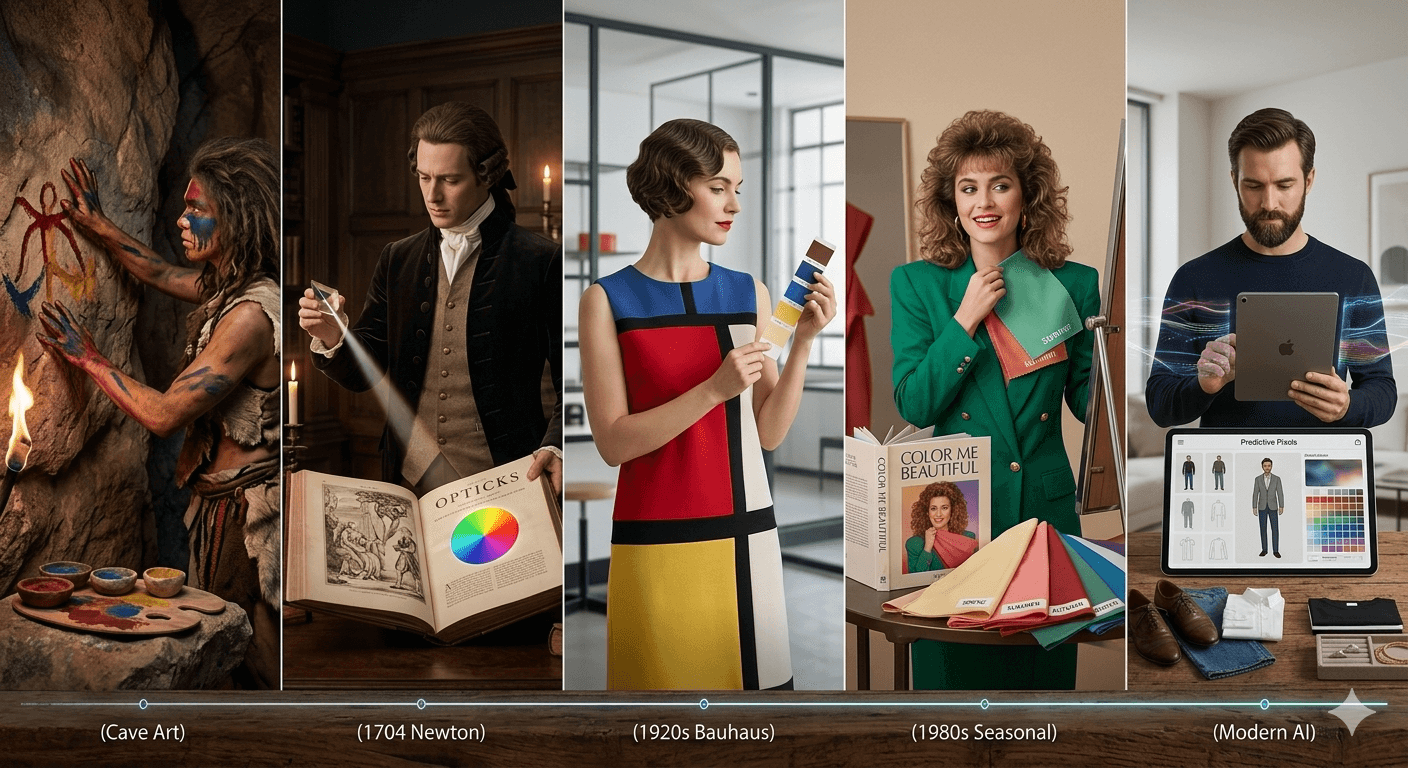
- The Ancient Instinct: Long before the invention of the mall, the relationship between humans and color was a primal obsession. Humans used rare pigments to signal status, identity, and tribal belonging. Color wasn't a choice; it was a social rank.
- 1704 – The Scientific Breakthrough: A pivotal moment in the history of color theory clothing occurred when Sir Isaac Newton published Opticks. Newton was the first to realize that light wasn't colorless, but rather a spectrum of hues. By creating the first color wheel, he provided the fundamental tool that remains the "North Star" for every fashion designer today.
- The Early 20th Century – The Bauhaus Shift: Johannes Itten, a teacher at the legendary Bauhaus school, took this theory from the lab to the body. He noticed how different colors dramatically affected the complexions of his students. Itten realized that color wasn't just an external "decoration" but something that reacted chemically and visually with the human form.
- The 1980s – The "Seasonal" Revolution: This eventually led to the "Seasonal Color Analysis" craze, popularized by Carole Jackson’s landmark book Color Me Beautiful. This era taught millions how to categorize themselves into Spring, Summer, Autumn, or Winter.
- The Modern Era – Personalization & Data: Today, we’ve moved past those rigid categories. We now embrace a more fluid understanding of how color theory clothing can be personalized through technology, AI-driven feeds, and real-time data.
The Biological Foundation: Finding Your Personal Canvas
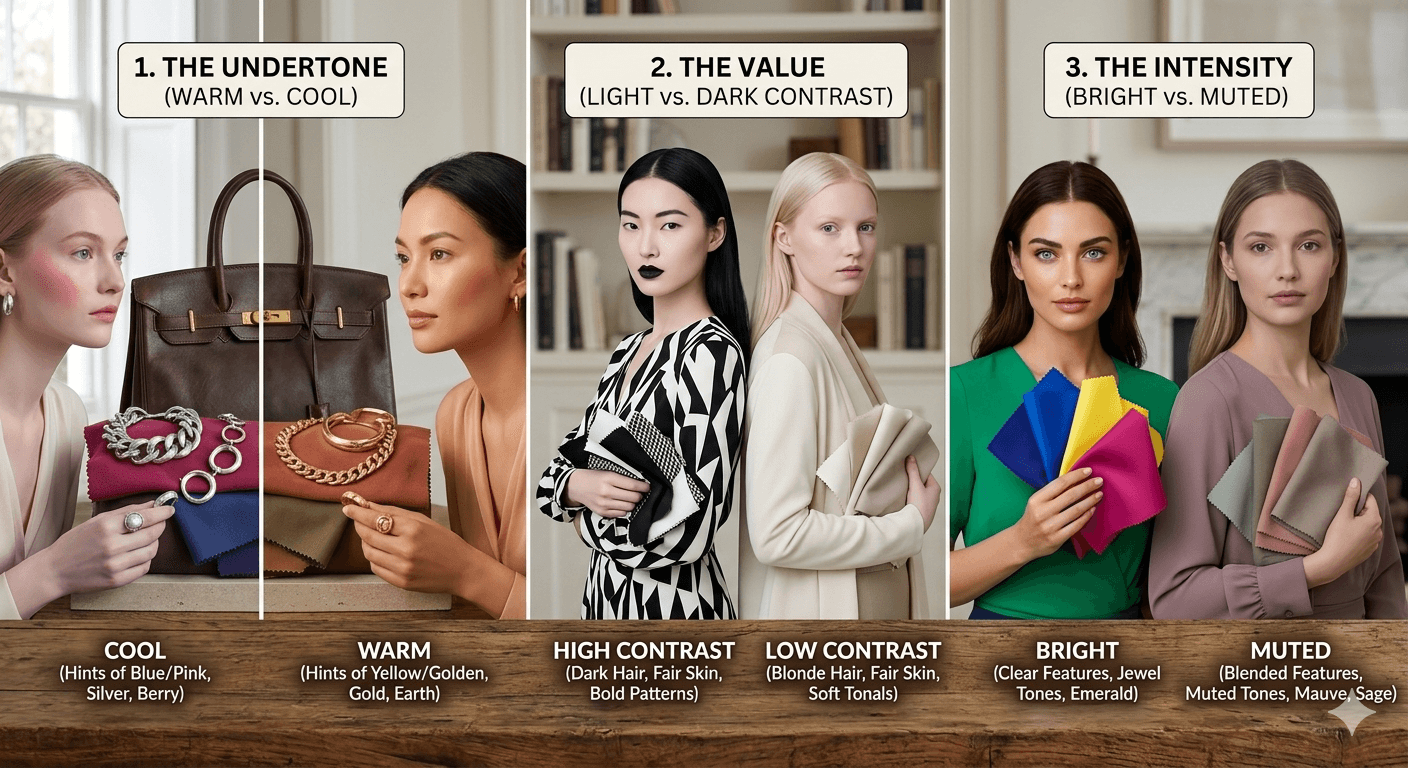
Before you can pick the right clothes, you have to understand the "canvas" they sit on: your skin, hair, and eyes. In color theory clothing, we focus on three main pillars: Undertone, Value, and Intensity.
1. The Undertone (Warm vs. Cool)
Your undertone is the color just beneath the surface of your skin. Unlike a tan, it never changes. According to experts at The Concept Wardrobe, wearing the wrong undertone is what causes the "washed out" look.
- Cool Undertones: Have hints of blue, pink, or red. These individuals usually look best in silver jewelry and "berry" tones.
- Warm Undertones: Have hints of yellow, peachy, or golden. These individuals often find that gold jewelry and "earth" tones make their skin look clearer.
2. The Value (Light vs. Dark)
This refers to the "depth" of your coloring. Do you have a high contrast (dark hair with very fair skin) or low contrast (blonde hair with fair skin)? Color theory clothing suggests that your outfits should mimic the contrast found in your face. A high-contrast person can handle bold, black-and-white patterns, while a low-contrast person might be overwhelmed by them, looking better in soft tonals.
3. The Intensity (Chroma)
Are your features "bright" and "clear," or are they "soft" and "muted"? If you have piercing blue eyes and high-shine hair, you can handle high-intensity colors like emerald green. If your features are more blended and softer, "dusty" or muted colors like sage or mauve will feel more natural.
Master the Wheel: 3 Formulas for Instant Outfit Harmony
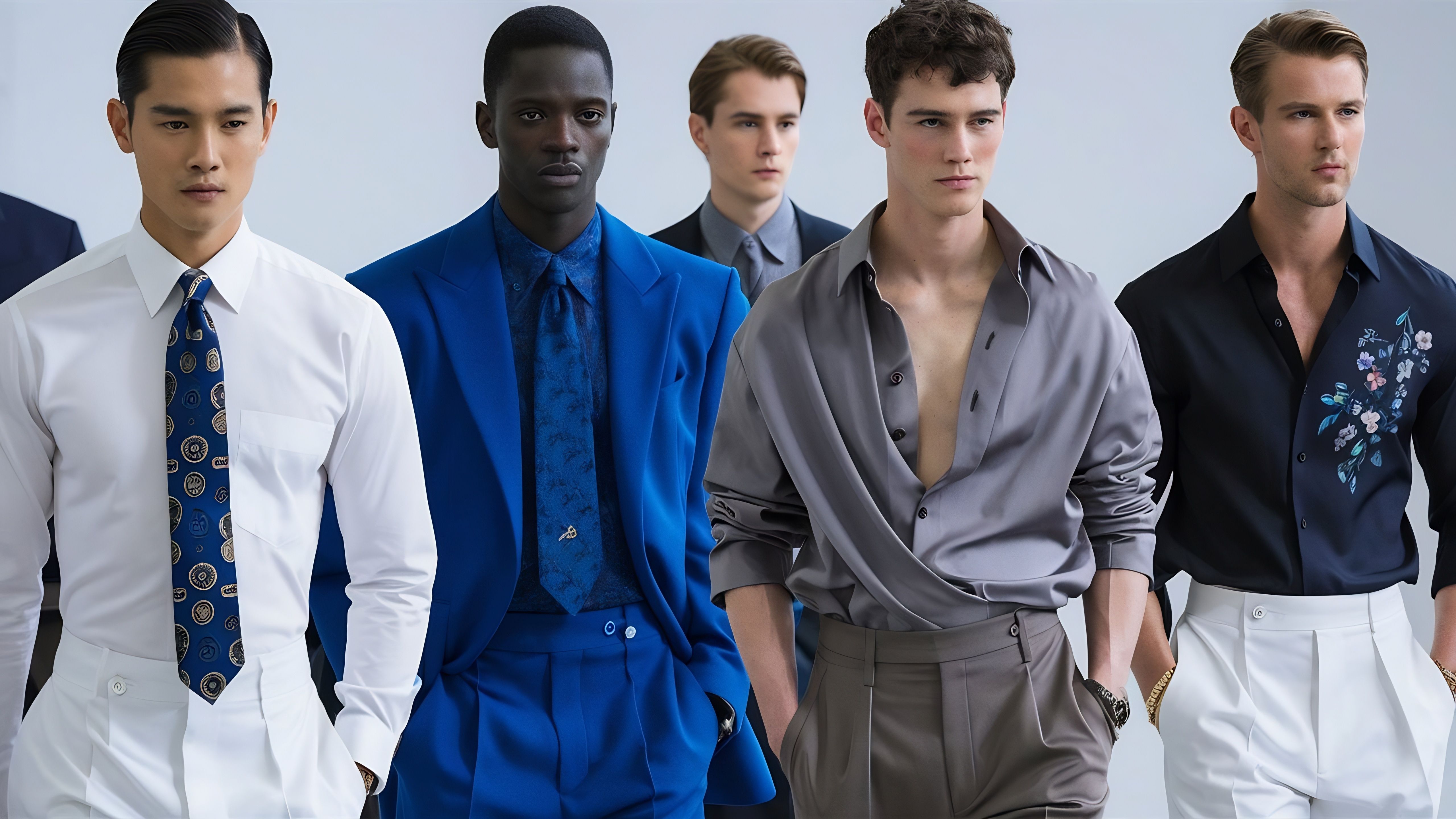
Once you know your personal "season," you need to know how to move around the color wheel. This is the "logic" side of color theory clothing. By following these three classic formulas, you can stop guessing if your pants "go" with your shirt.
| Formula Type | How it Works | The "Vibe" |
| Complementary | Choosing colors directly opposite each other (e.g., Blue and Orange). | High energy, bold, and authoritative. |
| Analogous | Choosing 3 colors that sit next to each other (e.g., Blue, Blue-Green, Green). | Calming, sophisticated, and easy on the eyes. |
| Monochromatic | Using different tints and shades of a single hue (e.g., Sky blue, Navy, and Royal blue). | Sleek, lengthening, and expensive-looking. |
The 60-30-10 Rule in Fashion
A great trick borrowed from interior design and applied to color theory clothing is the 60-30-10 rule.
- 60% Primary Color: Usually your suit, dress, or main coat.
- 30% Secondary Color: Your shirt or trousers.
- 10% Accent Color: Your tie, pocket square, shoes, or jewelry. This prevents the "clown effect" where too many bold colors fight for attention.
The Psychology of Pigment: What Your Clothes Are Saying
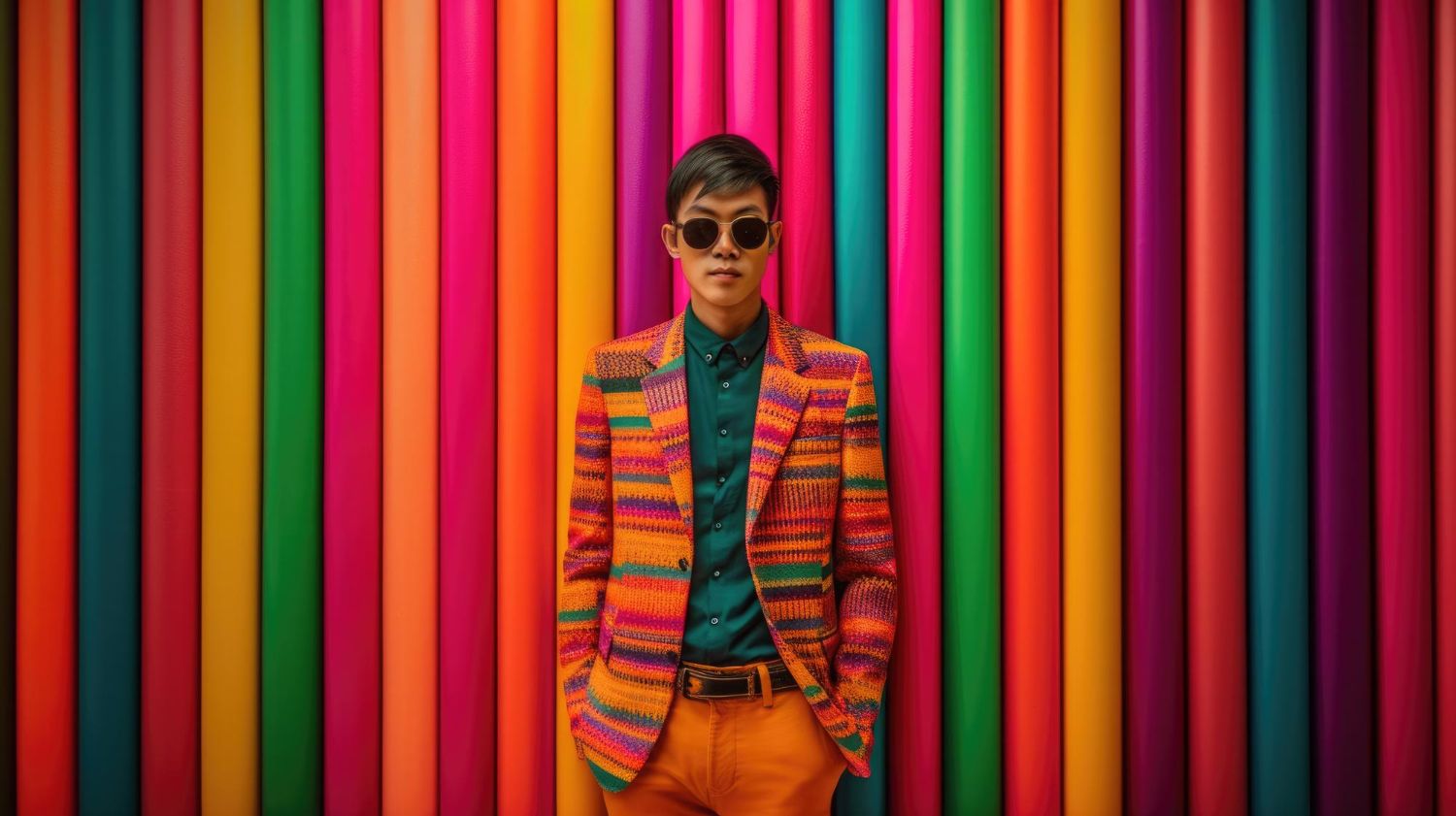
Color is a form of non-verbal communication. Research from Permanent Style suggests that the psychological weight of a color can change the way people perceive your competence and warmth.
- Blue: Globally the most "trusted" color. It suggests stability and reliability. Darker navies are authoritative, while lighter blues are approachable.
- Red: Increases heart rates. It is the color of passion and power. In color theory clothing, wearing red is a "power move" often used in negotiations or presentations.
- Green: Associated with growth and calmness. It is the easiest color for the human eye to process, making it a great "all-day" color for social settings.
- Yellow: Associated with happiness and energy, but it can be fatiguing to look at for long periods. Use it sparingly as an accent.
The Intelligence Loop: How the Agent Solves the Color Puzzle
The hard part about color theory clothing has always been its subjectivity. Glance solves this by turning a "human problem" into a data-driven personal reality through a simple three-step intelligence loop:
- Analyze: You upload a single selfie; the agent identifies your specific biological markers, such as your unique skin undertones and contrast levels.
- Synthesize: The system processes your visual features against broader style contexts—considering how specific palettes interact with your aesthetic
- Personalize: It generates a shoppable feed and editorial-quality moodboards.
Instead of navigating the color wheel yourself, the agent effectively applies the rules of color theory clothing behind the scenes, leaving you free to simply focus on the styles you love.
Practical Steps to Master Color Theory Clothing
If you want to transition your wardrobe into a more harmonious state, you don't have to throw everything away and start over. Follow this listicle to audit your current closet:
- The Natural Light Test: Take your favorite pieces of clothing and hold them up to your face in front of a window. If the color makes your under-eye circles look darker, it’s not in your palette. If it makes your eyes sparkle, it’s a winner.
- Audit Your Neutrals: Not all blacks and whites are created equal. Warm types should swap stark white for cream or ivory. Cool types should swap brownish-blacks for charcoal or true black.
- The "Bridge" Piece: If you love a color that doesn't fit your color theory clothing profile, wear it away from your face. A pair of "wrong-color" trousers is fine as long as the shirt near your skin is in your "right" color.
- Hardware Harmony: Check your accessories. If you have cool undertones, gold jewelry can look "heavy" or "dirty" on your skin. Switching to silver or white gold can provide an instant lift.
- Utilize Intelligent Feeds: Use tools like the Glance, shopping feed to experiment. Since the agent learns your preferences over time, it will begin to surface items that match both your "season" and your evolving personal taste.
Closet DNA: Turning Harmony into Financial Savings
Investing time into color theory clothing isn't just a vanity project; it’s a sustainable financial move. Data from the Global Fashion Business Journal indicates that the average consumer only wears about 20% of their wardrobe regularly. The primary reason for "closet orphans" (items bought but never worn) is a color mismatch.
When you buy within a specific color harmony, your wardrobe becomes "modular." Everything starts to match everything else. This reduces the "cost-per-wear" of your items because you are no longer buying one-off pieces that require a completely new pair of shoes or a specific jacket to work. By sticking to your color theory clothing profile, you essentially create a "capsule wardrobe" by default.
Conclusion: Your Most Radiant Self
Mastering color theory clothing is like finally getting the right prescription for your glasses—suddenly, everything is in focus. You stop fighting against your natural features and start working with them instead. Whether you are using a traditional color wheel or the AI-powered curation of an intelligent shopping agent, the goal is the same: to make sure that when you walk into a room, people see you first, and your clothes second.
Style is a tool for self-expression, but it is also a tool for self-respect. When you take the time to understand the science of your own appearance, you carry yourself differently. You don't need a massive budget or a runway body to look extraordinary; you just need to understand the light.
FAQs About Color Theory Clothing
- How do I find my color theory clothing palette?
Start with the "Natural Light Test." Hold clothes up to your face near a window; if a color makes your under-eye circles darker, it’s not for you. If it makes your eyes sparkle, it’s a winner. You can also use an intelligent agent like Glance to analyze your undertones automatically. - What is the difference between warm and cool undertones?
Cool undertones have hints of blue or pink and look best in silver. Warm undertones have hints of golden or peach and look best in gold. Matching your clothes to these undertones prevents you from looking "washed out." - What is the 60-30-10 rule in fashion?
It’s a balance formula: 60% of your look is a dominant color, 30% is a secondary color, and 10% is an accent. This prevents "color clashing" and ensures your outfit looks intentional and curated. - How does Glance help with choosing the right colors?
Glance acts as an intelligent shopping agent that helps you visualize how different shades look on your specific features. It curates a personal feed of clothing based on your profile, allowing you to see which colors make your natural features pop before you make a purchase.
Download the Glance app now





Your intelligent
shopping agent.







Your intelligent
shopping agent.