


7 Benefits of Virtual Shopping Assistants for Smart Shopping
TL;DR
Virtual shopping assistants are becoming essential because they simplify decision making, reduce impulse purchases, and guide shoppers toward products that actually match their needs. They cut support queries by up to 70 percent and can boost sales by 23 to 300 percent. With platforms like Glance offering personalized discovery and virtual try-ons, shoppers get faster, smarter, and more confident buying experiences without the usual overwhelm.
Shopping has become faster, louder, and far more impulsive than ever. We jump from product to product, swipe through endless feeds, and fill carts at lightning speed. Yet the result is often the same: regret, returns, and that familiar “Why did I buy this?” feeling.
Virtual shopping assistants are quietly rewriting this story. With AI personalization, real-time guidance, and intelligent suggestions, they’re helping shoppers make choices that stick. No guesswork. No impulse chaos. No regret spiral.
And consumers are noticing.
The global virtual shopping assistant market is already accelerating toward US$8.5 billion by 2032, growing at 12.6% CAGR — powered by mobile-first shopping behavior and AI-enhanced decision-making. Brands aren’t investing in these tools for fun; they’re doing it because they work.
Why?
Let’s learn it together!
What Virtual Shopping Assistants Actually Do?
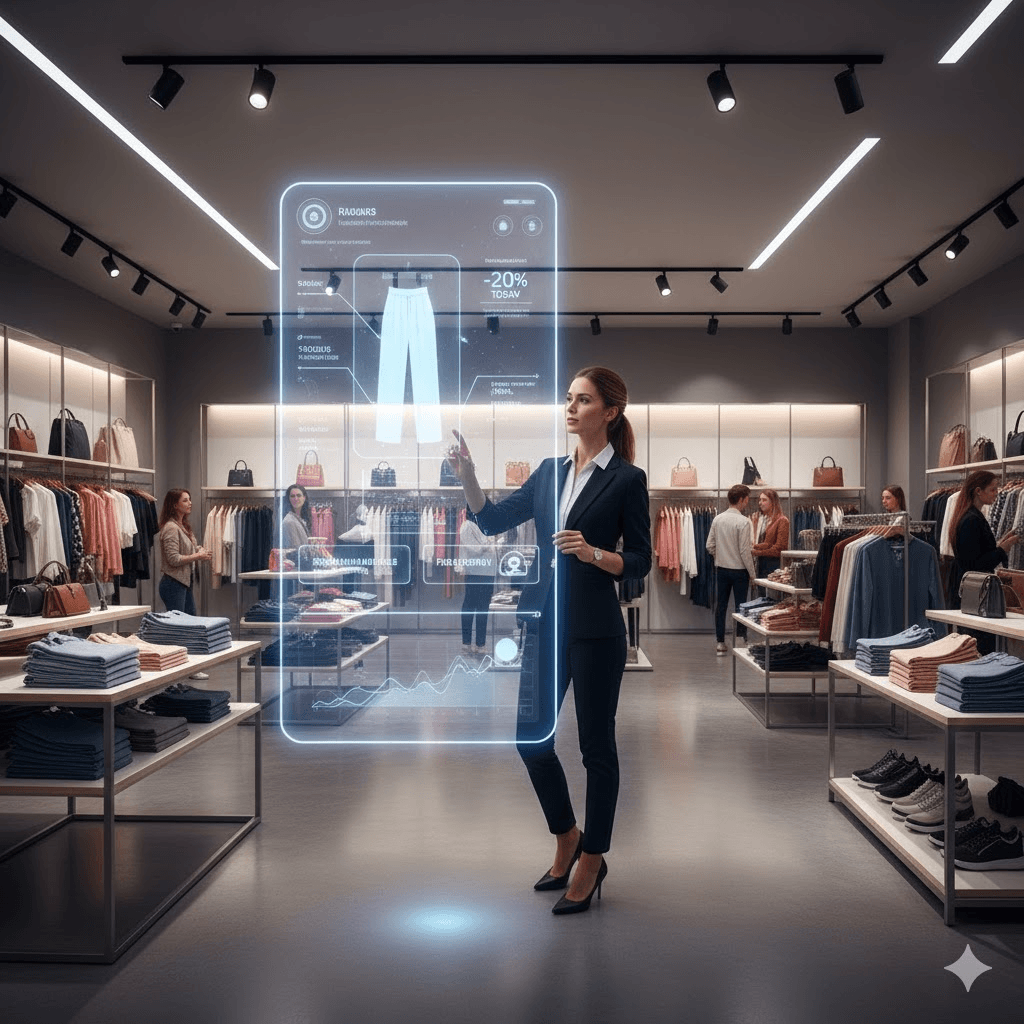
1. They Improve Your Instant Shopping Habits
We buy fast and regret faster — virtual assistants change the cycle.
Humans are impulsive creatures. Instant gratification is baked into our modern shopping habits. We see something shiny, buy it, and deal with the consequences later. That’s why returns pile up, wardrobes feel mismatched, and budgets take a hit.
A virtual shopping assistant changes this pattern by adding a moment of intelligent pause. Not a blocker — a guide.
Instead of clicking “Buy Now” in a rush, you get:
- Recommendations based on your past choices
- Fit guidance that reduces size mistakes
- Visual previews or outfit simulations
- Signals about quality, alternatives, and price trends
This replaces emotional impulse shopping with data-backed confidence.
Platforms like Glance, for example, let you preview outfits and understand how pieces interact with your existing wardrobe. Seeing it before you buy stabilizes the decision. It turns impulse into intention.
2. They Reduce Return Rates and Buyer’s Remorse
Returns are a symptom of the “fast regret” cycle; the thing we vowed to avoid this year but keep doing anyway.
Virtual shopping assistants help by offering:
- Realistic product previews
- Style suggestions that fit your habits
- Smart size recommendations
- Early detection of items that don’t suit your preferences
That tiny bit of AI-powered guidance dramatically reduces misfires. No brand invests millions into these systems without proof: virtual assistants reduce support queries by up to 70% and boost sales/leads by 23–300% because shoppers feel sure of what they’re buying.
Confidence cuts regret.
3. They Personalize Your Shopping Experience
Personalization used to mean “recommendations people like you also bought.”
Now it means:
- Style patterns
- Mood-based preferences
- Occasion insights
- Body-specific recommendations
- Behavioral context (time of day, season, browsing history)
Virtual shopping assistants learn what you repeatedly gravitate toward and bring it forward with precision. It’s like your shopping platform goes from “storefront” to “personal stylist” without charging stylist rates.
4. They Save Hours of Scrolling
Think about the time we burn scrolling through pages of products that don’t match our taste, size, budget, or lifestyle.
Virtual shopping assistants eliminate the noise. They surface items that match:
- Your budget
- Your style
- Your fit
- Your color preferences
- Your seasonal needs
Less overwhelm, more clarity.
For skim-readers and quick shoppers, this is pure relief. Fewer tabs. Less decision fatigue. More “found it!” moments.
5. They Make Online Shopping Feel More Human
It sounds odd because the tech doing the work is anything but human. Yet virtual assistants create the feeling of having a helper beside you — someone who understands what you need and reduces the stress.
That’s why many shoppers describe AI-powered assistants as:
- A friendly guide
- A second opinion
- A style partner
- A sense-maker in the chaos of choices
This emotional ease keeps people engaged longer because it feels like a conversation, not a chore.
6. They Help You Shop Smarter Across Brands
One underrated benefit: virtual assistants create cross-brand intelligence.
Instead of getting lost switching between stores, you get:
- Consistent size translation
- Unified recommendations
- Quality comparisons
- Multi-brand outfit building
- Balanced price evaluation
This solves one of online fashion’s biggest frustrations — inconsistent sizing and scattered shopping experiences.
A virtual assistant becomes the brain connecting it all.
7. They Let You Try Before You Buy
The newest wave of virtual assistants goes beyond text prompts and suggestions.
They include:
- Virtual try-ons
- AI outfit visualization
- Wardrobe mapping
- Style mood detection
- Scenario-based recommendations (work, travel, date night, climate needs)
This is where solutions like Glance come in naturally.
You can see outfits on yourself (or your digital twin) before spending a dime. You can test combinations, textures, silhouettes, and colors. You can build clarity about what works and what doesn’t; without the pressure of a dressing room or return label.
How to Leverage a Virtual Shopping Assistant Like a Pro?
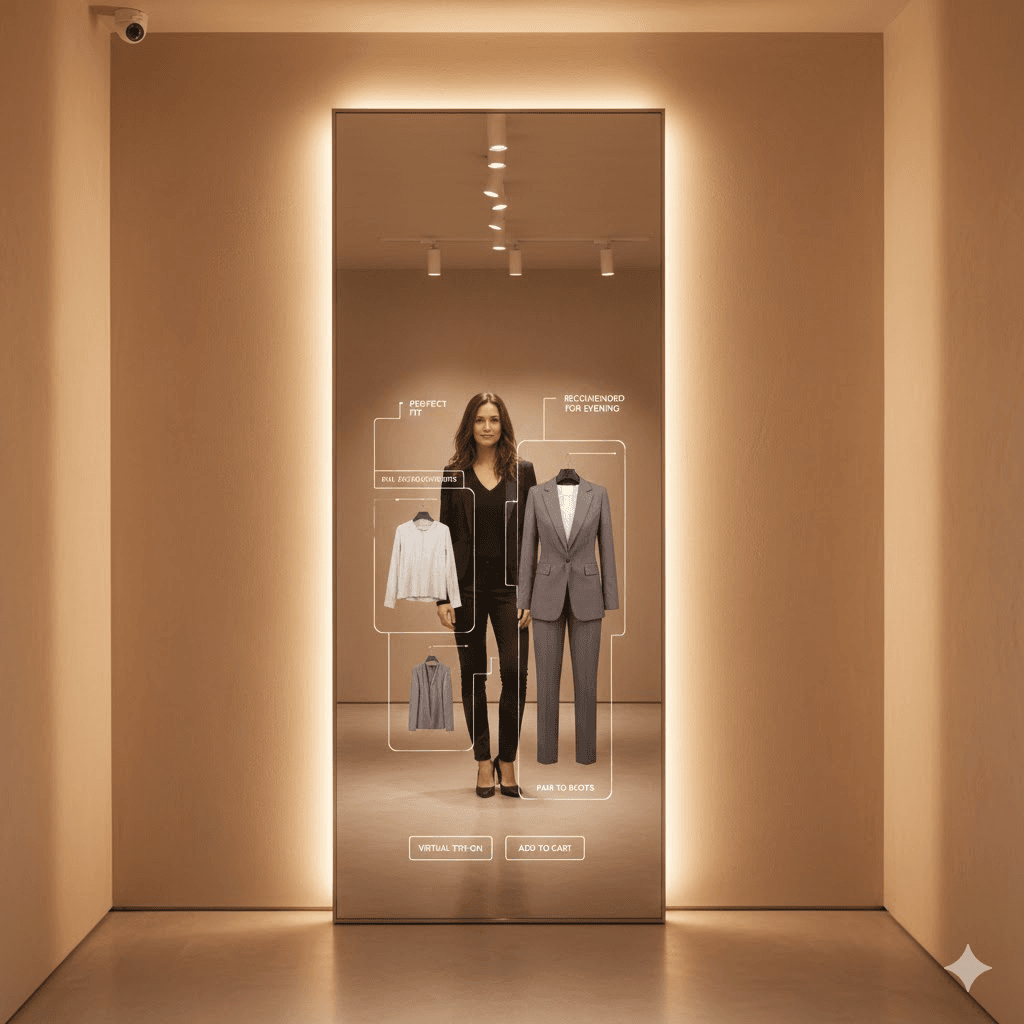
A virtual shopping assistant can be powerful, but only if you use it intentionally. Here’s how to get the most out of it:
Give it context.
Share your size, preferences, dislikes, and the pieces you own.
Use it as a stylist, not just a search bar.
Ask for outfits, not items. The magic lies in combinations.
Let it guide but not dictate.
Treat it as a co-pilot. You’re still the decision-maker.
Play with virtual try-ons.
Seeing an outfit in advance often exposes what wouldn’t have worked.
Review and refine the recommendations.
The more feedback you give, the sharper it becomes.
Conclusion
Virtual shopping assistants are not gimmicks, hype, or passing trends. Their adoption is rising because they solve real shopping problems — from impulse buying to return frustration to endless scrolling.
The world is heading toward smarter, calmer, more intentional shopping experiences. Virtual shopping assistants form the bridge between chaos and clarity, between reacting and choosing.
And as AI becomes more sensory-aware, mood-aware, and context-aware, your shopping experience will only get more personal, more helpful, and more human-centered.
If you ever caught yourself saying, “I wish shopping felt easier,” this is the era that delivers it.
FAQs Related to Benefits of Virtual Shopping Assistants
1. What is a virtual shopping assistant in ecommerce?
A virtual shopping assistant is an AI powered companion that helps you browse, compare, and choose products more confidently. It learns from your preferences, budget, and past behavior to narrow choices so you don’t feel overwhelmed. Most assistants work across categories like fashion, beauty, and home, and they get smarter over time as you keep interacting with them.
2. How do virtual shopping assistants improve purchasing decisions?
Virtual shopping assistants improve decisions by analyzing what you like, what you avoid, and what similar shoppers prefer. This reduces impulse buying and leads to choices you’re less likely to regret later. Many assistants also provide real time comparisons, fit predictions, and contextual tips, so you know why an item suits you. Over time, you get a curated feed that matches both your style and your shopping goals.
3. Are virtual shopping assistants reliable for fashion and beauty?
Yes. AI assistants can map colors, fabrics, undertones, fit patterns, and even your past styling habits to give more precise suggestions. They also simulate looks through virtual try ons so you can see an outfit or shade before buying. If you’re unsure about size, they use previous purchase data to recommend the closest match. This reduces returns and boosts confidence in every choice.
4. Can small businesses benefit from virtual shopping assistants?
They can. Small brands use virtual assistants to personalize product discovery without hiring extra support teams. These tools answer questions instantly, reduce repetitive queries, and guide customers toward items they’re more likely to buy. With analytics built in, they also help businesses understand buyer intent and improve conversions. Several platforms offer ready to use AI tools, so no technical expertise is required.
5. How is Glance different from traditional virtual shopping assistants?
Glance appears directly on the lock screen, which means shoppers discover products without even opening an app or searching. The AI understands user preferences deeply and shows items that match their style, budget, and mood. It also supports virtual try ons so you see outfits in advance, reducing uncertainty. This blend of proactive discovery, personalization, and visual validation makes Glance stand apart from regular chatbot-style assistants.
Download the Glance app now




Your intelligent
shopping agent.







Your intelligent
shopping agent.