


How Augmented Reality Retail Shopping Is Changing Fashion?
TL; DR
Augmented reality retail shopping is revolutionizing online fashion, letting shoppers see exactly how clothes fit, move, and look before buying. It boosts confidence, cuts returns, and makes exploring style fun and interactive. From AR try-ons to 3D previews, this technology is helping young shoppers make smarter, faster, and more personalized fashion choices than ever before.
Online fashion shopping can be tricky. In fact, industry data shows that 30–40% of online fashion purchases are returned, often because items do not fit or look as expected. Augmented reality retail shopping solves this problem by letting shoppers see how clothes will look and fit before buying. The market for AR retail shopping is projected to reach 105 billion dollars by 2033 at a 32.4% compound annual growth rate. Platforms like Glance make it easier than ever for young shoppers to explore fashion trends and discover personalized styles in real time.
How Augmented Reality (AR) Is Changing Fashion Discovery?
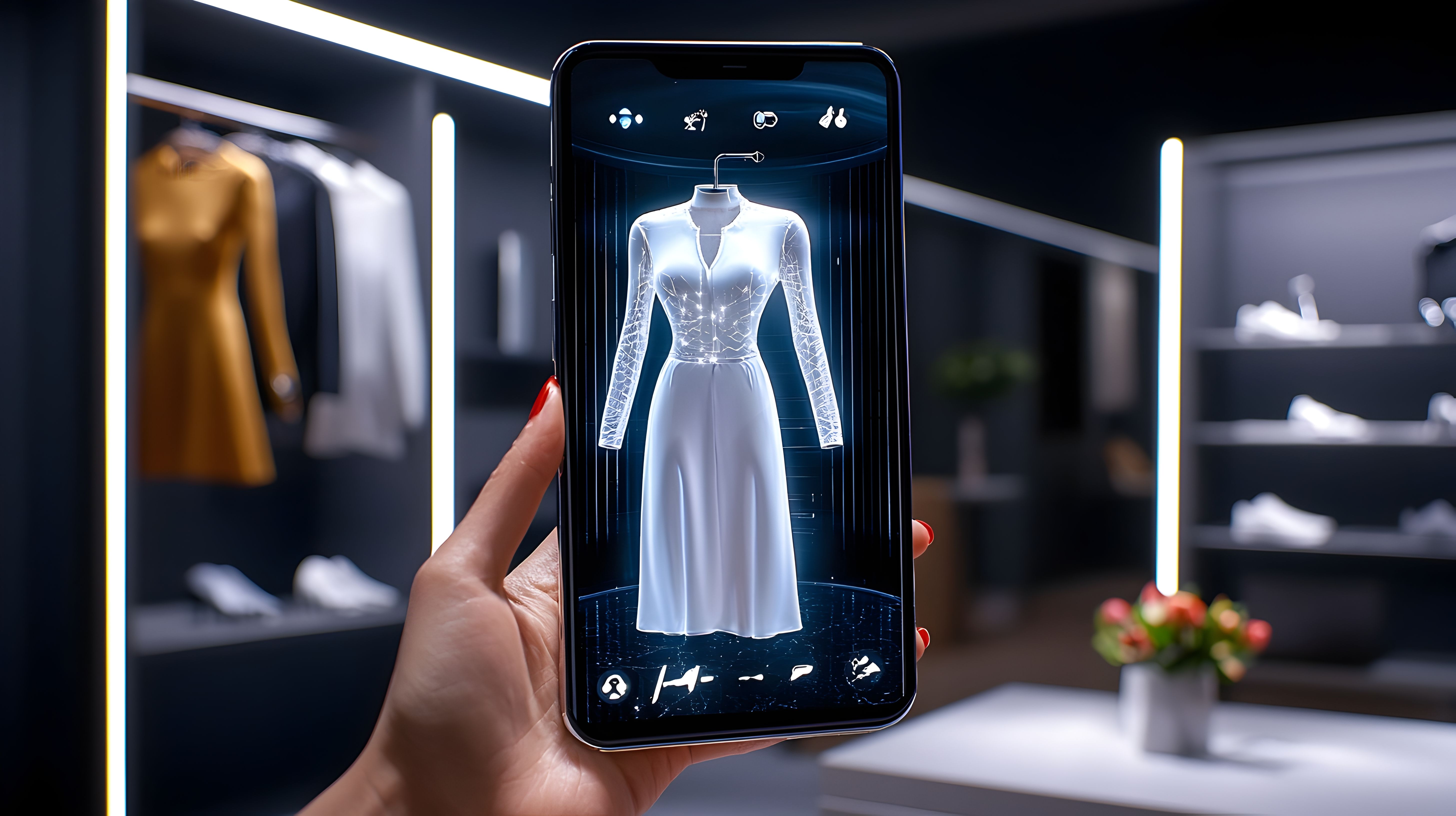
Augmented reality retail shopping is changing how we discover fashion. It makes exploring styles more personal, effortless, and creative, while virtual try-ons remove guesswork and build confidence. Here’s how AR is reshaping fashion discovery for young, trend-conscious shoppers:
Core Fashion Changes Powered by AR
- Fewer returns overall: Imagine you’re eyeing a fitted blazer online. With augmented reality retail shopping, you can virtually see how it fits your shoulders, waist, and length, reducing sizing mistakes and cutting returns by up to 64%.
- No physical try-ons needed: Suppose you want to try a new pair of sneakers but don’t have time to visit a store. A virtual try-on lets you see the shoes on your feet using your smartphone camera, checking colors, fit, and style instantly.
- Endless mix-and-match: Picture creating a complete outfit for a weekend outing. You can layer tops, pants, shoes, and accessories virtually to see which combinations work best, without endless scrolling or multiple browser tabs. This mirrors how AI-powered fashion discovery experiences, including those seen on Glance, encourage fluid outfit exploration rather than rigid browsing.
How AR makes you your own stylist
- Be your own stylist: If you’re unsure whether neon green pants work with a pastel jacket, AR allows you to experiment freely, creating a look that’s uniquely yours.
- Pair with your wardrobe: Place a new blouse over your existing clothes in AR to see real-life matches before buying.
- Social sharing boosts: Screenshot AR looks and share them with friends or social media. Instant feedback helps refine your style choices.
AR Transforming Daily Fashion Habits
- Shop anytime, anywhere: Inspiration can strike at 10 p.m. or during a lunch break. Augmented reality retail shopping lets you try outfits from home, bypassing poor store lighting, long queues, and crowded dressing rooms.
- Budget-friendly experiments: Want to test bold trends or luxury pieces without risk? AR lets you preview looks virtually before committing, saving money and avoiding buyer’s remorse.
- Body-positive and inclusive: AR avatars mirror your exact shape, size, and proportions. This ensures confident styling for all body types and abilities, making fashion accessible and empowering.
- Gen Z trend mastery: 92% of Gen Z shoppers prefer AR for quick, realistic previews. Augmented reality retail shopping transforms casual scrolling into smarter, more confident style choices.
With these tools, augmented reality retail shopping doesn’t just display clothes, it turns fashion discovery into an intuitive, playful, and precise experience.
How Online Fashion Shopping Has Evolved with AR?
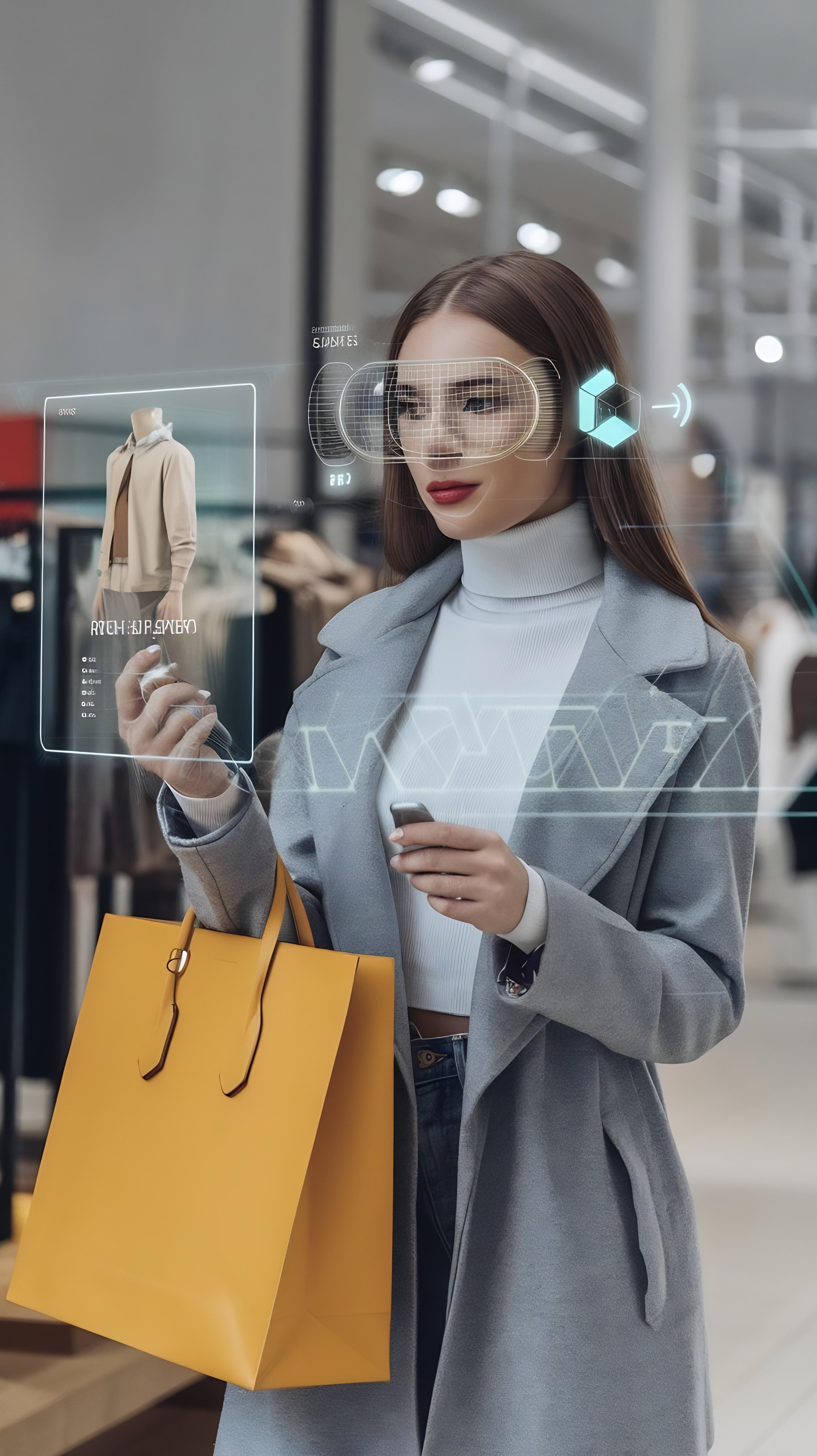
What Shoppers Used to Do Online | What Happens Now with Augmented Reality Retail Shopping |
Guess fit using size charts and flat product photos, often ordering multiple sizes “just in case” | Visualize real fit, length, and proportions before buying, leading to 98% better decisions and fewer returns (BrandXR, 2025) |
Open multiple tabs to imagine outfit combinations, switching between tops, bottoms, and shoes | Mix and match outfits instantly in one AR view, making selection up to 40% faster (Coolest Gadgets, 2024) |
Avoid bold styles or premium pieces due to fear of wasting money | Experiment freely with colors, silhouettes, and luxury items, increasing purchase likelihood by 71% (Reydar, 2025) |
Scroll passively through product listings, often feeling unsure and disengaged | Interact with clothing through virtual try-ons, creating a more engaging and confidence-driven experience |
Second-guess purchases and abandon carts because the product looked different in real life | Move to checkout with clarity, as AR boosts conversions by up to 94% (Coolest Gadgets, 2024) |
How Brands Are Driving AR Fashion Change?
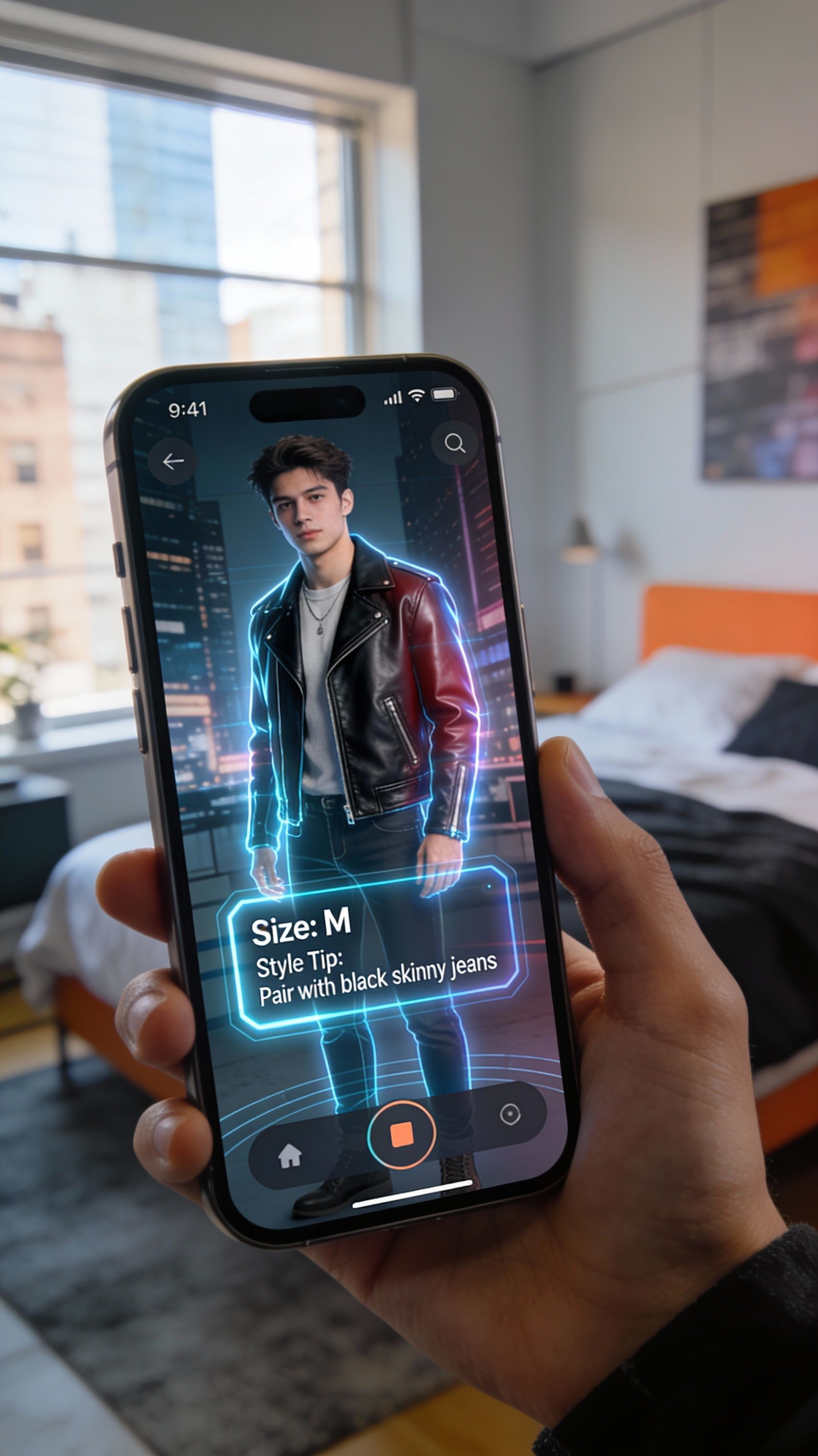
Fashion brands are embedding augmented reality retail shopping into how people discover, style, and choose fashion. The shift is from showing products to helping shoppers see themselves in them, reducing returns, encouraging self-styling, and driving faster, more confident decisions.
Brand | AR Feature / Initiative | How It’s Changing Fashion |
Burberry | AR product visualization via Google Search | Shoppers place 3D fashion pieces in real environments to understand scale, detail, and fit, reducing guesswork and cutting returns by up to 64% through clearer visual confidence. |
Zara | In-store AR mirrors and app-based experiences | Virtual models show movement, layering, and proportions, allowing shoppers to explore outfits creatively without physical try-ons or time-consuming store visits. |
Zalando | Snapchat AR “Try On” lenses | Social, instant outfit previews encourage self-styling and experimentation, helping Gen Z shoppers validate looks quickly and shop with confidence. |
H&M | Instagram AR filters and interactive previews | Fashion discovery becomes playful and accessible, turning late-night scrolling into low-risk styling experiments that feel personal and spontaneous. |
Gucci | App-based sneaker and accessory try-ons | Virtual testing lowers hesitation around bold or luxury pieces, making high-fashion more inclusive, body-positive, and approachable. |
Conclusion
Augmented reality retail shopping is transforming online fashion. It helps shoppers feel more confident, make better decisions, and actually enjoy the shopping journey instead of second-guessing every purchase. When people can see how styles might work for them, returns naturally drop and satisfaction rises.
Platforms like Glance are taking this further with AI-driven personalization that makes fashion discovery feel intuitive and engaging. For young, trend-conscious shoppers, the future of online fashion is interactive, personal, and expressive. Augmented reality retail shopping will continue to shape how we explore, style, and shop for fashion online.
FAQs related to Augmented Reality Retail Shopping
- Is augmented reality retail shopping accurate for clothing fit?
Augmented reality retail shopping is not perfect, but it is far more accurate than relying on static images or size charts alone. It helps shoppers understand how a garment’s shape, length, and overall silhouette may look on them. This added visual context improves fit confidence and reduces common sizing mistakes.
2. Do I need special devices to use augmented reality retail shopping?
No special devices are needed. Most augmented reality retail shopping experiences work directly on smartphones through apps or mobile browsers. This makes AR fashion shopping easy to access for everyday users.
3. What is the difference between AR shopping and AI-powered styling?
AR shopping focuses on visualizing products so shoppers can see how items might look before buying. AI-powered styling goes a step further by analyzing preferences, body data, and behaviour to suggest outfits and combinations. Many modern fashion platforms use both together to create smarter and more personalized shopping experiences.
4. Which brands are leading AR in fashion?
Several global fashion brands are actively using AR to improve online shopping. Burberry uses 3D product visualization, Zara experiments with interactive digital experiences, and Gucci enables virtual previews of accessories and footwear. These features help shoppers feel more confident before purchasing.
5. Is augmented reality retail shopping safe for online purchases?
Yes, augmented reality retail shopping is safe to use. It does not require sharing sensitive personal data beyond what is already needed for standard online shopping. AR features are designed to support better decision-making, while payments and checkout continue to follow secure e-commerce practices.
Download the Glance app now




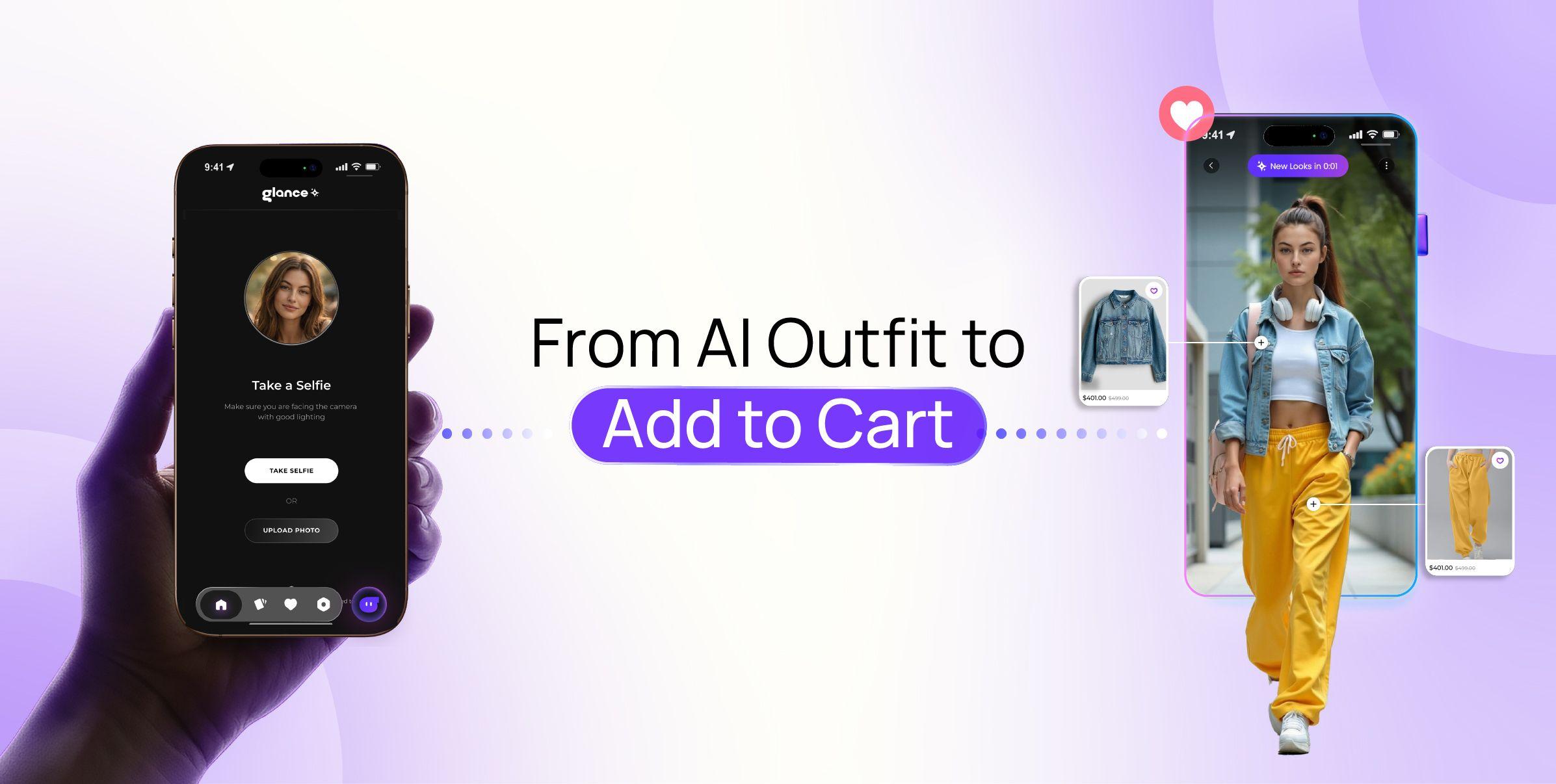
Your intelligent
shopping agent.







Your intelligent
shopping agent.