

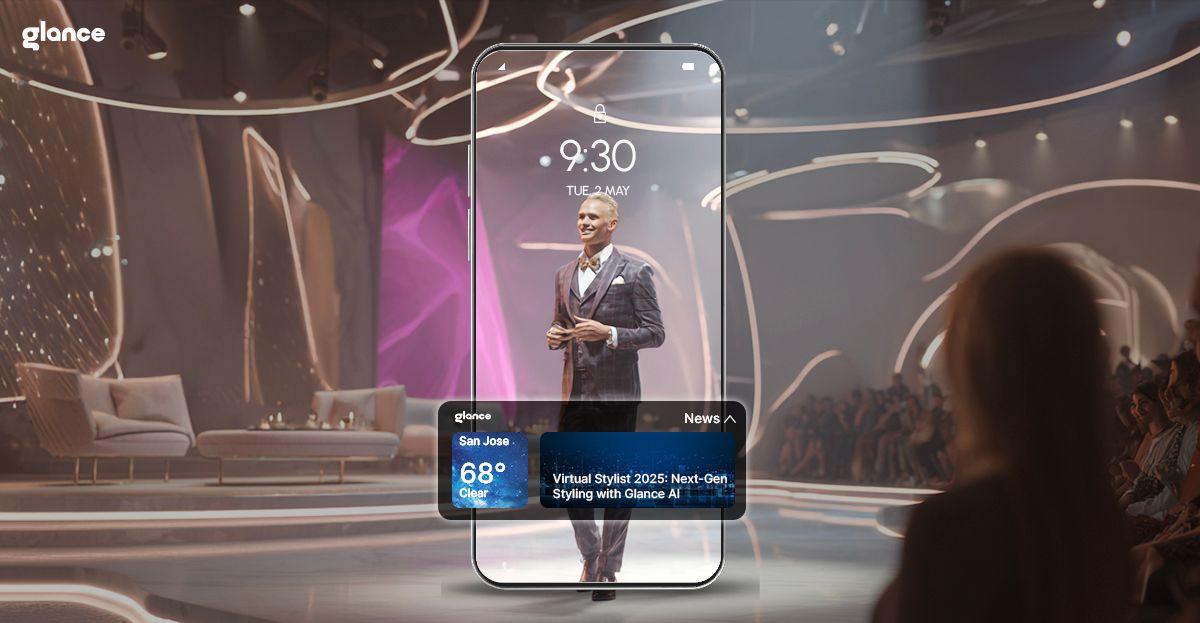
Virtual Stylist 2026: Next-Gen Styling for Men
TL;DR
Virtual stylists in 2026 have evolved from basic recommendation tools into intelligent systems that understand context, identity, and intent. Instead of relying on searches or manual inputs, they use signals like weather, location, and behavior to present ready-to-wear outfit decisions. For men, this significantly reduces effort and improves styling accuracy. The Glance Intelligent Shopping Agent represents this shift by moving from reactive suggestions to proactive, context-driven styling that simplifies everyday fashion choices.
The way people get dressed is changing, but not because fashion itself is moving faster. It is because decision making is evolving.
In 2026, a virtual stylist is no longer just a recommendation tool. It has become a system that understands context, identity, and intent before suggesting what you should wear. Instead of scrolling through options or trying combinations on your own, you are presented with outcomes that already fit your day, your environment, and your personal style.
This shift is being driven by advances in AI that go beyond basic personalization. Today’s systems do not just respond to your inputs. They interpret signals such as weather, location, behavior, and occasion to prepare styling decisions in advance. For men, this reduces the effort required to get dressed while improving how relevant each outfit feels.
As AI continues to mature, virtual styling is shifting from being a helpful feature to becoming a core part of how people approach everyday fashion.
According to a report by Statista, the AI in fashion market is projected to reach $4.4 billion by 2027, with styling tools contributing to a significant chunk of that growth.
The Rise of Virtual Stylist Tools: A Quick Look Back
Not long ago, virtual stylist platforms were basic rule-based engines. Apps suggested “similar styles” based on purchase history, but lacked the nuance to understand individual taste.
By 2020, AI had entered the scene. Platforms like Stitch Fix began using algorithms for body shape analysis and predictive styling. But limitations remained: they still leaned heavily on transactional data without factoring mood, cultural context, or real-world scenarios.
Fast forward to 2026, and things have shifted:
- 67% of Gen Z shoppers now prefer AI styling assistance before purchase decisions says McKinsey Fashion Report 2025.
- 45% of men aged 18–35 use at least one virtual styling app monthly, highlighting a rising demand for men’s fashion solutions.
- According to Gartner 2025, AI systems now account for $30 billion in retail personalization revenue worldwide.
This evolution sets the stage for a new generation of virtual stylists.
Beyond Recommendations: How AI is Evolving the Virtual Stylist Space
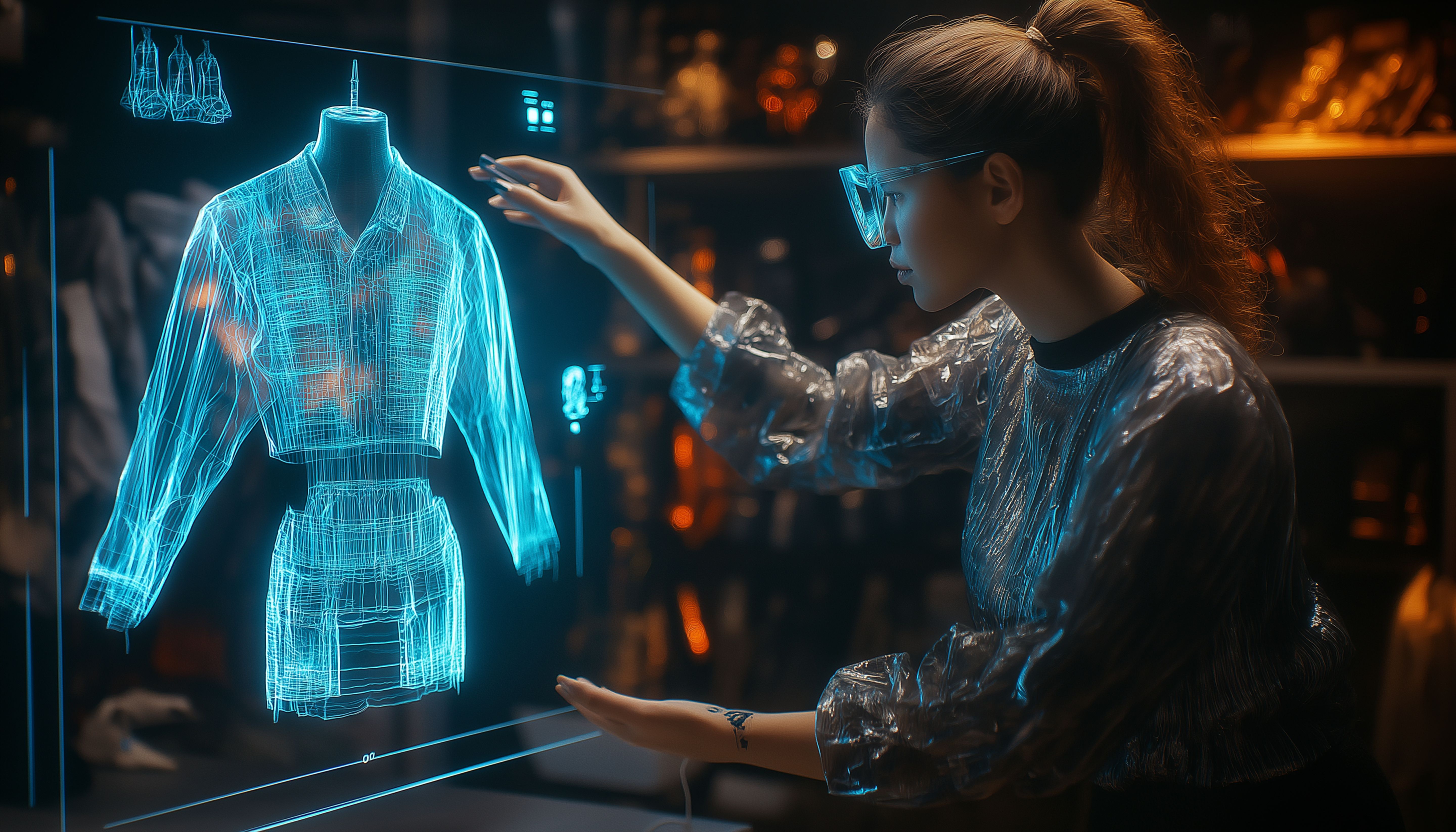
The real transformation in virtual stylist tools lies in the advanced capabilities of AI, specifically Machine Learning, Computer Vision, and Generative AI.
Key AI Enhancements in 2026:
- Hyper-Personalization (Beyond Basic Data):
- Mood-Based Styling: AI stylists detect user moods (e.g., "energetic") to suggest outfits that align emotionally, enhancing the virtual stylist experience.
- Contextual Styling: AI integrates real-time data like weather and calendar events to provide practical outfit suggestions, making it ideal for an AI stylist for men.
- Understanding Style DNA: AI learns a user's evolving aesthetic, suggesting items that resonate with their unique style DNA, enhancing the virtual stylist's personalization.
- Generative AI for Creative Exploration:
- AI-Designed Looks: Generative AI creates new outfit combinations and fashion designs based on user input, pushing creativity in the virtual stylist realm.
- Photorealistic AI Twins: AI generates accurate digital twins for virtual try-ons, reflecting body type and skin tone, offering a superior fitting experience with an AI stylist for men.
- Seamless Integration & Discovery:
- "Fashion Finds You": AI proactively delivers styled looks to users via smart mirrors or apps, transforming the virtual stylist experience into a seamless discovery process.
- Multi-Modal Interactions: Users can engage with virtual stylists through voice commands or image uploads, enhancing the functionality of an AI stylist for men.
Top Virtual Stylist Platforms in 2026: At a Glance
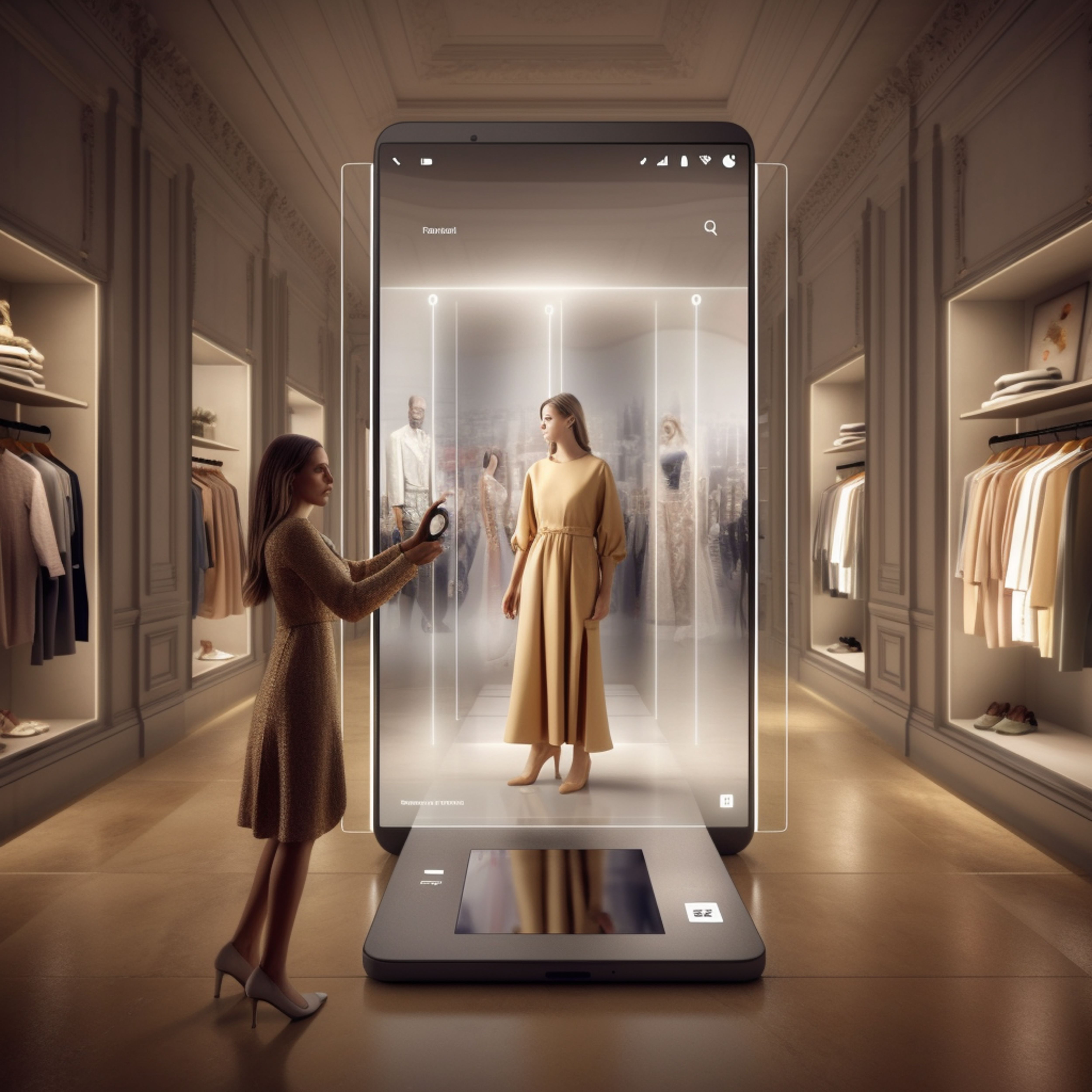
Here’s a comprehensive comparison of the top virtual stylist platforms:
Feature/Platform | StyleDNA | Smart Mirror (MemoMi) | Zalando Virtual Stylist | Glance AI |
Primary Function | AI-based outfit planning | AR/VR in-store try-ons | AI suggestions during shopping | Contextual AI styling companion |
Platform Type | Mobile app | In-store hardware + app | E-commerce integration | App + multi-platform integration |
Personalization Level | Medium (body shape & color analysis) | Low (focus on virtual try-ons) | Medium (occasion-based recommendations) | High (mood, events, culture-aware) |
Emotional Intelligence | None | None | Limited | Learns moods, adapts tone |
Event Awareness | No | No | Some | Calendar & cultural events |
Wardrobe Integration | Virtual closet | None | Limited | Full wardrobe curation |
Sustainability Focus
| Minimal | None | None | Capsule wardrobe planning |
Gender Inclusivity | Unisex | Unisex | Unisex | Strong focus on men & women |
AI Learning Over Time | Limited | None | Some | Deep learning from user feedback |
Strengths | Easy to use, mobile-friendly | Immersive in-store experience | Seamless shopping integration | Hyper-personalized, emotionally intelligent |
Weaknesses | Lacks mood/context awareness | Retail-focused, not home use | Product-led, not style-led | Early in AR/VR integration |
Why the Glance Intelligent Shopping Agent Stands Out
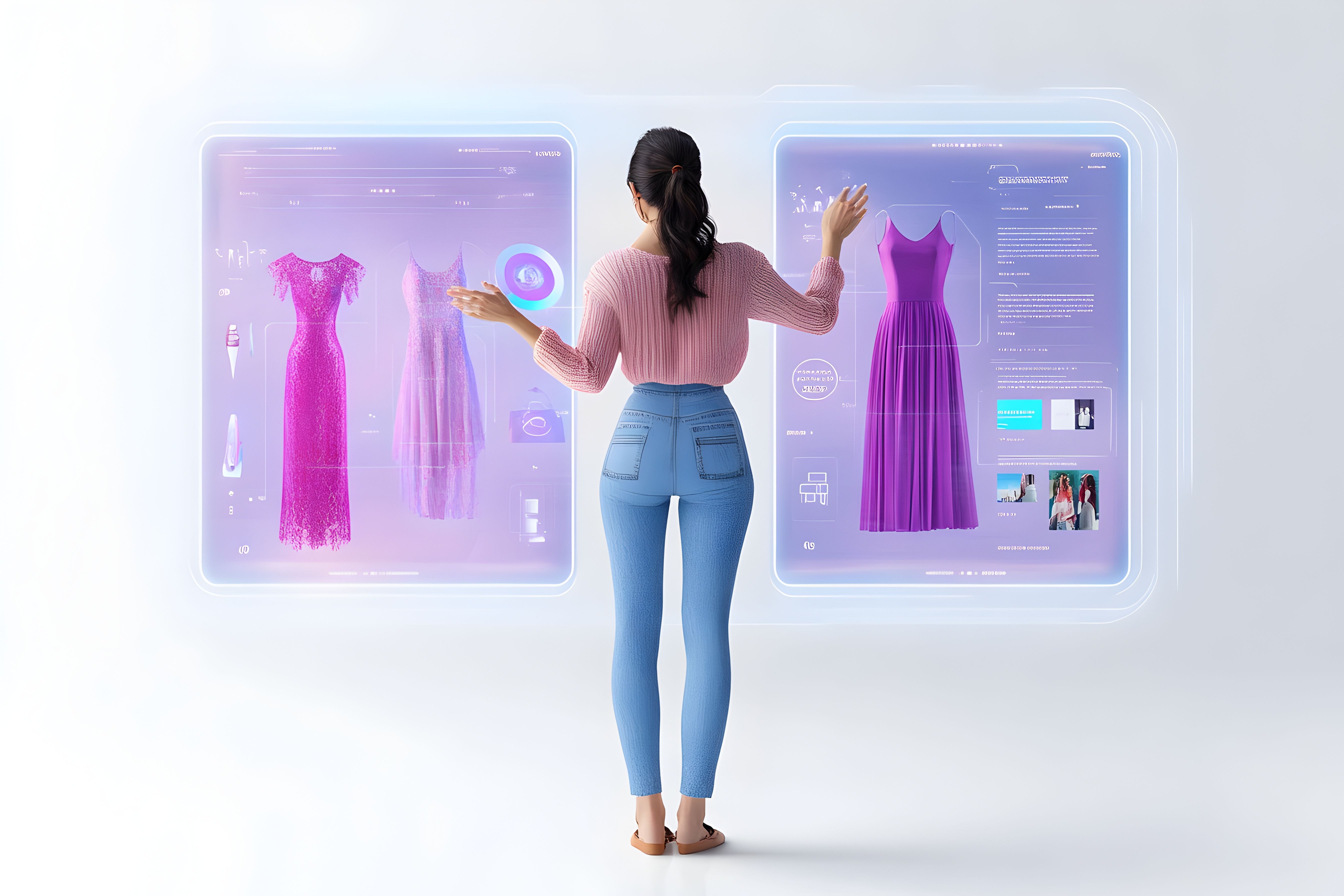
The Glance Intelligent Shopping Agent is not built like a typical virtual stylist. It does not wait for inputs or depend only on past behavior. It works proactively, using real time context to shape what you see.
Moves beyond recommendations
Instead of suggesting random outfits, it reads signals like weather, location, and occasion to present complete looks that already fit your moment.
Works with your wardrobe, not against it
It focuses on what you already wear and builds around it. The goal is not to push more products, but to create better combinations and smarter additions.
Supports more intentional shopping
By identifying real gaps instead of pushing trends, it helps reduce unnecessary buying and encourages a more balanced wardrobe.
Understands context, not just style
It adapts based on where you are, what your day looks like, and how your preferences evolve over time.
Dedicated focus on men’s styling
It simplifies outfit decisions for men across casual, work, and formal settings, where guidance is often limited.
The Future of Men's Fashion with AI Stylists

The impact of AI on fashion is particularly significant for men, a demographic that historically might have felt underserved or overwhelmed by styling options. The rise of the AI stylist for men is a game-changer, offering tailored, no-fuss recommendations that address common frustrations and empower confident self-expression.
Why AI is a Game-Changer for Men's Fashion
- Hyper-Personalization: AI analyzes male users' style, body type, and schedules to suggest curated outfits that reflect their personality.
- Efficiency and Clarity: AI streamlines dressing for men, reducing decision fatigue with instant, relevant outfit suggestions for any occasion.
- Breaking the "Preset Outfit" Trap: AI identifies patterns in men's wardrobes, suggesting fresh pairings and new styles to enhance variety.
- Expanding Style Horizons: AI encourages men to experiment with new prints and aesthetics, boosting confidence without public trial and error.
- Virtual Try-Ons for Confidence: AI-powered virtual try-ons let men see outfits on their body, reducing uncertainty and returns.
For a deeper dive into how AI is specifically transforming wardrobes for men, explore our detailed guide Men’s fashion with AI.
Conclusion
The evolution of virtual stylist tools by 2026 marks a clear shift in how people approach personal style. What started as basic digital advice has now become a more intelligent, context-aware system that reduces effort while improving relevance. The focus is no longer just on recommendations. It is moving toward systems that understand your style identity, read your environment, and help you arrive at decisions with more clarity and confidence.
This is where the idea of an intelligent shopping agent becomes important. The Glance Intelligent Shopping Agent represents this shift by moving beyond reactive styling. It uses real time signals, behavior patterns, and contextual inputs to present ready-to-consider looks instead of waiting for you to search. As an evolving AI stylist for men and women, it brings styling, discovery, and decision making into a single flow.
As AI continues to improve its understanding of human preferences and everyday context, personal style is becoming more intuitive and less effort-driven. The experience is not just faster. It is more aligned with how people actually live and choose what to wear.
FAQs Related to the Virtual Stylist
Q1: What is a virtual stylist in fashion
A virtual stylist is an AI powered system that helps you choose outfits based on your style, body type, and daily context. In markets like the United States and India, virtual stylists are increasingly used to simplify outfit decisions by combining personalization, trend awareness, and real time recommendations without manual effort.
Q2: How is the Glance Intelligent Shopping Agent different from other AI styling tools
The Glance Intelligent Shopping Agent goes beyond basic recommendations. Instead of waiting for you to search or answer quizzes, it reads context such as location, weather, and behavior to present ready to wear looks. This makes it more proactive compared to most AI styling tools that still depend on user input.
Q3: Is an AI stylist for men useful in 2026
Yes. In 2026, AI stylists for men are becoming more relevant as they reduce the effort required to plan outfits for work, travel, and social settings. They help men move from basic outfit selection to more structured, context aware styling without needing deep fashion knowledge.
Q4: Can AI styling tools help build a sustainable wardrobe
Yes. AI styling tools support sustainability by encouraging better use of existing clothing, reducing unnecessary purchases, and suggesting items that fit into a long term wardrobe. Systems like the Glance Intelligent Shopping Agent also help identify gaps so users buy only what they actually need.
Q5: Do virtual stylists help with men’s formalwear and office dressing
Yes. Virtual stylists are especially useful for formalwear decisions where fit, coordination, and occasion matter more. The Glance Intelligent Shopping Agent supports both formal and casual styling by creating looks that align with professional settings, seasonal needs, and personal style preferences.
Download the Glance app now




Your intelligent
shopping agent.







Your intelligent
shopping agent.