

AI Fashion Trend Analysis vs Cultural Insight in Fashion
TL;DR
AI fashion trend analysis is great at spotting patterns early by reading large-scale behavior. But understanding why a trend resonates still depends on people inside fashion, editors, buyers, and cultural teams who read mood, context, and timing. For U.S. fashion, especially Gen Z, the future isn’t AI versus people, it’s how pattern detection and cultural judgment work together.
Why Trends No Longer Have a Single Authority
Trends don’t arrive with announcements anymore.
By the time something gets a name, most people have already seen it—on a commute, in a creator’s video, or across repeated scrolls that make a look feel oddly familiar before it feels “new.”
That shift explains why AI fashion trend analysis has become part of the fashion conversation. Not because fashion needs prediction for prediction’s sake—but because trends now form through thousands of small, everyday signals instead of a few centralized voices.
At the same time, fashion hasn’t become purely data-driven. Editors, buyers, and cultural teams still play a critical role—not in declaring trends, but in explaining why certain ones stick.
This isn’t a debate about who’s right.
It’s about how trends are now noticed, interpreted, and understood.
How Fashion Used to Recognize Trends
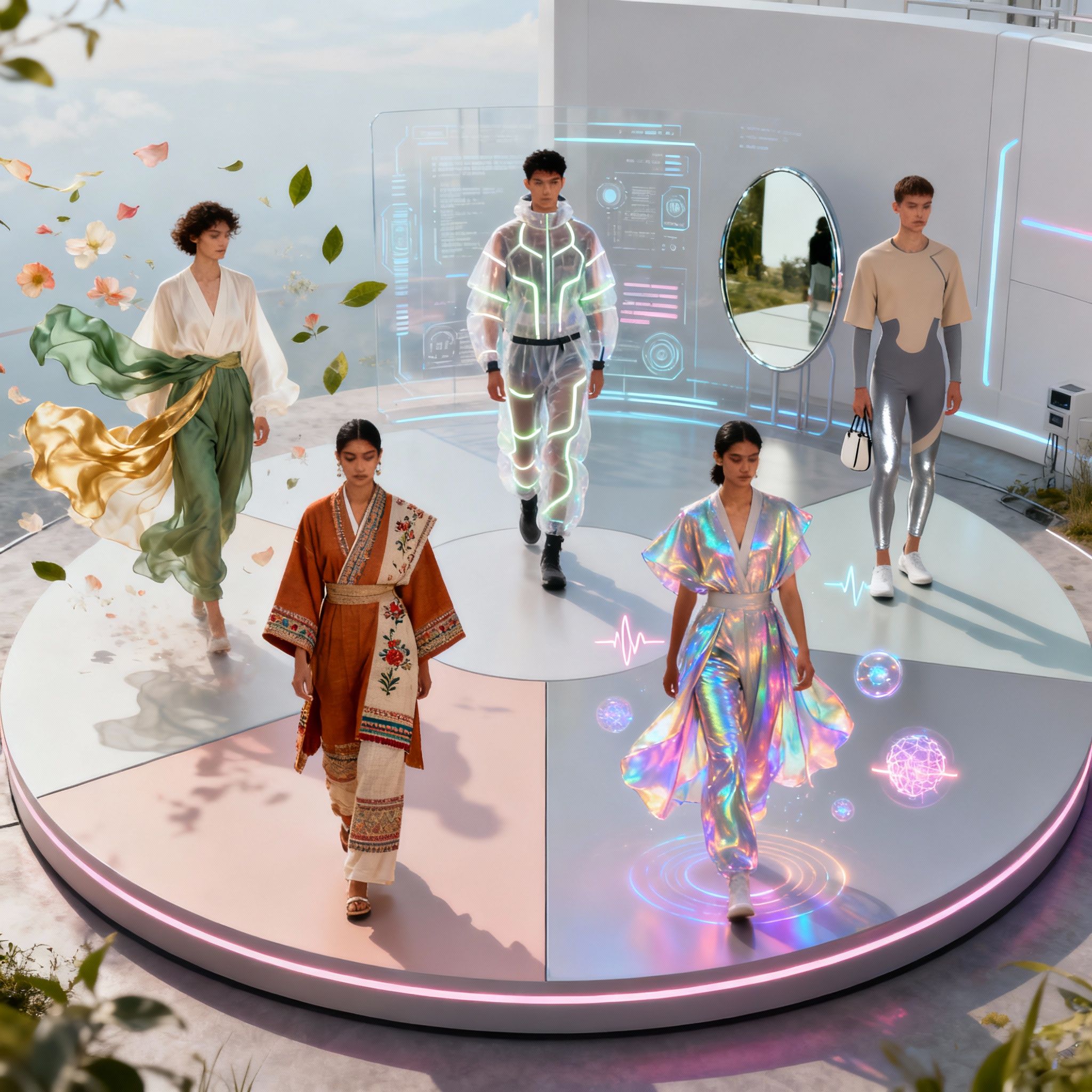
For decades, trend recognition followed a familiar rhythm.
Fashion teams looked to:
- Runway collections
- Street style in specific cities
- Music, film, and youth culture
- Social and political undercurrents
When editors or buyers identified a recurring look, they didn’t just describe it—they framed it. A silhouette mattered because it symbolized confidence, rebellion, nostalgia, or restraint.
Did You Know? In the 1960s, London's youth subcultures (mods in slim suits, hippies in bell-bottoms) bypassed Paris runways, trickle-up style decentralized authority decades before social media.
This human lens gave fashion something essential:
- Language
- Narrative
- Cultural meaning
But it also came with limitations. These interpretations were:
- Slow to surface
- Based on limited samples
- Filtered through specific industries and cities
McKinsey research shows that U.S. retailers are carrying hundreds of billions in unsold inventory, for example, $740 billion in stock that wasn’t sold in recent years — underscoring how traditional forecasting struggles to keep pace with rapid shifts in consumer demand.
That approach worked when trends moved gradually. It struggles in a world where style forms across millions of daily choices.
What AI Fashion Trend Analysis Actually Does (and Doesn’t)
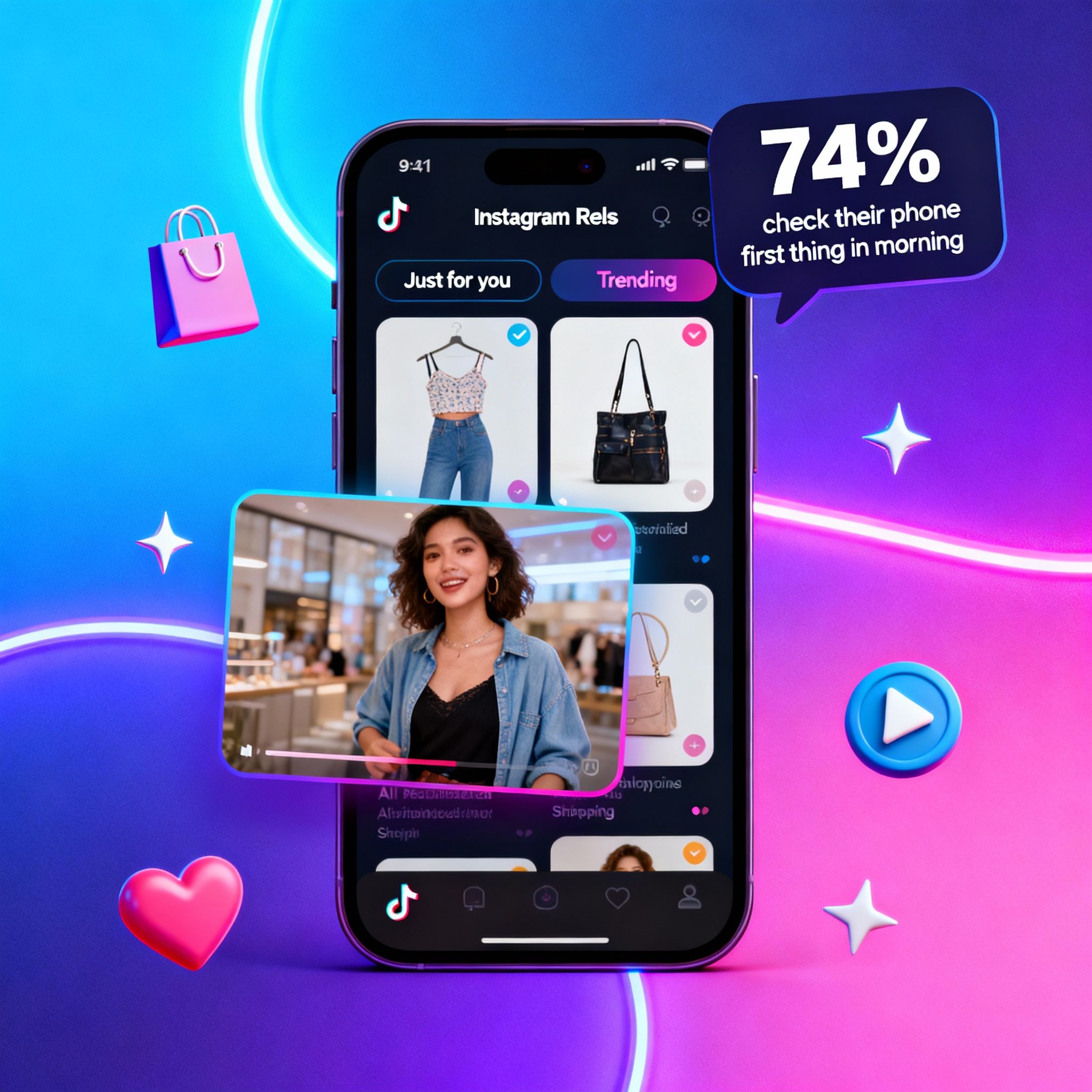
AI fashion trend analysis doesn’t interpret culture.
It observes behavior.
Instead of asking why something matters, it looks for:
- Repeated visual signals
- Consistent engagement with similar aesthetics
- Patterns across browsing, viewing, and interaction
According to Heuritech, its AI-powered trend forecasting platform analyzes millions of social media images and uses advanced forecasting models to deliver predictive insights for fashion trends up to 24 months in advance.
If a styling detail keeps reappearing across unrelated contexts, AI flags it—not as a trend headline, but as a signal gaining momentum.
For example:
- A specific relaxed tailoring silhouette starts showing up across casual workwear posts
- The same muted color palette appears across unrelated brands and creators
- Similar outfit compositions resurface across different platforms
AI doesn’t explain this.
It simply notices that it’s happening—early.
That’s the core strength of AI fashion trend analysis: pattern recognition at scale.
A Realistic Example: How Trends Form Quietly Now
Think about how many trends today feel familiar before they feel official.
Take relaxed, unstructured blazers.
They didn’t explode overnight. They showed up slowly:
- In everyday office outfits
- In travel photos
- In casual “get dressed with me” videos
No major announcement.
No single designer moment.
Google Trends–based data shows that ‘oversized blazer’ maintained some of the highest search interest among blazer styles through 2025, indicating strong and sustained consumer demand for relaxed tailored silhouettes.
AI systems notice this accumulation as it happens—through repetition.
Fashion teams usually step in later, connecting that look to broader shifts: comfort, hybrid work, changing ideas of professionalism.
Both are looking at the same movement.
They’re just arriving at it differently.
Where Cultural Judgment Still Matters Most
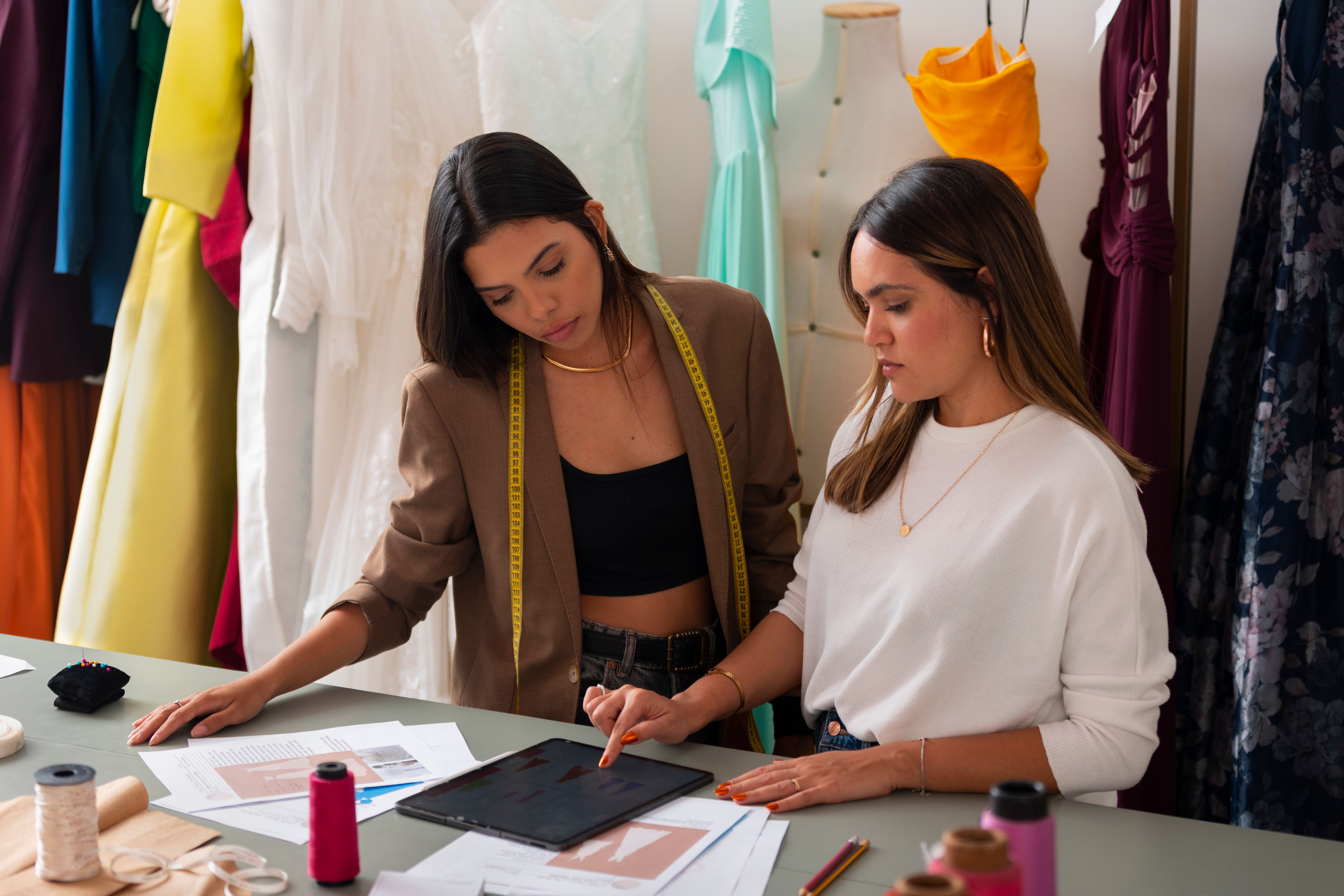
This is where people inside fashion remain essential.
Editors, buyers, and cultural teams answer questions AI can’t:
- Why does this feel right now?
- What mood does this reflect?
- Why does this version resonate while similar ones didn’t before?
For instance, minimal dressing can signal very different things depending on timing:
- Restraint
- Economic caution
- Quiet confidence
- Rejection of excess
AI can surface the look.
People explain the meaning.
Without that layer, trends risk feeling interchangeable—just visuals without context.
Where AI Clearly Has the Upper Hand
The advantage of AI fashion trend analysis isn’t creativity—it’s coverage.
It can:
- Track millions of signals simultaneously
- Observe across regions, platforms, and demographics
- Detect consistency without fatigue or bias
This matters especially for Gen Z, where trends often feel “over” the moment they’re named. AI catches movement while it’s still forming—before it turns into a rule.
That aligns with how Gen Z experiences fashion:
- Through discovery, not direction
- Through repetition, not authority
- Through personal relevance, not validation
This Isn’t a Competition — It’s a Role Shift
Fashion doesn’t need to choose sides.
The roles are simply evolving:
- AI fashion trend analysis detects emerging patterns
- Cultural teams explain what those patterns mean
One observes.
The other interprets.
Together, they mirror how fashion actually works today—less about declarations, more about recognition.
Where Behavior-Led Platforms Fit In
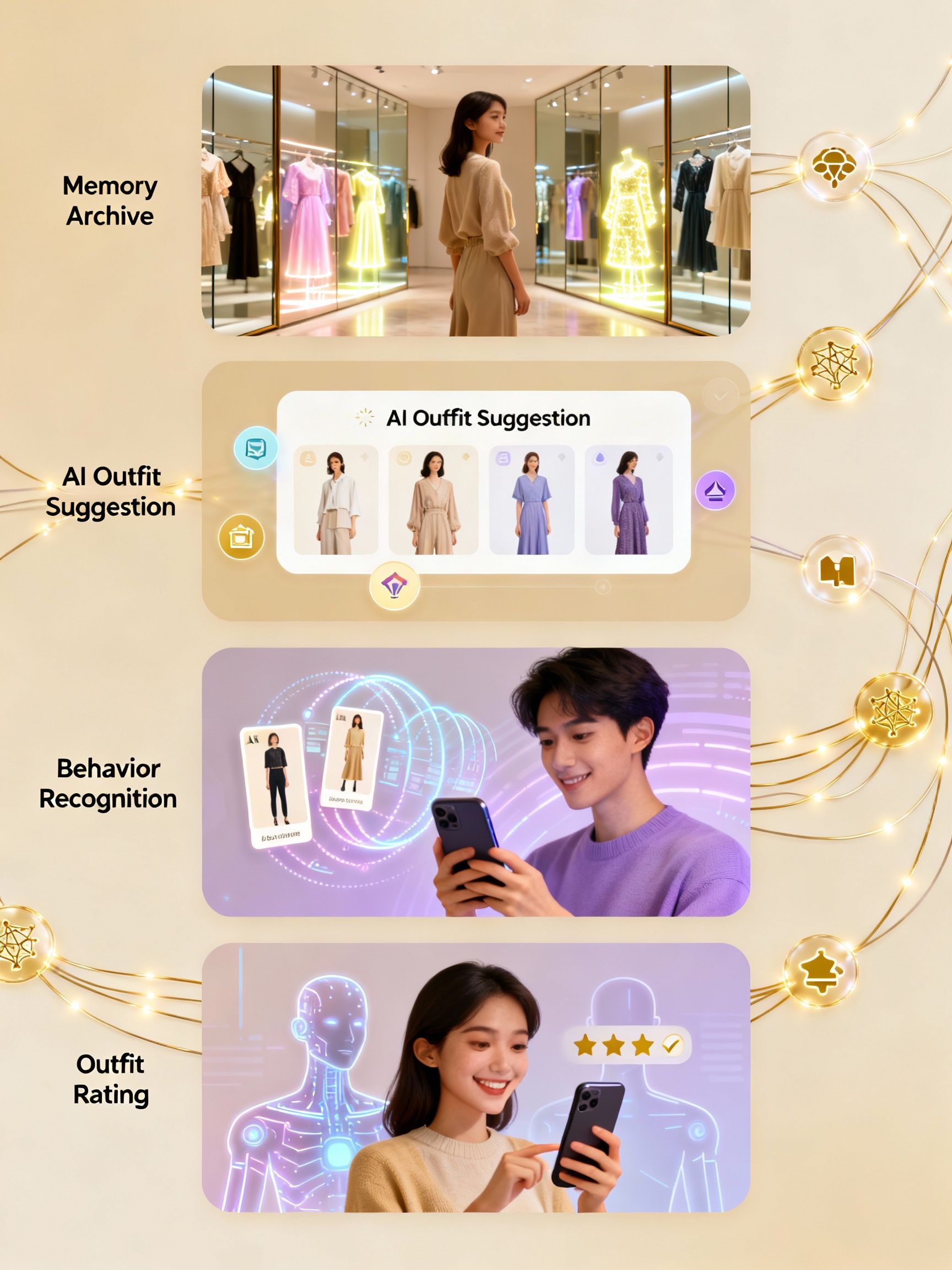
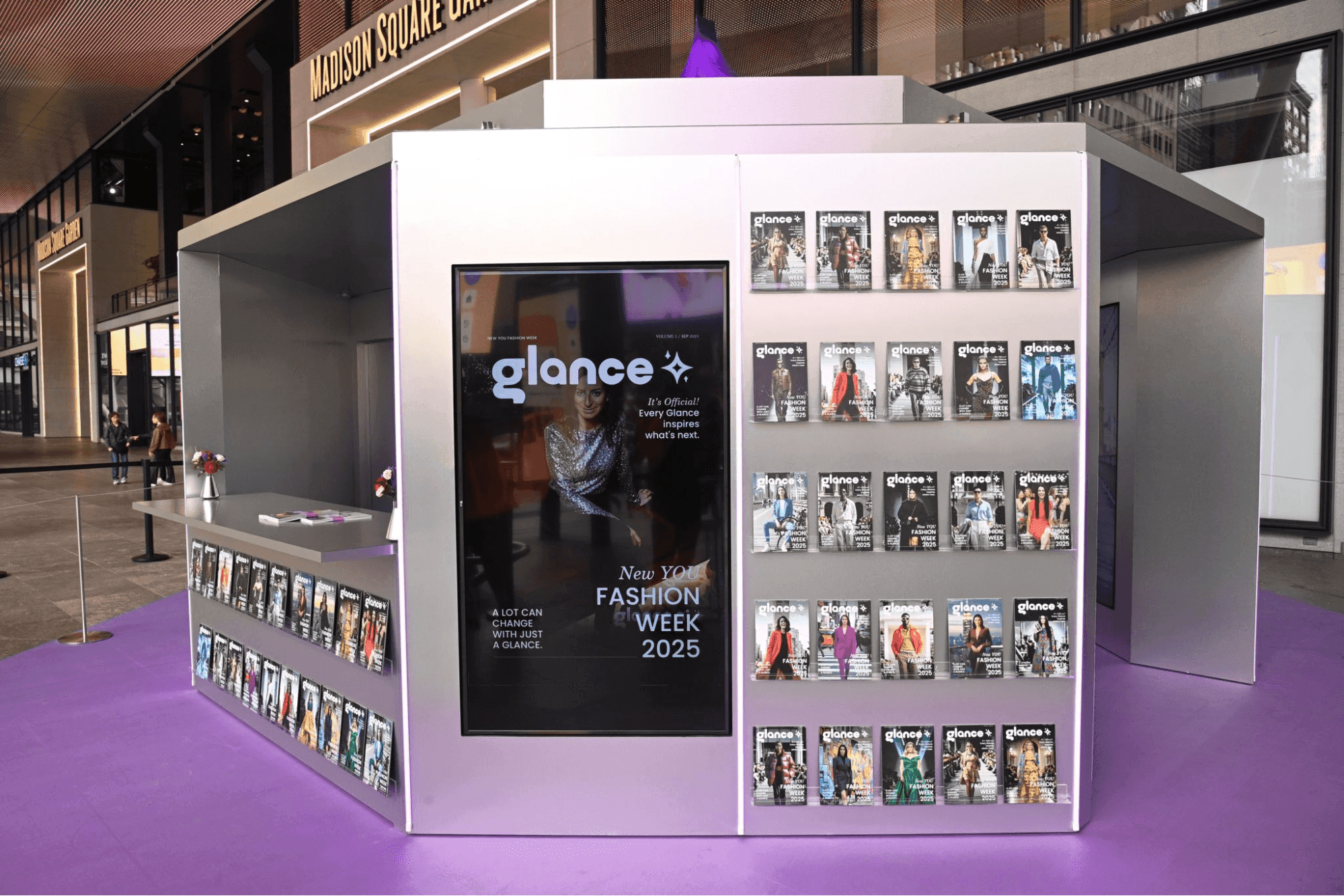
Behavior-led discovery platforms like Glance sit between these two layers.
Not as stylists.
Not as trend authorities.
But as contextual mirrors—reflecting evolving taste by observing how people browse, pause, and return to certain aesthetics over time. These signals don’t define identity; they surface familiarity and reduce noise.
It’s not about telling people what to wear.
It’s about recognizing what already feels aligned.
What This Shift Means for U.S. Shoppers (Especially Gen Z)
For shoppers, this change is quietly reassuring:
- Less pressure to follow named trends
- More confidence in repeating what feels right
- Fewer regret-driven purchases
Fashion becomes less about keeping up—and more about coherence.
Trends don’t disappear.
They just stop acting like rules.
Conclusion: Authority Didn’t Vanish — It Decentralized
AI hasn’t replaced cultural judgment.
People haven’t lost relevance.
What changed is how trends earn attention.
AI fashion trend analysis reveals what’s forming through behavior.
Human insight explains why it matters.
Together, they reflect a fashion future shaped by observation, interpretation, and lived experience—not hype.
For Gen Z navigating constant choice, that doesn’t feel confusing.
It feels honest.
FAQs related to AI Fashion Trend Analysis
What is AI fashion trend analysis?
AI fashion trend analysis studies large-scale visual and behavioral data to identify emerging fashion patterns before they’re formally labeled or explained.
How is AI fashion trend analysis different from traditional trend forecasting?
AI fashion trend analysis detects patterns through behavior and repetition, while traditional forecasting focuses on cultural interpretation and editorial judgment.
Why does AI fashion trend analysis matter for Gen Z shoppers?
AI fashion trend analysis aligns with how Gen Z discovers fashion—through repeated exposure and relevance, not authority or seasonal trend declarations.
Can AI fashion trend analysis replace human insight in fashion?
No. AI fashion trend analysis identifies patterns, but people are still needed to interpret cultural meaning, timing, and emotional relevance.
How does AI fashion trend analysis influence everyday shopping choices?
AI fashion trend analysis helps surface familiar aesthetics earlier, reducing choice overload and helping shoppers recognize what already aligns with their preferences.
Download the Glance app now




Your intelligent
shopping agent.







Your intelligent
shopping agent.