

AI Outfit Personalization: Learn Your Style Better Than Ever
TL;DR
AI outfit personalization is changing the way people understand and refine their personal style. Rather than guessing what to wear, AI observes patterns in your clothing choices, preferred colors, body proportions, and mood-driven preferences. It helps build a wardrobe that is consistent, comfortable, and expressive. This approach is particularly useful for individuals with ADHD, as it reduces decision fatigue, provides sensory-friendly recommendations, and creates predictable styling routines.
Fashion is no longer just about following trends; it’s about understanding your preferences, comfort, and identity. What you wear reflects not only your taste but also your mood, cultural influences, and even the way you navigate the world. Until now, discovering a personal style often involved trial and error, endless scrolling, impulse buying, or guessing what works. AI changes all of that.
Intelligent outfit personalization through platforms like the Glance Intelligent Shopping Agent transforms style discovery. Instead of generic suggestions, AI learns from your choices, noticing subtle patterns in fit, colors, fabrics, and combinations. It then translates these insights into outfits that feel aligned with your personality and lifestyle.
Whether your goal is to reduce decision fatigue, manage sensory overload, or simply have a wardrobe that consistently reflects your taste, AI makes fashion effortless, precise, and deeply personal.
In this guide, we will explore why understanding your personal style matters, how AI decodes it at a deeper level, and why it is especially beneficial for people with attention or sensory challenges like ADHD.
Importance of Understanding Personal Style
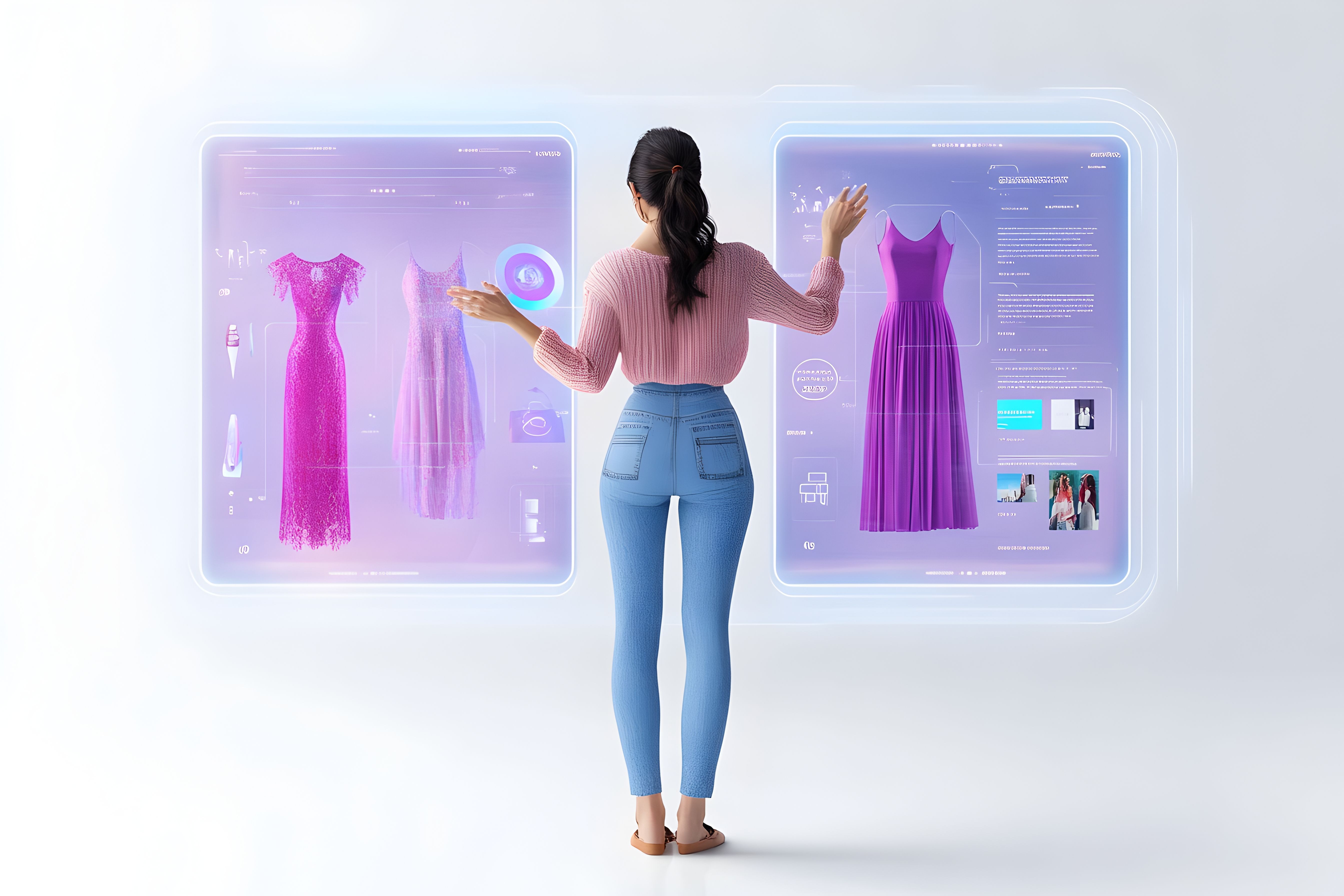
Personal style is more than a “look.”
It is a daily rhythm.
When you understand your style, you gain:
Clarity
You stop second guessing yourself every morning because you know what works for your body, lifestyle, and comfort level.
Consistency
Your closet stops feeling chaotic. You start seeing patterns in what you like and why you like it.
Confidence
When clothes align with your identity, you walk differently, speak differently, and feel more grounded in your skin.
Less waste
You buy fewer random pieces and build a wardrobe that supports long-term satisfaction rather than short-term impulse.
Better emotional balance
Fashion affects mental well-being. Decision fatigue, comparison culture, and fast fashion pressure can drain energy. Personal style acts like an anchor, a sense of self amidst constant noise.
Understanding your style used to take years of trial and error. AI shortens that learning curve by recognizing patterns faster than you ever could alone.
Did you know? The AI in fashion market surged from $1.26 billion in 2024 to $1.77 billion in 2025, registering a compound annual growth rate (CAGR) of 40.4%
How AI Outfit Personalization Helps You Know Your Style
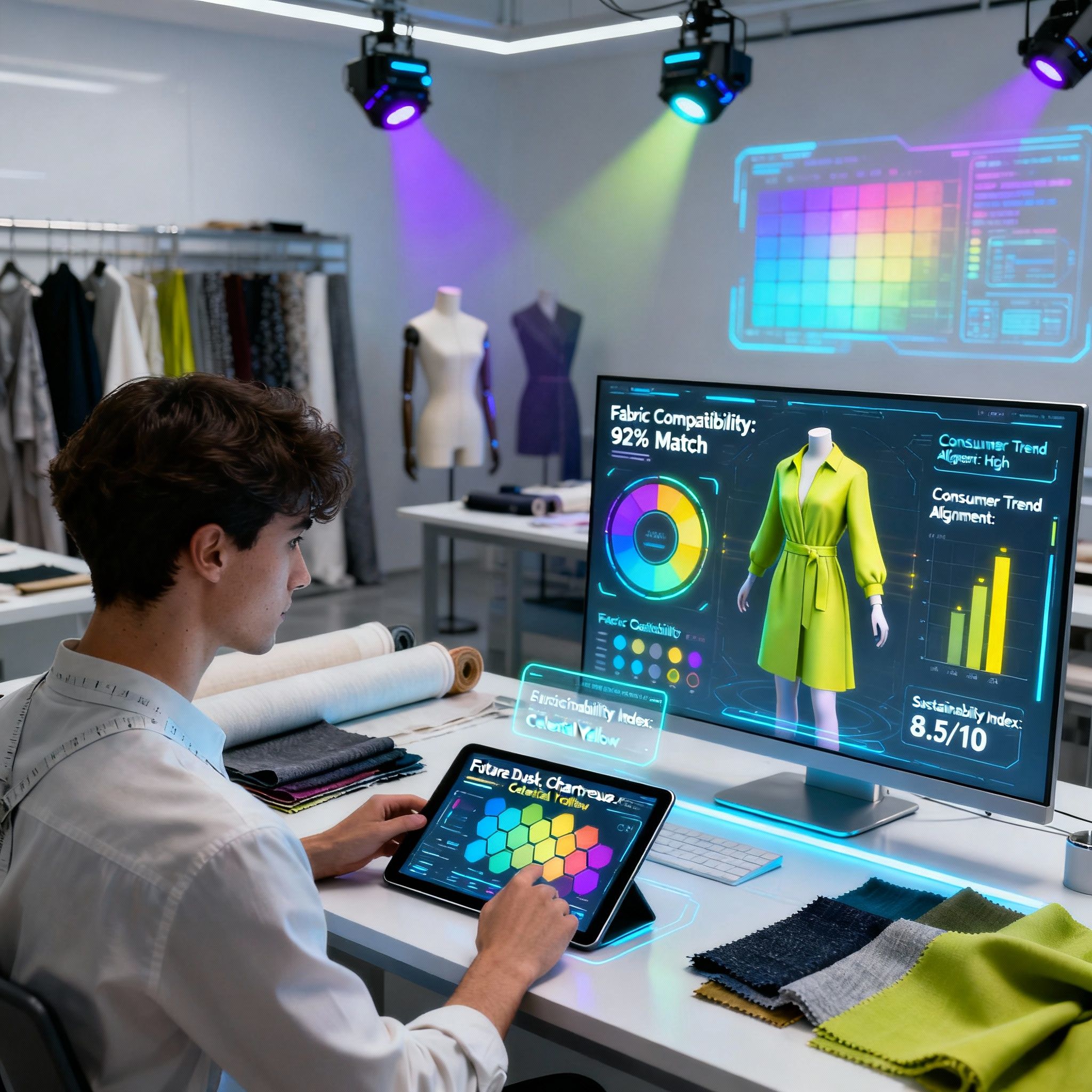
AI outfit personalization including Glance works like a translator.
It watches what you like, analyzes how you dress, and decodes the underlying logic of your taste.
Below are the major ways AI helps you understand your style better than ever.
1. It Breaks Down Your Style Patterns for You
AI studies your daily outfits, Pinterest saves, shopping history, screenshots, color preferences, and silhouettes.
It then identifies patterns you may not consciously notice such as:
- You gravitate toward soft textures
- You prefer straight fits over wide fits
- You avoid certain colors
- You wear three favorite outfits far more than anything else
These insights turn vague preferences into a clear style identity.
2. It Studies Your Actual Wardrobe
Most people forget what they own.
AI maps your wardrobe digitally and tracks what you wear most often.
By doing so, it highlights:
- Items you rely on
- Items you never touch
- Pieces that match well together
- Areas where your wardrobe has gaps
This awareness is impossible to maintain manually, especially for people who struggle with organization.
3. It Learns Your Mood and Occasion Patterns
AI notices your behavioral fluctuations.
Maybe you dress bolder on weekends.
Maybe you choose comfort over aesthetics after long workdays.
Maybe rainy weather changes your choices entirely.
These rhythms help AI personalize outfits that fit your emotional and lifestyle patterns rather than forcing aesthetics.
4. It Translates Social Media Inspiration into REAL Fit
Social media is overflowing with fashion inspiration, but replicating it rarely works.
AI extracts the essence of the look you like:
- Layering style
- Color palette
- Aesthetic vibe
- Silhouette
- Proportion
Then it maps these elements to your wardrobe and your body proportions.
You get looks inspired by TikTok and Instagram without unrealistic copying or comparison anxiety.
5. It Helps You Experiment Safely with a Digital Twin
One of the most powerful features in AI personalization is the creation of a digital version of you.
Your AI twin tries outfits, trends, and silhouettes so you can see what works before buying or wearing anything.
This eliminates dressing-room stress and helps you embrace creativity without fear of looking “wrong.”
6. It Supports Sensory Comfort and Predictability
(A Lifeline for needs of fashion for ADHD)
ADHD stands for Attention-Deficit/Hyperactivity Disorder, a neurodevelopmental condition that affects focus, attention regulation, impulse control and planning. In the context of fashion, ADHD can influence decision-making, outfit planning, sensory comfort and the ability to build consistent personal style routines.
Fashion for ADHD often involves challenges that others don’t see:
- Sensory sensitivities to fabrics
- Overwhelm from too many outfit choices
- Forgetting clothes buried in the closet
- Stress from unpredictable styling outcomes
AI outfit personalization naturally reduces this friction.
It provides predictable outfit planning so mornings become easier.
It filters suggestions based on your sensory-friendly preferences.
It organizes your wardrobe visually to reduce overwhelm.
It remembers what feels good on your body even on days your attention is all over the place.
For many users with ADHD tendencies, AI is not just a styling tool it is a stability anchor.
7. It Learns and Evolves With You
Style isn’t static.
People change.
Bodies change.
Lifestyle changes.
The Glance intelligent shopping agent adapts without judgment.
If you start exploring a new aesthetic, gain or lose weight, switch jobs, or embrace a different lifestyle, the system shifts instantly with you.
Personal style becomes a living system instead of a fixed definition.
Conclusion
The beauty of AI lies in its ability to understand you on a deeper level than traditional fashion tools ever could.
This is something that number tells. 73% of fashion shoppers expect brands to recognize and cater to their individual tastes and preferences, creating demand for AI-powered outfit personalization.
It turns chaos into clarity.
It strengthens individuality instead of flattening it.
It frees you from trend-pressure and sensory overwhelm.
AI outfit personalization does not tell you what to wear, it reveals why you wear what you wear.
And once you understand that, style becomes less about effort and more about expression. The future of fashion is not trend led, it is self led, powered by systems that learn your taste, your rhythm, and your emotional comfort.
This shift empowers everyone from minimalists to maximalists, from trend lovers to neurodivergent dressers.
Fashion finally becomes less performative and more personal where technology enhances self-expression in a way that feels natural, supportive, and deeply human.
FAQs Related to AI Outfit Personalization
1. What is AI outfit personalization?
AI outfit personalization is a smart technology that learns your wardrobe choices, body shape, lifestyle, and style preferences to recommend outfits curated just for you. In the USA, shoppers increasingly rely on this tech to save time, discover new brands, and make daily styling effortless.
2. How does AI help me understand my personal style better?
AI analyzes your shopping habits, clothing preferences, and outfit history to reveal patterns in colors, fabrics, and silhouettes. For US users, this means gaining a clear understanding of your style identity, discovering looks that suit your lifestyle, and avoiding repetitive or uninspiring outfit choices.
3. Can AI outfit personalization help with ADHD fashion challenges?
Yes. AI outfit personalization simplifies decision-making for people with ADHD by visually organizing wardrobe options, recommending sensory-friendly fabrics, and offering predictable outfit planning. This makes dressing in the US fast-paced lifestyle easier and less stressful.
4. Does AI replace human stylists?
No. AI complements personal stylists by providing data-driven outfit suggestions, real-time style insights, and continuous wardrobe support. In the US fashion market, AI enhances convenience without replacing the human creativity and cultural nuance stylists provide.
5. How does AI turn social media inspiration into real outfits?
AI scans the colors, layers, silhouettes, and proportions in your favorite social media posts and adapts them to your body type and wardrobe. For American shoppers, this means transforming trending looks into practical, wearable outfits you can shop for online or recreate from your own closet.
Download the Glance app now




Your intelligent
shopping agent.







Your intelligent
shopping agent.