

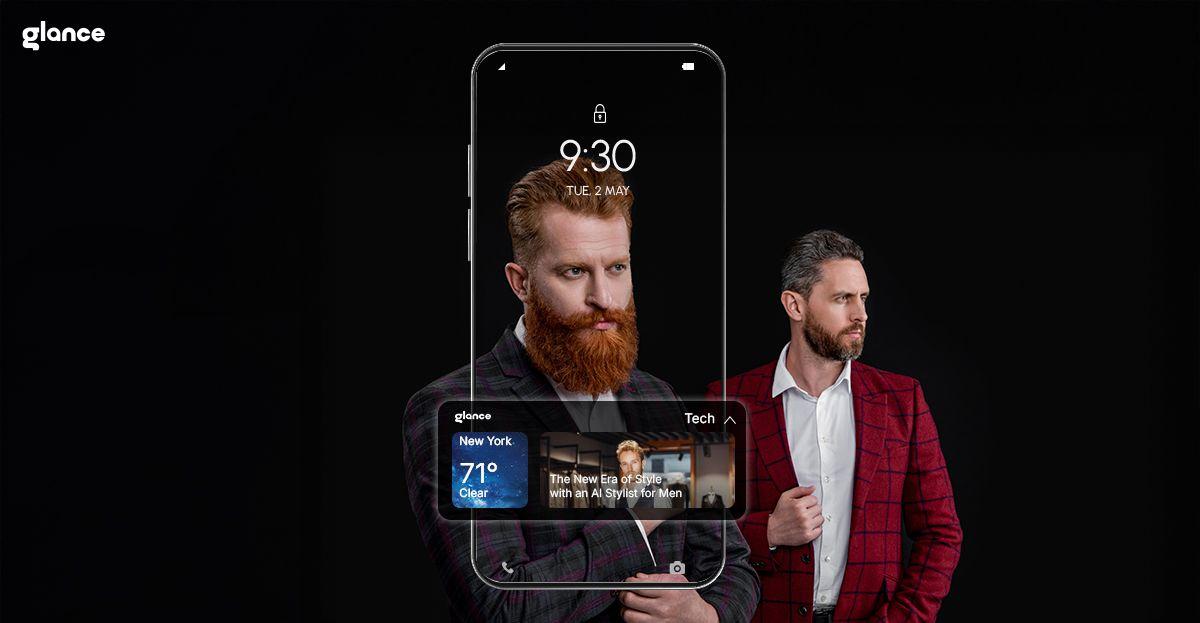
How AI Stylist for Men Changing Fashion
TL;DR
AI stylists for men are transforming fashion from endless browsing into intelligent decision making. Glance goes further as an intelligent shopping agent, not a traditional stylist — it reads your body type, weather, trends, and occasions to build a complete outfit before you even search, reducing decision fatigue and improving confidence.
What Is an AI Stylist for Men?
An AI stylist for men uses AI to translate your body type, context, and preferences into complete outfit decisions — not just suggestions. Glance takes this further as an intelligent shopping agent, not a traditional stylist: it reads five real-time signals — your features, weather, trends, occasions, and behavior — to build a full look before you even search.
Most men don’t struggle with fashion because they lack options. They struggle because every choice feels uncertain. What actually fits well, what matches the occasion, what feels like you—it usually turns into guesswork.
That is exactly what is changing now.
With the rise of AI stylists for men, fashion is shifting from browsing to decision making. Instead of scrolling endlessly or relying on trial and error, styling systems now understand context, preferences, body type, and even external factors like weather and occasion.
Why Men Struggle With Fashion Choices

Men’s fashion is no longer limited.
Earlier, the decision was simple. A few shirt styles, predictable colors, standard fits. Today, the landscape has expanded into:
- Streetwear
- Minimal aesthetics
- Workwear hybrids
- Occasion specific styling
- Layered and experimental looks
More options should make things easier. Instead, they increase friction.
The real problem is not availability. It is a lack of clarity.
Most platforms still offer:
- Generic recommendations
- Trend driven suggestions
- Limited personalization
What they do not solve is:
- What works for you
- What fits your lifestyle
- What makes sense today
This is where AI stylists for men step in offering personalized shopping experiences.
How an AI Stylist for Men Actually Works?

Instead of asking you to browse, it interprets your intent, your context, and your preferences — then generates complete outfit decisions.
Behind the scenes, it combines: Physical features and fit — the same visual-understanding signal Glance's five-agent architecture calls out explicitly, alongside weather, trends, and occasions.
The result is not a list of clothes, and it's not styling in the traditional sense either — Glance doesn't suggest based on rules or trends the way a stylist does. It combines visual intelligence, product discovery, and real-time context to generate a complete, ready-to-wear direction.
How AI Stylists Shift Fashion from Choice to Clarity
The biggest change is not better suggestions. It is reduced decision load.
Before
- Scroll through options
- Compare styles
- Try combinations
- Second guess
After
- Input intent or context
- Receive complete outfit direction
- Make faster decisions with higher confidence
This is where the shift becomes more concrete.
Instead of simply narrowing choices, modern systems move toward full decision execution. The Glance Intelligent Shopping Agent represents this evolution by translating intent, context, and personal preference into complete outfit decisions in real time.
Rather than showing multiple options and asking users to decide, it interprets the situation and delivers ready-to-wear combinations aligned with:
- context
- mood
- personal style patterns
- real-world conditions
The result is not more choice. It is clarity through decision intelligence, where fashion stops being something you figure out and starts becoming something that is already resolved for you.
How Mood Based Styling Powered by AI Stylist Is Changing Personal Expression
One of the most practical shifts is how mood is integrated into styling.
Traditional fashion advice focuses on:
- Trends
- Occasions
But real decisions are influenced by:
- Energy levels
- Confidence
- Social intent
AI stylists translate these into outfit choices.
Example Mapping
Confident
→ Structured fits, sharper silhouettes, controlled palettes
Relaxed
→ Breathable fabrics, softer tones, looser fits
Creative
→ Layering, contrast, statement pieces
Professional
→ Balanced neutrals, clean structure, minimal distraction
This is not about styling for appearance alone.
It is about aligning how you feel with how you present yourself.
How AI Stylists Improve Everyday Wardrobe Use
Most wardrobes are underutilized.
Common patterns:
- Repeating safe outfits
- Ignoring certain pieces
- Buying without clarity
AI stylists change this by learning:
- What you wear often
- What you avoid
- What combinations work
Over time, this creates:
- Better outfit rotation
- Smarter combinations
- Fewer unnecessary purchases
The wardrobe becomes more efficient without needing more clothes.
How Different Users Benefit
For Gen Z
Trends and Style are identity driven.
They want:
- Fast decisions
- Aesthetic alignment
- Flexibility across looks
AI stylists enable:
- Quick outfit generation
- Style exploration without risk
- Alignment with evolving identity
For Professionals
The need is different.
They want:
- Consistency
- Efficiency
- Context appropriate styling
AI stylists provide:
- Daily outfit clarity
- Reduced decision time
- Balanced personal expression within professional limits
How Data Powers Personal Styling Without Overreach
AI styling works because it learns.
But the shift today is toward:
- Consent driven inputs
- Transparent usage
- Context based learning
Instead of intrusive tracking, systems rely on:
- Declared preferences
- Interaction patterns
- Visual cues where applicable
This ensures personalization feels useful, not invasive.
What a Real Decision Looks Like
Consider a typical scenario:
Morning
Workday with meetings
Warm weather
Preference for minimal style
Instead of browsing, the AI stylist processes:
- Environment
- Schedule
- Personal preferences
And outputs:
- Lightweight shirt in neutral tone
- Structured trousers for balance
- Minimal accessories
- Breathable fabric choices
Everything aligns with:
- Comfort
- Context
- Personal identity
No trial and error. No overthinking.
The Future of AI Stylists for Men
The shift is already visible in the industry — Ralph Lauren's own AI styling assistant, Ask Ralph, built with Microsoft, generates complete shoppable outfit combinations from a user's prompts across its Men's and Women's lines.
What is coming next:
- Calendar integrated outfit planning
- Real time adjustments based on weather changes
- Deeper identity mapping for style evolution
- Integration with sustainable fashion decisions
- Smarter wardrobe optimization
The direction is clear.
Fashion is moving from manual effort to intelligent systems that handle complexity in the background.
Conclusion
AI stylists for men are not just making fashion easier. They are redefining how decisions are made.
The shift is from:
Options to outcomes
Browsing to clarity
Guesswork to precision
Instead of asking what looks good, the system answers what works.
And that changes everything.
Fashion becomes less about effort and more about alignment.
FAQs Related to AI Stylist for Men
1. How does an AI stylist for men actually help in everyday dressing?
An AI stylist for men simplifies daily outfit decisions by analyzing context, personal style, and preferences to suggest complete looks. Instead of spending time mixing and matching, it helps you quickly identify outfits that fit the occasion—whether it’s a meeting, date, travel day, or casual outing. The goal is to reduce decision fatigue while improving style consistency.
2. Can an AI stylist improve how I feel in what I wear?
Yes, indirectly but significantly. When outfits are aligned with your body type, preferences, and context, you naturally feel more confident and comfortable. An AI stylist removes guesswork, which reduces second-guessing your appearance. This clarity often translates into better posture, confidence, and overall self-assurance in social and professional settings.
3. Does an AI stylist for men understand different occasions?
Modern AI styling systems are designed to recognize context. They differentiate between formal meetings, casual weekends, travel, and social events. Based on this, they adjust outfit suggestions in terms of color, fabric, and structure so that what you wear feels appropriate rather than random or repetitive.
4. How is an AI stylist different from browsing fashion apps or Pinterest?
Traditional platforms show inspiration, but they do not make decisions for you. An AI stylist goes a step further by filtering choices based on your personal profile and real-time context. Instead of endless scrolling, you get curated outfit combinations that are already optimized for you, saving time and reducing uncertainty.
5. Can an AI stylist help me build a better wardrobe over time?
Yes. Over time, an AI stylist learns your preferences, frequently worn pieces, and ignored items. It identifies patterns in your choices and suggests wardrobe improvements, including missing essentials and better color combinations. This gradually turns your wardrobe into a more functional, versatile, and intentional system rather than a random collection of clothes.
Download the Glance app now





Your intelligent
shopping agent.







Your intelligent
shopping agent.