

AI Tools for Fashion Design From Concept to Production
TL;DR
AI tools for fashion design are reshaping how collections are created in the US. From instant sketch generation to virtual sampling and consumer trend validation, designers now move faster with less waste. This guide breaks down 13 leading tools and explains where Glance fits as a consumer insight layer.
Fashion Design Is Emotional, Not Just Technical
Fashion design has always been about instinct. The feeling that a color will work. The sense that a silhouette will resonate. But instincts alone are risky in this era.
Designers today face tighter margins, faster cycles, and audiences that change their tastes overnight. A wrong call means wasted fabric, unsold inventory, and months of lost effort. That pressure is why AI tools for fashion design are no longer optional experiments. They are becoming everyday tools.
In the US alone, fashion brands lose billions each year due to overproduction and poor demand prediction. According to McKinsey, generative AI could unlock up to $150 billion in value for the fashion industry by 2028, largely through faster design workflows and better alignment with consumer demand.
This guide walks through the most useful AI tools for fashion design, grouped by how designers actually work. From early ideation to runway ready production. You will also see how platforms like Glance support designers by connecting real consumer behavior back into the design process.
Why AI Tools for Fashion Design Matter Now
AI in fashion is not about replacing creativity. It is about removing friction.
Designers spend a huge amount of time on repetitive tasks. Redrawing variations. Adjusting patterns. Guessing trends. AI tools for fashion design step in to handle that groundwork, so humans can focus on storytelling and vision.
Did you know?
Computer aided fashion design first entered US design schools in the late 1980s. At the time, many designers resisted it, fearing creativity loss. The same debate is now happening with AI, just at a much larger scale.
Category 1: Ideation and Concept Generation Tools
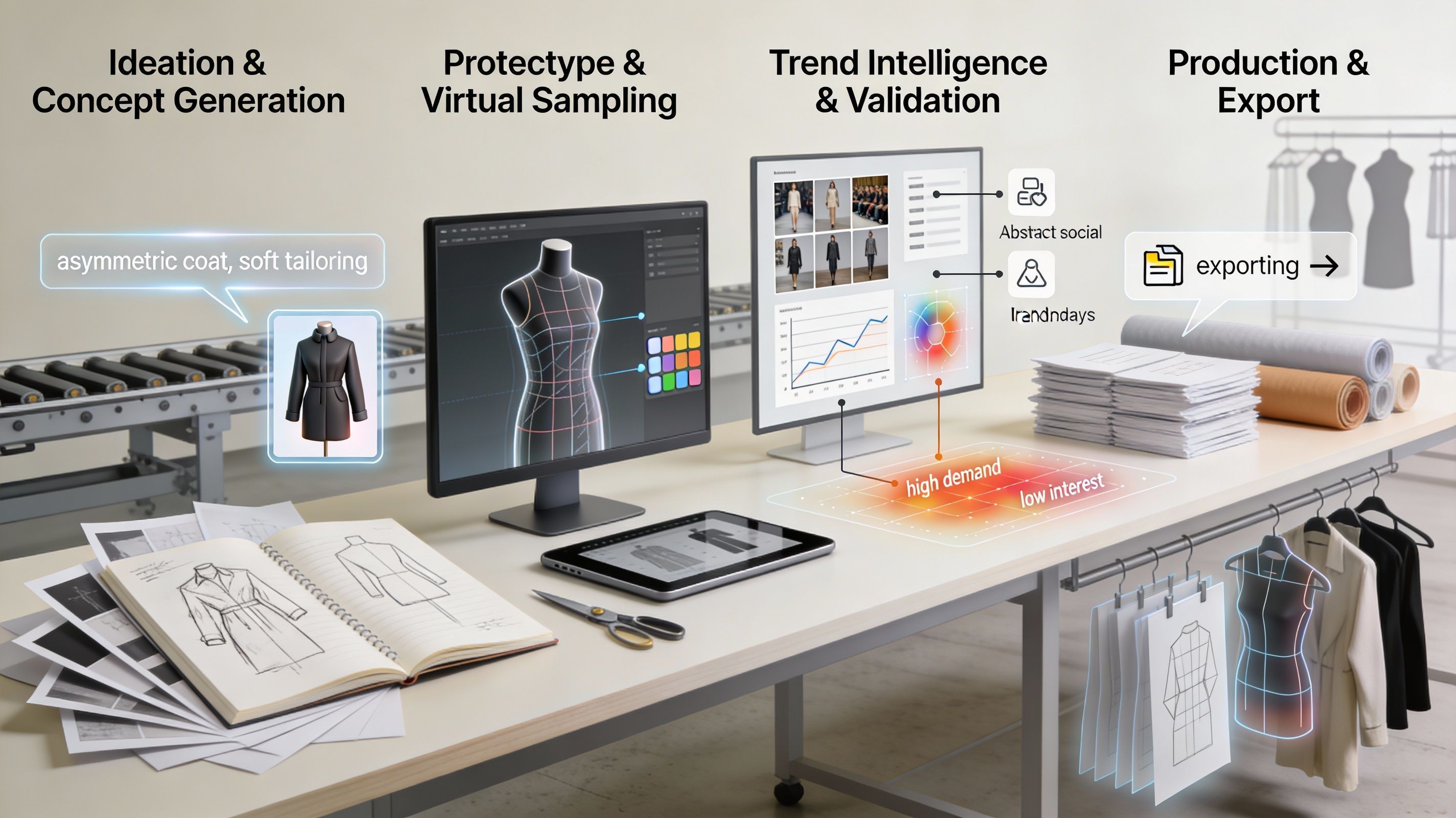
This is where most designers feel the biggest shift.
Resleeve
Resleeve turns text prompts into dozens of garment ideas in under a minute. Designers describe a concept and receive up to 50 variations almost instantly. This makes it easier to explore silhouettes before committing time.
NewArc.ai
NewArc.ai converts hand sketches into 3D garment concepts. It helps bridge the gap between rough ideas and digital prototypes
The New Black
This tool focuses on generating AI models, garments, and fabrics for concept visuals. It is often used in early presentations and pitch decks.
Category 2: Prototyping and Virtual Sampling
Physical samples are expensive and slow. This is where AI in fashion delivers real savings.
Style3D
Style3D simulates fabric behavior and fit using physics-based modeling. According to the company, brands using virtual sampling have reduced physical samples by over 70 percent
CLO 3D AI
CLO allows designers to create production ready patterns with accurate fit simulation. Many US brands now require CLO files before approving samples.
Designovel
Designovel focuses on color and fabric simulation. It helps designers test palettes digitally before committing to materials.
fashionINSTA
fashionINSTA automates technical packs. This reduces manual errors between design and manufacturing teams.
Category 3: Trend Intelligence and Validation
Design is risky without validation.
Heuritech
Heuritech analyzes millions of social images daily to identify emerging trends. It is widely used by large US retailers.
Trendalytics
Trendalytics connects runway trends with retail demand signals. It helps designers avoid over designing styles with low commercial appeal.
Category 4: Production and Export Tools
Refabric
Refabric helps generate patterns and prepare files for manufacturing.
Adobe Firefly
Adobe Firefly integrates generative AI into Photoshop and Illustrator, making it easier for designers to experiment without leaving familiar tools.
Where Each AI Tool Fits in the Fashion Design Process
Tool | Best Use | Consumer Insight |
Resleeve | Fast ideation | No |
Style3D | Virtual sampling | No |
CLO 3D | Production patterns | No |
Heuritech | Trend forecasting | Social data |
Glance | Style discovery | Real user behavior |
How Glance Supports Designers Without Designing for Them
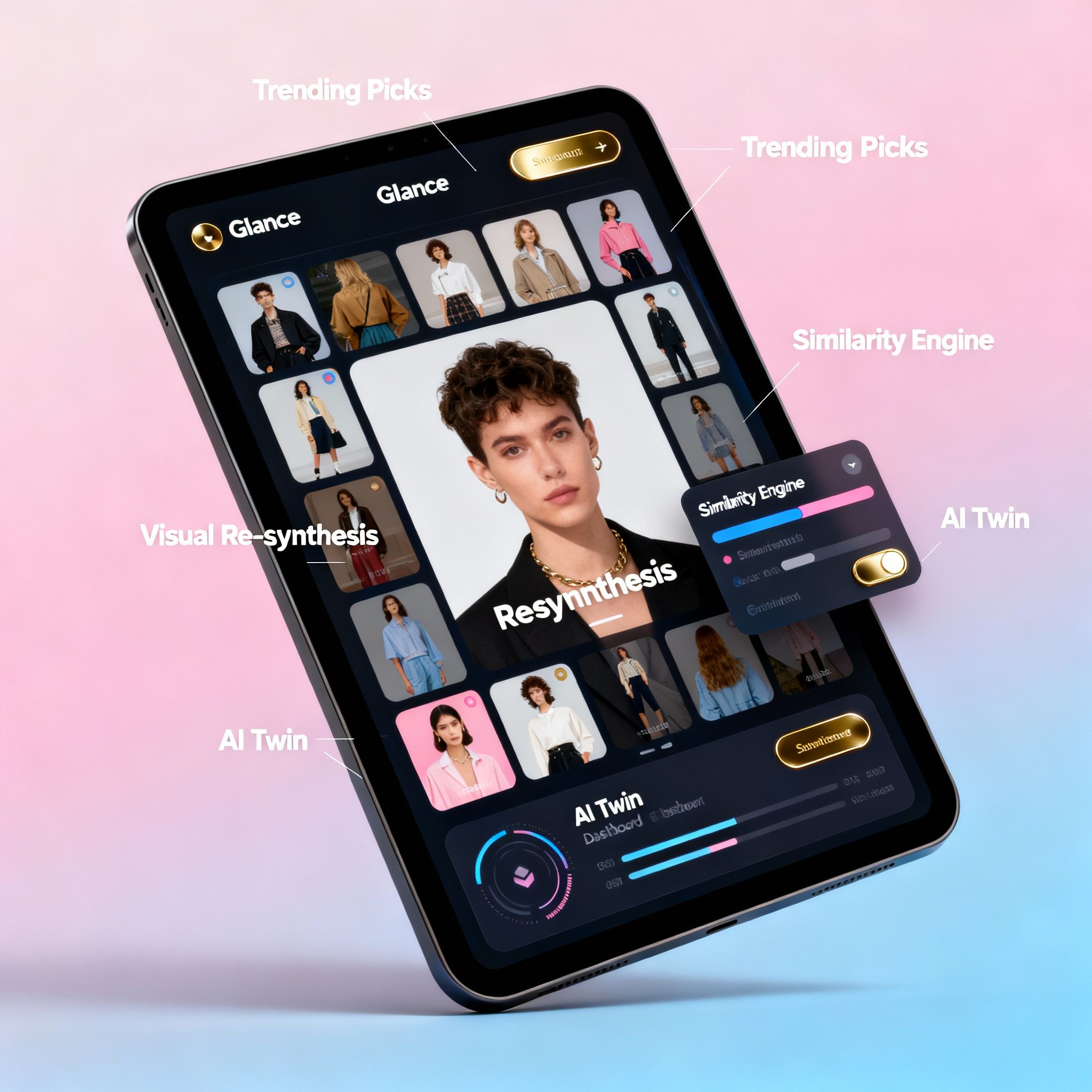
Glance is not a sketch generator or pattern tool. Its value lies elsewhere.
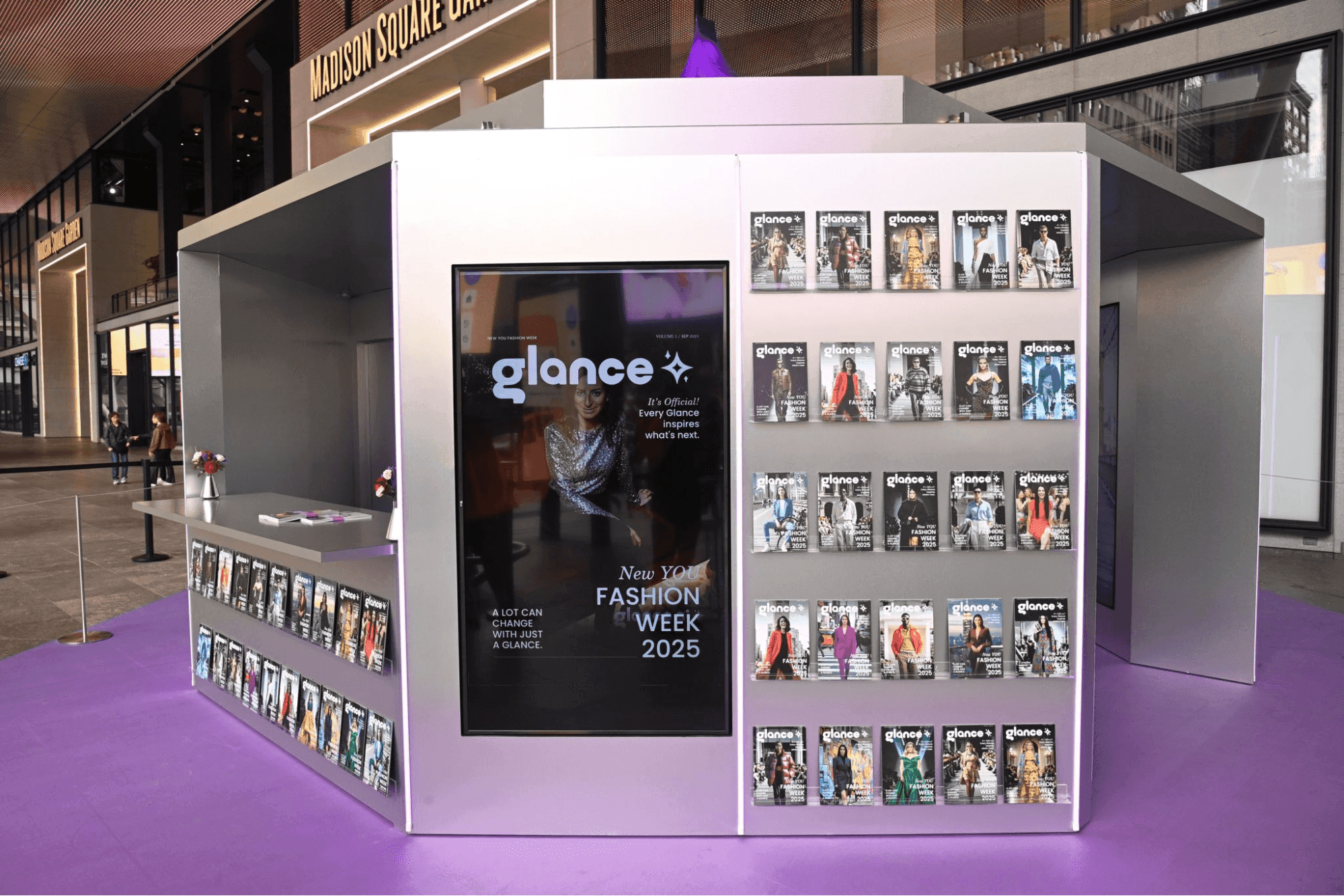
It helps surface style directions and visual themes that are gaining attention at a given moment. Designers can use this broader context to inform decisions around colors, moods, and overall collection direction. When used alongside AI tools for fashion design, Glance fits into the inspiration and discovery stage rather than the execution stage.
Did you know?
Before AI, designers relied on seasonal buyer feedback or runway reviews. Today, consumer behavior can be observed daily, sometimes hourly.
Real-life example:
A good real-world example of how AI is shaping modern design workflows is Heuritech. The Paris based fashion technology company uses advanced AI systems to analyze more than three million social media images every day. Instead of guessing trends, its platform reads what people are actually wearing in real life.
By identifying over two thousand fashion attributes such as colors, prints, fabrics, and product details, Heuritech helps brands understand demand before production begins. For designers using AI tools for fashion design, this kind of insight makes it easier to create collections that align with real consumer behavior. It also reduces overstock by helping teams produce what people are more likely to buy. In this way, AI tools for fashion design move beyond inspiration and become practical decision-making support.
Choosing the Right AI Stack for Your Role
Not every designer needs every tool.
- Solo designers benefit from Resleeve and Glance insights
- Studios gain more from Style3D and CLO 3D
- Agencies rely on trend intelligence tools plus ideation platforms
The key is integration, not accumulation.
The Future of AI in Fashion Design
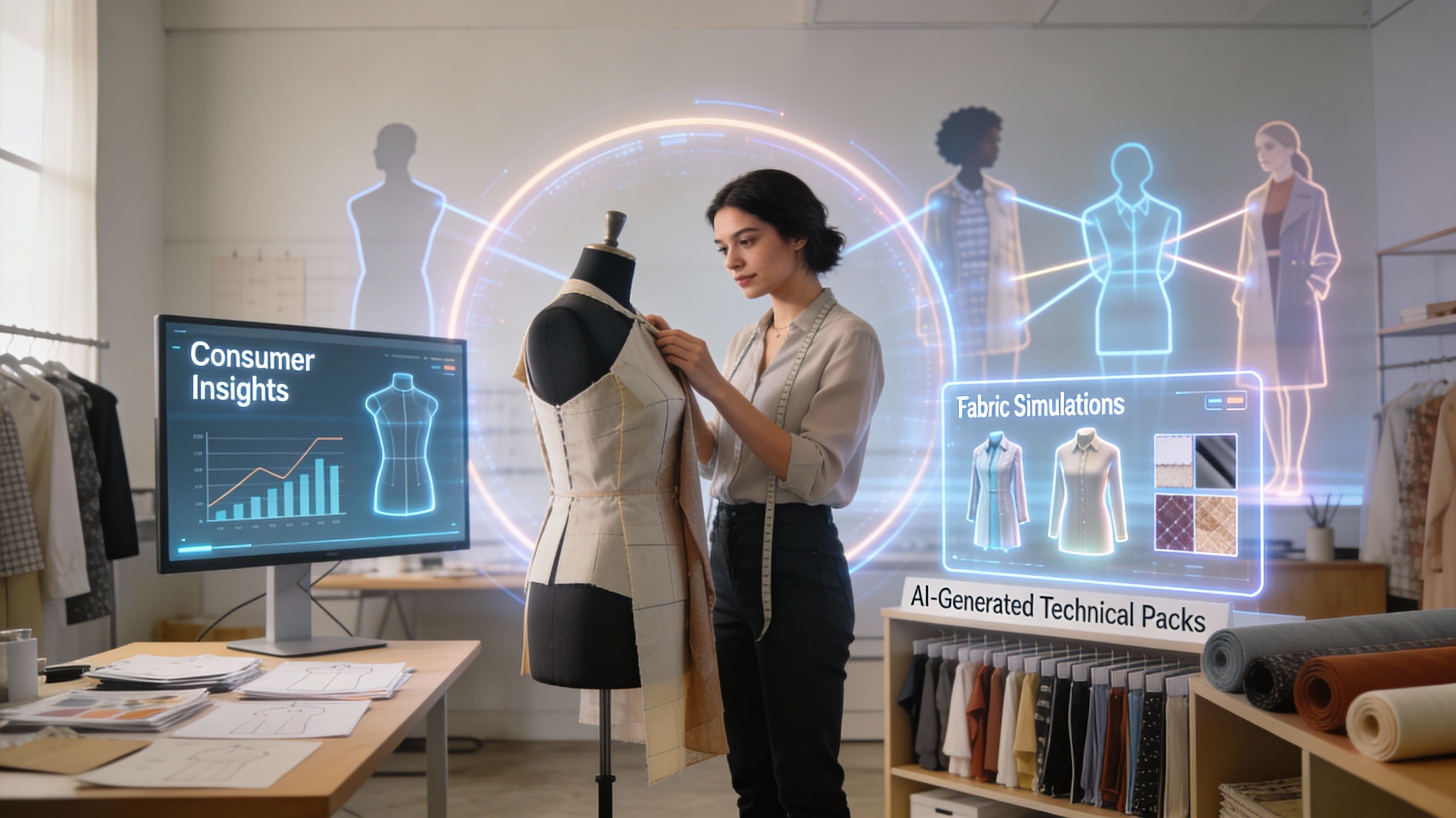
By 2026, we are likely to see tighter connections between consumer data, design tools, and production systems. Designers who learn AI tools for fashion design now will adapt faster than those who wait.
AI will not replace taste. It will replace guesswork.
Final Thought
AI tools for fashion design are not about speed alone. They are about confidence. Confidence that what you design has a reason to exist.
Design smarter. Create with clarity. Let AI handle the noise.
FAQs related to AI Tools for Fashion Design
- What are AI tools for fashion design?
AI tools for fashion design are software platforms that assist with ideation, prototyping, trend analysis, and production using artificial intelligence. - Are AI tools replacing fashion designers?
No. AI handles repetitive tasks and data analysis. Creative direction remains human led. - Which AI tool is best for beginners?
Resleeve is popular for beginners because it quickly generates visual ideas without technical complexity. - How does Glance help fashion designers?
Glance supports designers by showing real consumer engagement patterns that can guide design decisions. - Do US brands actually use AI in fashion today?
Yes. Many US brands now use AI for sampling, forecasting, and trend validation, according to McKinsey and AIMultiple.
Download the Glance app now





Your intelligent
shopping agent.







Your intelligent
shopping agent.