

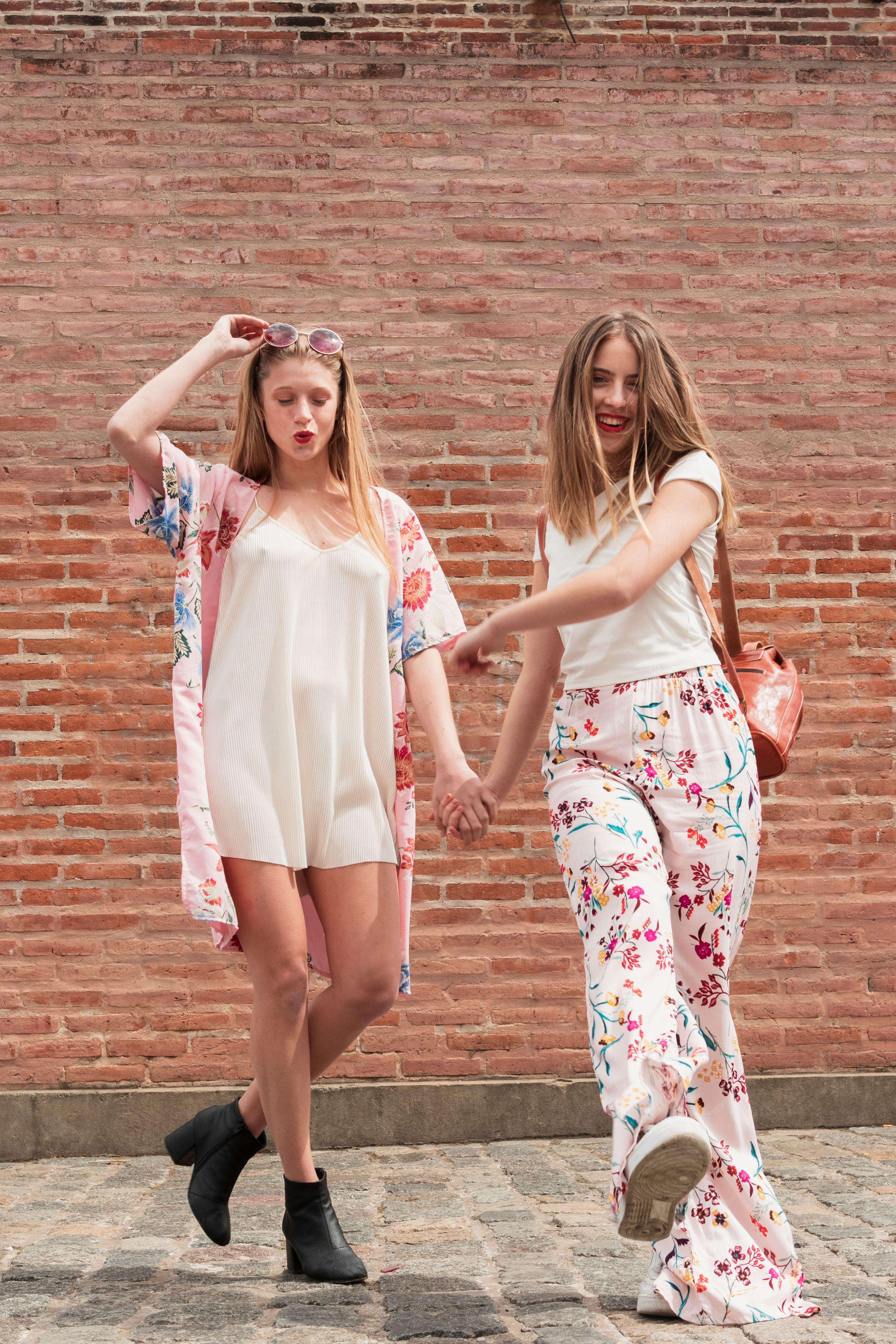
Casual Dressing Style for Women for Summer & Fall 2026
Summer and Fall Casual Brunch Outfit Ideas That Actually Work
Casual dressing is often misunderstood.
It is seen as simple. Easy. Something that does not require much thought.
But in reality, casual style is where most decisions become harder.
Because there are no clear rules.
No strict dress codes. No fixed expectations. Just choices.
What makes something look effortless instead of underdressed?
What makes a basic outfit feel intentional instead of repetitive?
Why do some casual looks feel polished while others feel unfinished?
In 2026, casual dressing style for women is no longer about “throwing something on.” It is about making everyday decisions feel aligned without overthinking them.
And this is where the shift is happening.
From choosing outfits
To being guided toward them
This is exactly where the Glance Intelligent Shopping Agent becomes relevant. Not as a styling tool, but as a system that reduces the effort required to get casual style right. It reads context, understands personal preferences, and builds outcomes that already feel close to what works.
Before getting into that, it helps to understand what casual style actually means today.
Casual Dressing Style for Women Is No Longer Basic

For years, casual style was reduced to a formula.
Jeans. T-shirt. Sneakers.
That formula still exists, but it no longer defines casual dressing.
Today, casual style is shaped by three things:
- Comfort
- Context
- Clarity
Comfort is expected. That part is solved.
The difference now comes from how intentional the outfit feels.
This is why modern casual dressing style for women includes:
Elevated fabrics
Soft linen, structured cotton, light knits, and fluid blends that look refined even in relaxed silhouettes.
Defined silhouettes
Loose does not mean shapeless. Wide-leg trousers, oversized shirts, and relaxed blazers are designed, not accidental.
Multi-use pieces
Clothing is no longer tied to a single occasion. A brunch outfit should work for errands. A weekend look should carry into evening.
Personal alignment
Trends matter less than whether something fits your lifestyle, your body, and your routine.
This is where most people struggle.
Not because they lack options.
But because translating personal preference into actual outfits takes effort.
Summer 2026: Casual Style That Feels Light but Considered

Summer casual dressing has always been about ease.
But ease often leads to repetition.
The same dresses. The same tops. The same combinations.
In 2026, the difference comes from subtle upgrades rather than dramatic changes.
What defines summer casual style now
The focus is on breathable structure.
Clothes that feel light but still hold shape.
Key directions shaping summer casual dressing style for women
Sheer and textured layering
Lightweight sheer fabrics, crochet details, and lace overlays create depth without adding weight. These pieces add variation to otherwise simple outfits.
Longline shorts and relaxed tailoring
Bermuda length shorts and tailored relaxed fits replace overly short or tight silhouettes. They offer comfort while maintaining structure.
No effort fabrics
Crinkled linen, gauze cotton, and soft blends that do not require ironing are becoming standard. These fabrics support a lifestyle where maintenance is minimal.
Volume with intention
Puff sleeves, wide skirts, and loose dresses are still present, but they are more balanced. The volume is controlled rather than exaggerated.
Clean base layers
Crisp cotton shirts, simple tanks, and neutral tops anchor the look. These are not statement pieces, but they create stability.
Casual brunch outfit ideas for summer
Brunch is one of the clearest expressions of casual dressing style.
It requires balance.
Not too dressed up. Not too relaxed.
Some combinations that consistently work:
- A linen shirt with wide-leg trousers and flat sandals
- A structured midi dress with minimal sneakers
- A tie-front top with a flowing skirt
- Tailored shorts with a soft knit top
The difference is not in the pieces themselves.
It is in how well they align with the setting.
This is where the Glance Intelligent Shopping Agent becomes useful. It does not suggest random combinations. It builds outfits based on where you are going, what the weather looks like, and how your style behaves over time.
You are not starting from scratch.
You are refining something that is already close.
Fall 2026: Casual Style Becomes Layered and Intentional

Fall introduces complexity.
More layers. More textures. More variation.
This is where casual dressing becomes more difficult to manage.
Because combinations increase.
In 2026, fall casual dressing style for women is defined by:
- Depth
- Warmth
- Flexibility
Key directions shaping fall casual dressing
New neutrals
Brown, taupe, and grey replace black as the dominant base. These tones feel softer and more adaptable.
Texture layering
Knits, suede, corduroy, and brushed fabrics create visual interest without relying on bold colors.
Relaxed structure
Oversized blazers, long coats, and layered shirts create shape without restricting movement.
Elevated comfort
Matching knit sets, soft tailoring, and premium athleisure allow comfort without losing form.
Subtle statement elements
Animal prints, textured bags, or standout shoes act as focal points without overpowering the outfit.
Casual brunch outfit ideas for fall
Fall brunch outfits require more balance because of temperature changes.
Some reliable combinations:
- A knit set with a structured coat
- Wide-leg pants with a tucked knit and loafers
- A midi dress layered with a light jacket
- Denim paired with a blazer and soft scarf
The goal is to build outfits that adapt through the day.
This is where reactive styling becomes difficult.
You have to think through layers, weather shifts, and occasions manually.
How to Elevate Casual Dressing Without Overthinking?

Casual style improves through small adjustments.
Not large changes.
Focus on texture
Mixing materials adds depth even when colors stay neutral.
Improve fit
Even relaxed clothing needs structure. The right proportions change how everything looks.
Use one standout element
This could be a bag, shoes, or a layer. It creates focus without complexity.
Keep color intentional
A limited palette often looks more refined than too many colors.
Layer thoughtfully
Especially in fall, layering adds dimension without requiring new pieces.
These principles are simple.
But applying them consistently is not.
That is where systems that reduce decision effort become useful.
Conclusion
Casual dressing style for women in 2026 is not defined by simplicity alone.
It is defined by clarity.
- Clarity in what works
- Clarity in how pieces come together
- Clarity in decisions
The difference between a basic outfit and an effortless one is not the clothing itself.
It is how well it fits the moment.
This is why the shift toward intelligent systems matters.
The Glance Intelligent Shopping Agent does not replace personal style.
It removes the friction in expressing it.
And that is what makes casual style feel effortless again.
FAQs Related to the Casual Dressing Style for Women
What is casual dressing style for women in 2026
Casual dressing style for women in 2026 focuses on comfort, structure, and personal expression. It includes relaxed silhouettes like wide-leg trousers, breathable fabrics such as linen and cotton, and versatile pieces that work across occasions like brunch, errands, and casual outings. The emphasis is on looking intentional without appearing overdressed.
What are the best casual brunch outfit ideas for women?
The best casual brunch outfit ideas for women include combinations that balance comfort and style. Popular options are linen pants with fitted tops, midi dresses with sneakers, tailored shorts with soft knits, and denim styled with structured layers. These outfits work well because they suit both relaxed and semi-social settings.
How can I make casual outfits look more stylish?
To make casual outfits look more stylish, focus on fit, layering, and texture. Choose well-fitted clothing, mix fabrics like cotton and knitwear, and add one standout element such as a structured jacket or statement accessory. Keeping a consistent color palette also helps create a more polished look.
What fabrics are best for casual dressing in summer and fall?
For summer, breathable fabrics like linen, cotton, and gauze are ideal for staying cool while maintaining structure. For fall, textured fabrics such as knits, corduroy, and light wool add warmth and depth. Choosing the right fabric improves both comfort and overall appearance in casual outfits.
How does AI help in casual dressing style for women?
AI improves casual dressing style for women by reducing decision effort and offering personalized outfit suggestions. The Glance Intelligent Shopping Agent reads context such as weather, location, and style preferences to present ready-to-wear outfit combinations. This helps users make faster and more confident styling decisions without starting from scratch.
Download the Glance app now






Your intelligent
shopping agent.







Your intelligent
shopping agent.