

Classic Fashion Styles Guide: Iconic Looks Through Eras
TL;DR
Trends come and go—but some outfits just refuse to leave. This classic fashion styles guide is for anyone who's tired of chasing what's "in" and wants to build a wardrobe that actually stands the test of time. From the game-changing minimalism of the 1990s to the way Gen Z is remixing vintage classics today, we're breaking down the looks, the moments, and the style rules that have stuck around for decades—and exactly why they work. If you've ever looked at an old photo and thought "that outfit still slaps"—this guide was written for you. Keep reading. es.
Trends today feel loud, fast, and gone before you even get used to them. One week it’s everywhere, the next week it’s “so last season.” If that feels exhausting, you’re not alone.
That’s exactly why more people are searching for a classic fashion styles guide right now. Classic fashion isn’t about going backward. It’s about choosing pieces that still look good years later, no matter what’s trending on social media.
From 1990s minimalism to today’s clean, modern classics, some styles just work. They’re easy to wear, easy to repeat, and easy to make your own. This classic fashion styles guide looks at how timeless fashion evolved from the 1990s to today — and why even Gen Z is bringing classic looks back in a big way.
What Makes a Fashion Style Truly Classic
Let’s clear this up first: classic fashion isn’t boring.
A fashion style becomes “classic” when it sticks around — not because it’s popular for one season, but because people keep wearing it again and again.
Classic fashion styles usually have a few things in common:
- Clean shapes
- Neutral or easy-to-style colors
- Good fit
- Pieces that work in many situations
Think white shirts, straight-leg jeans, tailored jackets, simple dresses. According to McKinsey’s 2023 State of Fashion report, US shoppers are putting more value on durability and versatility than novelty when buying clothes .
That shift is why a classic fashion styles guide feels more useful than another trend roundup.
The 1990s: Minimalism Becomes Iconic
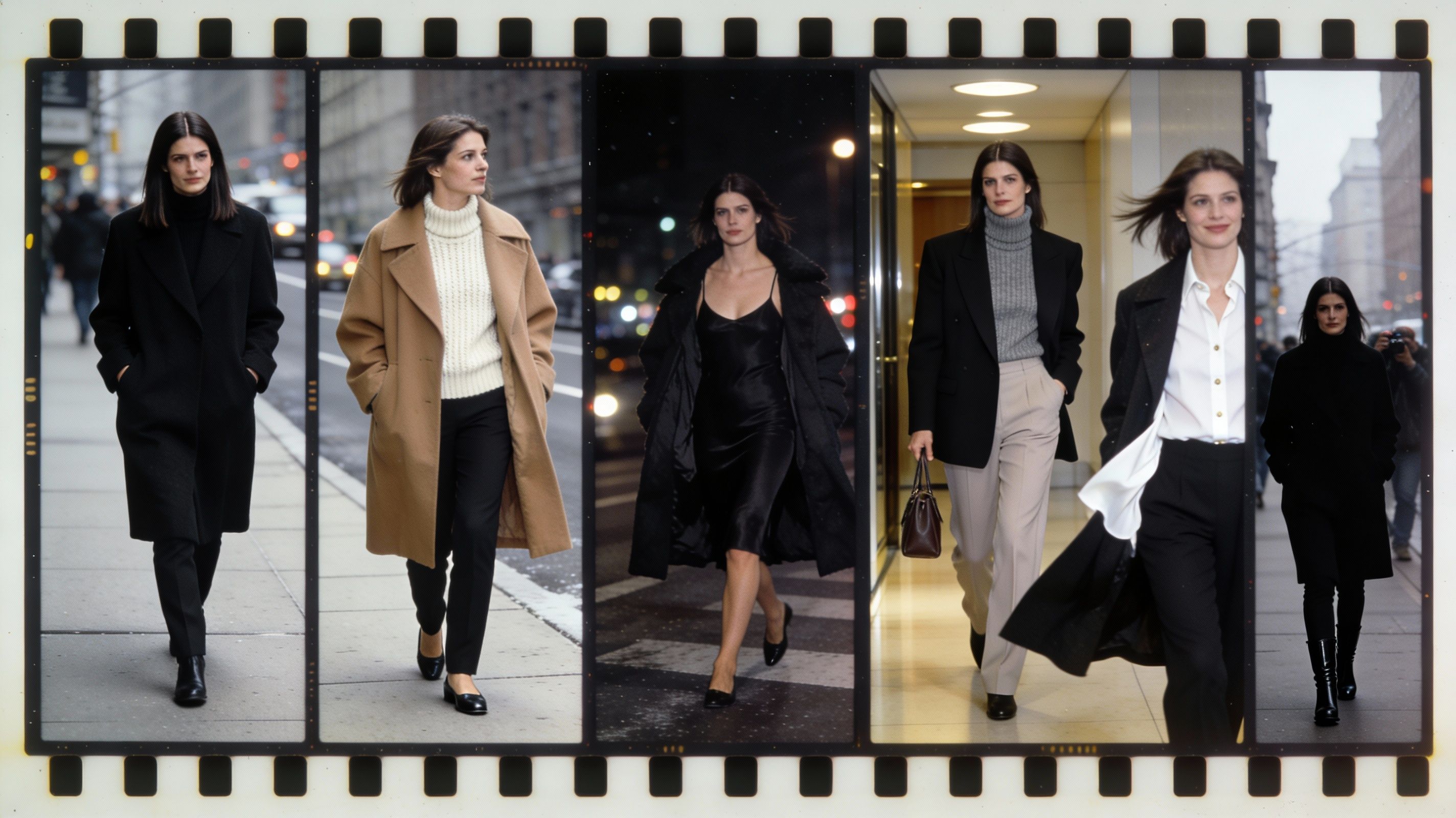
The 1990s completely changed how people dressed in the US.
After the flashy, over-the-top 1980s, fashion went quiet — on purpose. Minimalism became the moment.
Straight-leg denim, White tees, Slip dresses, Tailored blazers, Neutral colors everywhere.
Designers like Calvin Klein made simple look powerful. And style icons like Carolyn Bessette-Kennedy showed how effortless minimal dressing could feel modern and elegant at the same time.
Did you know?!
Many of today’s “basic” wardrobe pieces became popular in the 1990s because fashion was reacting against excess. Less wasn’t lazy — it was intentional.
This decade laid the foundation for what we still call classic fashion styles today.
The Early 2000s: Classics Get Softer and Cooler
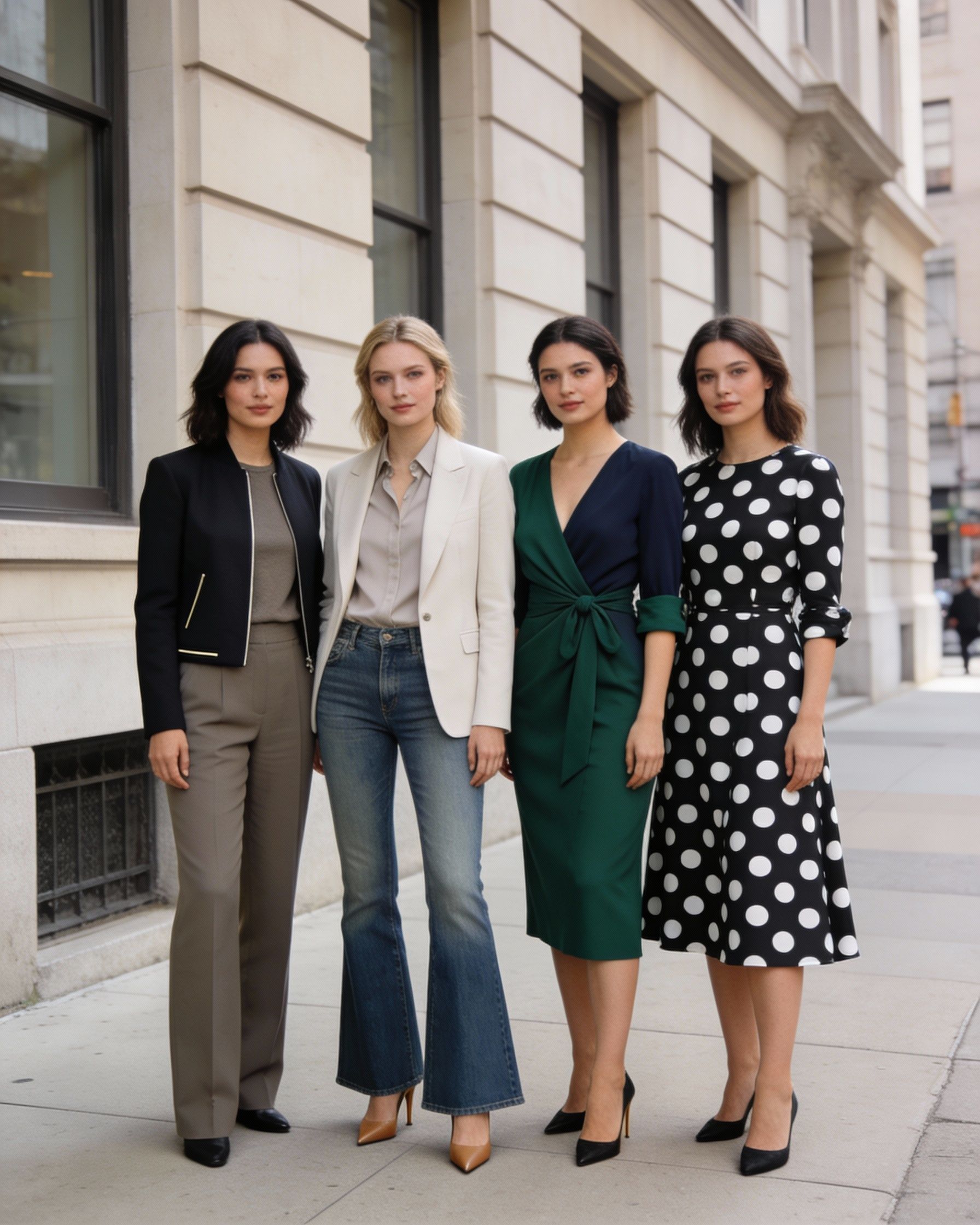
When the early 2000s rolled in, classic fashion didn’t disappear — it just relaxed a bit.
Looks became more polished but still wearable. Think:
- Tailored jackets
- Bootcut jeans
- Wrap dresses
- Playful but timeless prints
The black and white polka dot dress is a perfect example. Polka dots were already iconic thanks to Marilyn Monroe’s 1950s photos, but the early 2000s brought them back in cleaner, simpler silhouettes. That’s why the print still feels classic today.
The Strike Magazine explains that patterns like polka dots last because they get reinterpreted, not reinvented .
That ability to evolve is what keeps classic fashion styles alive.
The 2010s: When Smart Casual Became the New Classic
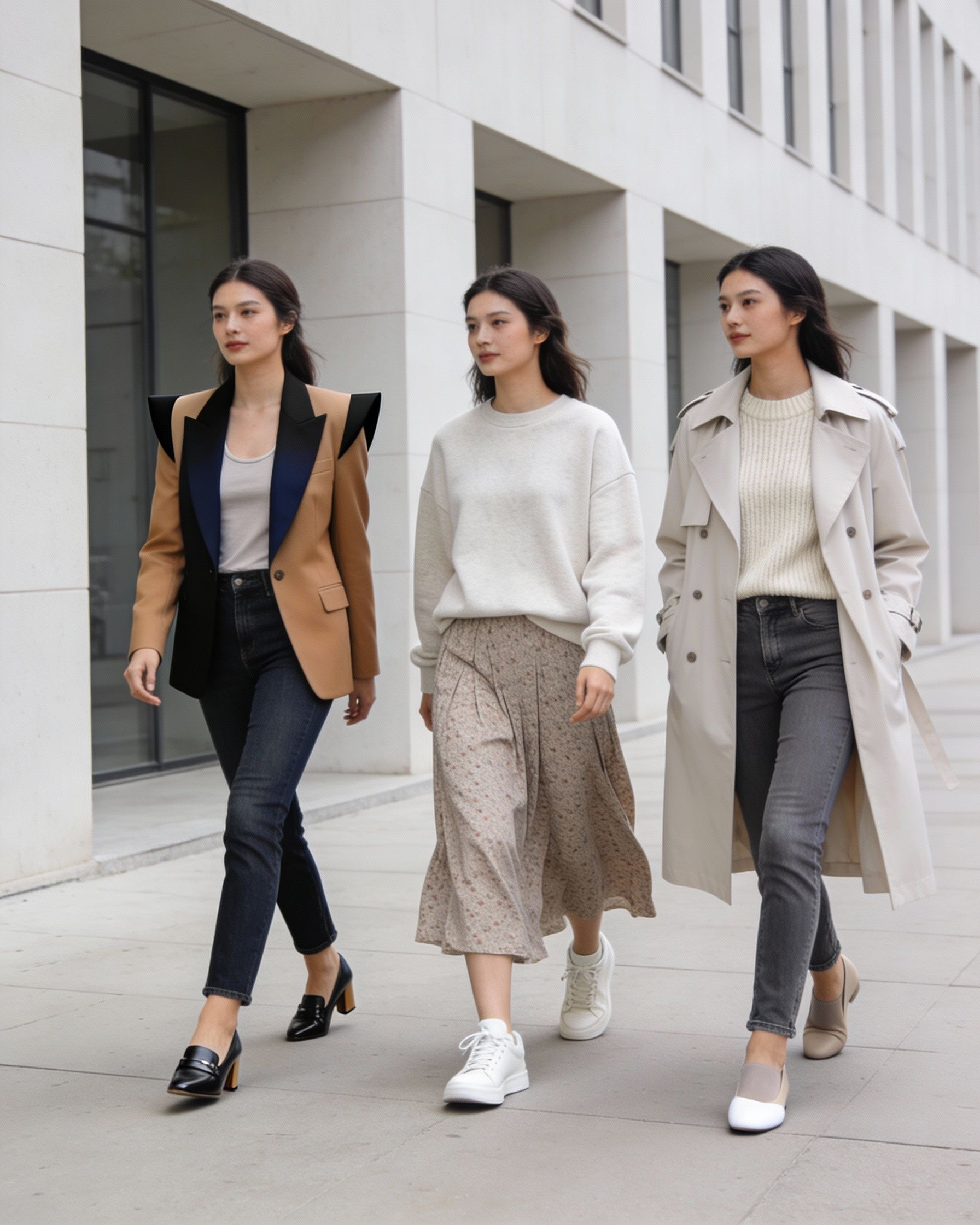
The 2010s changed how people lived — and dressed.
Work, weekends, and social life started blending together. As a result, classic fashion styles adapted again.
Structured blazers with jeans, Midi skirts with sneakers, Neutral layers you could wear anywhere.
Capsule wardrobes became popular because people wanted fewer pieces that worked harder. Harvard Business Review noted that shoppers overwhelmed by choice prefer simpler decisions — especially with clothing .
This era proved something important: classic fashion doesn’t mean formal. It means flexible.
Modern Classic Style Today (Yes, Gen Z Included)
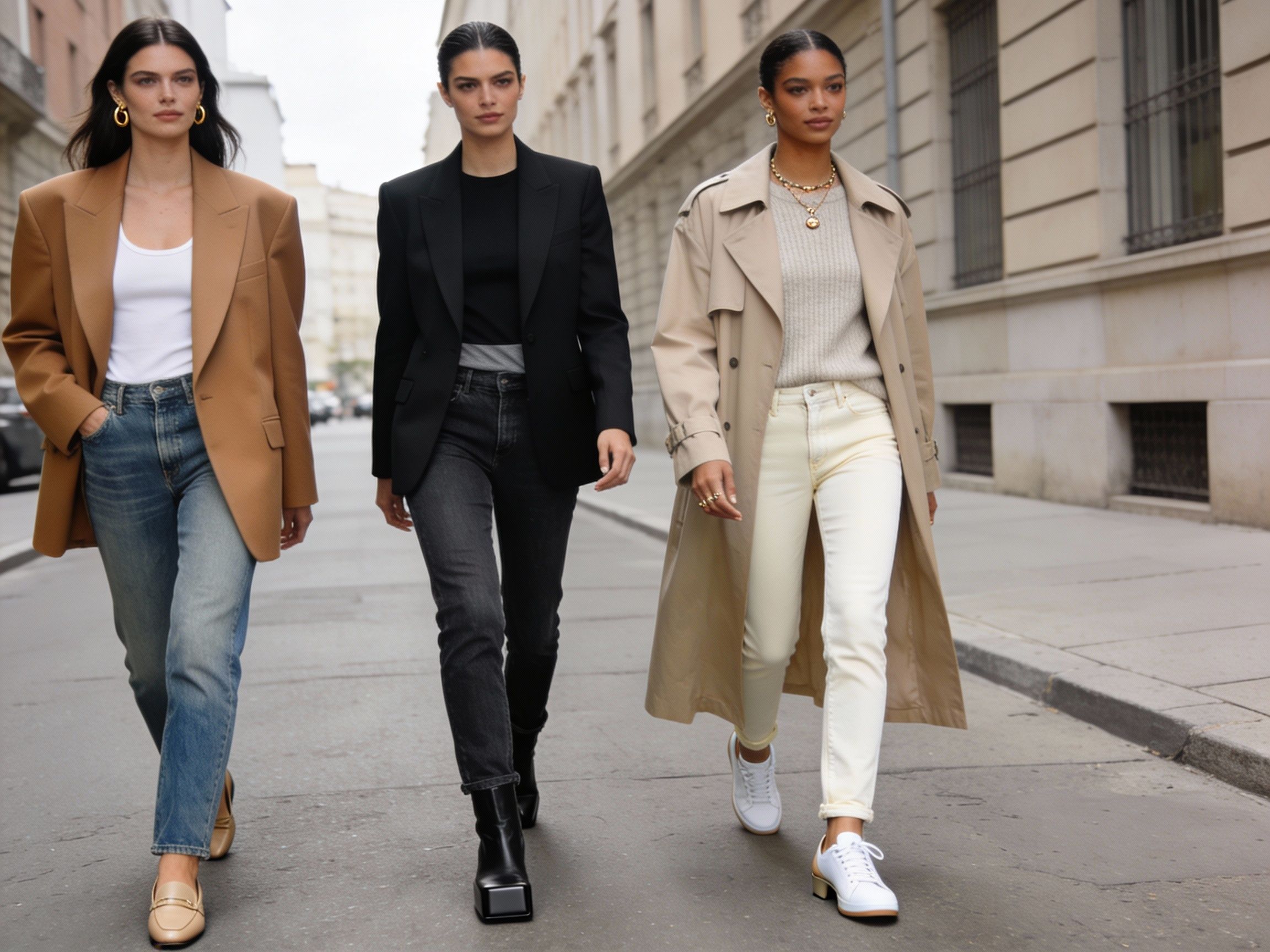
Today’s classic fashion styles are all about balance.
Comfort matters, Sustainability matters, Rewearing outfits matters.
That’s why even concert outfit ideas lean more classic now — tailored jackets, straight jeans, simple tops, comfortable shoes that still look polished.
Gen Z is a big part of this shift. Celebrities like Hailey Bieber, Kendall Jenner, and Zendaya regularly wear outfits inspired by 1990s minimalism. Oversized blazers, clean denim, neutral palettes — all classic, all modern.
Statista reports that US consumers are more likely to rewear outfits today than they were a decade ago, showing a return to long-term style thinking.
That’s exactly why a classic fashion styles guide feels relevant again.
Iconic Celebrity Moments That Made Styles Timeless
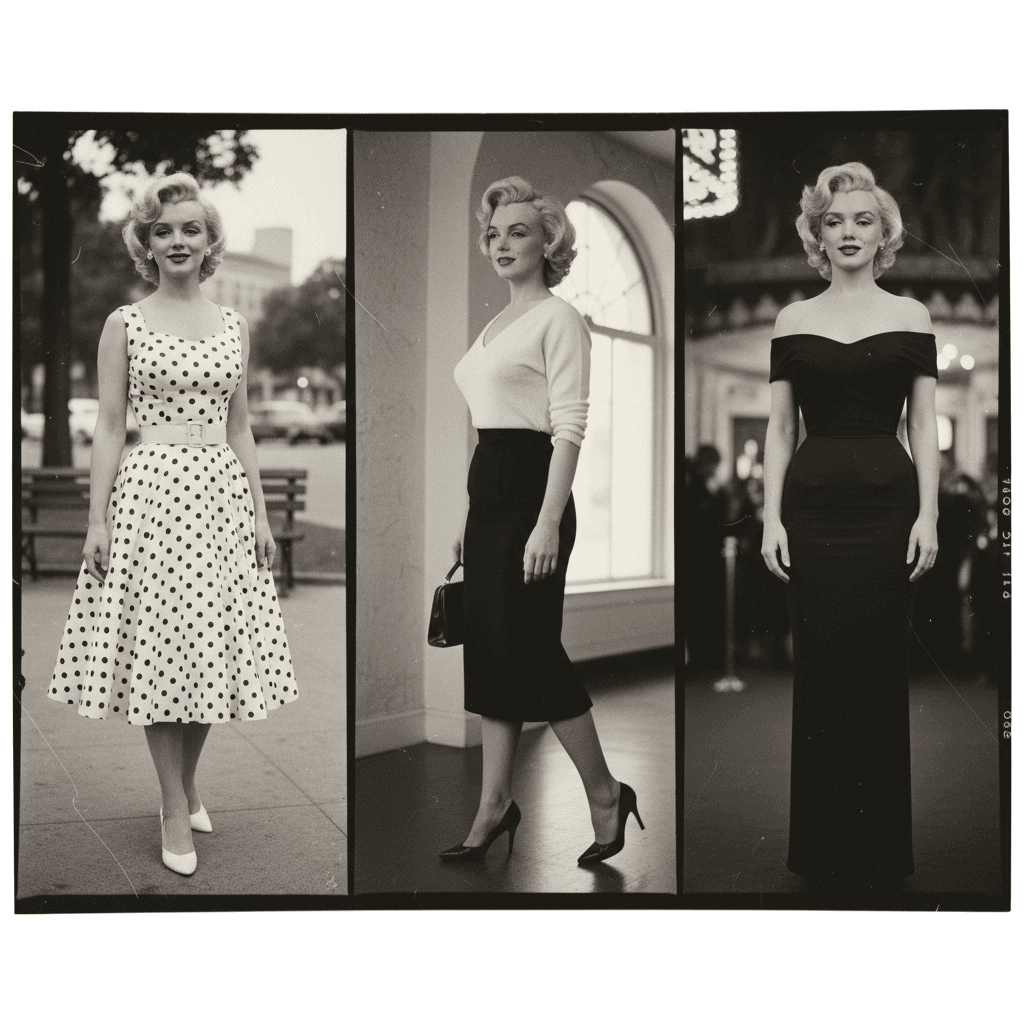
Celebrities have always helped turn outfits into icons.
Marilyn Monroe made polka dots, pencil skirts, and simple silhouettes unforgettable. In the 1990s, minimalist red-carpet looks from supermodels and actresses made “less is more” aspirational.
Did you know?!
The phrase “timeless style” started appearing more often in American fashion magazines during the 1990s — editors were literally telling readers to stop chasing trends.
Those moments helped lock classic fashion styles into pop culture.
How Gen Z Is Rediscovering Classic Fashion
What’s interesting is that Gen Z isn’t copying the past exactly — they’re remixing it.
They pair vintage denim with modern sneakers. They style classic blazers with crop tops. They mix clean basics with personal flair.
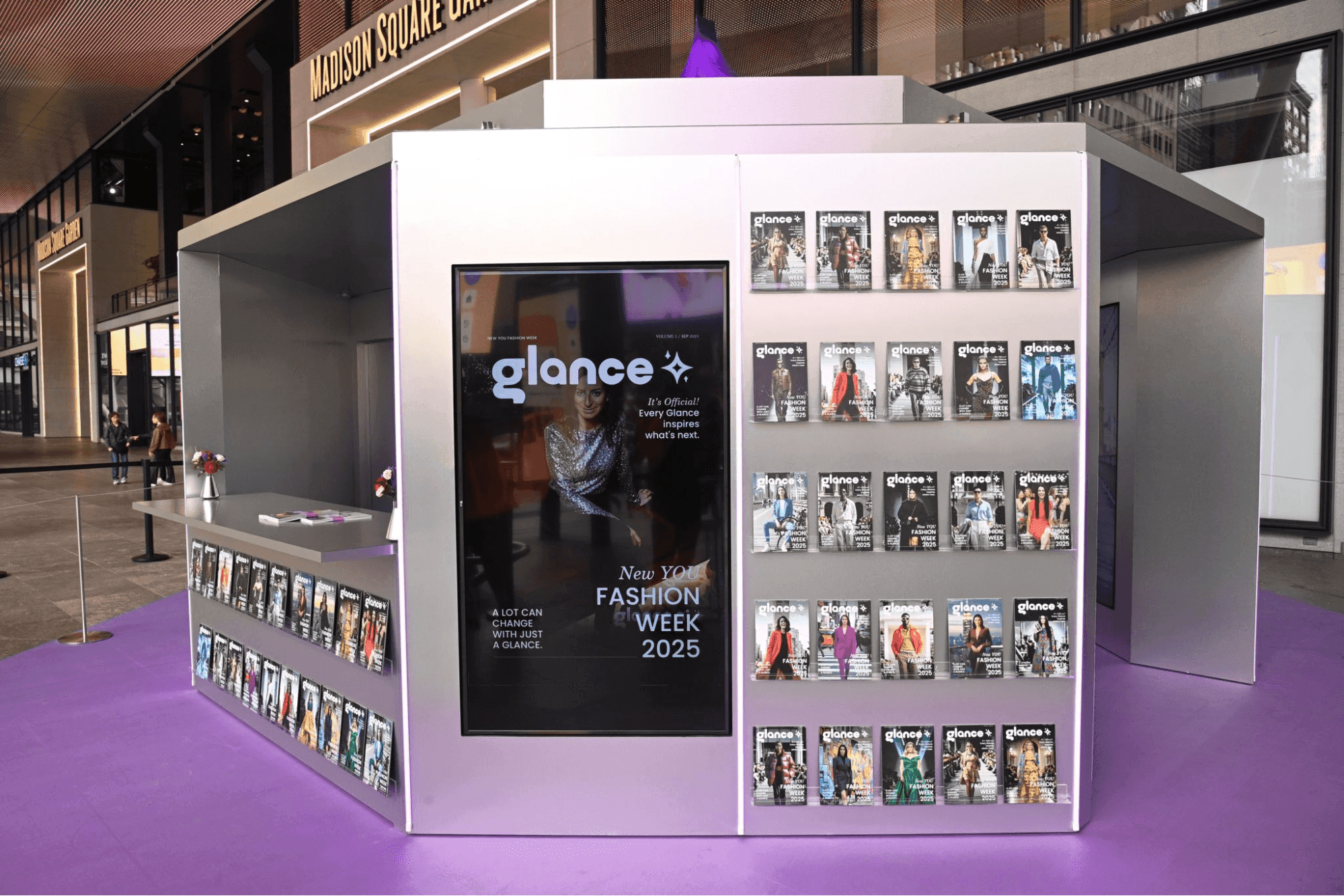
Discovery makes a difference here too. Platforms like Glance make it easier to explore how classic pieces work together in real, wearable outfit combinations — without the endless scroll that usually comes with fashion browsing. And for anyone building a classic wardrobe from scratch, seeing how the pieces actually combine is half the battle.
Classic fashion styles feel less intimidating when they’re shown in real, wearable ways.
How to Maintain a Modern Classic Wardrobe
Classic style isn’t about buying more. It’s about taking care of what you have.
A few simple habits help:
- Edit your closet each season
- Store clothes properly
- Repair instead of replacing
- Focus on quality over quantity
The Ellen MacArthur Foundation reports that extending the life of clothing significantly reduces fashion waste .
Maintaining a classic wardrobe is good for your style — and the planet.
Classic Fashion vs Fast Fashion
Aspect | Classic Fashion Styles | Fast Fashion |
Lifespan | Lasts for years | Short-lived |
Styling effort | Easy | Constant |
Repeat wear | High | Low |
Regret | Rare | Common |
And the numbers back this up: the average fast fashion garment is worn just 7–10 times before being discarded, compared to classic wardrobe staples that owners report wearing for years across multiple style contexts.
This difference explains why so many people turn to a classic fashion styles guide when trends feel overwhelming.
Conclusion: Classic Style Doesn't Ask for Your Attention — It Already Has It
The thing about classic fashion is that it never needed a comeback. It never really left. While trends cycled through maximalism, micro-trends, and viral moments, the white shirt, the tailored blazer, and the straight-leg jean just kept showing up — dependable, versatile, and quietly confident.
Building a classic wardrobe isn't about dressing like the past. It's about dressing in a way that makes sense tomorrow, next year, and ten years from now. Less noise, more intention. Fewer regrets, more reaches.
Platforms like Glance make exploring and building that kind of wardrobe more intuitive — helping you discover the classic combinations that actually work for your life, not just for a mood board.
Classic fashion styles don't expire. And once you build a wardrobe around them, neither does your style.
FAQs: Classic Fashion Styles Guide
- What define a classic fashion styles guide in 2026?
A classic fashion styles guide focuses on "Smarter Growth"—clothing that emphasizes clean cuts, high-recovery fabrics, and Digital Product Passport (DPP) transparency rather than short-term trends. - How does the Glance agent help build a classic wardrobe?
Glance acts as an intelligent shopping agent that uses 3D Fit Physics to simulate how classic staples—like a 90s blazer—will fit your specific body type. It removes "Fit Anxiety" and enables high-confidence discovery. - Are classic fashion styles sustainable?
Yes. The average classic staple is worn for years, whereas fast fashion is often discarded after 10 wears. In 2026, items with a Digital Product Passport can double their lifetime value through resale (Source: Bain, 2026). - Is "Digital Lavender" a classic color?
In 2026, Digital Lavender transitioned from a trend to a "New Neutral." It pairs seamlessly with classic tones like "Cloud Dancer" and "Oatmeal," making it a staple for the Modern Preppy look.
Why is Gen Z obsessed with 1990s minimalism?
Gen Z values authenticity and sustainability. The "Less is More" philosophy of the 90s allows them to build a personal Style DNA that is both trendy and environmentally responsible.
Download the Glance app now





Your intelligent
shopping agent.







Your intelligent
shopping agent.