

Upcoming Fashion Trends Forecast for 2026
TL;DR
The upcoming fashion trends forecast for 2026 isn’t led by runways—it’s led by real American women. This article breaks down what U.S. shoppers are actually gravitating toward next, powered by emerging data, shifting behaviors, and early signals that Glance detects through real-time micro-patterns.
When Trends Don’t Start on Runways Anymore
Picture this: It’s 10:47 p.m. A woman in Chicago scrolls through jackets she doesn’t plan to buy—until she stops on a structured olive bomber. She lingers. Returns twice. Pairs it visually with a cream knit she saw earlier.
She doesn’t know it, but she’s part of the earliest signal of a 2026 trend forming.
Her micro-behaviors—dwells, returns, sequencing—are more accurate than any runway forecast. A pattern repeated across millions of U.S. women becomes the kind of data that influences the upcoming fashion trends forecast long before designers announce anything.
This is where Glance’s behavioral intelligence steps in: quietly observing how real women—not stylists—shape what comes next.
Why 2026 Trends Look Different: Women Are Shopping With Intent, Not Impulse
The next wave of fashion trends in the U.S. is being shaped by a shift in how women shop. It’s more deliberate, more values-driven, and more comfort-anchored than the pre-2020 era.
According to McKinsey’s annual State of Fashion 2024 analysis, sustainability and related consumer values are increasingly shaping fashion purchases, as brands adapt to changing priorities in apparel demand, signaling a shift in long-term fashion behavior.
These priorities directly influence the upcoming fashion trends forecast for 2026. The emerging picture isn’t about extremes—it’s about adaptability, emotional resonance, and real-life relevance.
And Glance captures these shifts early because it studies behavior, not aesthetics.
Behavior Is Predicting Trends Faster Than Runways
Traditional forecasting relied on:
- runway themes
- influencer pushes
- seasonal mood boards
- fabric/cut predictions
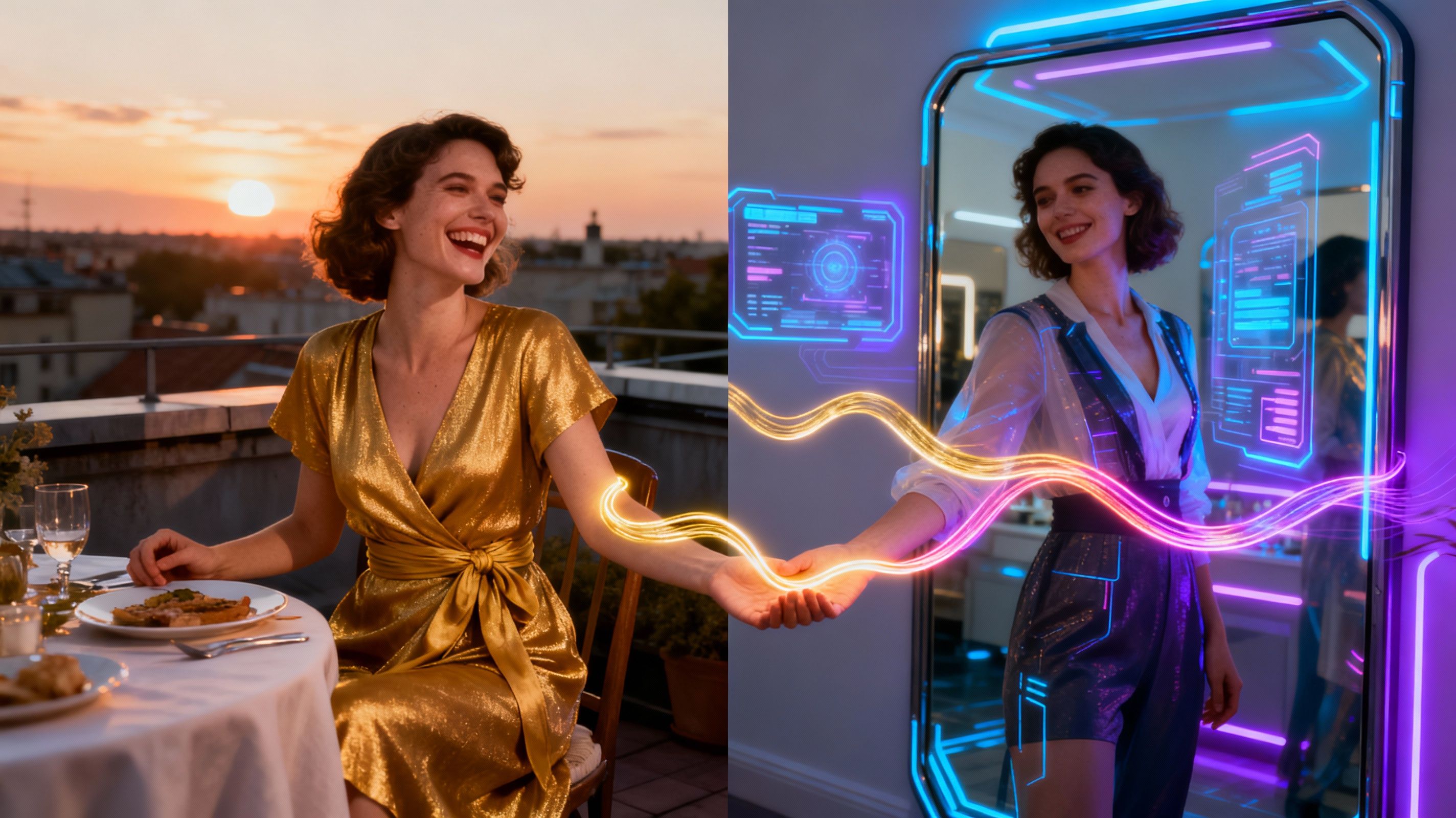
According to industry data, 73% of consumers say they expect companies to understand their individual needs and preferences, meaning trend adoption now accelerates based on user behavior, not editorial narratives.
So the new upcoming fashion trends forecast is shaped by:
Micro-Behaviors That Predict 2026 Trends
Behavior Signal | What It Predicts |
Dwell time | Emerging color or shape interest |
Return visits | Early preference formation |
Sequencing | How shoppers mentally style outfits |
Night vs. day browsing | Different aesthetic moods |
Skip-scrolls | Trend rejection |
Glance reads these micro-signals to understand what American women will want next, not what they clicked last season.
Trend #1: The Rise of Practical Comfort — But Elevated
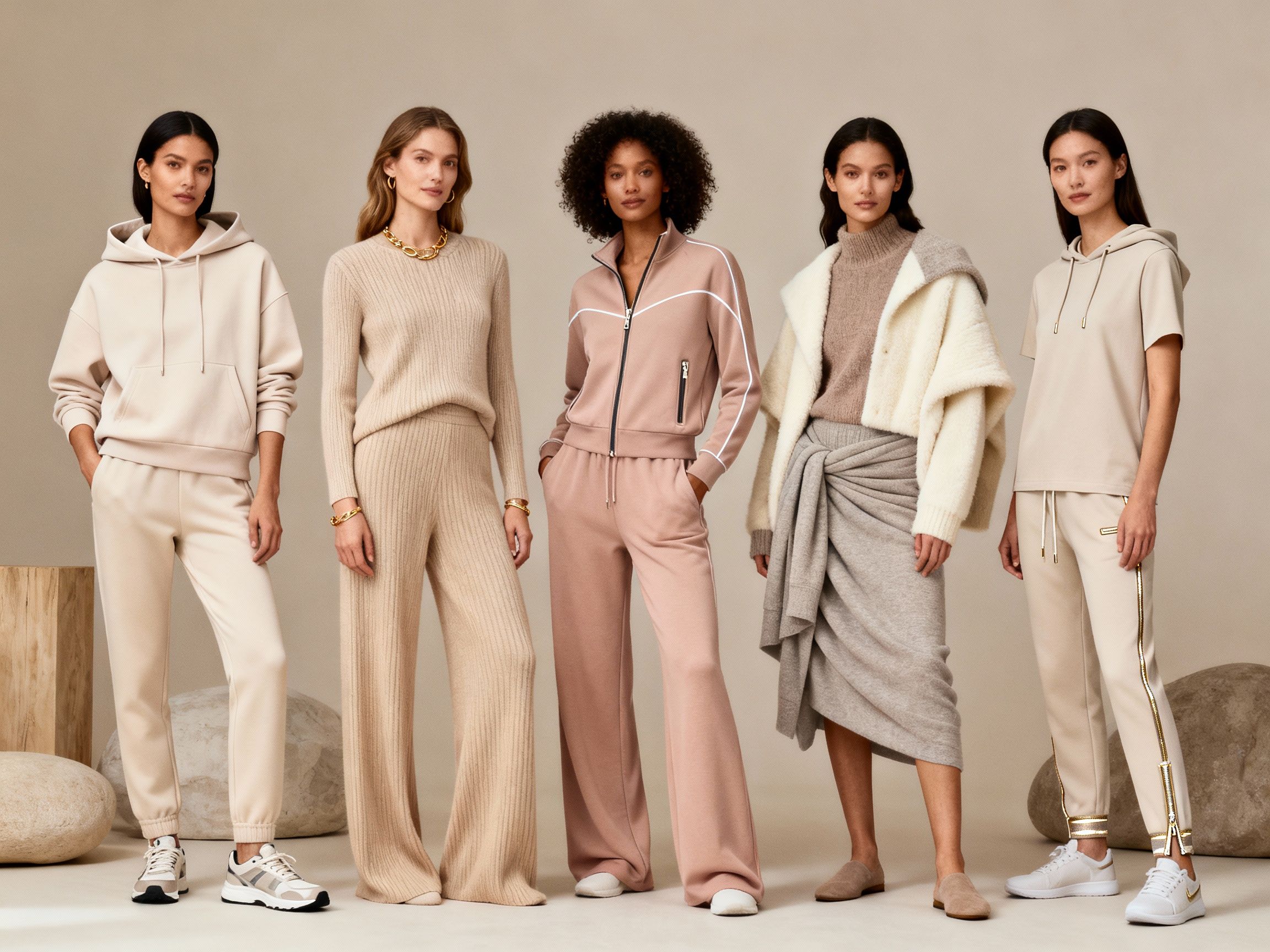
The athleisure wave isn’t ending; it’s maturing.
According to market research, the athleisure segment has grown substantially in recent years and is expected to reach over $250 billion globally by 2026, reflecting widespread consumer demand for comfortable, multifunctional apparel.
This directly shapes the 2026 upcoming fashion trends forecast, where we see:
- Structured hoodies
- Luxe loungewear
- Hybrid athletic-cozy silhouettes
- Textural plays in soft neutrals
- Elevated basics with metallic micro-accents
This is also where the additional keyword athleisure wear for women fits naturally—because 2026 is all about functional style that doesn’t sacrifice personality.
Trend #2: Sustainability Goes Quiet, Not Loud
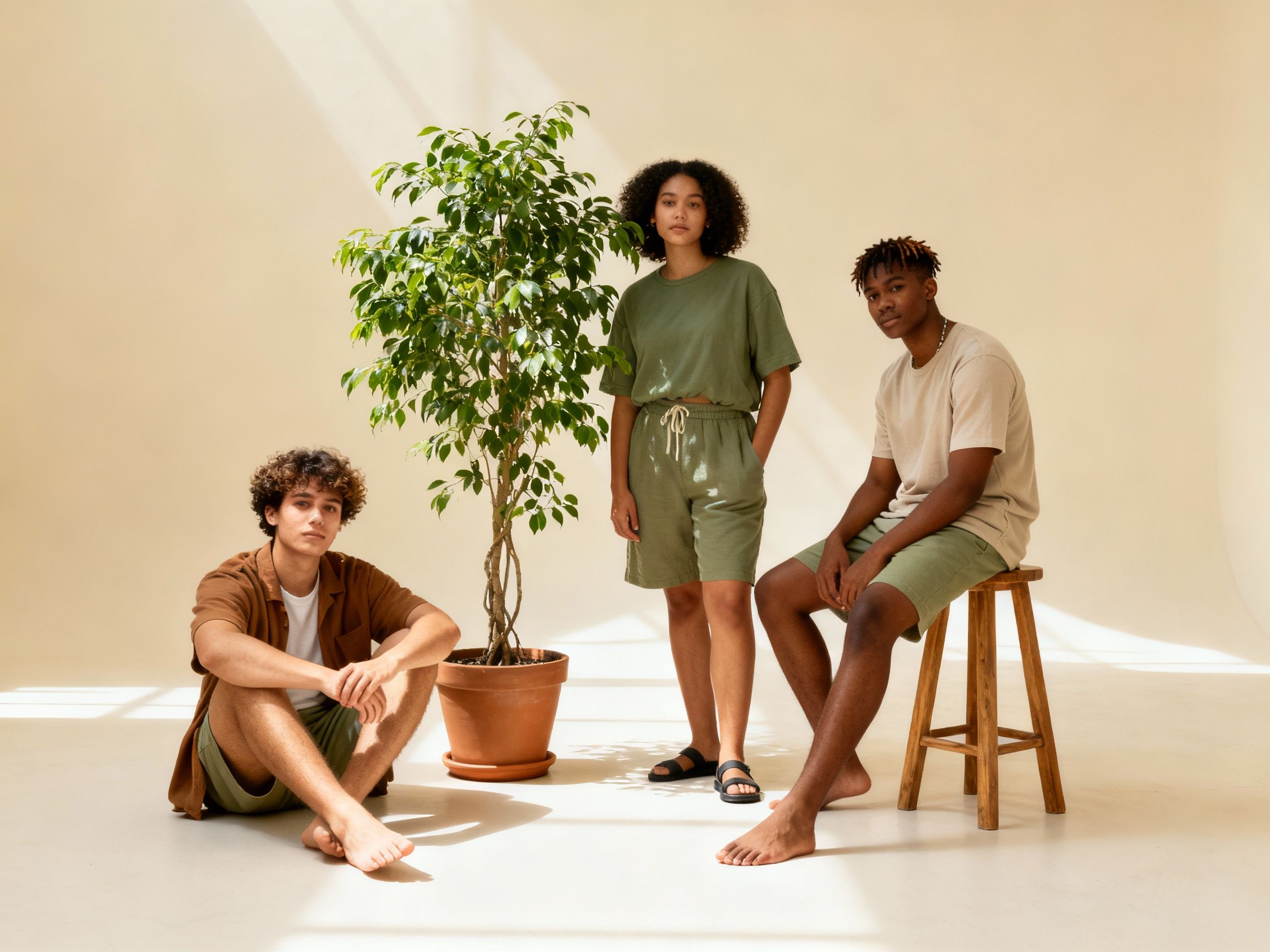
Gen Z is ushering in a new era of sustainability—less about slogans and more about smart purchasing.
First Insight report on Gen Z sustainability preferences — shows that 73% of Gen Z say they are willing to pay more for sustainable products.
This subtle but powerful shift informs the upcoming fashion trends forecast for 2026:
- muted earth palettes
- long-wear fabrics
- low-impact dyes
- biodegradable blends
- “buy less, buy right” mentalities
This shift reflects what many call the rise of gen z sustainable fashion, which is driving the rise of mindful wardrobes curated over impulsive micro-hauls.
Trend #3: Animal Prints Are Back—but Softer, Smarter, and Styled Differently
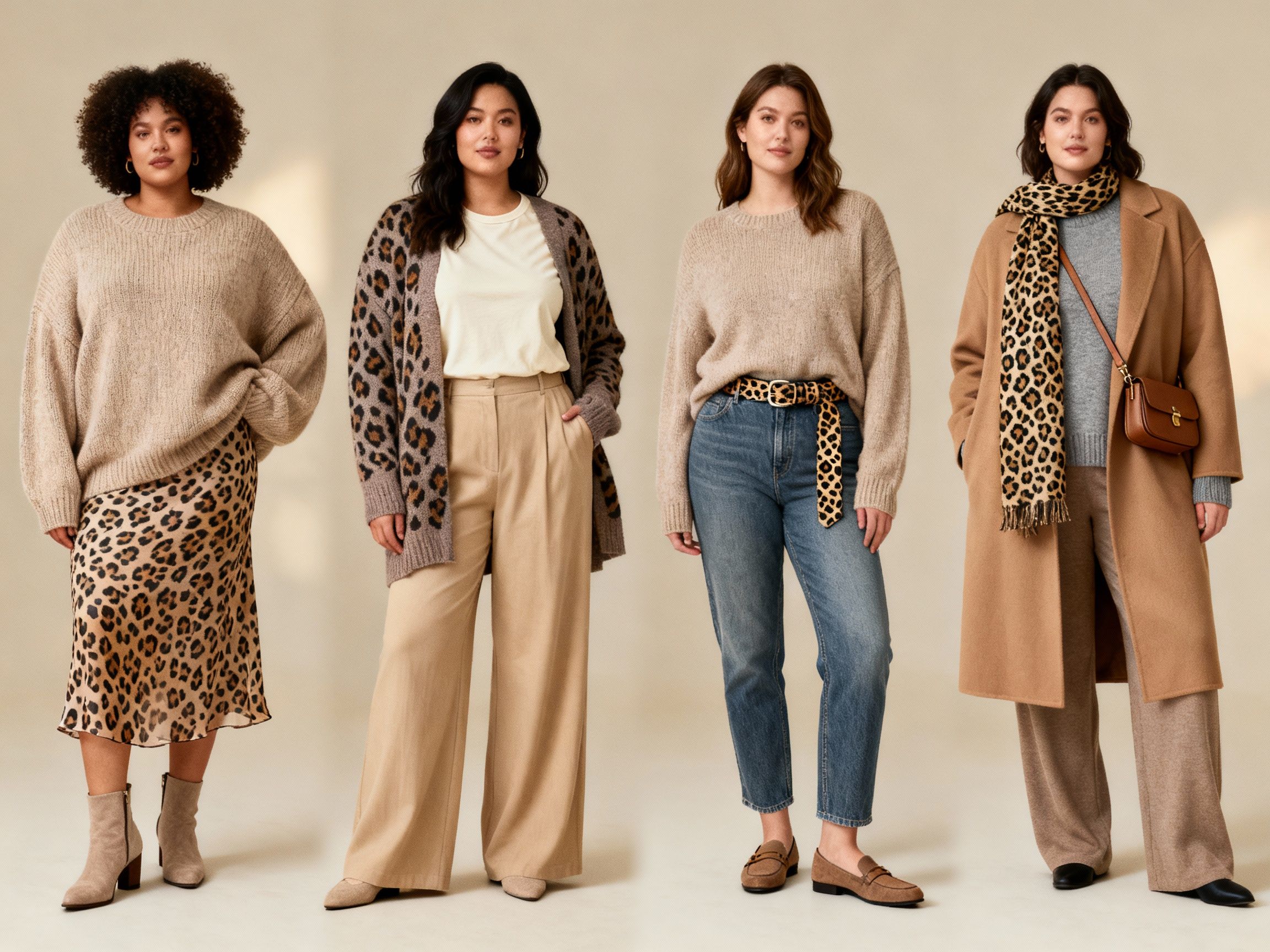
Animal prints aren’t leaving; they’re evolving.
According to Google Trends-based fashion data, leopard print apparel has maintained strong search interest through 2024 and into 2025, with items like leopard-print dresses and tops showing recurring peaks in online queries.
In the 2026 upcoming fashion trends forecast, prints become:
- more muted
- layered with neutral tones
- paired with soft knits
- used in accessories
- styled in relaxed silhouettes
This is where the additional keyword leopard shirt womens fits naturally—its resurgence is rooted in the ways women balance boldness with wearability.
Trend #4: Inclusive Fashion Isn’t Optional — It’s Expected
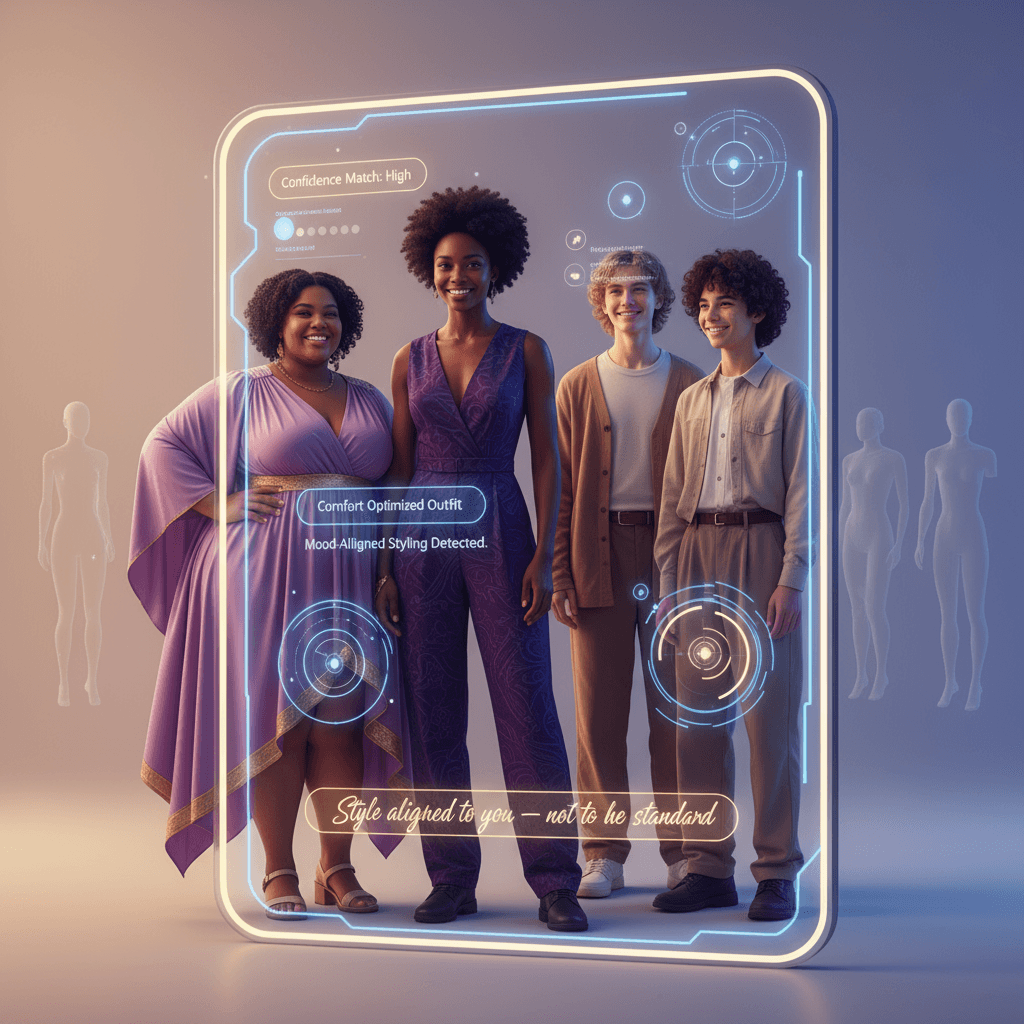
U.S. women expect inclusivity not as a feature, but as a basic requirement.
According to Statista’s data on the U.S. women’s inclusive sizing apparel market, the segment of plus-size clothing stores in the U.S. was worth around $12.7 billion in 2023, reflecting growing consumer demand for inclusive sizing.
This means the 2026 upcoming fashion trends forecast will include:
- extended sizes across collections
- adaptive fits
- functional tailoring
- universal silhouettes
To explore how AI supports this shift, readers can see ai plus size fashion.
To understand trend shifts among different lifestyles, readers can also see AI fashion for moms.
Did You Know?!
In the early 2000s, trend forecasters used to walk around malls and cut pictures from magazines to guess what styles women might like next. Today, AI can track millions of tiny shopping signals—like what you pause on or revisit—so those old methods feel almost like trying to predict the weather by just looking at the sky.
Trend #5: Micro-Trends Will Be Mood-Driven, Not Season-Driven
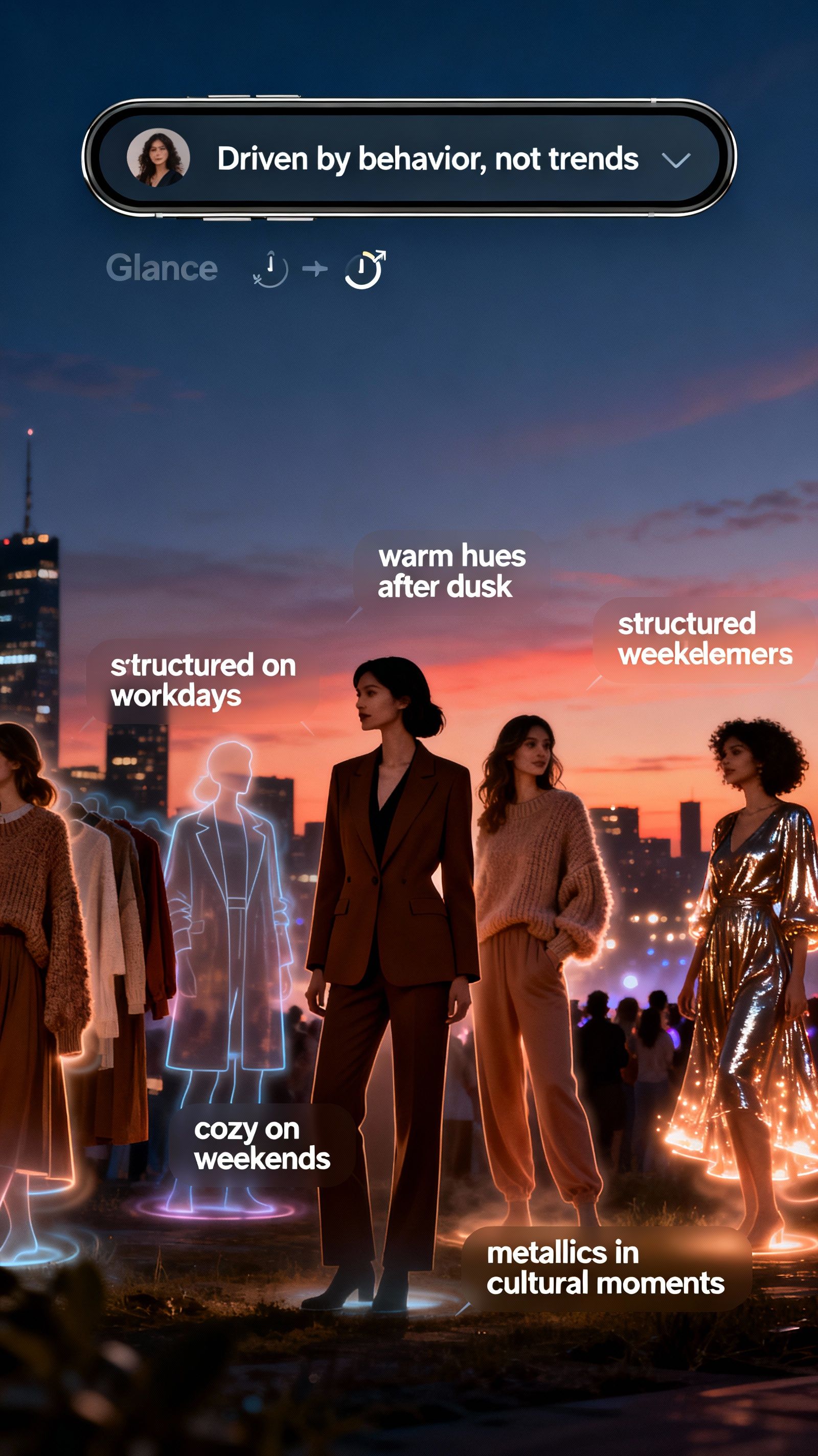
Women’s moods now play a measurable role in trend adoption.
According to Vogue Business and Google research, distinct consumer mindsets — driven by emotional priorities such as self-expression, values, and lived experience significantly influence fashion shopping behaviour.
This shapes the upcoming fashion trends forecast in very specific ways:
- warm hues after dusk
- structured silhouettes on workdays
- cozy, tactile pieces on weekends
- metallics rising during cultural moments
This fits perfectly with Glance’s approach: behavior, not trends, drives the algorithm.
Conclusion
The upcoming fashion trends forecast for 2026 isn’t about predicting what designers will release—it’s about understanding what American women are already signaling through their everyday browsing.
From sustainability to comfort, from muted animal prints to inclusive sizing, trends are emerging from real behaviors—not runways.
Glance reads these micro-patterns to meet women where their style is heading, not where the industry thinks it should go.
2026 fashion won’t be dictated.
It will be discovered.
FAQs
1. How is the upcoming fashion trends forecast created today?
It’s shaped by real-time behavioral data rather than traditional runway or editorial predictions. Micro-actions—dwells, returns, scroll rhythm—offer early signals of what women will want next.
2. Why are American women influencing 2026 trends so strongly?
Because U.S. women’s shopping behaviors show clear priorities: comfort, sustainability, versatility, and emotional resonance. Data from multiple U.S. reports confirms these long-term shifts.
3. What role does sustainability play in the 2026 forecast?
Sustainability remains central. U.S. Gen Z women especially drive demand for long-lasting, low-impact pieces—reflected in gen z sustainable fashion trends.
4. Are animal prints really coming back?
Yes—but softer, more wearable versions. Google Trends data shows renewed interest in leopard shirt womens, signaling a more refined resurgence.
5. How does AI help predict upcoming fashion trends?
AI analyzes millions of micro-behaviors across users—dwell time, browsing sequences, time-of-day shifts—to identify emerging patterns earlier than traditional forecasting methods.
Download the Glance app now




Your intelligent
shopping agent.







Your intelligent
shopping agent.