


The Ultimate Guide to Best Sustainable Footwear
TL;DR
Stop settling for "fast-fashion" kicks that kill the planet. The footwear revolution is here, blending high-end comfort with eco-innovation. From Allbirds’ sugarcane soles to Rothy’s recycled plastic flats, sustainable shoes are outlasting cheap alternatives and saving you money via "cost per wear." Step into a future where your style leaves no trace.
What if the most comfortable pair of shoes you own could also be the one that leaves the smallest footprint on the planet?
For decades, the footwear industry has largely operated on a fast-fashion model built around inexpensive materials, mass production, and short product lifespans. While this approach made shoes widely accessible and affordable, it also created a significant environmental footprint. According to research by the Unsustainable, the global footwear industry produces over 20 billion pairs of shoes every year, and a large share of them eventually end up in landfills because many shoes combine synthetic materials that are difficult to recycle.
As sustainability awareness grows, consumers are beginning to rethink how they shop for everyday essentials like shoes. Buyers today are paying closer attention to material sourcing, durability, ethical labor practices, and long-term value rather than simply following short-term trends. This shift is reshaping the footwear market. PwC’s Global Consumer Insights Survey found that more than 80% of consumers say they are willing to pay more for products that demonstrate clear sustainability benefits, signaling a growing preference for products designed with longevity and environmental responsibility in mind.
What Actually Makes Footwear “Sustainable”?
The word “sustainable” can sometimes be used loosely in marketing. In reality, sustainable footwear usually involves multiple factors across the entire product lifecycle.
Key Sustainability Factors
| Factor | What It Means | Why It Matters |
| Eco-friendly materials | Organic cotton, recycled plastics, cork, plant leather | Reduces environmental impact |
| Ethical labor | Fair wages and safe working conditions | Protects workers |
| Durability | Shoes designed to last longer | Reduces waste |
| Circular design | Recycling programs or take-back initiatives | Keeps materials out of landfills |
| Low carbon footprint | Reduced emissions during manufacturing | Supports climate goals |
For many brands, sustainability also includes transparent supply chains, allowing consumers to see where materials are sourced and how products are made.
Top 7 Sustainable Footwear Brands in the United States
Below are some of the most respected sustainable footwear companies currently operating in the U.S. market.
These brands were selected based on:
- material innovation
- ethical manufacturing standards
- durability and comfort
- price accessibility
- consumer reviews
1. Allbirds
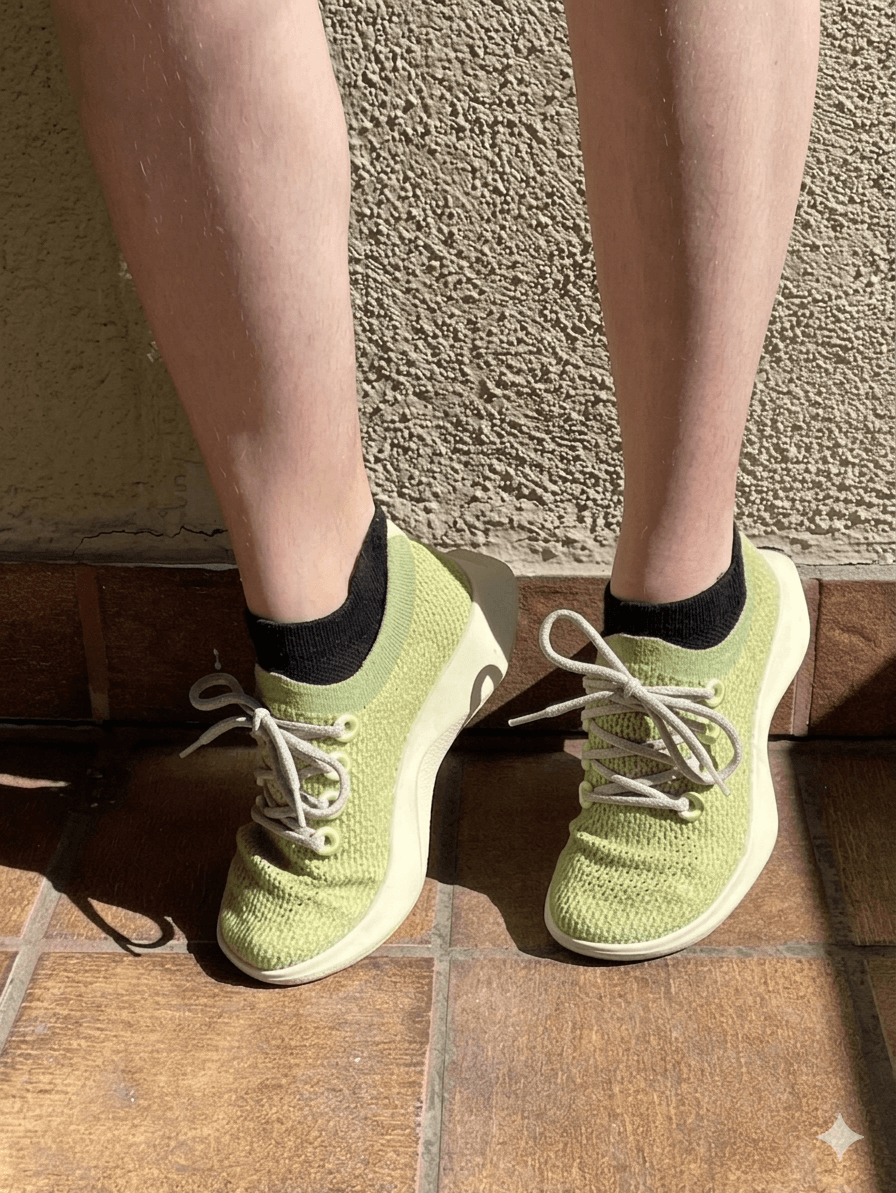
Founded in 2016, Allbirds quickly became one of the most recognizable sustainable shoe companies. Its mission focuses on reducing carbon emissions while delivering comfortable everyday footwear.
Allbirds has also become well known for introducing carbon footprint labels on every product, giving customers transparency about environmental impact.
Materials Used
- Merino wool (ethically sourced)
- Sugarcane-based EVA foam
- Recycled plastic bottles
- FSC-certified natural rubber
Product Range
| Category | Examples |
| Casual sneakers | Wool Runners |
| Athletic shoes | Tree Dashers |
| Slip-ons | Loungers |
Price Range
$95 – $160
Best For
- Everyday walking
- Travel
- Lightweight casual wear
2. Veja
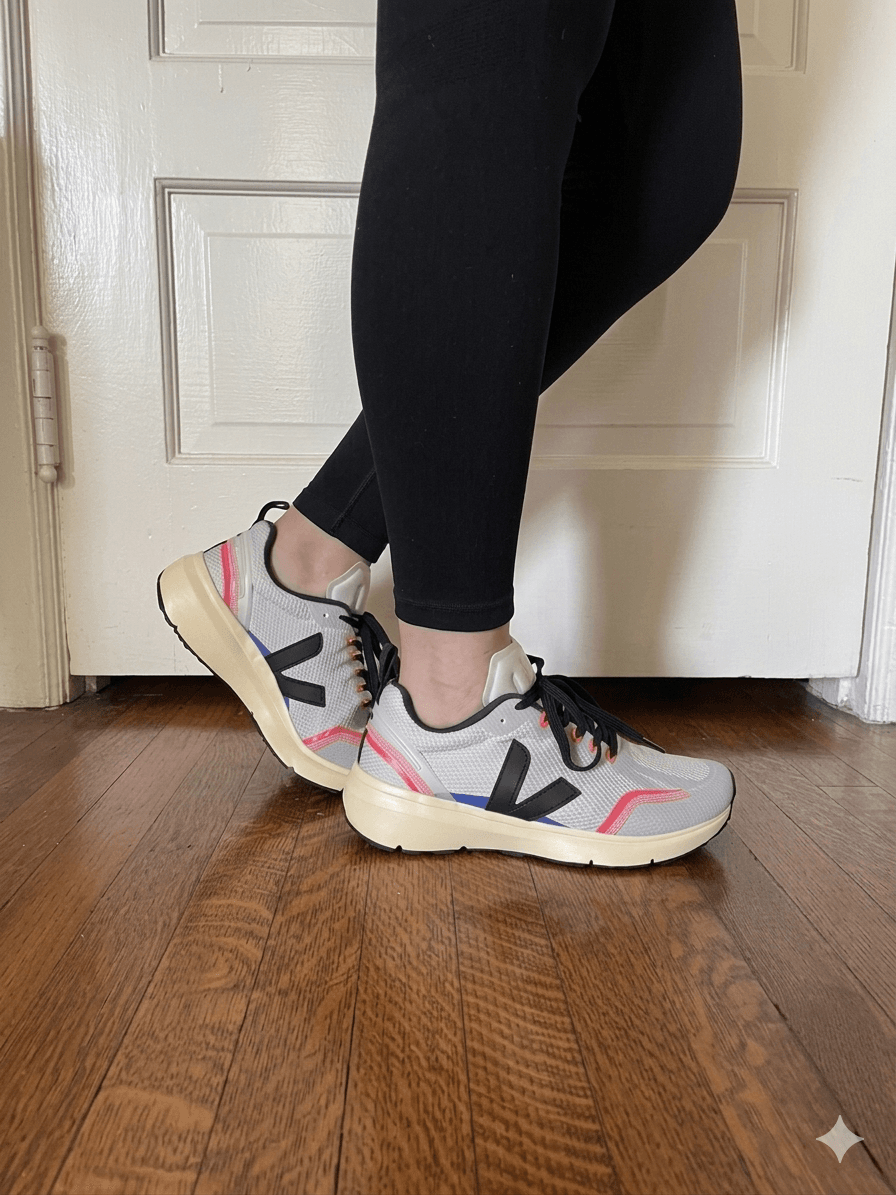
Veja has become a global leader in ethical sneakers thanks to its commitment to transparent supply chains and fair trade sourcing.
The company works directly with Brazilian rubber producers in the Amazon, supporting local communities while sourcing sustainable materials.
Materials Used
- Organic cotton
- Amazonian wild rubber
- Recycled polyester
- Chrome-free leather
Price Range
$120 – $195
Best For
- Minimalist sneakers
- Fashion-forward casual wear
- Ethical sourcing advocates
Product Range
| Category | Examples |
| Retro sneakers | Campo |
| Lifestyle sneakers | V-10 |
| Running-inspired | Condor |
3. Rothy's

Rothy’s became popular for its machine-washable flats made from recycled plastic bottles.
The brand uses a proprietary knitting process that turns plastic waste into durable yarn, reducing landfill waste.
Materials Used
- Recycled plastic yarn
- Rubber outsoles
- Foam cushioning
Price Range
$129 – $199
Best For
- Office wear
- Comfortable flats
- Minimalist wardrobes
Popular Styles
| Style | Best Use |
| The Point | Workwear |
| The Flat | Casual |
| The RS01 | Sneakers |
4. Nisolo

Nisolo focuses heavily on ethical production and worker welfare.
The company has committed to living wages across its supply chain, which is still rare in the footwear industry.
Materials Used
- Responsibly sourced leather
- Recycled materials
- Natural rubber
Price Range
$150 – $250
Best For
- Durable boots
- Long-lasting leather shoes
- Workwear
5. Cariuma

Cariuma has become popular in the U.S. for comfortable, casual sneakers made from plant-based materials.
The company also runs a reforestation initiative, planting two trees for every pair sold.
Materials Used
- Bamboo
- Organic cotton
- Natural cork
- Sugarcane EVA foam
Price Range
$89 – $150
Best For
- Everyday sneakers
- Streetwear style
- Comfortable casual use
6. Thousand Fell
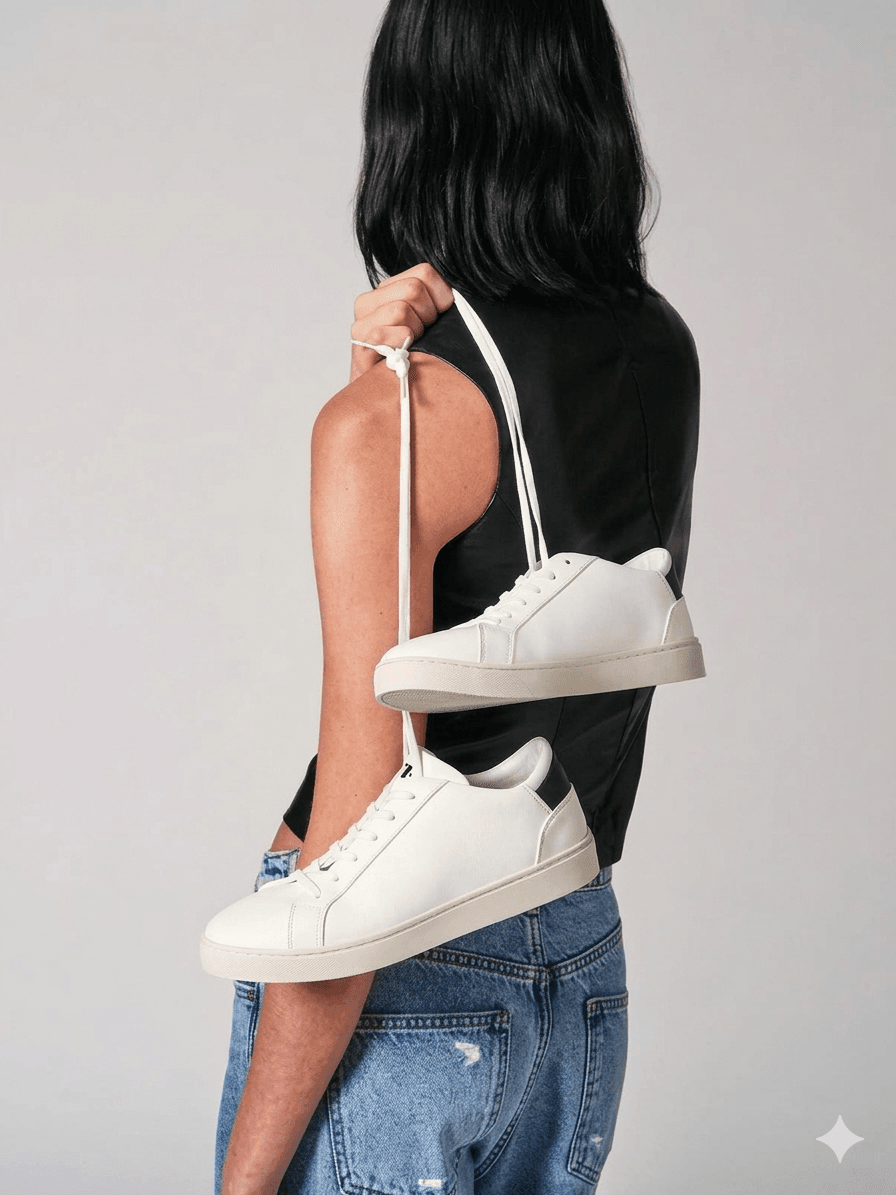
Thousand Fell focuses on circular fashion, meaning its shoes are designed to be fully recyclable.
Customers can return worn shoes through a take-back program so materials can be reused.
Materials Used
- Recycled plastic
- Aloe-based leather alternatives
- Natural rubber
Price Range
$120 – $180
Best For
- Circular fashion
- eco-conscious buyers
7. Native Shoes
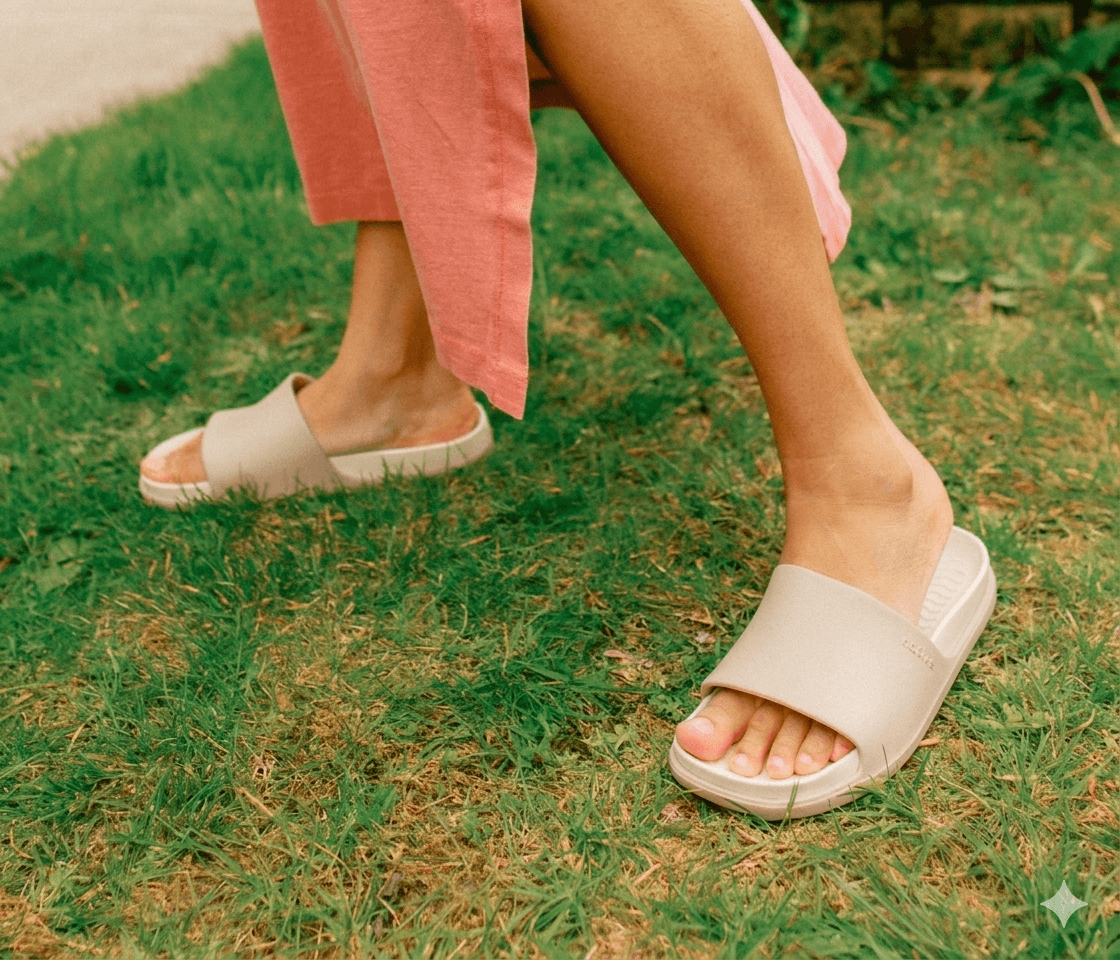
Native Shoes offers vegan footwear options that are lightweight, durable, and relatively affordable compared to many sustainable brands.
Materials Used
- EVA foam
- recycled materials
- plant-based components
Price Range
$50 – $120
Best For
- budget sustainable footwear
- casual summer shoes
- lightweight everyday wear
Comparison Table: Best Sustainable Footwear Brands
| Brand | Price | Key Materials | Best For |
| Allbirds | $95–$160 | Wool, sugarcane foam | Everyday comfort |
| Veja | $120–$195 | Organic cotton, rubber | Stylish sneakers |
| Rothy’s | $129–$199 | Recycled plastic | Office flats |
| Nisolo | $150–$250 | Ethical leather | Durable boots |
| Cariuma | $89–$150 | Bamboo, cork | Casual sneakers |
| Thousand Fell | $120–$180 | Recycled materials | Circular fashion |
| Native Shoes | $50–$120 | EVA foam | Budget options |
Materials Driving the Sustainable Footwear Revolution
The innovation behind sustainable footwear often comes down to new materials that reduce environmental impact without sacrificing durability.
Some of the most common include:
- Recycled PET (plastic bottles turned into textile yarn)
- Natural rubber from sustainably harvested trees
- Organic cotton grown without harmful pesticides
- Cork harvested from renewable cork oak trees
- Plant-based leather alternatives
According to the research by Textile Exchange, replacing synthetic materials with renewable alternatives can significantly reduce carbon emissions in fashion manufacturing.
How to Choose the Right Sustainable Footwear
Choosing sustainable footwear isn’t just about eco-labels — it’s about long-term usability.
Consider these factors:
1. Material Quality
Natural materials like organic cotton or natural rubber often last longer than synthetic blends.
2. Comfort and Fit
Look for features such as:
- Breathable uppers
- Arch support
- Cushioning
3. Intended Use
Different shoes work best for different situations:
| Use Case | Ideal Type |
| Travel | Lightweight sneakers |
| Work | Comfortable flats or loafers |
| Walking | Cushioned trainers |
4. Longevity
Shoes that last multiple years reduce environmental impact more than cheap shoes replaced frequently.
Are Sustainable Shoes Worth the Price?
At first glance, sustainable shoes may appear more expensive.
But when durability is considered, the cost difference often shrinks.
| Shoe Price | Average Lifespan | Cost Per Wear |
| $60 fast-fashion shoe | 6 months | Higher long-term cost |
| $140 sustainable shoe | 2 years | Lower cost over time |
Buying fewer, better-made products often results in better value and less waste.
Final Verdict: Style Meets Sustainability
Sustainable footwear has evolved significantly in the past decade. What once felt like a niche market now includes brands that deliver modern design, everyday comfort, and ethical manufacturing.
Companies like Allbirds, Veja, and Cariuma show that sustainability and style no longer have to compete.
For consumers, the shift toward sustainable footwear is not only about reducing environmental impact — it’s also about choosing products designed to last.
When comfort, durability, and responsible production align, sustainable shoes become more than a trend — they become a smarter long-term choice.
FAQs Related to Sustainable Footwear
1. What is sustainable footwear?
Sustainable footwear refers to shoes designed with environmentally responsible materials, ethical manufacturing, and long-lasting construction. Many footwear brands use recycled fabrics, organic cotton, natural rubber, or plant-based leather alternatives to reduce environmental impact while maintaining comfort and durability.
2. Why is sustainable footwear better for the environment?
Sustainable footwear reduces waste, carbon emissions, and harmful chemicals used in traditional shoe manufacturing. By using recyclable materials, biodegradable components, and responsible sourcing, these footwear helps lower landfill waste and minimizes the environmental footprint of everyday fashion.
3. Is sustainable footwear more expensive than regular shoes?
Sustainable footwear can sometimes cost more upfront because of higher-quality materials and ethical production practices. However, these shoes are often designed to last longer, making them a better long-term value compared to fast-fashion footwear that wears out quickly.
4. What materials are commonly used in sustainable footwear?
Most sustainable footwear brands rely on eco-friendly materials such as recycled plastic bottles, organic cotton, cork, natural rubber, bamboo fibers, algae foam, and plant-based leather alternatives. These materials reduce reliance on petroleum-based synthetics used in conventional shoes.
5. Are sustainable footwear brands comfortable for everyday wear?
Yes. Many sustainable footwear brands prioritize ergonomics and cushioning along with eco-friendly design. Companies often use breathable fabrics, lightweight foam, and natural materials to ensure sustainable footwear provides comfort suitable for daily walking, commuting, or casual wear.
6. How can I tell if a footwear brand is truly sustainable?
To identify genuine sustainable footwear brands, check for transparency in material sourcing, third-party certifications, carbon footprint disclosures, and ethical labor policies. Brands that publish sustainability reports or impact metrics tend to demonstrate stronger environmental accountability.
7. Which sustainable footwear brands are popular in the USA?
Several sustainable footwear brands have gained popularity in the United States, including Allbirds, Veja, Rothy’s, Cariuma, Nisolo, Thousand Fell, and Native Shoes. These companies focus on eco-friendly materials, ethical production, and durable shoe design.
Download the Glance app now






Your intelligent
shopping agent.







Your intelligent
shopping agent.