


Sustainable Women’s Fashion: All You Need to Know
TL;DR
Sustainable women’s fashion goes beyond trends—it’s about conscious choices that balance style, ethics, and environmental impact. Focus on eco-friendly materials, ethical production, circular practices, and durable designs. Technology and resale platforms make it easier to shop responsibly, while a capsule wardrobe approach ensures versatility and longevity. True sustainability involves verifying brands, avoiding greenwashing, and caring for garments to extend their life.
Sustainable women’s fashion is no longer a niche conversation. It has become a movement, a necessity, and an evolving lifestyle choice. With rising awareness of environmental and social impacts, consumers are shifting from fast fashion to more mindful purchases. But what does “sustainable” really mean for women’s fashion? And how can you make choices that balance style, quality, and ethics?
This guide covers everything you need to know; from materials and trends to brands, wardrobe planning, and the technology shaping the industry.
What Sustainable Women’s Fashion Actually Means?
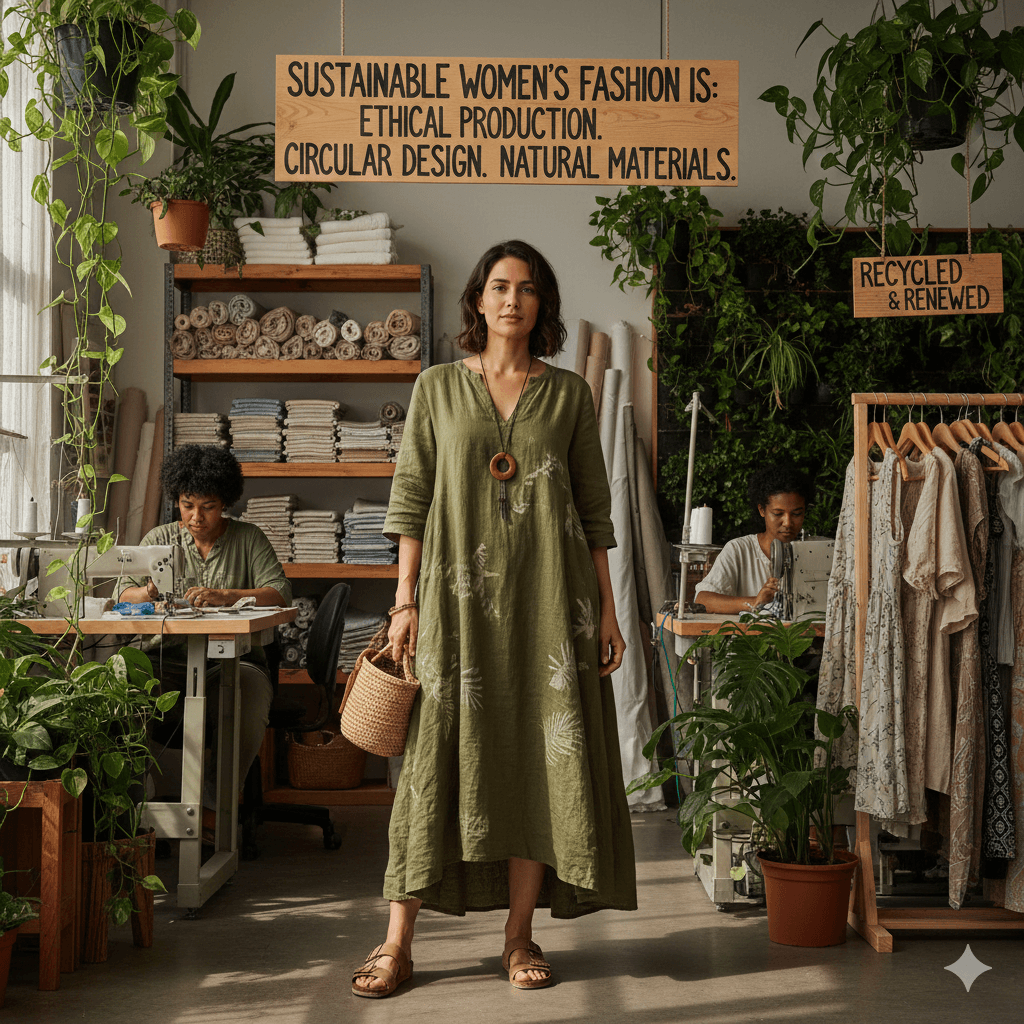
At its core, sustainable women’s fashion is about creating, buying, and wearing clothing in ways that minimize environmental harm and promote social responsibility. It is not a fleeting trend or marketing slogan. It is an intentional approach that balances aesthetics with impact.
Key elements include:
- Materials: Organic cotton, TENCEL™/Lyocell, hemp, bamboo, recycled polyester, and bio-based fabrics like Piñatex or mycelium leather.
- Production Practices: Safe working conditions, fair wages, water and chemical reduction, and energy-efficient manufacturing.
- Circularity: Repair, resale, rental, and recycling programs to extend garment life.
- Durability and Timelessness: Investing in pieces that last seasons, both physically and stylistically.
Sustainable fashion for women is not about buying “eco-labeled” items only. It’s about creating a wardrobe aligned with your values, ensuring every purchase contributes to a more responsible and resilient fashion ecosystem.
What is Influencing Sustainable Women’s Wear?
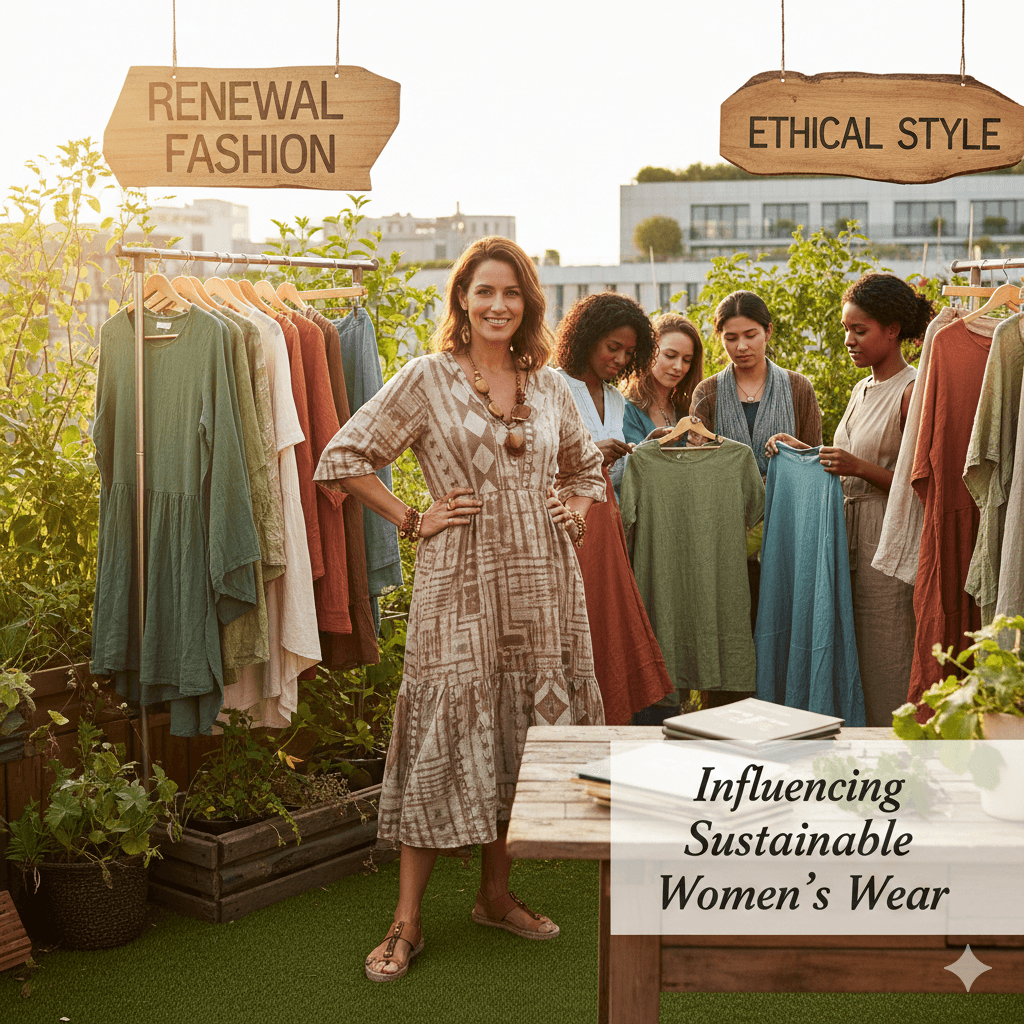
The shift toward sustainable womenswear is influenced by a combination of social, environmental, and technological factors:
- Environmental Awareness: With fashion contributing nearly 10% of global carbon emissions and massive water consumption, consumers are demanding accountability.
- Consumer Consciousness: Millennials and Gen Z women increasingly prioritize ethics, durability, and traceability over fast trends.
- Brand Accountability: Companies are responding with certifications, transparency reports, and circular programs.
- Technological Advancements: AI-driven recommendations, virtual try-ons, and supply chain transparency are helping consumers make smarter choices.
- Cultural Trends: Minimalism, capsule wardrobes, and slow fashion movements are encouraging women to focus on timeless, versatile pieces.
These factors collectively shape how women approach sustainable fashion today, making choices both informed and intentional.
Current State of Sustainable Women’s Fashion
Sustainable women’s fashion has grown significantly, yet challenges remain:
- Market Growth: Sustainable apparel is projected to reach USD 158 billion by 2030 at a 5.0% CAGR, reflecting growing demand.
- Industry Practices: Brands vary widely in transparency. Some lead with circular programs and verified certifications; others rely on vague “eco” claims.
- Consumer Behavior: While awareness is high, many consumers still default to convenience, affordability, or trends, rather than long-term value.
- Accessibility: Sustainable fashion is becoming more accessible with brands offering mid-tier pricing, resale platforms, and rental options.
Despite progress, sustainable women’s fashion is still emerging. The key is helping consumers bridge the gap between intention and action.
Trends in Sustainable Women’s Fashion
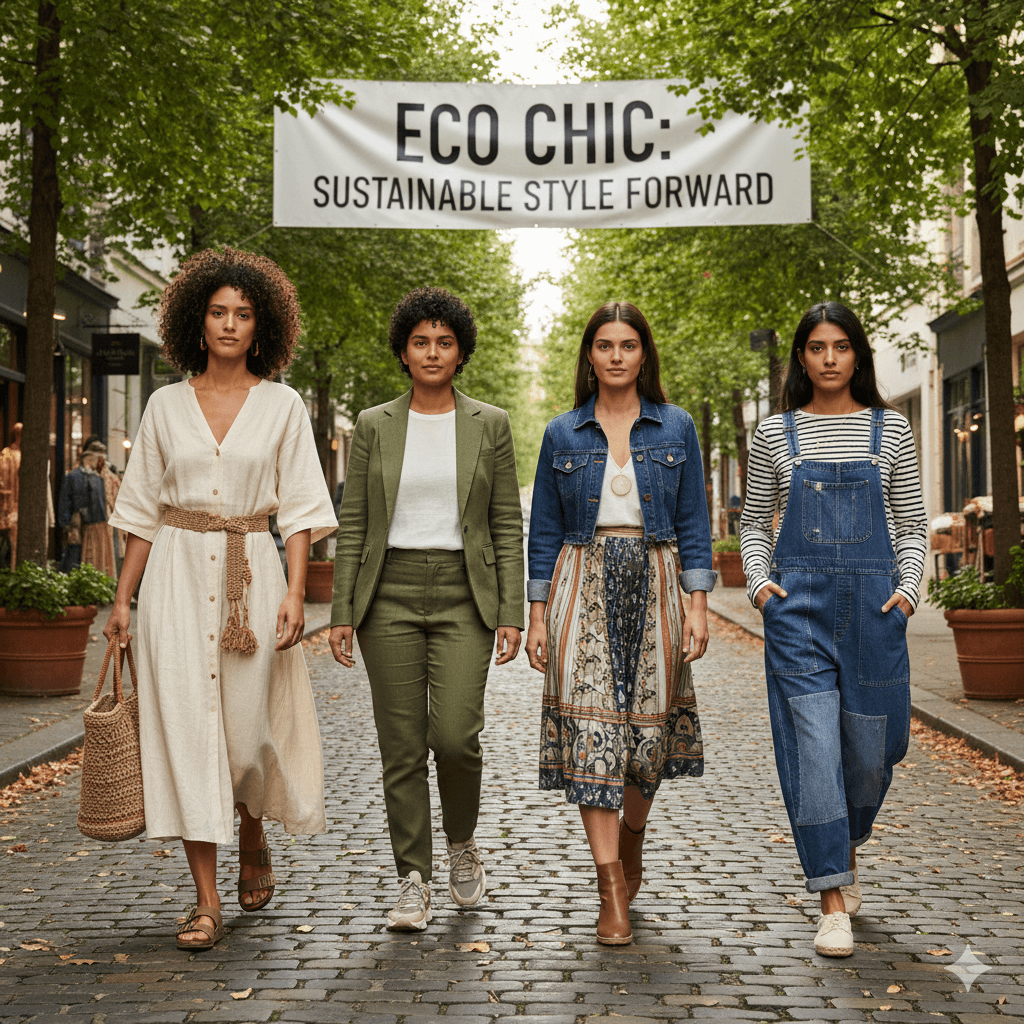
Several trends define the current and near-future landscape:
1. Circular and Modular Clothing
Pieces are designed for longevity, repair, and resale. Modular garments allow you to adjust, repurpose, or customize without creating waste.
2. Low-Impact and Innovative Materials
Organic cotton, hemp, TENCEL, Piñatex, mycelium leather, and recycled fibers dominate production. Biodegradable synthetics are also entering commercial markets.
3. Slow Fashion and Timeless Silhouettes
Instead of chasing fast trends, women are investing in neutral tones, classic cuts, and multipurpose clothing that transcends seasons.
4. Digital Fashion & Virtual Sampling
3D prototyping, virtual try-ons, and digital fashion collections reduce physical sample waste and overproduction.
5. Resale & Recommerce
Second-hand platforms, brand take-back programs, and peer-to-peer resale make sustainable shopping practical and fashionable.
6. Inclusive & Ethical Practices
Brands now emphasize fair wages, worker safety, and body inclusivity, creating garments that are socially responsible and size diverse.
These trends reflect a convergence of environmental responsibility, personal style, and technological innovation.
Sustainable Womenswear Brands Worth Evaluating
Not all brands claiming sustainability are equal. Here are some noteworthy ones:
Brand | Key Qualities | Best For |
Patagonia | 70%+ recycled materials, Worn Wear program, Fair Trade Certified | Outdoor, performance wear |
Everlane | Radical pricing transparency, organic basics, ethical factories | Everyday essentials |
Reformation | Low-waste designs, carbon-neutral factories | Trendy denim, dresses |
Eileen Fisher | Circular programs, organic fibers, resale | Premium minimal wear |
Pact | 100% organic cotton, affordable, Fair Trade factories | Family basics |
Girlfriend Collective | Recycled water bottle leggings, size-inclusive | Activewear |
Outerknown | 90% organic/recycled fibers, durable menswear | Casual/outdoor |
Kotn | Direct-trade Egyptian cotton, modern streetwear | Tees, sweats |
Hanna Andersson | Organic cotton, skin-safe dyes | Kidswear basics |
Noize | 100% vegan outerwear, recycled insulation | Winter gear |
Look for verified certifications, transparency reports, and circular initiatives to ensure credibility.
Did you know? Fashion produces 92 million tons of textile waste yearly, with less than 1% recycled into new clothes and 85% discarded.
How to Build a Sustainable Women’s Capsule Wardrobe
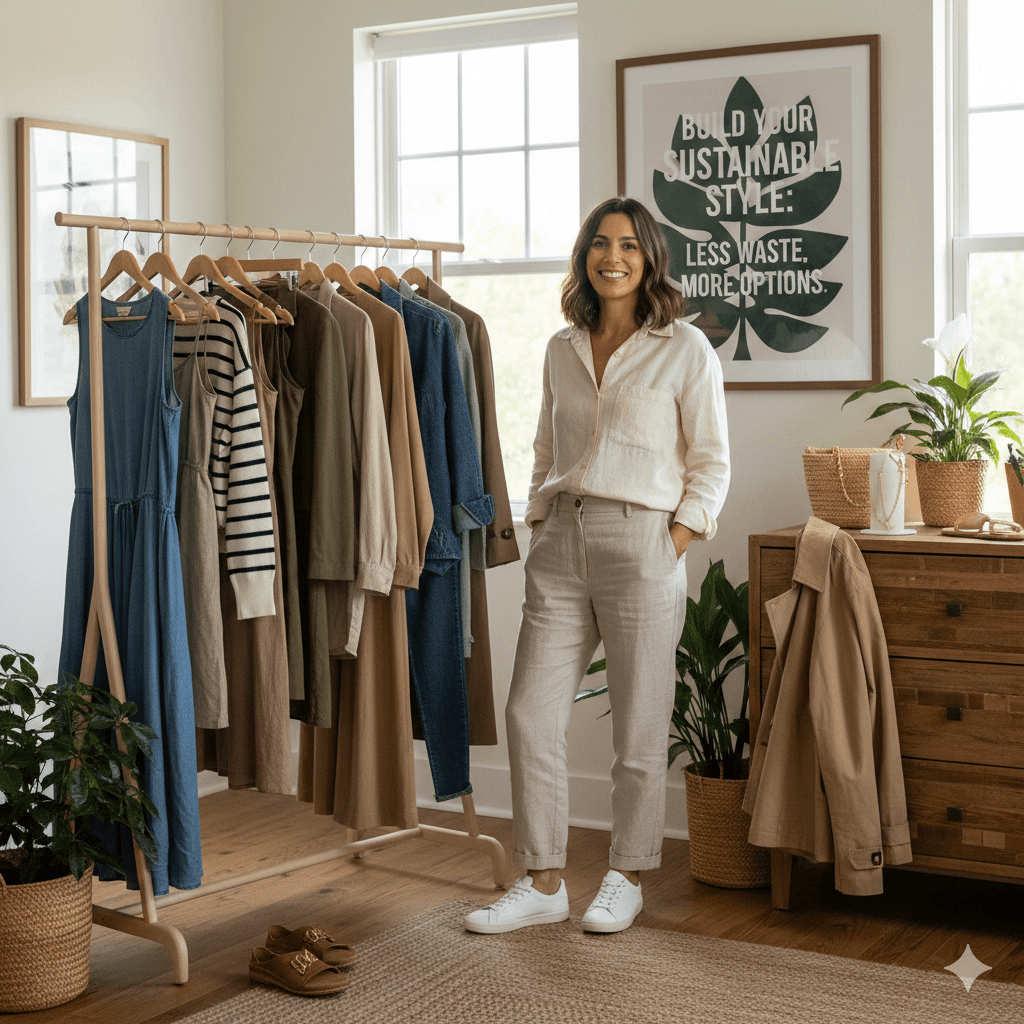
A capsule wardrobe reduces excess and focuses on versatility. Steps to consider:
- Audit Existing Closet: Keep items you wear regularly; repair or repurpose others.
- Choose Timeless Pieces: Neutral colors, classic silhouettes, multifunctional designs.
- Prioritize Durable Fabrics: Organic cotton, linen, TENCEL, recycled polyester.
- Invest in Core Pieces First: Jeans, coats, blazers, and shoes that you’ll use frequently.
- Add Statement Pieces Mindfully: Trend items should complement, not dominate, your wardrobe.
- Rotate & Resell: Use resale or take-back programs to extend lifecycle.
This approach reduces overconsumption and ensures every piece earns its place in your wardrobe.
Challenges with Sustainable Women’s Fashion
Sustainable fashion is promising but comes with challenges:
- Higher Production Costs: Ethical labor and organic fibers cost more, reflected in price.
- Traceability Complexity: Global supply chains make transparency difficult.
- Greenwashing Risks: Brands may exaggerate eco claims without verification.
- Limited Availability: Certain sustainable fabrics and designs may be harder to find.
- Consumer Trade-offs: Style, convenience, and affordability may conflict with sustainability.
Understanding these barriers helps you make informed, realistic choices.
Care and Maintenance Tips for Sustainable Women’s Wear
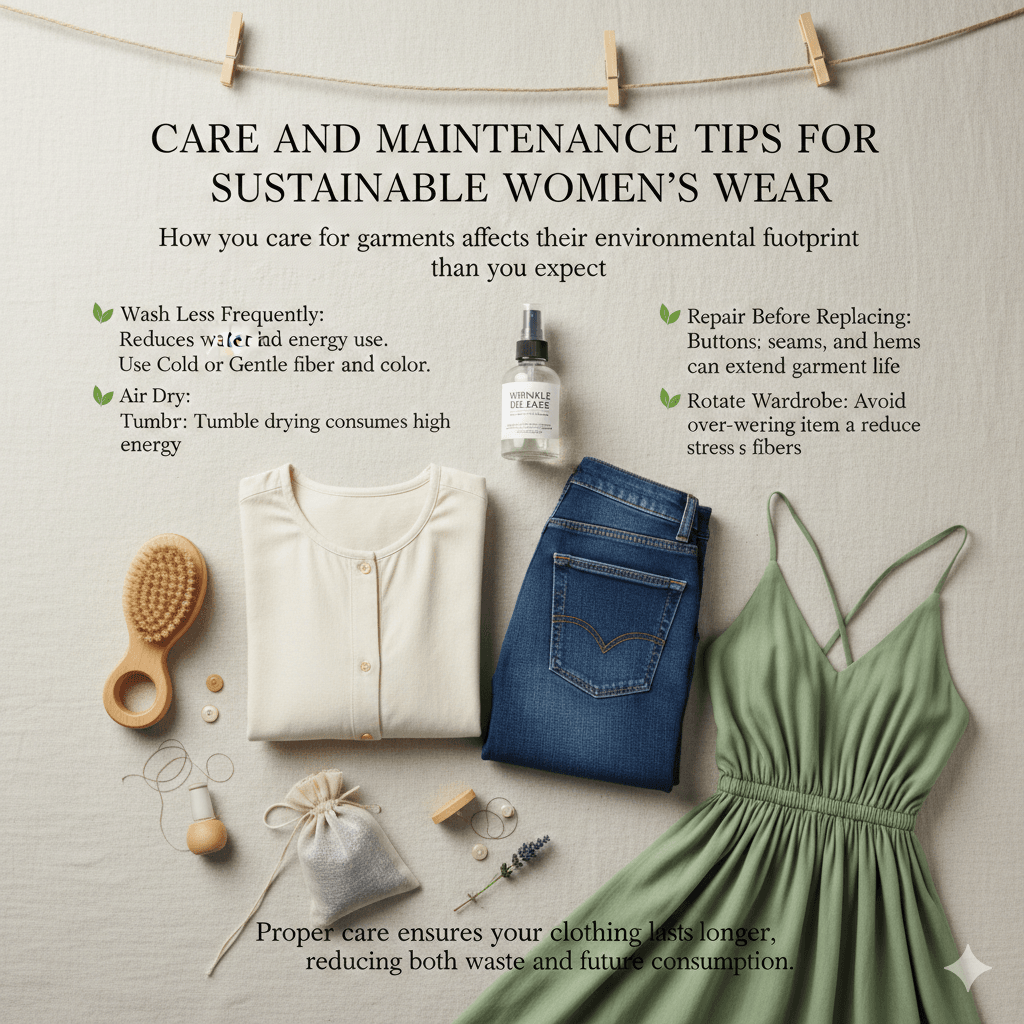
How you care for garments affects their environmental footprint more than you might expect.
- Wash Less Frequently: Reduces water and energy use.
- Use Cold or Gentle Cycles: Preserves fiber and color.
- Air Dry: Tumble drying consumes high energy.
- Repair Before Replacing: Buttons, seams, and hems can extend garment life.
- Rotate Wardrobe: Avoid over-wearing a single item to reduce stress on fibers.
Proper care ensures your clothing lasts longer, reducing both waste and future consumption.
Technology’s Role in Sustainable Womenswear
Technology is accelerating sustainable fashion adoption:
- AI-Powered Shopping Agents like Glance help you find brands that align with your values and style efficiently.
- Digital Sampling & 3D Design reduces material waste before production.
- Blockchain & RFID Tracking ensures traceability and ethical sourcing.
- Circular Commerce Platforms enable resale, rentals, and repair programs at scale.
Technology is no longer optional. It is a critical enabler of transparency, efficiency, and personalized sustainable shopping experiences.
Conclusion
Sustainable women’s fashion is about intentionality. It’s not just what you buy, but how, why, and how long you wear it. From choosing verified materials and ethical brands to investing in durable designs, every decision compounds impact.
Care, repair, resale, and thoughtful wardrobe planning amplify sustainability. Technology, including platforms like Glance Intelligent Shopping Agent, makes discovering, evaluating, and shopping sustainably easier than ever.
The future of womenswear is stylish, responsible, and intelligent. By making informed choices today, you build a wardrobe that is not only beautiful but aligned with your values and with the planet.
FAQs Related to Sustainable Women’s Fashion
1. What are the key characteristics of ethical women’s clothing brands?
Ethical women’s clothing brands prioritize fair labor practices, safe working conditions, and transparent supply chains. In the U.S., these brands also focus on sustainable materials, minimal waste, and social responsibility initiatives. Look for certifications like Fair Trade, GOTS (Global Organic Textile Standard), or B Corp, which indicate adherence to environmental and ethical standards. Ethical brands often produce timeless, durable designs rather than fast-fashion trends, allowing women to invest in pieces that last longer and reduce environmental impact.
2. Where can I buy eco-friendly women’s clothing online?
In the U.S., eco-conscious shoppers can explore platforms like Reformation, Pact, Eileen Fisher, Tentree, and Patagonia for sustainable women’s apparel. Online marketplaces such as ThredUp, Depop, and Poshmark also provide pre-owned or recommerce options. These platforms emphasize recycled fabrics, reduced water usage, and ethical production practices. When shopping online, check product descriptions for certifications and material sourcing details to ensure a truly eco-friendly purchase.
3. What materials are considered eco-friendly for women’s apparel?
Eco-friendly materials commonly used in U.S. women’s fashion include organic cotton, Tencel (lyocell), hemp, bamboo, recycled polyester, and Pinatex (pineapple leather). These fabrics reduce water consumption, avoid harmful chemicals, and often use renewable or recycled sources. They are widely used in casual wear, workwear, and even sustainable luxury collections, making it easier for consumers to find stylish yet environmentally responsible options.
4. How to identify sustainable materials in women’s fashion?
To spot sustainable materials, check garment labels and product descriptions for terms like “organic,” “recycled,” or “certified by GOTS, OEKO-TEX, or Fair Trade.” Many U.S. brands also highlight eco-friendly production methods, such as low-water dyeing, biodegradable packaging, or circular design initiatives. Transparency about sourcing, production, and fabric composition is a reliable indicator of sustainability and helps buyers make informed choices.
5. How do I identify a truly sustainable fashion brand versus greenwashing?
True sustainable brands provide clear, verifiable information about materials, manufacturing processes, labor conditions, and environmental impact. Look for third-party certifications like GOTS, Fair Trade, or Cradle to Cradle. Brands that only use buzzwords like “eco-friendly” or “green” without evidence may be greenwashing. In the U.S., checking the brand’s transparency reports, supply chain details, and independent reviews can help ensure you’re supporting genuine sustainability rather than marketing hype.
Download the Glance app now






Your intelligent
shopping agent.







Your intelligent
shopping agent.