


AI Fashion Models From the Inside Out
TL;DR
AI fashion models are more than virtual faces—they’re powerful data models guiding what trends, sizes, and styles appear before shoppers ever see a product. This article uncovers how the industry uses AI beneath the surface and how Glance builds a behavior-first model around each shopper.
AI Fashion Models From the Inside Out
For most people, AI fashion models look like digital bodies wearing digital clothes. But that’s only the surface layer. In the U.S. fashion industry, the real revolution is happening behind the scenes—where models aren’t visual at all. They’re data models.
These invisible AI systems analyze patterns in browsing behavior, trend flows, body inclusivity needs, size gaps, color demand, and cultural shifts. They decide what gets produced, what gets photographed, what gets stocked, and ultimately… what reaches your screen.
But even industry insiders rarely talk about the first model in the chain:
the model that predicts human behavior, not human shape.
And that’s where Glance enters—not as a creator of AI bodies, but as a creator of AI behavior models, shaping shopping around each individual’s taste, mood, and timing.
Why AI Fashion Models Grew Beyond Digital Bodies
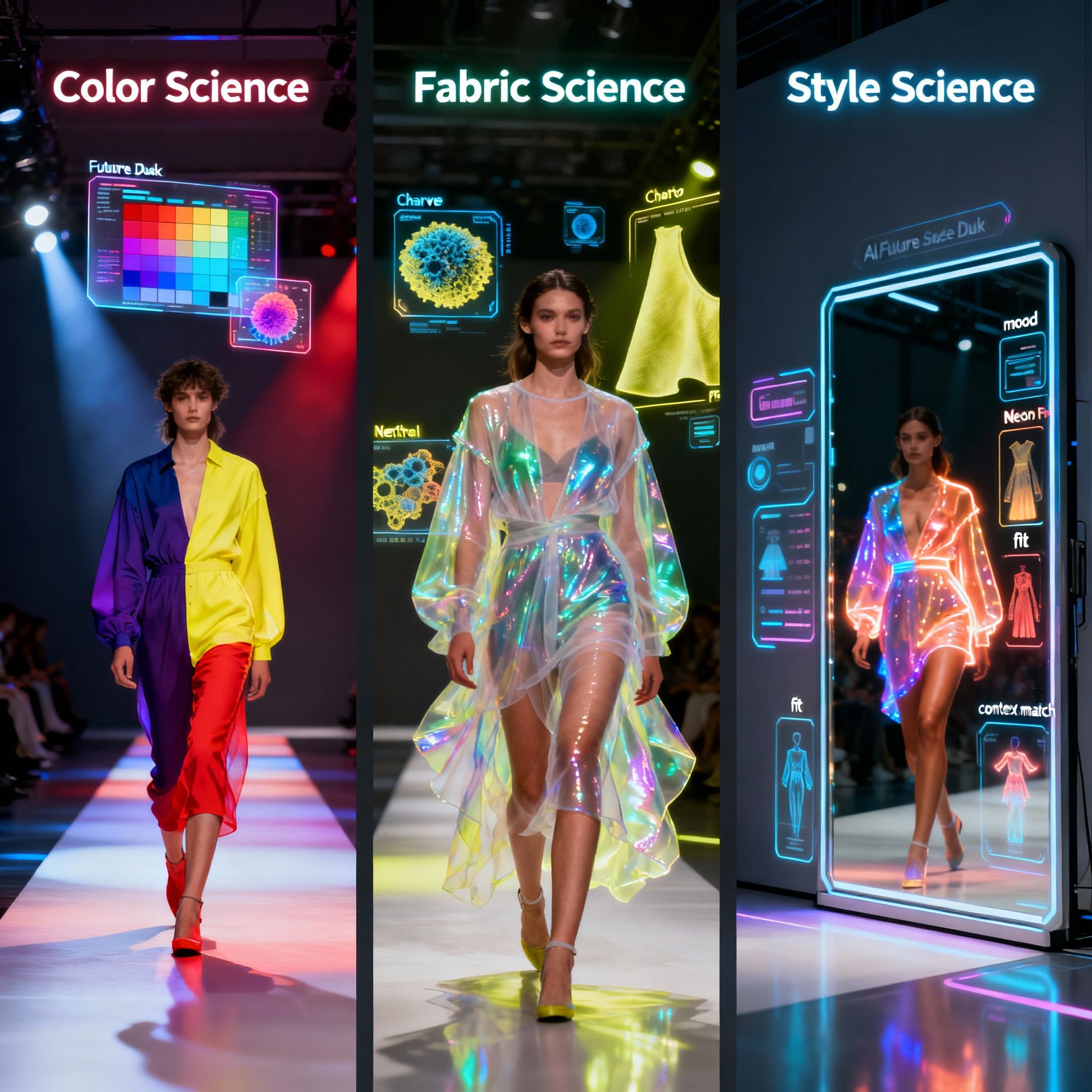
Most conversations about AI fashion models focus on virtual humans replacing physical photoshoots. And yes—this is happening.
- Levi Strauss & Co. began testing AI-generated models in 2023 to expand representation across body types, age, and skin tone, according to Business Today.
- Studies have found that generative AI in fashion enables brands to create body-inclusive digital avatars at scale, allowing more diverse and personalized imagery, according to Forbes.
But while AI-generated imagery saves time, it doesn’t answer the deeper question:
How do we know which products shoppers even want to see modeled?
That requires data—not poses.
This is why the new frontier of AI in Fashion centers on predictive models, not visual ones.
The Hidden Models Under Every Trend: Data, Not Faces
Here’s what most U.S. shoppers don’t know:
Before any AI-generated fashion model displays a look, another model has already determined:
- whether this style is trending
- which demographics lean toward it
- which sizes need representation
- which colors will perform best
- which inventory is worth pushing
- which mood or vibe it aligns with
A 2024 McKinsey report highlights that 71% of U.S. consumers now expect personalized interactions—and 76% become frustrated when this doesn’t happen.
This demand reshaped AI fashion models entirely.
They’re no longer just visual stand-ins—they’re prediction engines.
The Two Worlds of AI Fashion Models
Type of AI Model | What It Represents | What It Solves | Who Uses It |
Visual AI Fashion Models | Digital bodies wearing clothing | Scale imagery, show fit variations, speed campaigns | Brands, retailers |
Behavioral AI Models (Glance) | The user’s taste, mood, timing, micro-patterns | Discovery, personalization, decision clarity | Shoppers |
This is why visualization alone cannot define modern shopping.
Fashion isn’t just about how something looks—it’s about who it resonates with.
Glance’s Behavior Model: The Shopper Becomes the Model
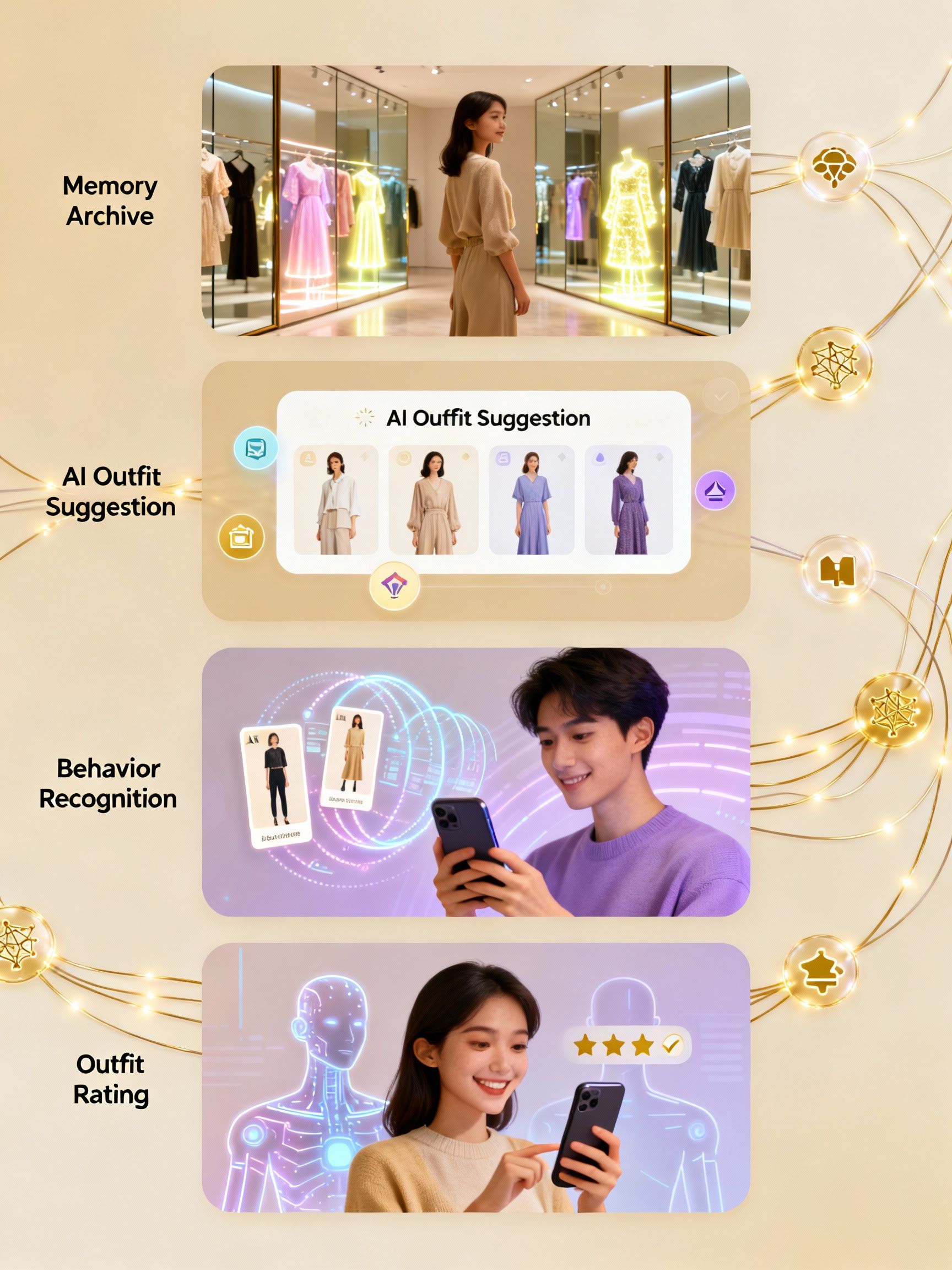
Glance doesn’t create AI fashion models in the visual sense.
It creates something more powerful: an AI Twin built from micro-behaviors.
Your AI Twin learns from:
- dwell time
- scroll rhythm
- pause points
- return visits
- late-night vs. morning browsing
- sequencing patterns (tops → skirts → accessories)
This is the “model” that shapes your discovery—not a digital avatar, but a mathematical reflection of your evolving taste.
It’s also what makes Glance radically different from AI-generated imagery platforms.
The platform understands why a shopper likes something, not just what they look like.
This is especially important for readers exploring inclusive size discovery, where body representation doesn’t always translate to taste representation.
The Untold Side of Inclusivity: Representation Isn’t Enough
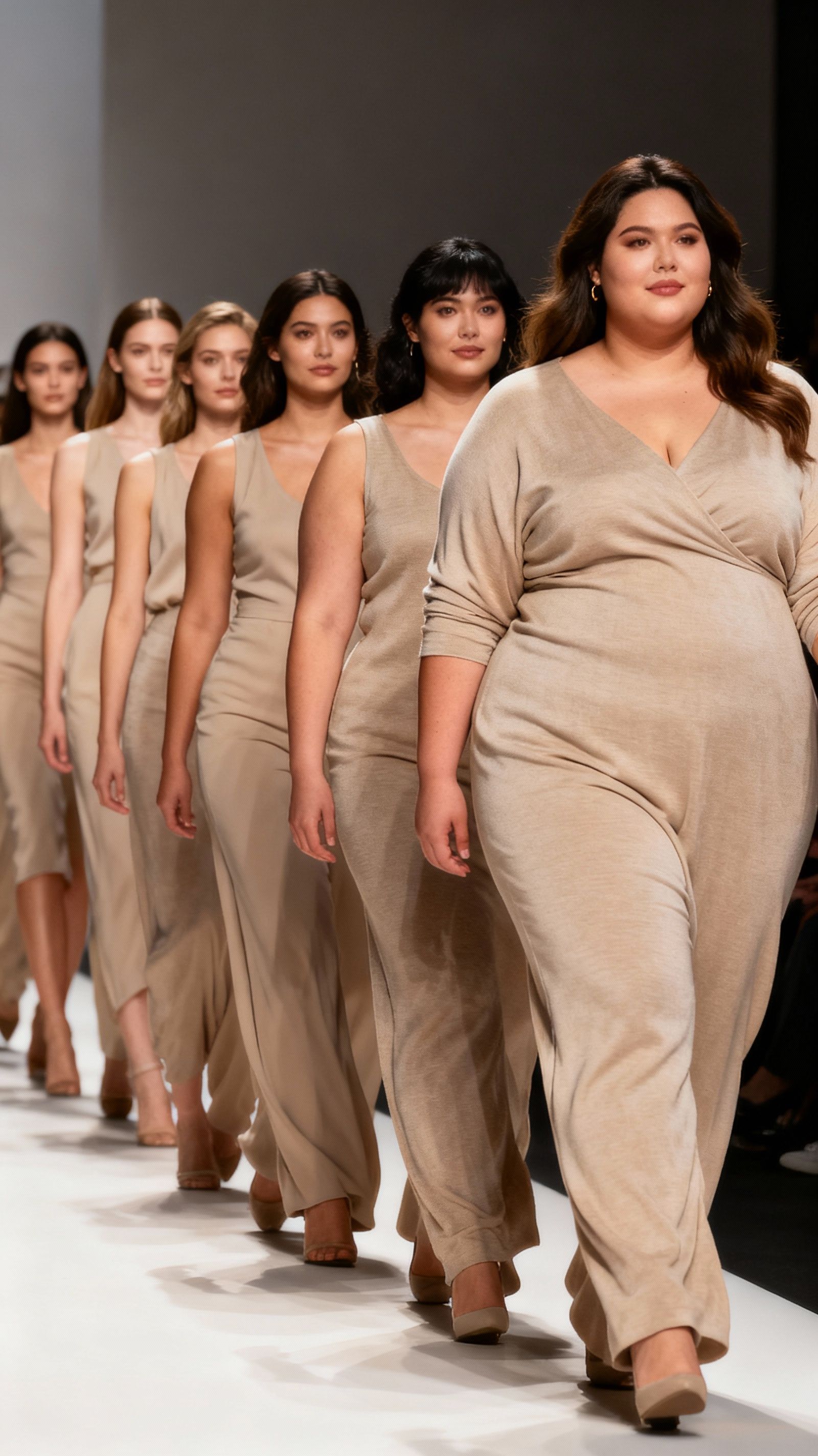
Many brands use AI fashion models to project more inclusivity—
plus-size models, gender-fluid models, non-traditional casting.
This progress is real.
But inclusivity in the visual layer still misses something:
Inclusivity of taste, behavior, identity, and style context.
- ai plus size fashion is improving, but shoppers still struggle with knowing which styles fit their vibe, not just their body.
- inclusive styling fashion requires understanding cultural cues and personal moods, not just diverse model imagery.
- gender inclusive fashion becomes meaningful only when recommendations don’t assume binary identities—something Glance supports through behavior-first modeling and its connection to topics like non-binary fashion.
Glance’s approach avoids assumptions.
Behavior speaks louder than categories.
Why Gen Z Sees AI Fashion Models Differently
Gen Z doesn’t respond to polished ads—they respond to alignment.
According to McKinsey’s report, many Gen Z consumers (48 %) prefer brands that avoid traditional gendered classifications, underscoring the importance of flexibility, inclusivity, and identity‑respecting design.
For them, AI fashion models aren’t exciting unless they:
- represent real identities
- keep up with fast-moving micro-aesthetics
- adapt to mood and energy levels
- help reduce choice overload
This is exactly why behavioral models matter:
Trends don’t shape Gen Z.
Gen Z shapes the trend model.
What AI Fashion Models Still Can’t Capture (but Behavioral AI Can)
- Mood-driven style shifts
- Lifestyle rhythms (workdays, weekends, seasons)
- Energy signals (slow scrolls vs. skip-scrolls)
- Emerging micro-trends before they go mainstream
- Contextual interpretation: Why this item now?
- Identity expression beyond appearance
AI-generated bodies can display a product.
Only behavior models can explain why the product matters.
What Comes Before the Model Is What Matters Next
Fashion is undergoing a major shift:
- From appearances → to understanding
- From representation → to interpretation
- From digital bodies → to digital taste models
- From trends we follow → to trends that follow us
Glance stands in this transition not as a creator of AI fashion models, but as a creator of AI fashion understanding.
It models you, not your body.
Conclusion
The U.S. fashion landscape is rapidly embracing AI fashion models, but the true impact isn’t in digital faces—it’s in the invisible intelligence underneath.
Before a look appears on a screen, a predictive model decides if it deserves to be there.
Glance takes this further by building a personalized model around each shopper through behavioral learning. It interprets taste, mood, timing, and context in ways no avatar can.
The future of AI in Fashion won’t be shaped by digital humans—
but by digital understanding.
FAQs
1. Are AI fashion models only digital avatars?
No. While AI-generated avatars are common, AI fashion models also refer to predictive data models behind trend forecasting, product selection, and personalized discovery.
2. Does Glance use AI fashion models to display products?
No. Glance does not use digital avatars or virtual bodies. Instead, it builds a behavioral model—the AI Twin—to understand each shopper’s unique style patterns.
3. How are AI fashion models used in inclusive fashion?
Brands use AI to generate more diverse imagery, improving representation for plus-size and gender-diverse shoppers. But behavior modeling (like in inclusive size discovery) ensures inclusivity extends to preferences, not just visuals.
4. What makes behavioral modeling better for Gen Z?
Gen Z wants identity-driven discovery. Behavioral AI reads their evolving tastes, moods, and micro-patterns in ways static imagery from AI fashion models cannot.
5. Will AI fashion models replace human models completely?
Unlikely. AI imagery may grow, but behavioral AI—like Glance’s—will shape what products appear, making human models part of a broader adaptive ecosystem rather than replacements.
Download the Glance app now





Your intelligent
shopping agent.







Your intelligent
shopping agent.