

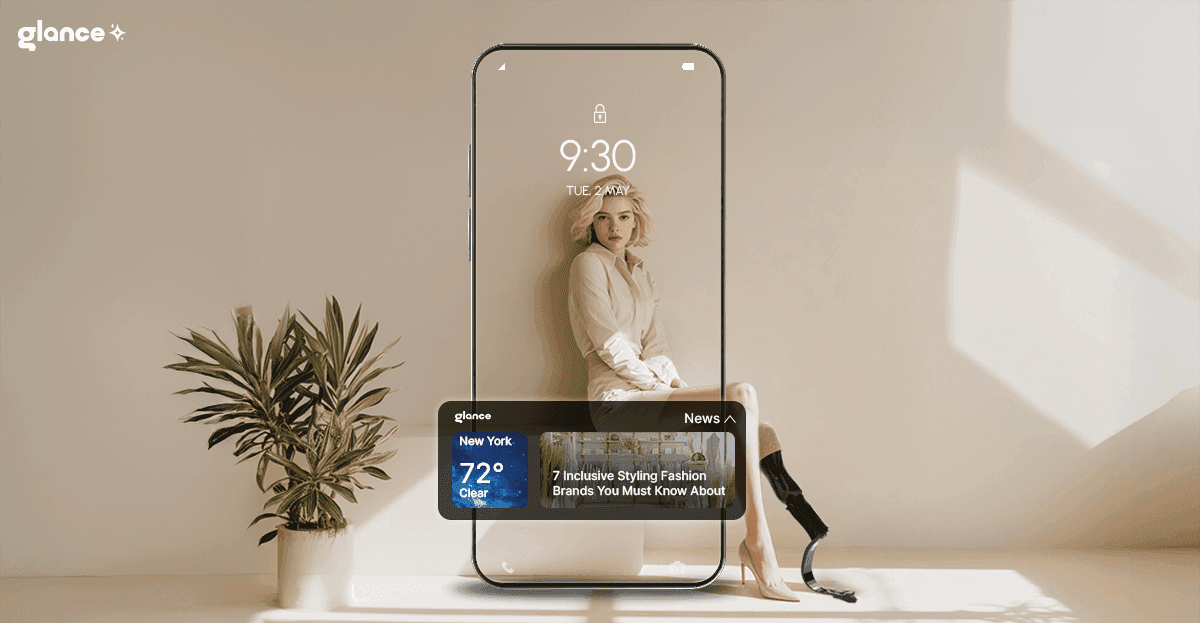
7 Brands Are Leading the Way in Inclusive Styling Fashion
TL;DR
Inclusive styling fashion is no longer optional. It's shaping the future of the industry. As demand for diverse sizing, adaptive design, and authentic representation grows, seven standout brands are redefining what it means to design for everyone. From extended size ranges to body-positive collections, these labels are setting new benchmarks. The Glance Intelligent Shopping Agent further simplifies discovery by helping users find and style inclusive fashion effortlessly.
Fashion has always claimed to be for everyone. In reality, it has often catered to a narrow definition of body type, ability, and identity. Limited size ranges, lack of representation, and impractical designs have historically excluded a significant portion of consumers from fully participating in fashion.
That gap is now impossible to ignore and even harder to justify. Nearly half of consumers in the United States have reported feeling excluded from fashion advertising, highlighting a long-standing disconnect between brands and real people.
At the same time, the market is sending a clear signal. The global plus-size fashion segment has grown into a multi-billion-dollar industry, with consistent year-on-year expansion. This is not just a commercial opportunity—it reflects a deeper cultural shift toward acceptance, representation, and accessibility.
Inclusive styling fashion, therefore, is not about adding extended sizes as an afterthought. It is about designing with intention—creating clothing that considers different body shapes, proportions, abilities, and lived experiences from the very beginning. True inclusivity ensures that style, comfort, and self-expression are accessible to all, not just a select few.
This shift is being led by a new wave of brands that are embedding inclusivity into their core philosophy. They are rethinking everything—from sizing systems and fits to campaign imagery and adaptive features—proving that fashion can be both stylish and equitable.
If you are looking to understand who is setting these new standards, here are seven brands that are genuinely leading the way in inclusive styling fashion.
7 Inclusive Styling Fashion Brands
1. J.Crew: Classic Styles, Expanded Sizes
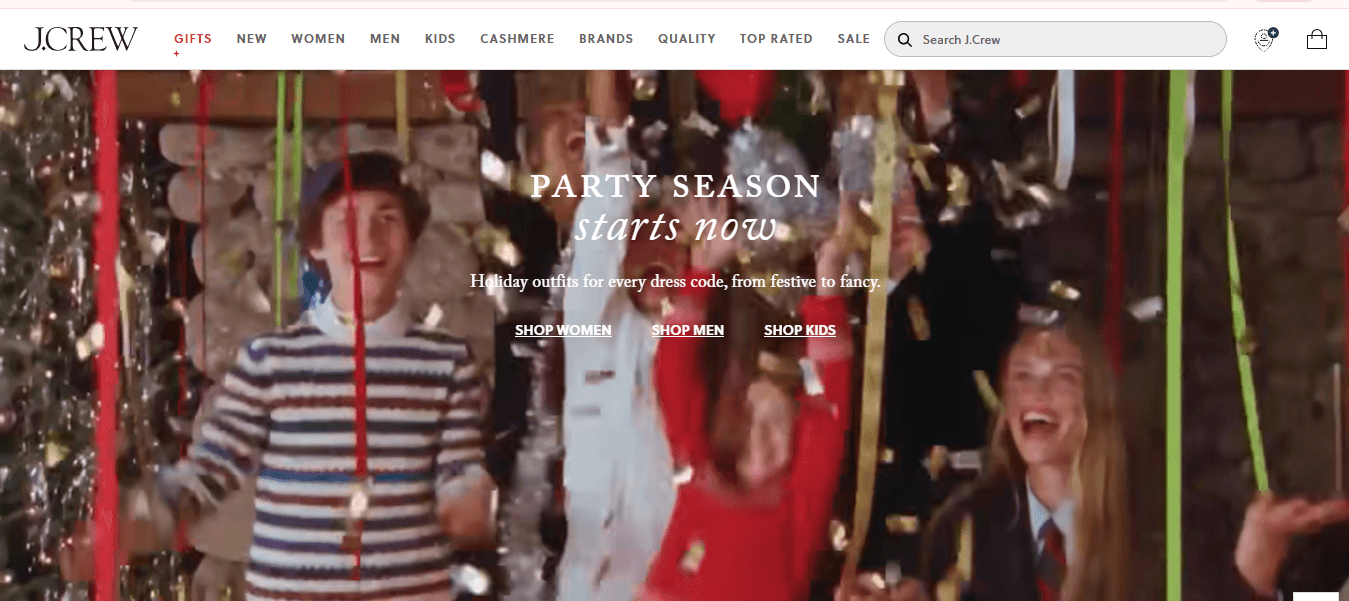
Image Source: J.Crew
J.Crew is no stranger to the American wardrobe. Known for timeless pieces, the brand has made a strong push toward inclusivity.
- Inclusive sizing: Offers petite to plus-size options in many collections, with attention to proportions and tailoring.
- Fashion sensitivity AI: They use data-driven insights to understand what customers need, ensuring every size gets thoughtful styling.
Ever felt frustrated seeing chic pieces in only limited sizes? J.Crew helps you experience style without compromise. Their sizing expansion makes staples like blazers, jeans, and button-downs available for a wider audience, making everyday fashion accessible and flattering.
2. Madewell: Sister Brand, Wider Options
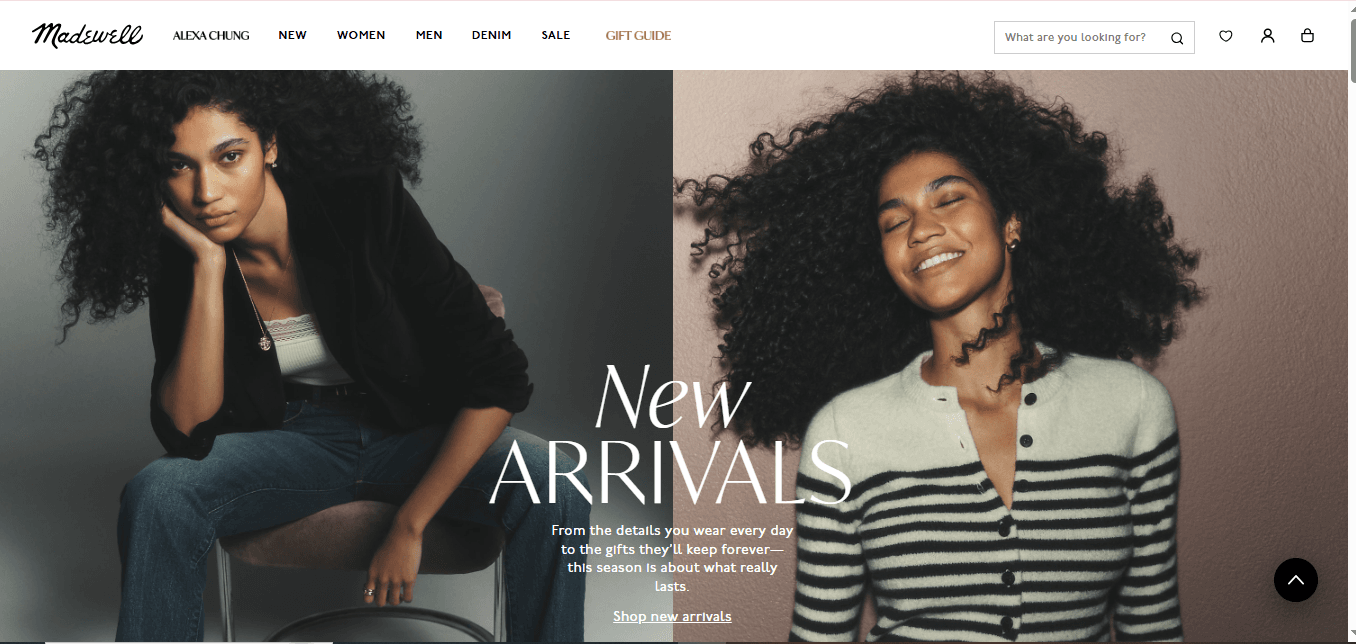
Image Source: Madewell
Madewell, part of the J.Crew family, has gone a step further with inclusivity.
- Range: Sizes extend up to 3X in many of their popular silhouettes.
- Style & comfort: Emphasizes comfortable fabrics that suit different body types, from flowy tops to well-fitted jeans.
63% of US consumers say diversity in fashion is important—Madewell is an example of listening to that demand. They combine classic aesthetics with accessible sizes, proving that inclusivity can also be aspirational.
3. Big Bud Press: Bold, Body-Positive Streetwear
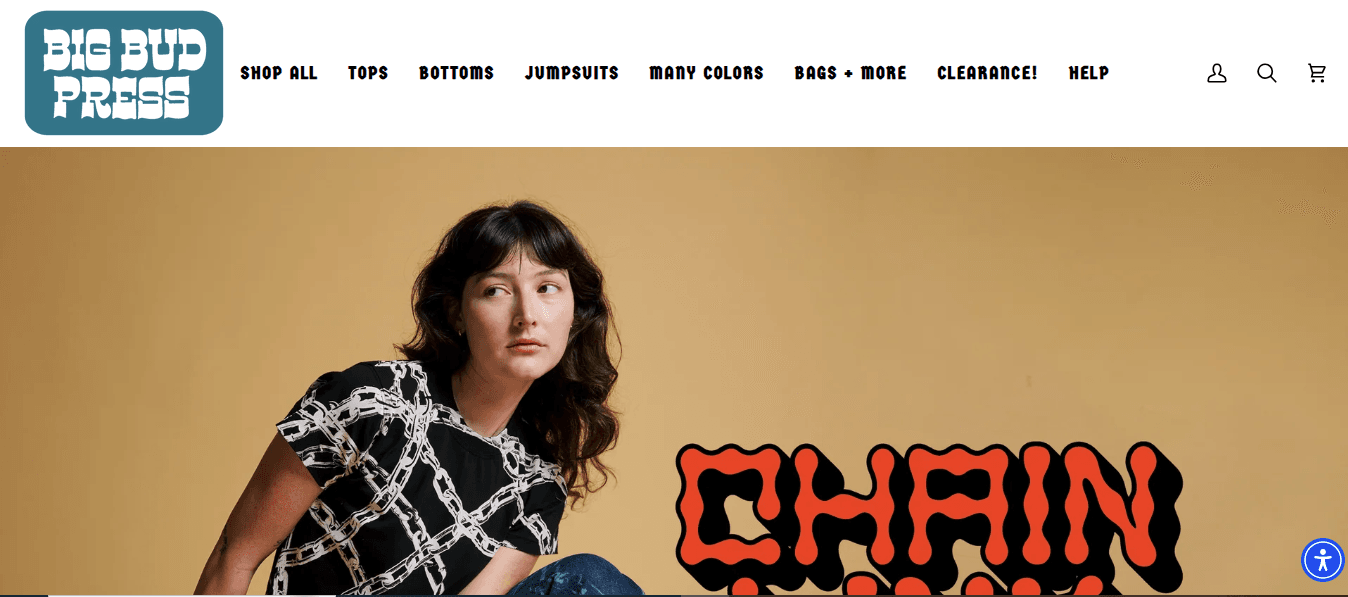
Image Source: Big Bud Press
If you love streetwear, Big Bud Press is your go-to.
- Inclusive sizing: Sizes go up to 5XL, embracing larger body types with bold prints and oversized fits.
- Fashion sensitivity AI: Uses customer data and feedback to design pieces that celebrate body diversity.
Big Bud Press challenges the idea that streetwear is “one-size-fits-all.” Their collections emphasize confidence for every shape, encouraging self-expression without compromise.
4. WILDFANG: Breaking Gender Norms with Inclusive Sizing
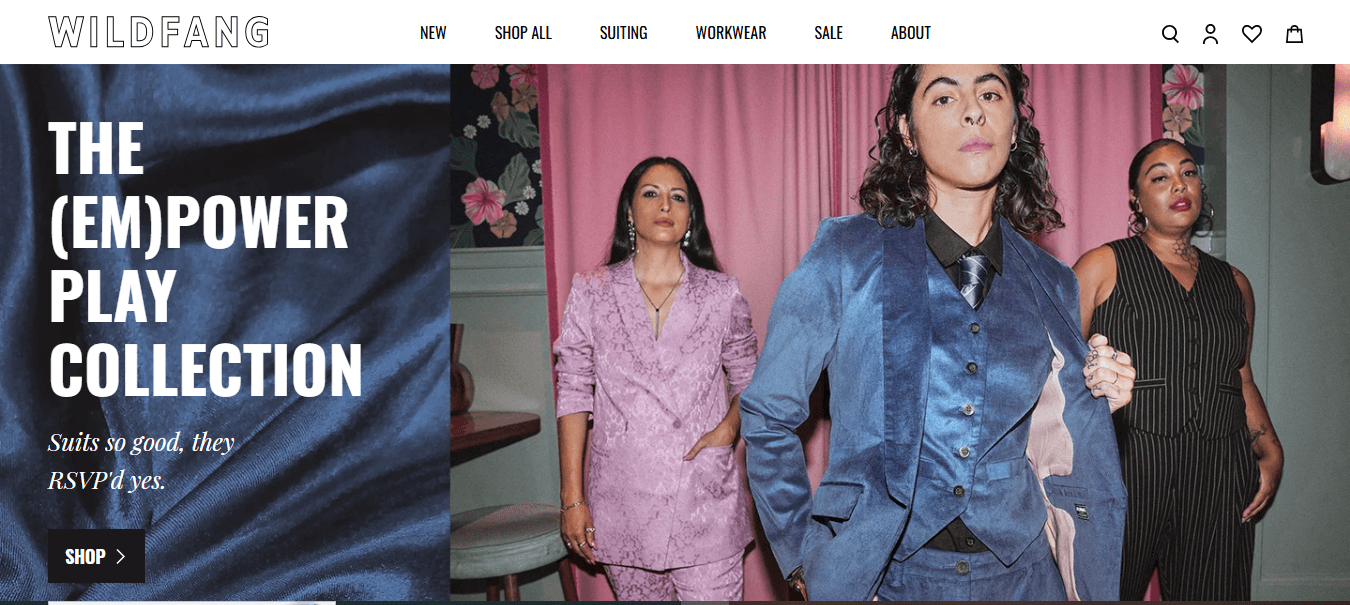
Image Source: WILDFANG
WILDFANG is all about gender-fluid, non-traditional fashion, and inclusivity is part of its DNA.
- Range: Full range of sizes, with designs that fit across body types.
- Inclusivity focus: Prioritizes adaptive clothing options for people with accessibility needs.
Did you know the US adaptive clothing market is expected to hit $180.7 billion by 2032? Brands like WILDFANG are at the forefront, ensuring fashion is not only stylish but also functional for everyone.
5. Lane Bryant: The Classic Plus-Size Authority
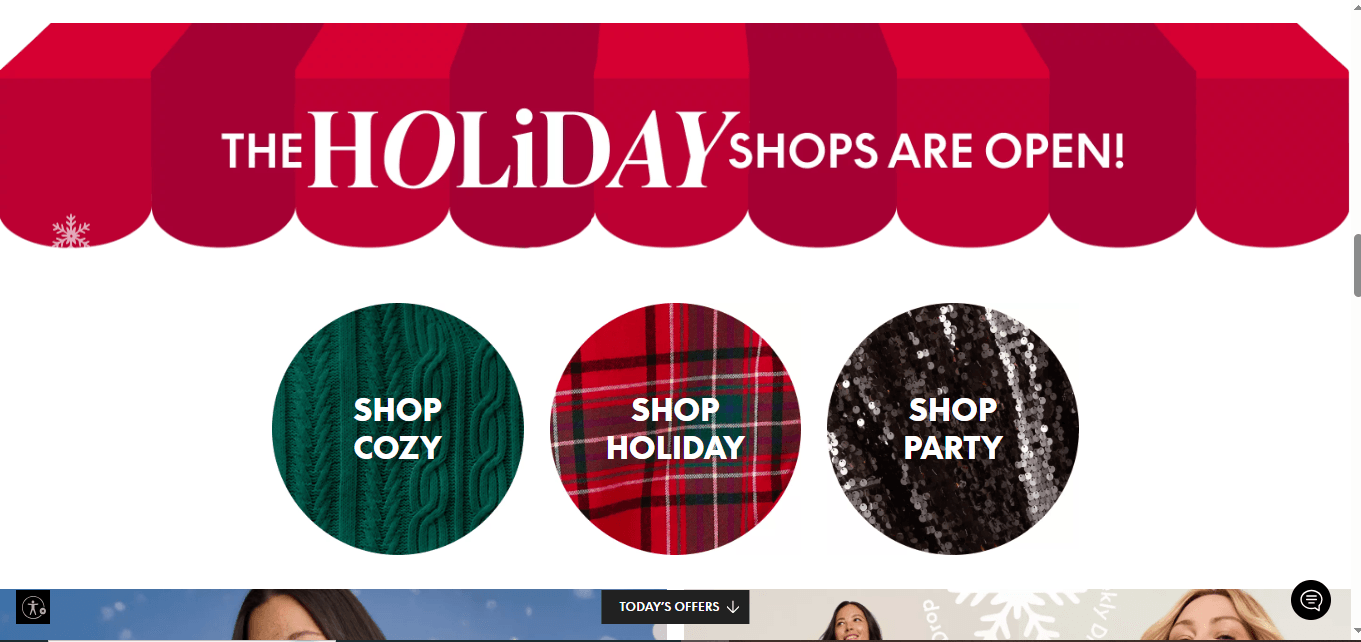
Image Source: Lane Bryant
Lane Bryant has long been synonymous with plus-size fashion, but they’ve evolved to meet modern expectations.
- Range: Sizes 10–28+ across all collections.
- Design philosophy: Stylish, on-trend pieces that don’t compromise comfort.
- Inclusivity: Also offers adaptive options for enhanced accessibility.
Fashion is not one-size-fits-all, and Lane Bryant exemplifies how plus-size fashion can be aspirational, stylish, and inclusive at the same time.
6. 11 Honoré: Luxury for Every Body
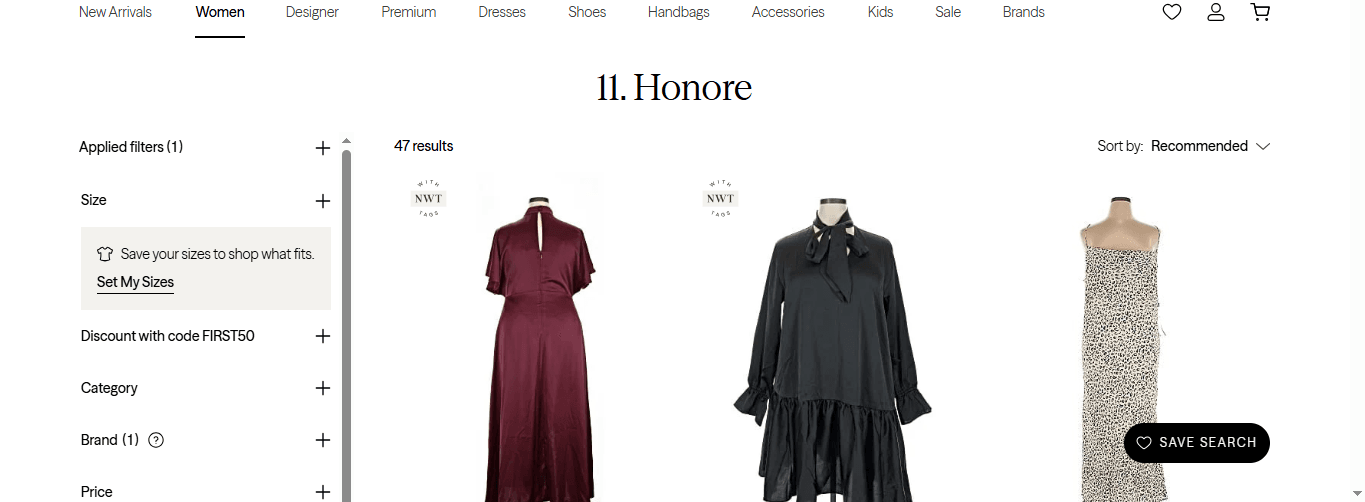
Image Source: Thredup
Luxury fashion has often excluded plus sizes—but 11 Honoré is changing the game.
- Focus: Curates high-fashion brands in extended sizes.
- Inclusive styling fashion: Provides pieces for events, work, and everyday luxury without size limitation.
The global demand for inclusive fashion is growing, and 11 Honoré shows that luxury doesn’t have to leave anyone behind. They combine runway trends with accessibility in an intelligent, stylish way.
7. Nicopanda: Edgy, Avant-Garde, Inclusive
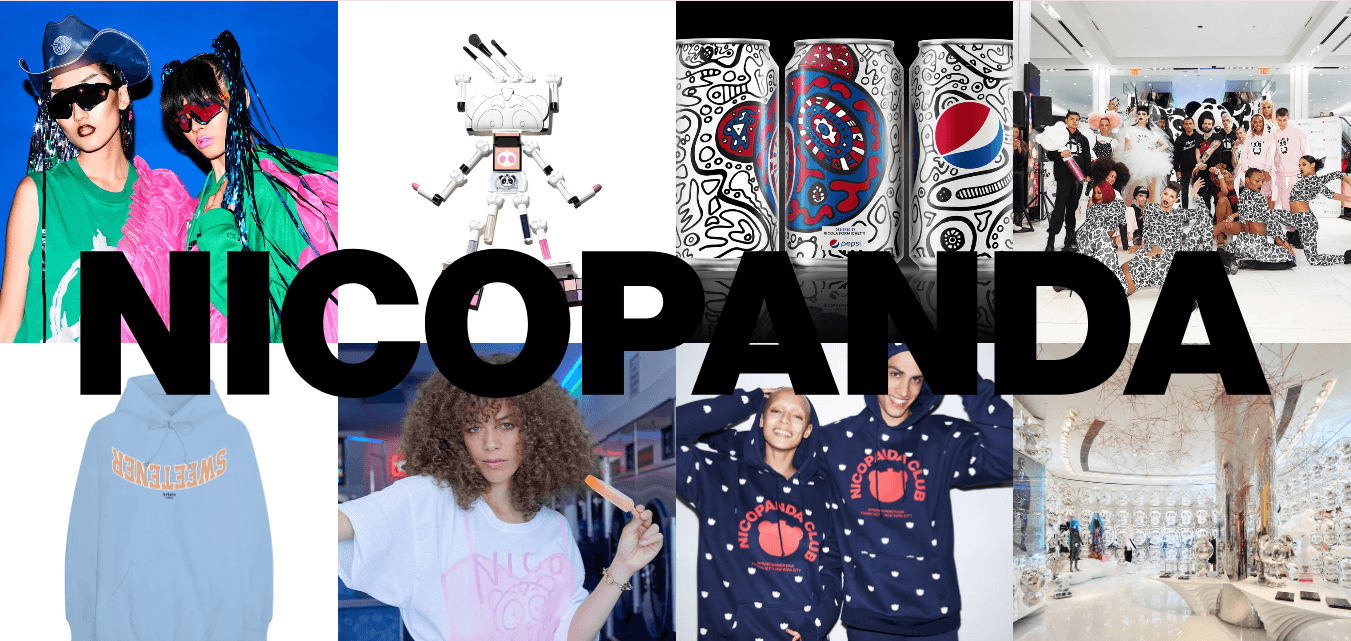
Image Source: Nicopanda
Nicopanda is for those who want to make a statement while staying inclusive.
- Sizing: Extended sizing in both streetwear and high-fashion collections.
- Style philosophy: Gender-fluid, fun, and expressive pieces that embrace individuality.
Research indicates that 56% of Gen Z are interested in non-traditional aesthetics—Nicopanda caters to this audience by providing bold, inclusive fashion for everyone, regardless of body type or identity.
Inclusive Fashion Brands: How They Compare on Fit, Design, and Accessibility
Brand | How They Support Inclusivity | Where They Stand Out | Quality and Design Approach |
J.Crew | Offers petite to plus sizes with attention to proportion and tailoring | Strong in classic wardrobe staples made accessible across sizes | Reliable quality with a focus on timeless, structured pieces |
Madewell | Extends sizing up to 3X in core collections | Balances comfort with everyday wearability | High quality denim and soft fabrics designed for all day wear |
Big Bud Press | Size range up to 5XL with body positive fits | Bold, expressive streetwear for diverse body types | Durable fabrics with a focus on oversized and statement silhouettes |
WILDFANG | Gender fluid designs with adaptive clothing options | Strong focus on identity inclusive and functional fashion | Mid to high quality with emphasis on versatility and accessibility |
Lane Bryant | Specializes in sizes 10 to 28+ with adaptive features | Deep expertise in plus size fit and styling | Consistent quality with trend aligned plus size collections |
11 Honoré | Brings luxury fashion to extended sizes | Only platform focused on high end inclusive fashion | Premium quality with designer level craftsmanship |
Nicopanda | Extended sizing with gender fluid and experimental designs | Appeals to Gen Z with bold, non traditional aesthetics | Creative, statement driven pieces with high fashion influence |
Why Inclusive Fashion Matters in Real Decisions
Inclusive styling is not just about extending size ranges. It directly affects how people evaluate, trust, and ultimately purchase clothing. In the U.S., where fit inconsistency is one of the top reasons for returns, inclusive design reduces both decision friction and post purchase dissatisfaction.
For many shoppers, the challenge is practical. A product may look appealing, but questions around fit, proportion, or accessibility create hesitation. Inclusive fashion addresses this by designing for a wider range of body types, mobility needs, and identity expressions from the start, not as an afterthought.
There is also a clear market signal. A majority of U.S. consumers now expect brands to reflect diversity in sizing, representation, and functionality. At the same time, categories like adaptive clothing are expanding rapidly, indicating that inclusivity is shifting from niche to standard.
Technology plays a supporting role here. Instead of relying only on historical sizing or broad segments, data driven systems and AI now help brands understand fit patterns, return behavior, and unmet needs. This leads to better product design, more accurate sizing, and clearer expectations for the shopper.
How the Glance Intelligent Shopping Agent Helps You Navigate Inclusive Fashion
Finding inclusive fashion is rarely straightforward. Most platforms still require users to filter by size, browse multiple brands, and manually assess whether something will actually fit or work for their needs.
The Glance Intelligent Shopping Agent changes this by shifting from filtering to interpretation.
Instead of asking you to search, its AI power interprets your fashion intent and context.
For example, On Glance, you don't need to search, “comfortable office wear in extended sizes” or “streetwear that works for broader body types. Glance analyzes your behavior that results in complete outfit suggestions, not just product listings.
Here is how it improves the experience:
Context aware recommendations
It considers factors such as body attributes, style preferences, and usage context to surface options that are more likely to work in real life.
Cross brand discovery
Instead of limiting you to one brand, it brings together options from multiple inclusive labels, helping you compare what actually fits your needs.
Outfit level evaluation
Rather than showing isolated items, it presents coordinated looks. This makes it easier to judge proportion, layering, and overall suitability.
Reduced trial and error
By narrowing choices to what is relevant, it lowers the need for multiple purchases and returns, which is a common issue in inclusive fashion shopping.
Final Thoughts
Inclusive styling fashion is no longer optional; it’s essential. With brands like J.Crew, Madewell, Big Bud Press, WILDFANG, Lane Bryant, 11 Honoré, and Nicopanda leading the way, the US market is showing that style, comfort, and inclusivity can coexist.
Whether you’re plus-size, petite, differently-abled, or interested in non-traditional aesthetics, there’s something for everyone. And tools like Glance make navigating this space intuitive, smart, and fun.
Remember: fashion is meant to empower, not exclude. Explore, experiment, and embrace styles that celebrate everybody.
FAQs Related to Inclusive Styling Fashion
1. What is inclusive styling fashion?
Inclusive styling fashion focuses on designing and recommending clothing that works for all body types, sizes, genders, and abilities. In the US market, this includes extended size ranges, adaptive clothing for people with disabilities, and styles that reflect diverse identities, ensuring fashion is accessible, functional, and expressive for everyone.
2. Which US brands are known for inclusive fashion?
Several US based brands are leading inclusive fashion, including J.Crew, Madewell, Big Bud Press, WILDFANG, Lane Bryant, 11 Honoré, and Nicopanda. These brands offer extended sizing, gender neutral collections, and adaptive designs, making stylish clothing more accessible across different body types and identities.
3. How does AI help improve inclusive fashion?
AI improves inclusive fashion by analyzing customer data such as body measurements, fit preferences, and purchase behavior to recommend styles that suit diverse body types. In the US ecommerce space, AI driven systems reduce size mismatches, improve fit accuracy, and ensure shoppers discover clothing that aligns with both comfort and personal style.
4. Why is inclusive fashion important today?
Inclusive fashion is important because it promotes representation, accessibility, and confidence. In a diverse market like the US, it ensures that individuals of all sizes, abilities, and backgrounds feel seen and included, transforming fashion from a limited industry into a more empowering and personalized experience.
5. How can Glance help me shop inclusive fashion?
Glance, as an intelligent shopping agent, helps users discover inclusive fashion by offering personalized outfit recommendations based on body type, preferences, and real time behavior. It highlights diverse brands, enables visual try-ons through AI Twins, and ensures users find styles that are both well fitting and aligned with their identity.
Download the Glance app now




Your intelligent
shopping agent.







Your intelligent
shopping agent.