

How Accurate Is an AI Fashion Style Generator Today?
TL;DR
AI fashion style generators don’t read minds — they read patterns. By learning from browsing behavior, timing, and repeat choices, these tools aim to reduce decision fatigue and improve relevance. This article explores how accurate they really are, where they help, and where human judgment still matters.
You’re not out of clothes — you’re out of patience.
Your closet is full, your browser tabs are open, and yet nothing feels wearable. Not because fashion failed, but because choosing now takes more effort than it should.
This is the quiet problem ai fashion style generator tools are trying to solve. Not trends. Not aesthetics. Mental overload.
In the U.S., where people shop online more than ever, style decisions now happen between meetings, late at night, or in short scrolling bursts. That’s changed what “good fashion tech” actually means.
This article looks at how AI fashion style generators work in real life — what they get right, where they fall short, and how behavior-based discovery (not outfit assembly) is shaping what accuracy really means today.
What “Accuracy” Really Means in Style Tech
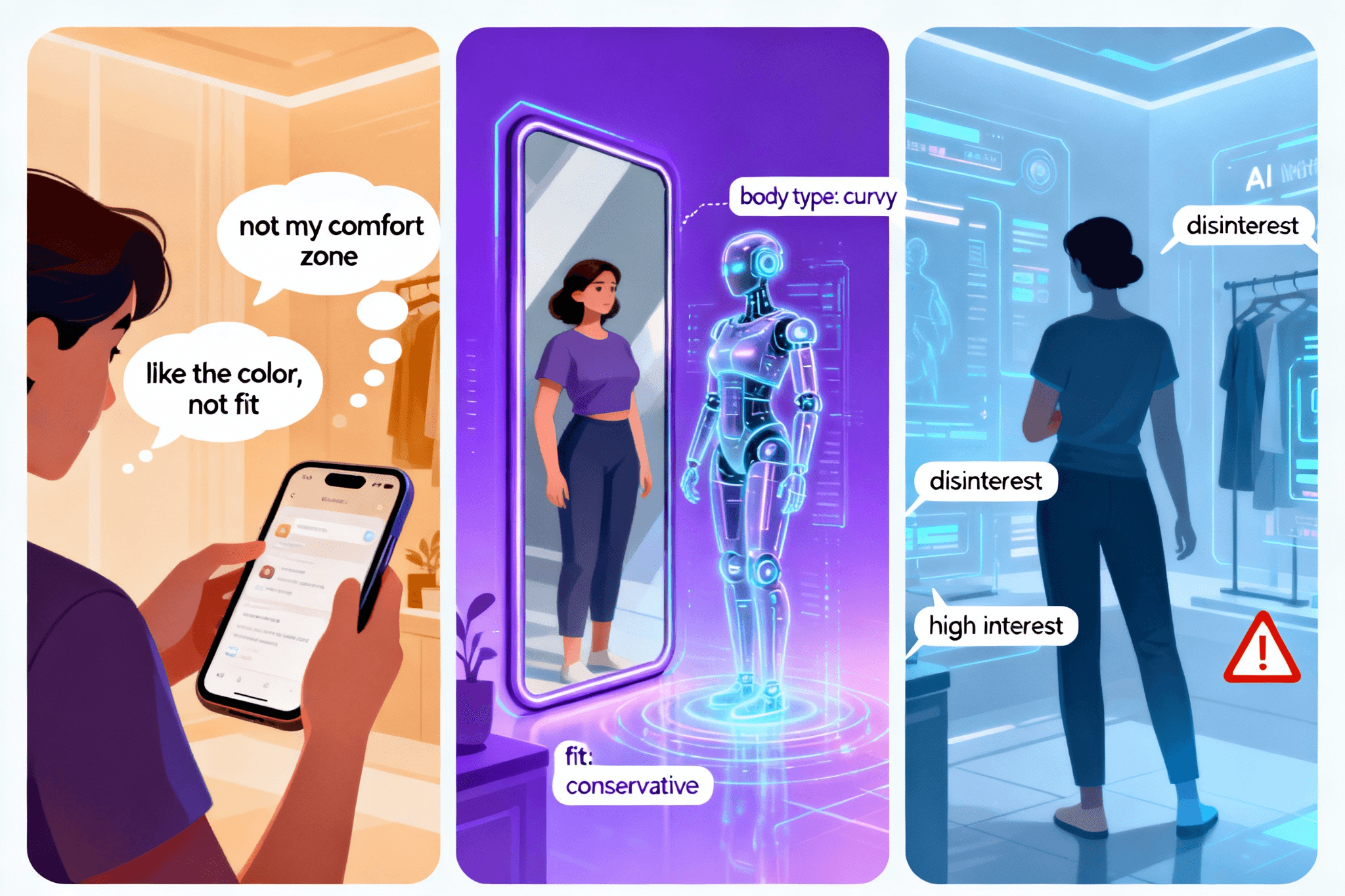
When we talk about accuracy in an ai fashion style generator, we don’t mean “looks pretty” or “matches trends.” Accuracy means:
- Relevance — suggestions feel like something you would wear
- Fit confidence — recommendations that match common size and style patterns
- User satisfaction — users feel understood, not confused
In the U.S., consumers increasingly expect personalized fashion experiences — and accuracy is a big part of that. According to industry stats, 45% of fashion brands are integrating AI for personalized shopping experiences, which includes outfit suggestions and styling insights.
How These Tools Learn Style Behind the Scenes
AI fashion tools don’t guess your taste — they learn it.
Here’s how many systems derive accuracy:
- Browsing behavior: What you click, linger on, or revisit
- Dwell patterns: How long you inspect certain items
- Repetitive selections: Trends in what you choose over time
- Occasion context: Mood or event timing
This is behavior analysis at scale — not opinion polls or persona quizzes. AI systems spot patterns across hundreds or thousands of interactions, and adjust suggestions accordingly. It’s not perfect, but it’s highly adaptive.
Real AI Fashion Style Generators — Examples & Insights
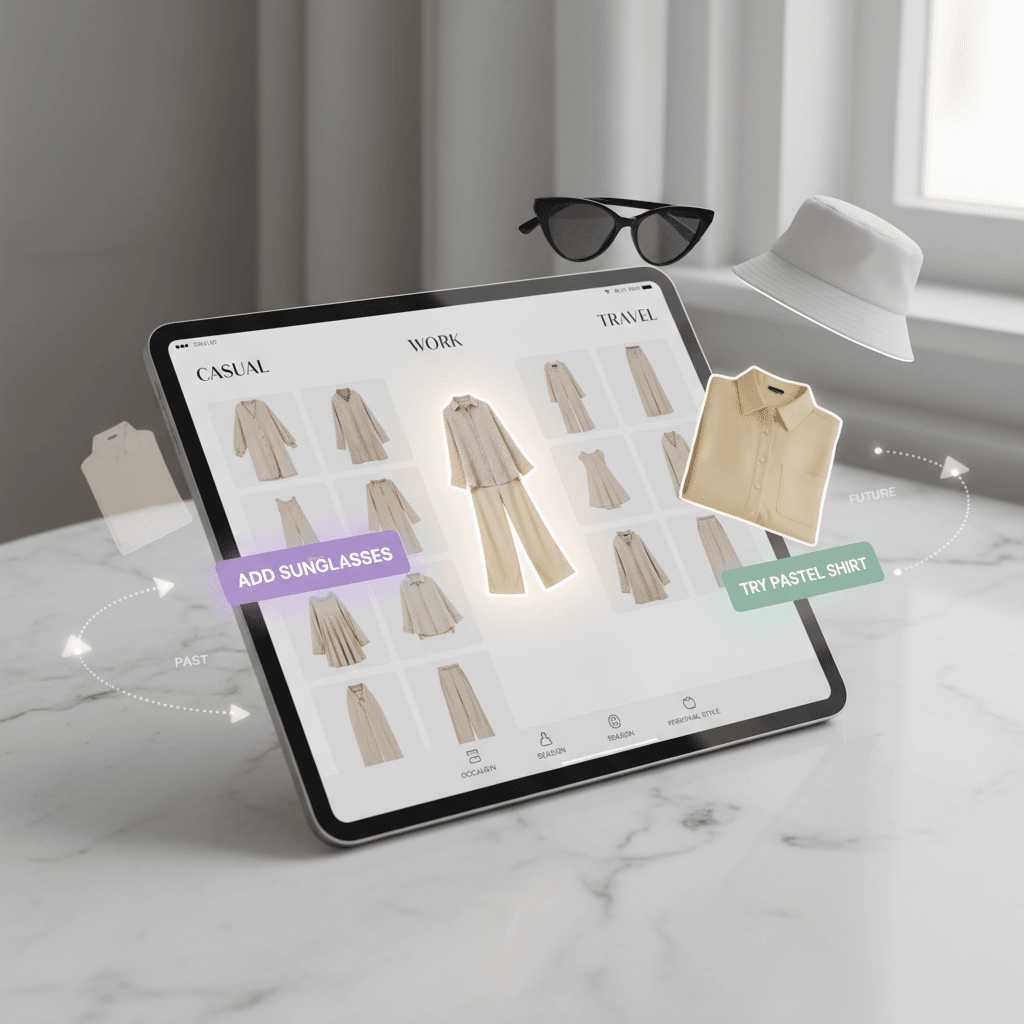
Here are three real tools that represent ai fashion style generators in practice. We’ll look at what they do well and where they still have gaps.
GenOutfit (Upload + Style Ideas)
This kind of generator lets users share photos or describe items and get complete outfits assembled around them. Their approach combines image recognition with trend data to produce combinations you might not have thought of.
Plus: Great for quick visual inspiration or outfit ideas.
Limitation: Its personalization is dependent on your inputs — not deep pattern learning from extended behavior.
Outfit AI (Mobile Outfit Generator)
Available on U.S. app stores, tools like Outfi AI let you upload visuals and generate outfit combinations on the fly.
Plus: Interactive and visual, good for immediate suggestions.
Limitation: It may not learn long-term preferences without persistent profiles.
OutfitQ (Mood-Based Ideas)
Enter a mood or event, and this AI outputs matching looks.
Plus: Useful for occasion-based outfit inspiration.
Limitation: Mood input can be subjective and may not improve over time unless behavior tracking is added.
Each of these tools shows that ai fashion style generator experiences are evolving — but they’re not yet as sophisticated as systems that combine behavior signals over time.
What U.S. Data Says About Style Accuracy
Let’s ground the discussion in verifiable U.S.-relevant fashion AI data.
- AI personalization is mainstream: About 45% of fashion brands use AI for personalized shopping experiences — a sign that relevance matters commercially.
- Consumers expect AI help: Nearly 48% of consumers say they would share data for personalized AI recommendations.
- AI boosts engagement: AI-driven visual search and recommendations can lead to significant increases in engagement and order values.
These trends underline that accuracy isn’t just theoretical — it drives real business outcomes. When systems better match user preferences, shoppers stay longer and buy more.
Where AI Gets It Right (and Where It Struggles)
Here’s a quick breakdown:
Where AI Performs Well
- Picks up repeated patterns in shopper behavior
- Offers quick mood or occasion-centric suggestions
- Reduces choice overload by narrowing options
- Leverages trend data to stay current
Where It Still Stumbles
- Subtle emotional or identity-based choices
- One-off events (e.g., special occasions) with little data history
- Deep cultural or personal storytelling in style
Accuracy doesn’t mean perfection — it means helpfulness that gets better as you interact.
AI vs Human Stylists
Feature | AI Fashion Style Generator | Human Stylist |
Speed | Very fast | Moderate |
Personal nuance | Evolving | High |
Trend spotting | Strong | Moderate |
Emotional context | Low | Strong |
Consistency | High | Variable |
Think of AI as a data-driven assistant — fast, adaptive, and pattern-aware — while human stylists add emotional, cultural, and nuanced context. The two can complement each other.
Did You Know?! The Tech Roots of Style AI
In 2015, an early fashion AI partnered with human stylists and analyzed over 31 million customer ratings and 3.7 trillion possible outfit combinations to suggest styles — showing just how complex personal fashion data can be.
This early work hinted at the power — and complexity — of AI style logic long before today’s tools went mainstream.
Glance — A Different but Related Lens
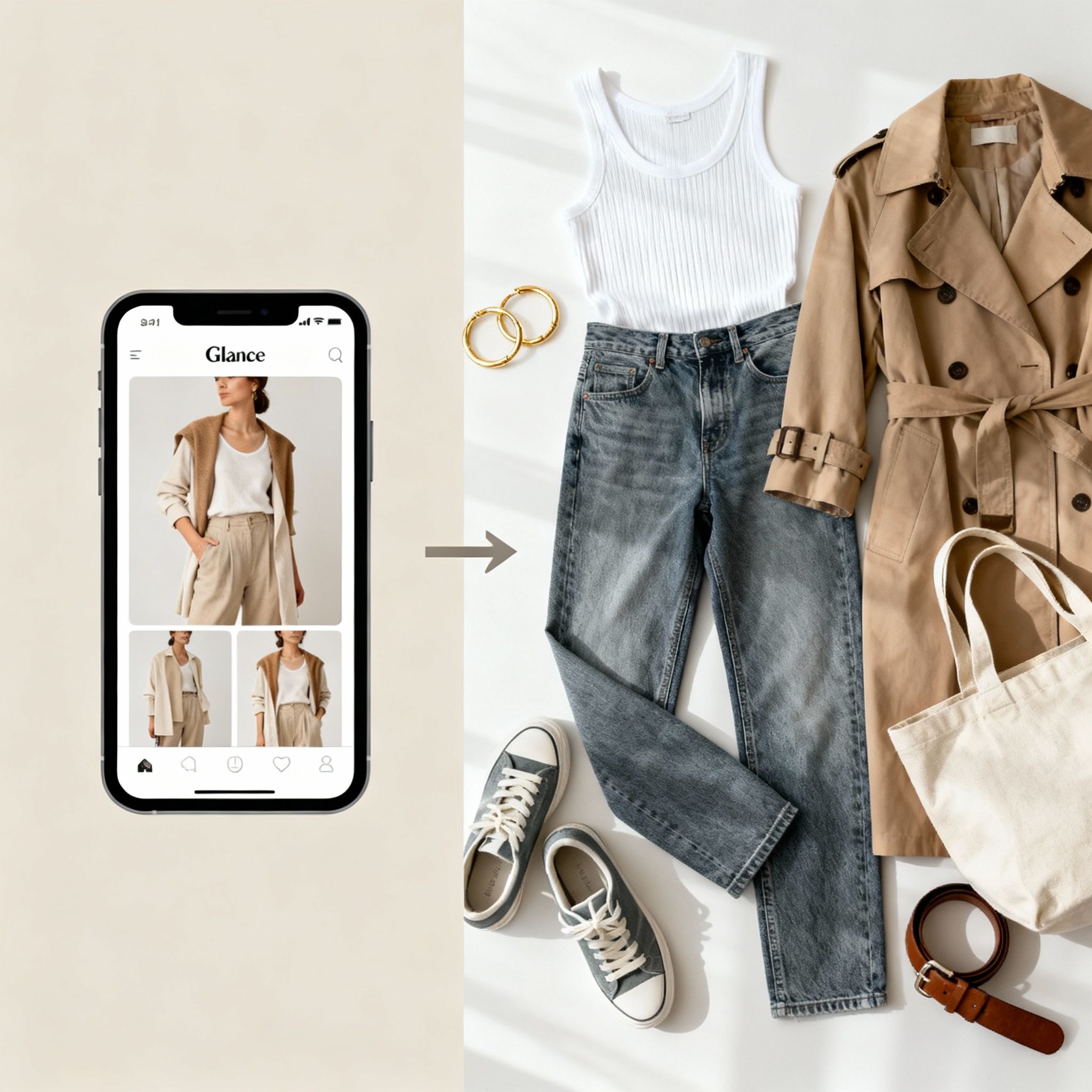
Tools like AI fashion style generators focus on outfit creation. Platforms such as Glance operate on a behavior-led discovery layer: they observe signals like how long you view items, your scroll rhythm, and repeat visits to understand evolving preferences. This isn’t the same as generating outfits, but it complements style prediction by interpreting how people engage with fashion options over time — enriching personalization without claiming to create outfits.
How Accurate Is “Accurate Enough”?
In the real world, shoppers don’t need perfect style predictions — they need helpful ones. What matters is whether a system:
- Helps narrow options without confusion
- Guides you toward outfits you’re more likely to enjoy
- Reduces post-purchase dissatisfaction
- Saves time in decision-making
Modern generators do these reasonably well, and with U.S. retail investing in AI personalization at scale, expectations are rising for even deeper relevance.
Conclusion — What the Data Actually Shows
AI fashion style generator tools are not perfect or psychic — but they’re practically helpful. They streamline decisions, surface combinations users might like, and increasingly match personal tastes by learning from behavior signals. U.S. data shows that personalization matters to shoppers — and AI is becoming better at delivering it.
As these systems learn from real interaction patterns and large trend datasets, their accuracy will continue to rise — transforming how Americans discover, decide, and dress.
FAQs related to AI fashion style generator
- What is an AI fashion style generator?
An AI fashion style generator is a tool that suggests outfits by analyzing user inputs, browsing behavior, and style patterns rather than relying only on fixed trends or presets. - Are AI fashion style generators accurate?
Accuracy varies, but modern AI fashion style generators improve over time by learning from interaction data, helping recommendations feel more relevant with continued use. - How do AI fashion style generators learn my style?
They learn by observing repeated actions such as clicks, dwell time, saved items, and browsing sequences, building a pattern-based understanding of personal style preferences. - Can AI fashion style generators replace human stylists?
No. AI fashion style generators support decision-making with data-driven suggestions, while human stylists provide emotional insight, cultural context, and creative interpretation. - Do U.S. shoppers trust AI for fashion suggestions?
Trust is growing as AI personalization improves, especially when recommendations reduce choice overload and align more closely with individual shopping behavior.
Download the Glance app now




Your intelligent
shopping agent.







Your intelligent
shopping agent.