


How AI for Sustainable Fashion Is Reshaping the US Industry
TL;DR
AI for sustainable fashion is helping US brands and shoppers cut waste, reduce overproduction, and extend garment life. From resale and rental platforms to smarter design and discovery tools like Glance, AI is making eco-friendly fashion more practical, personal, and scalable.
If you think about fashion today, most of us picture trends, social media outfits and constant newness. What we don’t immediately think about is all the waste fashion creates.
In the United States and around the world, clothing and textile waste is piling up in landfills at an alarming rate. According to industry research, the fashion industry generates around 92 million tons of textile waste every year, and a large share ends up in landfills where it can take decades to break down.
That’s where AI for sustainable fashion comes in. This is not just a tech buzzword. It refers to the real use of artificial intelligence to help brands, designers and everyday shoppers make choices that reduce waste, cut emissions and extend the life of garments.
Across the US, startups and established fashion platforms are using AI in innovative ways. Some improve demand forecasting to reduce overproduction. Others help customers find sustainable pieces that fit their lifestyle while cutting environmental impact. With consumer interest in conscious buying on the rise, AI for sustainable fashion is becoming essential — not just experimental.
The Real Role of AI in Making US Fashion More Sustainable
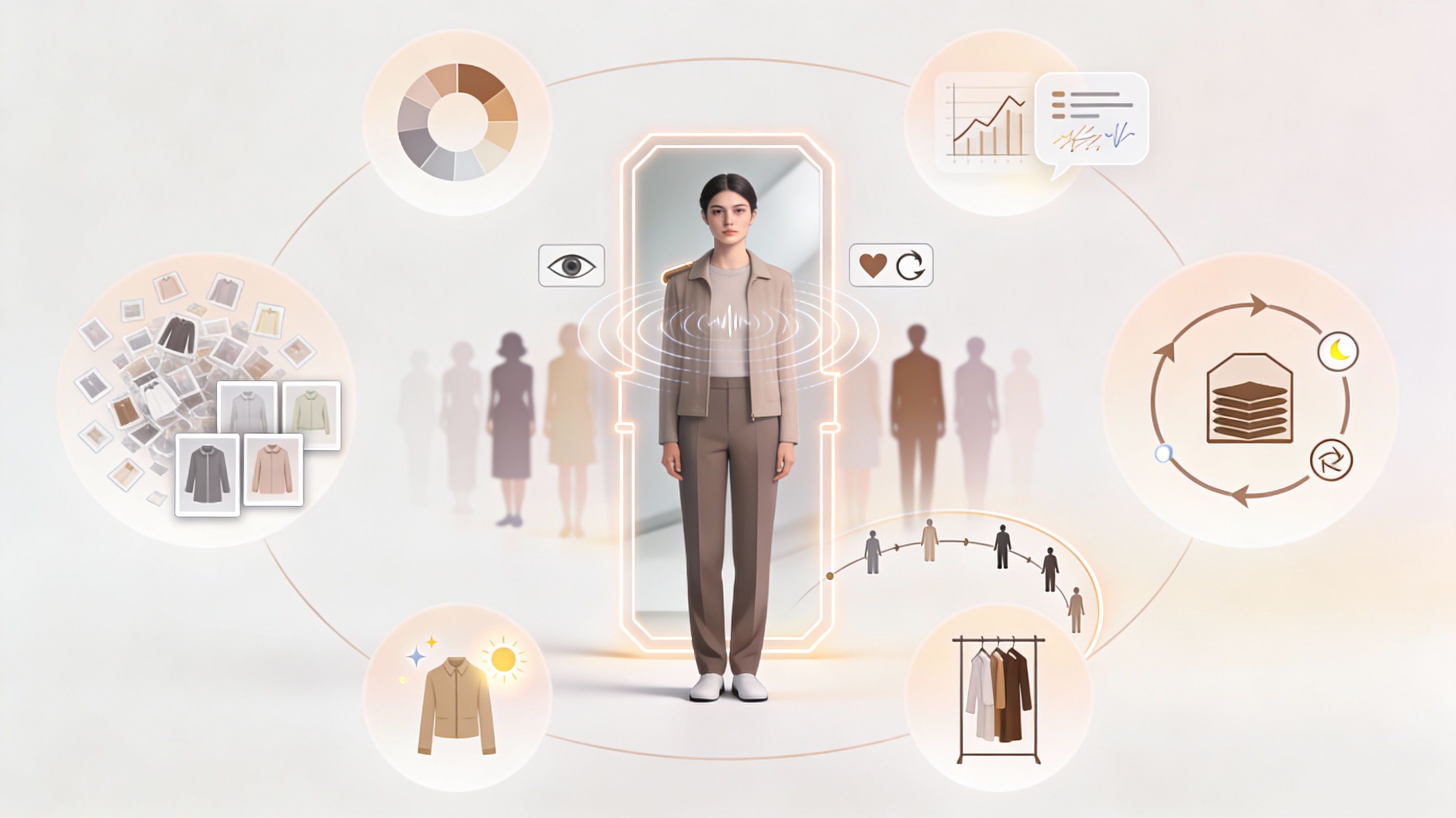
When people hear “AI in Fashion” they often think of flashy virtual try-ons or trend forecasting. In sustainability, AI goes deeper. It can analyze massive amounts of data to help reduce waste at every stage of the life cycle.
In the United States, fashion waste is a real concern. An average American throws away more than 80 pounds of clothing per year — much of it ending up in landfill. Meanwhile, only a small fraction of textiles ever get recycled.
Here’s how AI is helping tackle these problems:
- Smarter demand forecasting
For years, brands have made too many clothes simply because guessing demand is hard. AI for sustainable fashion changes by reading real shopping behavior, seasonal patterns, and even local conditions like weather. When brands produce closer to what people actually want, there’s less overstock, fewer returns, and far less waste. - Traceability and transparency
Shoppers in the US want proof, not promises. AI for sustainable fashion helps brands track where materials come from and how products are made. By pairing AI with digital tracking tools, sustainability claims become easier to verify, which builds trust and cuts through greenwashing. - Sorting and recycling automation
Recycling clothes used to be slow and mostly manual. Now, AI for sustainable fashion can quickly identify fabric types and quality, making sorting faster and more accurate. That means more materials get reused and fewer garments end up in landfills.
By improving these behind-the-scenes processes, AI is making sustainable fashion more scalable — not just an ideal.
AI Platforms Powering US Sustainable Fashion
AI for sustainable fashion isn’t abstract. There are several US platforms already using it every day to help cut waste, extend garment life, and make eco-style easier for consumers.
Platform | Core AI Feature | US Impact (2025 est.) | Monthly US Users |
ThredUp | AI resale scoring and personalization | Millions of items kept out of landfill | 1.465M |
Rent the Runway | AI closet and wear prediction | Reduced need to buy new clothes | 2M+ |
Stitch Fix | Sustainability filters + predictive inventory | More sustainable matches | 3.5M |
Everlane | AI deadstock pricing insights | Waste reduction | 1M+ |
Glance | Personalized style discovery that can highlight sustainable options | Better awareness and discovery of eco-aligned looks | Growing |
ThredUp’s AI Resale Engine
ThredUp is one of the largest online resale platforms in the US. Its AI tools help grade thousands of garments per second to determine resale value and condition, making it easier for people to buy and sell used clothing. Their data also powers tools like the Fashion Footprint Calculator, which shows consumers how buying secondhand can reduce carbon emissions and waste.
Rent the Runway
Rent the Runway uses machine learning to understand what items a person is likely to wear most often. By predicting wear patterns, it helps users borrow instead of buying new, thereby reducing the number of garments that need to be produced.
Stitch Fix Green AI
Stitch Fix blends styling with sustainability by encouraging users toward pieces with eco-friendly materials or certifications. Their data analysis also helps brands reduce overproduction through better stocking decisions.
Everlane’s Dynamic Pricing for Deadstock
Some brands, like Everlane, use AI to price and promote deadstock — leftover or excess inventory — in a way that encourages purchase and keeps materials from going to waste.
Glance for Conscious Discovery
Glance can help users discover outfits and pieces that align with sustainable values alongside classic and everyday fashion. It’s not a design or logistics tool but a way to see sustainable options that match your taste in real time, nudging eco-style awareness naturally.
These platforms show how AI for sustainable fashion is not limited to big factories and supply chains. It’s already affecting how we shop, wear and keep clothes.
AI in Design and Supply Chains: US Innovations
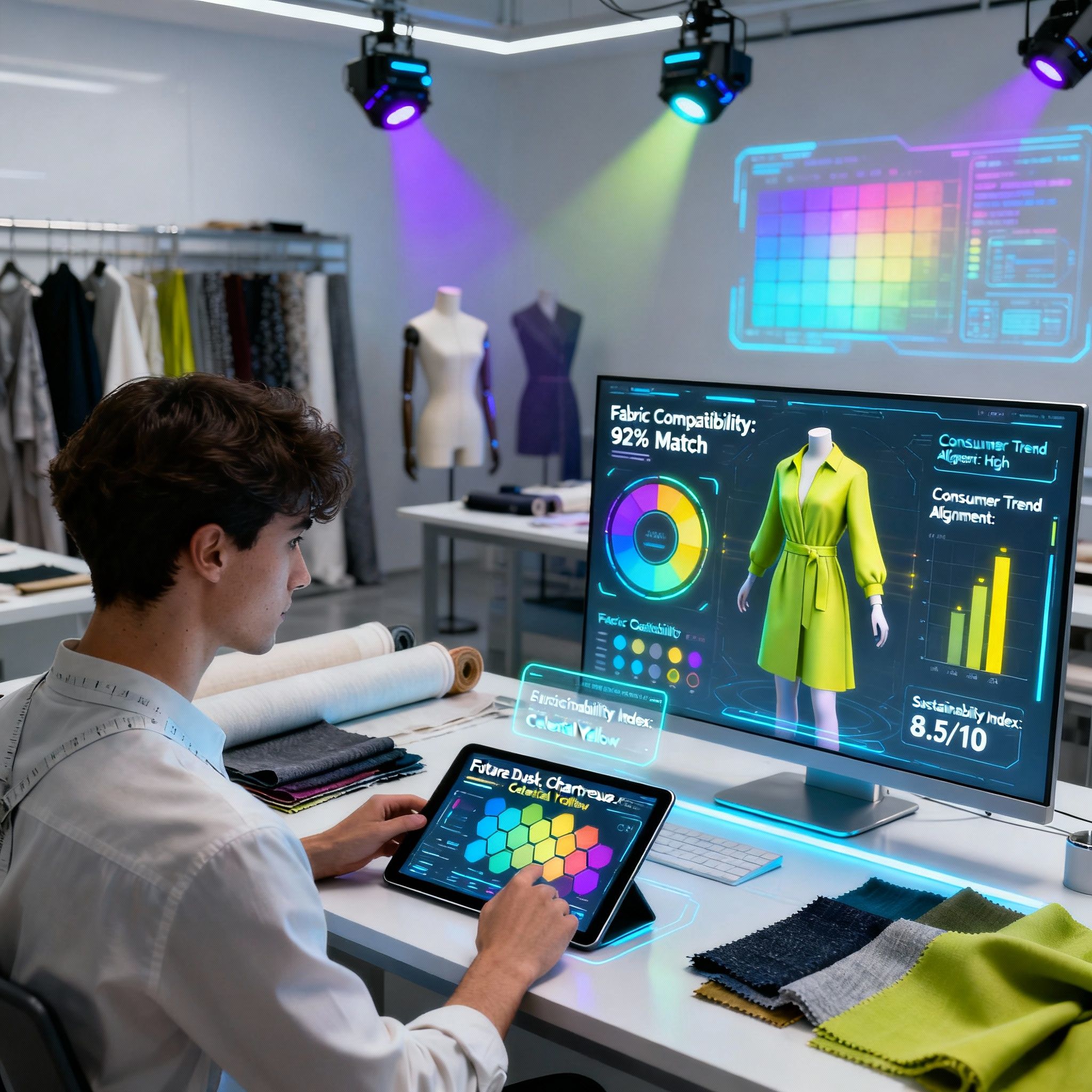
AI also supports sustainability at the design and production levels:
Pattern and fabric optimization
AI tools can suggest pattern layouts that minimize fabric waste. This kind of optimization can be especially impactful for factories in the US that want to cut material costs and waste without compromising quality.
AI for water and carbon reduction
Some US brands are experimenting with AI to track water usage and optimize dyeing processes, which can dramatically reduce the environmental footprint of cotton and synthetic blends.
For example, using AI in textile processing and design has helped brands decrease water and chemical usage compared to legacy production methods. This directly supports reduction of the water and waste footprint and emissions that are major contributors to fashion’s environmental impact
Consumer Tools to Shop Sustainable with AI
AI for sustainable fashion extends to tools you can use on your phone or laptop:
AI resale and scanning apps
Apps like ThredUp allow you to scan clothes you no longer use and get resale suggestions instantly. This keeps clothes in circulation longer and out of landfills.
Sustainability scores and virtual try-ons
Some apps use AI to give sustainability ratings on clothing based on materials, manufacturing and lifecycle. A savvy use of these tools helps consumers make choices that align with personal values.
Closet planning apps
Apps such as those that help you organize your wardrobe can show you which pieces you wear most often and which sit unused. Combining this with AI for sustainable fashion recommendations makes it easier to shop consciously.
Actionable step: Explore Glance to discover personalized outfit ideas that align with your style preferences and help surface eco-conscious fashion options as you browse.
Challenges and US Regulations
AI for sustainable fashion is powerful, but it’s not perfect:
Energy use of AI
Running large AI models still consumes energy. Sustainability requires balancing computational benefits with environmental costs.
Greenwashing risks
Some brands may use sustainability claims without accountability. Regulations from the Federal Trade Commission in the US are tightening guidelines for environmental marketing to avoid misleading language.
Looking forward, policies like extended producer responsibility could make AI tools key to compliance and reporting in regulated markets.
Get Started: Build Your AI-Powered Sustainable Wardrobe
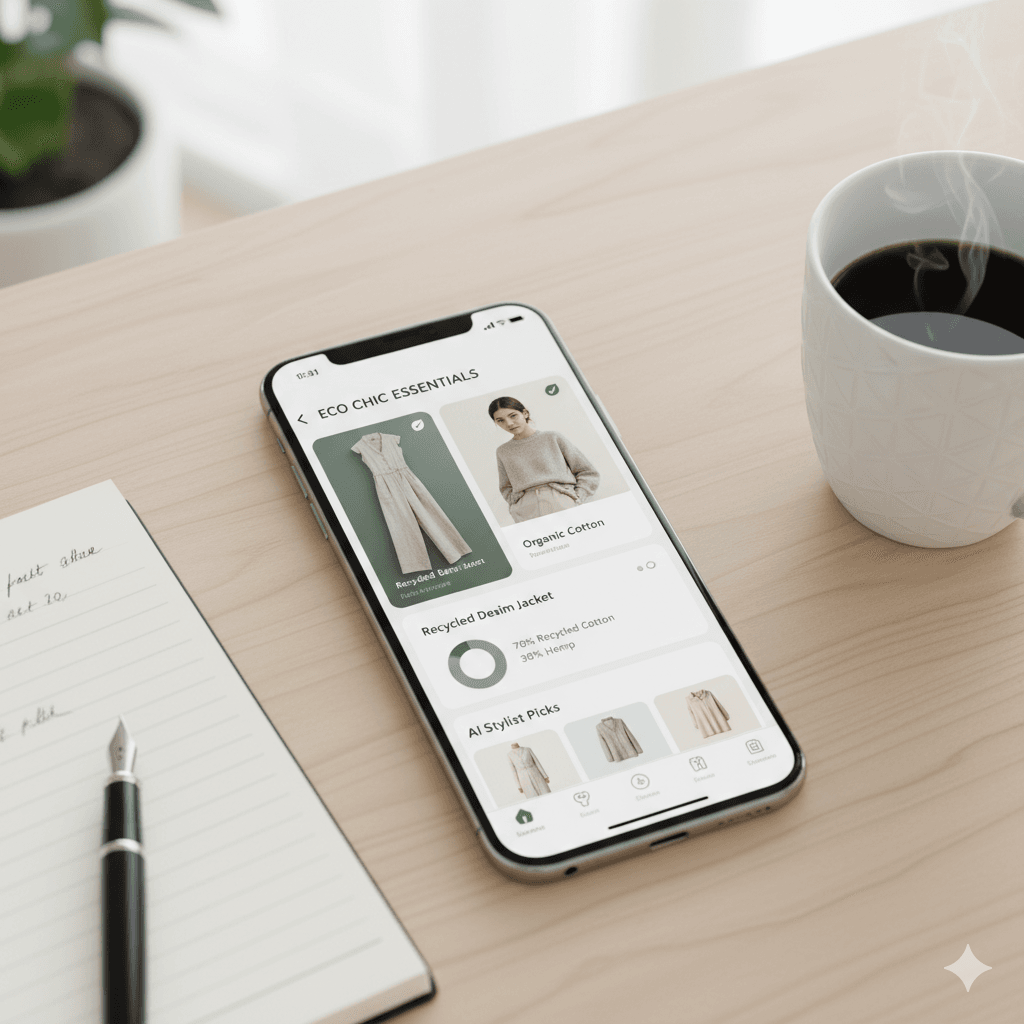
Here are five steps you can take:
- Scan your closet using the ThredUp app to identify resale potential.
- Set sustainability filters in Stitch Fix to favor eco-friendly fabrics.
- Rent items through Rent the Runway instead of buying new.
- Let Glance help surface more mindful fashion choices and resale-friendly options while you browse.
- List items you no longer want on resale marketplaces to extend their life.
Conclusion
AI for sustainable fashion is reshaping how clothes are made, worn and reused in the US. From resale and wardrobe optimization to smarter design and supply chains, AI tools help cut waste and make eco-style practical. As we continue to balance fashion with sustainability, these tools give consumers and brands alike the ability to shop and create with purpose.
Ready to shop smarter? Try one AI-powered sustainable fashion platform this week, and explore Glance along the way to discover more mindful style choices that can actually make a difference.
FAQs related to AI for sustainable fashion
- What is the best AI app for sustainable fashion in the US?
Best choices depend on your goal. ThredUp excels at resale and carbon impact insights, while Rent the Runway helps you wear more without buying new. Glance complements both by guiding users toward more mindful style discovery upfront, making it easier to combine resale, rental, and conscious buying into one sustainable shopping habit. - How does Glance support circular and sustainable fashion choices?
Glance helps users discover fashion more intentionally by surfacing personalized, context-aware outfit recommendations that reduce impulse buying and overconsumption. By highlighting relevant styles instead of endless browsing, Glance encourages smarter purchase decisions. - Can AI reduce my fashion carbon footprint?
Yes. AI helps brands make better predictions, cut overproduction and offer smarter resale options. When you use these tools to shop secondhand or rent clothes, you reduce demand for newly manufactured products and their environmental impact. - Is AI replacing fashion designers?
No. Most AI for sustainable fashion focuses on improving efficiency, traceability and consumer choice. Creative decisions and ethical standards remain human-led.
Download the Glance app now





Your intelligent
shopping agent.







Your intelligent
shopping agent.