

Future Fashion Trends Analysis for Everyday Style Choices
TL;DR
Fashion’s future isn’t about chasing trends—it’s about understanding why styles change. This future fashion trends analysis breaks down how comfort, technology, inclusivity, and behavior-led discovery are reshaping what Americans wear, buy, and keep. It’s not prediction for hype—it’s clarity for everyday choices.
Future Fashion Trends Analysis: What Style Is Becoming
You’re staring at your closet again.
Not because you don’t have clothes—but because you’re unsure what still feels right.
That quiet confusion is exactly why future fashion trends analysis matters today. Fashion isn’t just changing faster; it’s changing direction. The rules that once guided trends—runways, seasons, designers—no longer hold the same authority. Instead, everyday behavior, comfort needs, and digital discovery are shaping what sticks.
This article isn’t about predicting the next color or silhouette. It’s about analyzing the forces that will define how Americans experience fashion in the years ahead—and why that matters when you get dressed tomorrow morning.
Why Fashion’s Future Feels Harder to Read Than Before
A decade ago, trends arrived neatly packaged.
Now they appear scattered—on social feeds, in casual workplaces, through online browsing moments.
A clear future fashion trends analysis starts with one truth: fashion is no longer linear. Trends don’t roll out—they emerge, often quietly, shaped by how people live rather than how brands plan.
For U.S. shoppers balancing comfort, cost, and identity, this shift explains why fashion feels both more personal and more overwhelming at the same time.
Trend 1: Fashion Is Being Shaped From the Ground Up
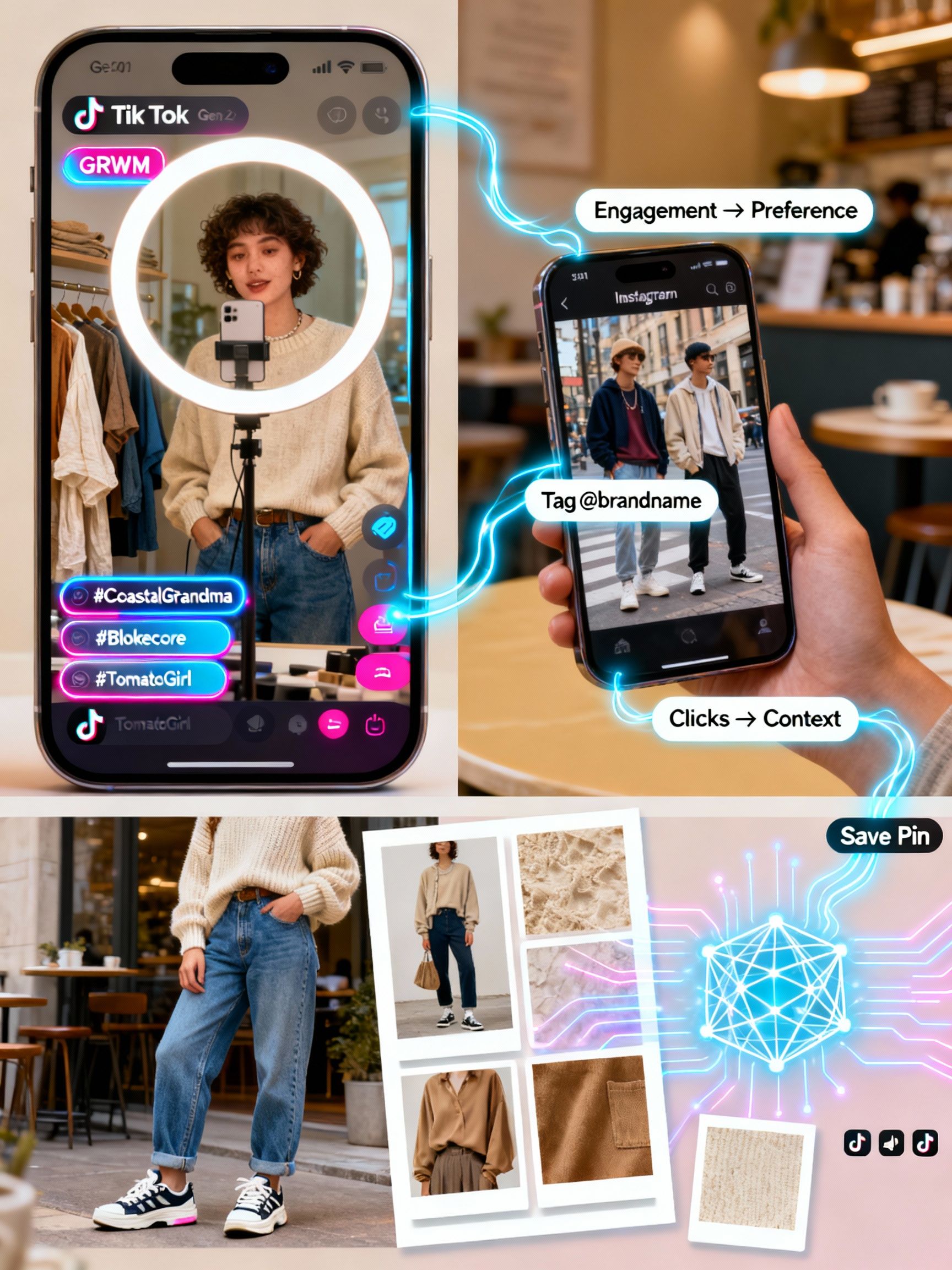
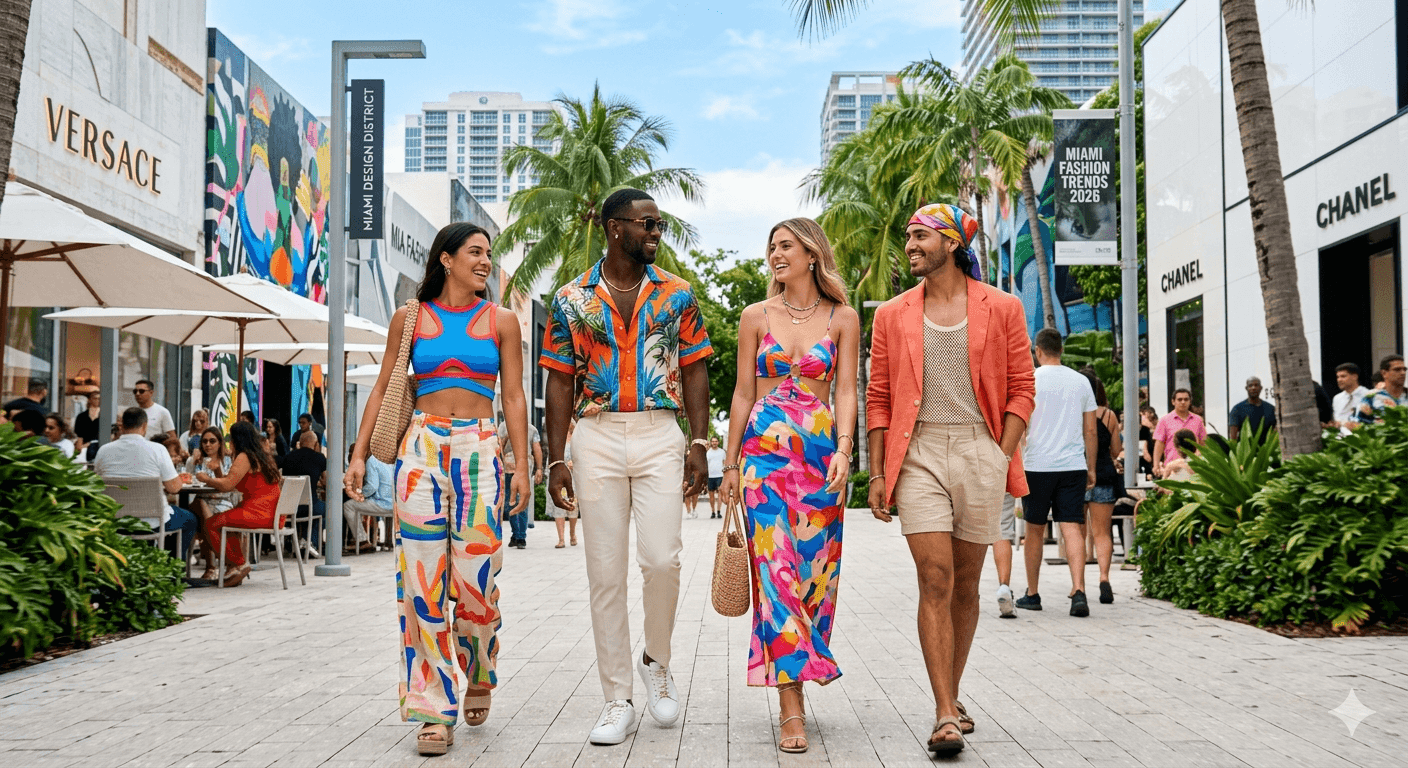
One of the clearest signals in any future fashion trends analysis is a shift in who influences trends.
Fashion used to move top-down: designers released collections, media amplified them, and shoppers followed. Today, trends often form the opposite way. They take shape through how people actually dress, share, and repeat choices in everyday life—well before any formal approval.
Outfits gain relevance through visibility, not endorsement. When a look appears consistently across daily wear, social posts, or casual styling, it starts to register. Trends don’t launch with names anymore—they build quietly through repetition.
Did You Know? Back in the 1980s, "trickle-up" fashion turned the table, everyday looks like high-waisted pants and big shoulder pads from regular folks (yuppies) inspired big designers like Ralph Lauren. It's just like how TikTok and Instagram spread trends organically today.
In this environment, fashion trends aren’t announced. They’re observed. And future fashion trends analysis increasingly starts by watching how people dress before brands decide how to respond.
Trend 2: Comfort Is No Longer a Phase—It’s the Baseline
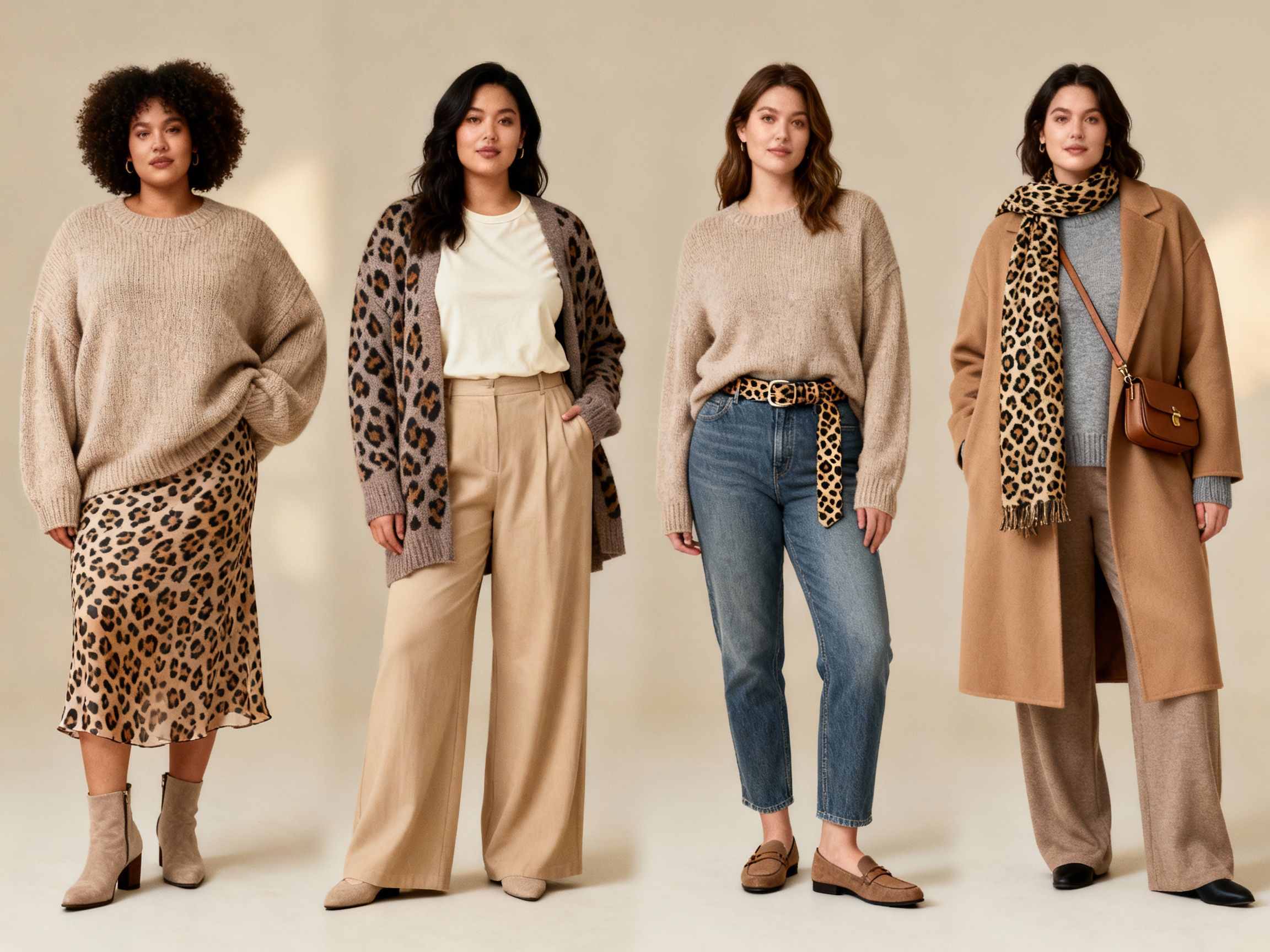
Comfort-first fashion isn’t a reaction anymore. It’s the standard.
Future fashion trends analysis consistently shows that Americans prioritize how clothes feel as much as how they look. Stretch fabrics, relaxed fits, breathable materials, and adaptable silhouettes are becoming default expectations—not special features.
What’s changing is perception. Comfortable clothing is no longer seen as casual-only. It’s now integrated into workwear, travel wear, and social dressing.
A 2025 US Fashion Consumer Outlook report found 40% of shoppers rank affordability and comfort (via versatile fits like leggings) as top priorities, with men favoring sneakers for daily ease.
Trend 3: Sustainability Influences Design More Than Behavior
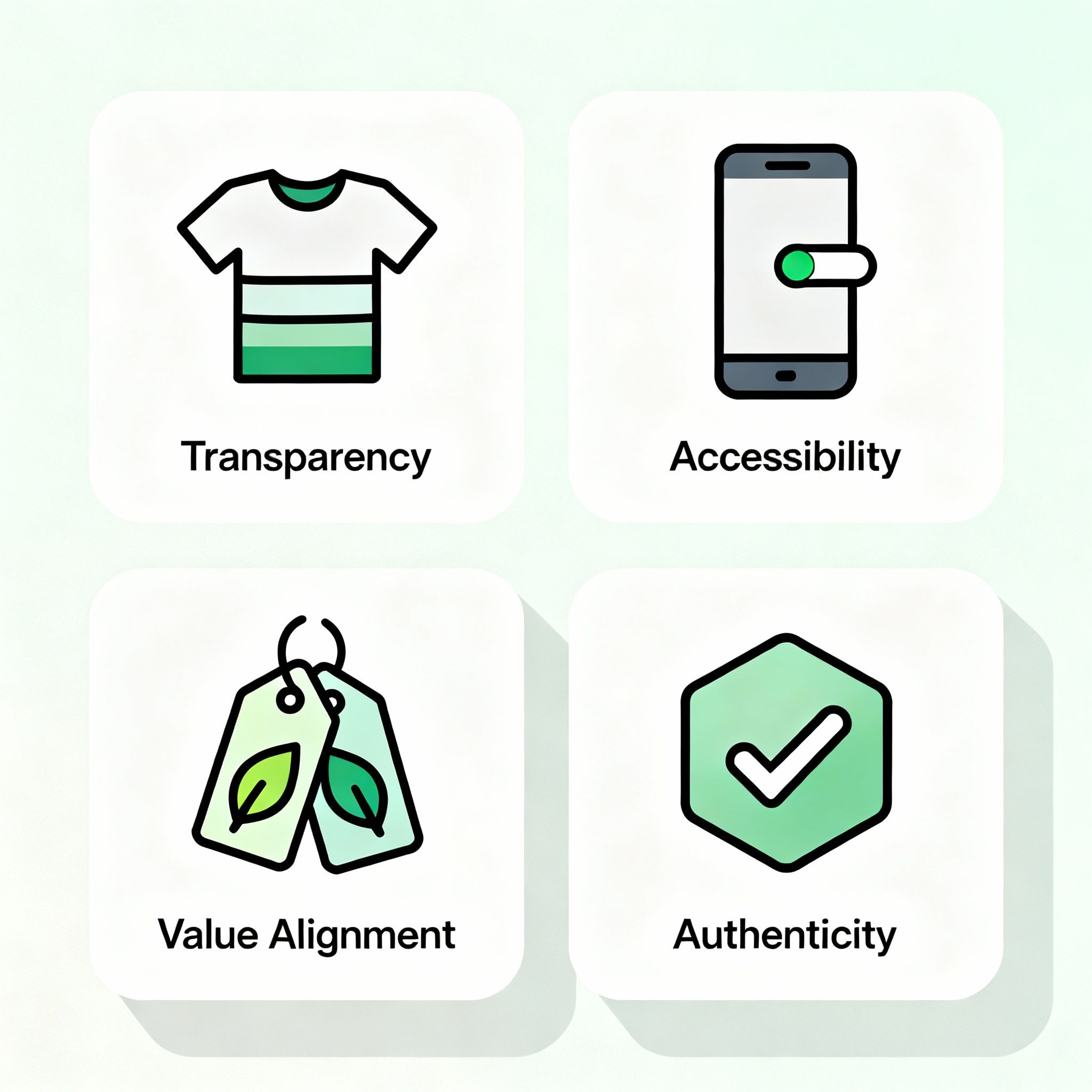
Sustainability often dominates fashion conversations—but future fashion trends analysis reveals a more nuanced reality.
35% of Americans pay more for biodegradable fabrics, shifting design toward durable staples over fast trends.
While many shoppers care about ethical production and materials, actual buying decisions still hinge on price, fit, and practicality. This doesn’t make sustainability irrelevant—it reshapes its role.
Instead of driving every purchase, sustainability increasingly influences how clothes are designed: longer-lasting fabrics, fewer trend-driven silhouettes, and more versatile pieces.
Clothing drives 47% of US sustainable buys, with eco-spending hitting $217B in 2025, yet 66% consider it only alongside price and fit, per Capital One Shopping.
Trend 4: Data and AI Are Quietly Shaping What Becomes “Popular”
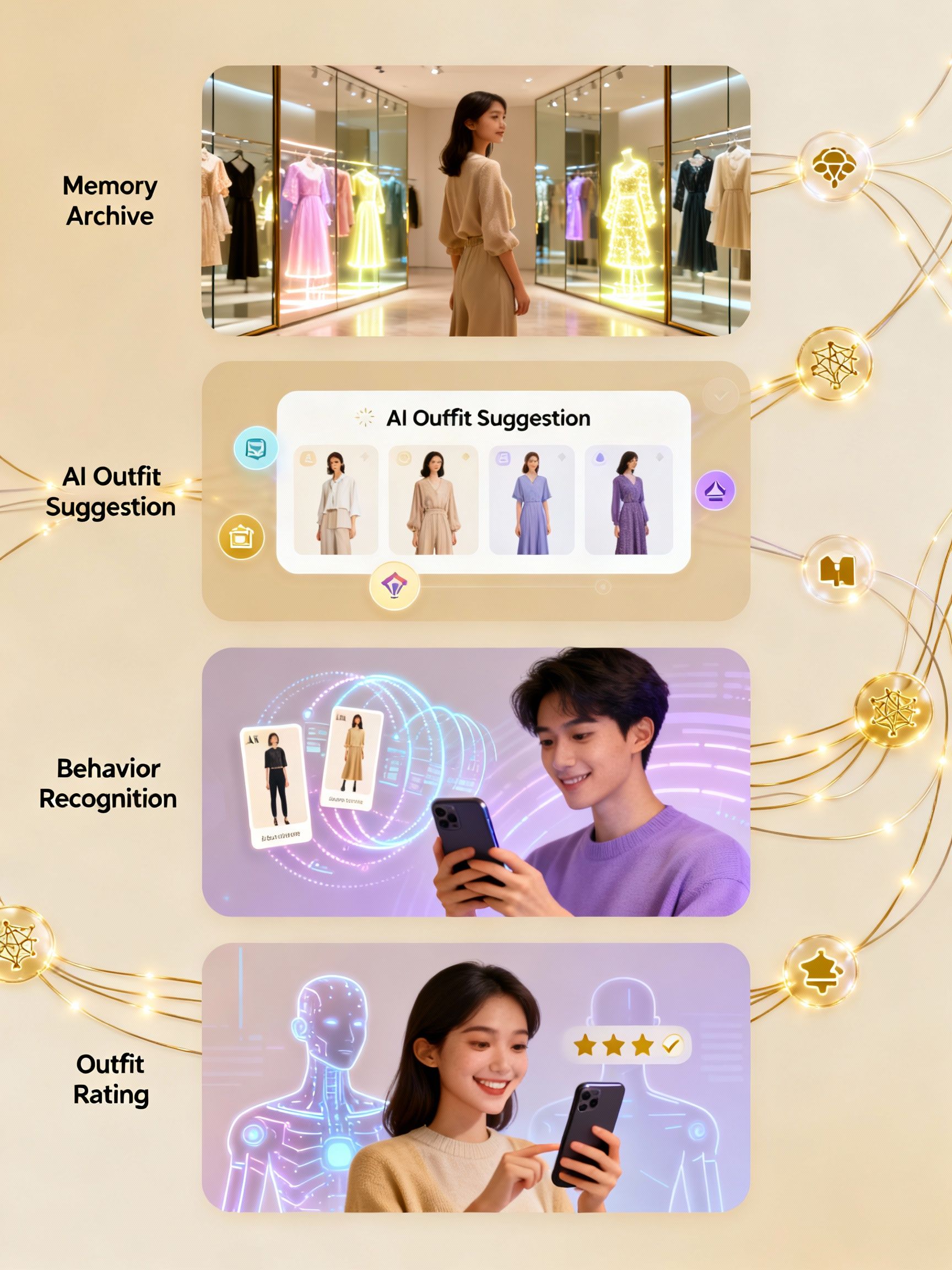
Trends today aren’t just noticed—they’re detected.
Future fashion trends analysis shows that data-driven insights now play a major role in identifying what resonates before it goes mainstream. AI scans social data to spot trends early; Zara cuts production to 2-3 weeks via Instagram analysis, per Appinventiv.
Brands and platforms analyze browsing patterns, repeat views, and engagement signals to understand emerging preferences.
This is where behavior-led discovery platforms like Glance fit into the ecosystem—not as stylists, but as observers of collective taste evolution. By interpreting what people naturally linger on, they reflect how trends are forming rather than declaring what they should be.
Trend 5: One-Size-Fits-All Fashion Is Losing Relevance
Mass trends are giving way to micro-preferences.
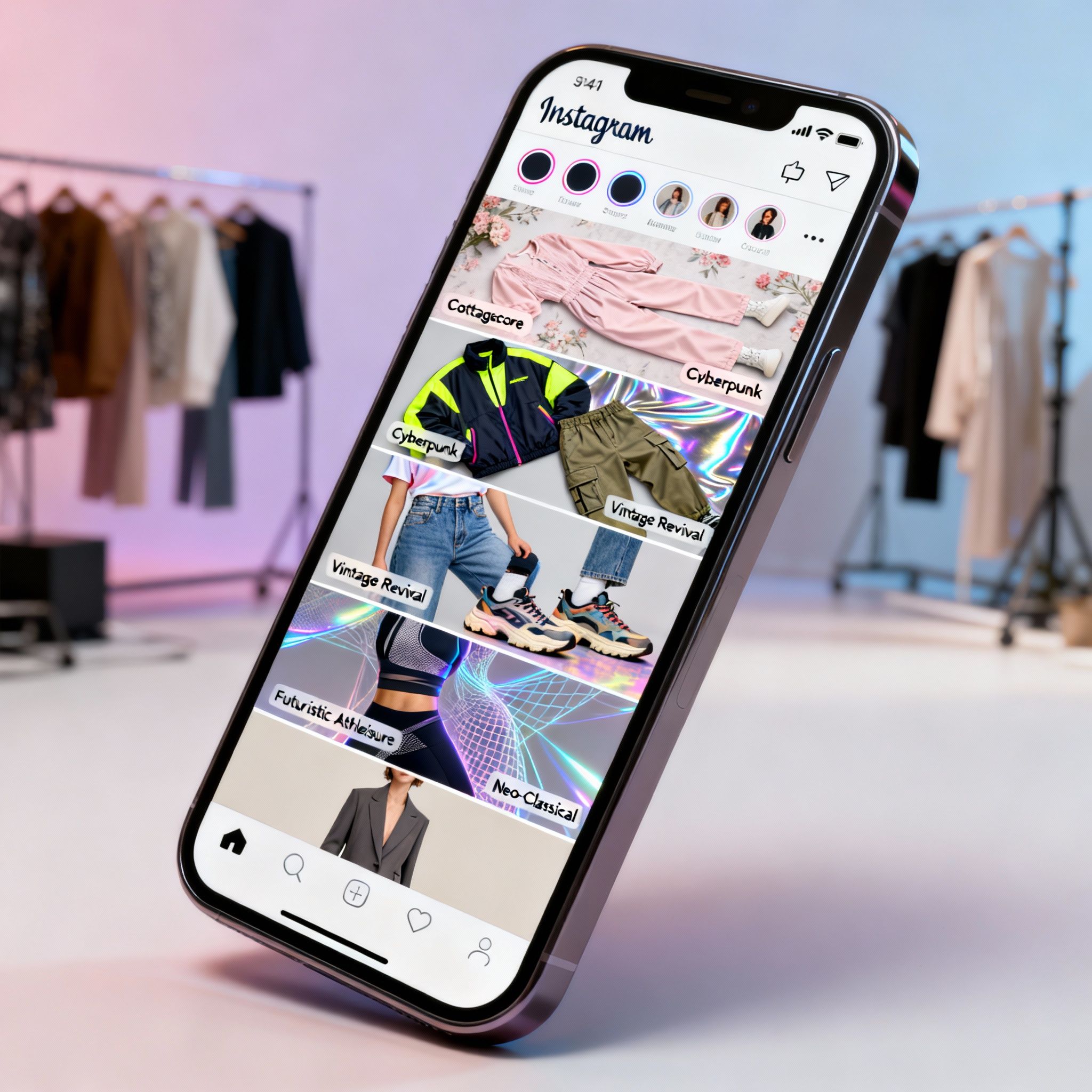
A modern future fashion trends analysis recognizes that personal style now matters more than universal rules. People mix aesthetics, reject rigid categories, and adapt trends to fit their bodies and lifestyles.
A case study of the brand Brandy Melville reveals how a highly standardized fashion approach (one size fits all) can both attract attention and provoke backlash precisely because it fails to reflect real bodies or diverse style identities
This shift explains why fewer trends dominate—and why more people feel empowered to interpret fashion their own way.
Trend 6: Inclusive Fit Is Becoming an Expectation

Fit innovation is no longer optional.
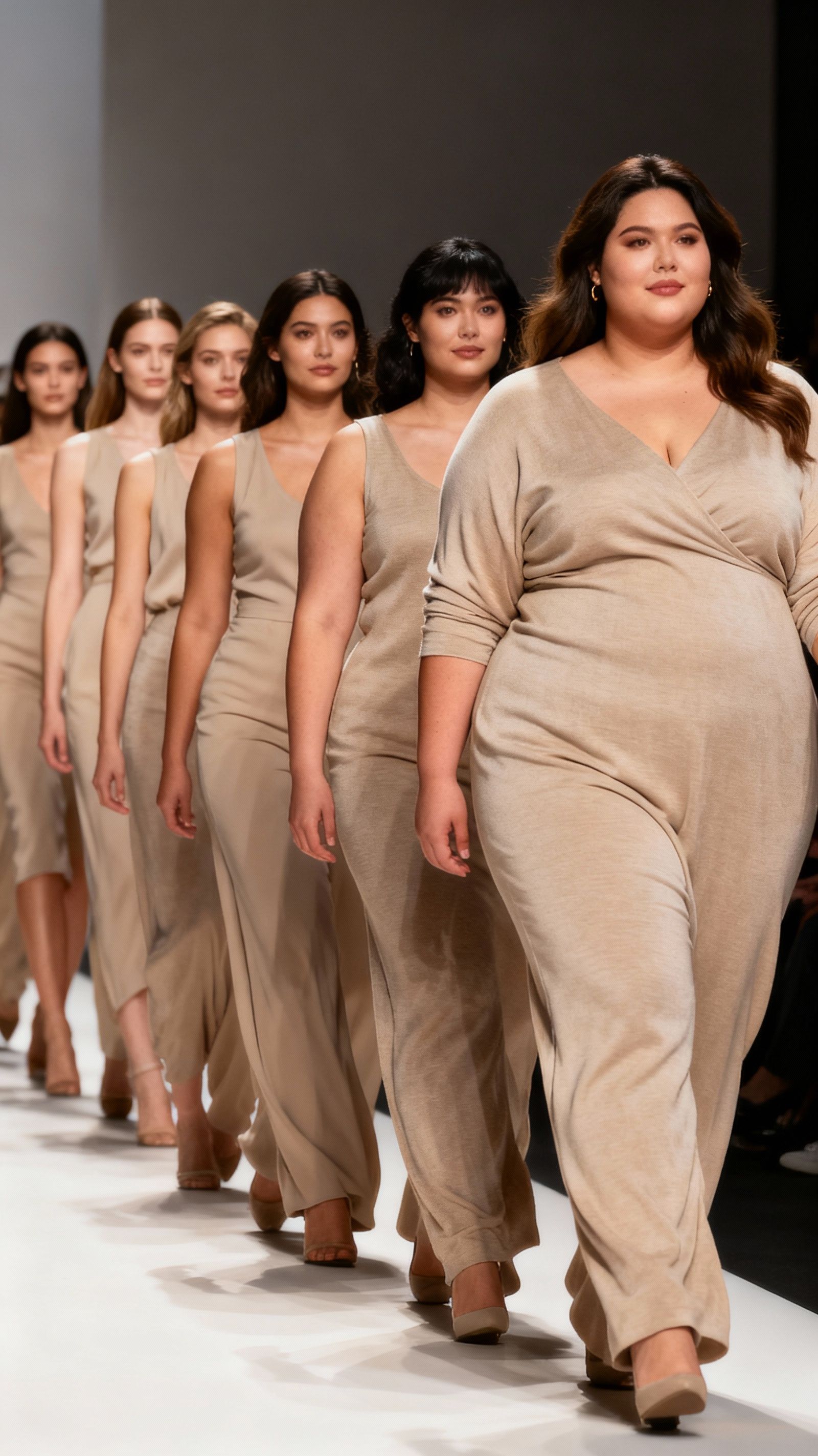
Future fashion trends analysis highlights how inclusive sizing, better visualization, and adaptive designs are becoming baseline expectations for U.S. shoppers. This isn’t about marketing—it’s about reducing friction in everyday shopping.
Plus-size fashion grows to $17.2B in 2025, fueled by 68% of shoppers demanding body-positive sizing up to 40.
Tools like virtual try-ons and improved fit guidance support this shift, helping people feel seen without needing to label themselves.
Did You Know? Fashion Weeks hit 26.4% plus-size model representation in 2025, up from prior years, reflecting consumer pressure.
Trend 7: Digital Experiences Shape Physical Fashion Choices
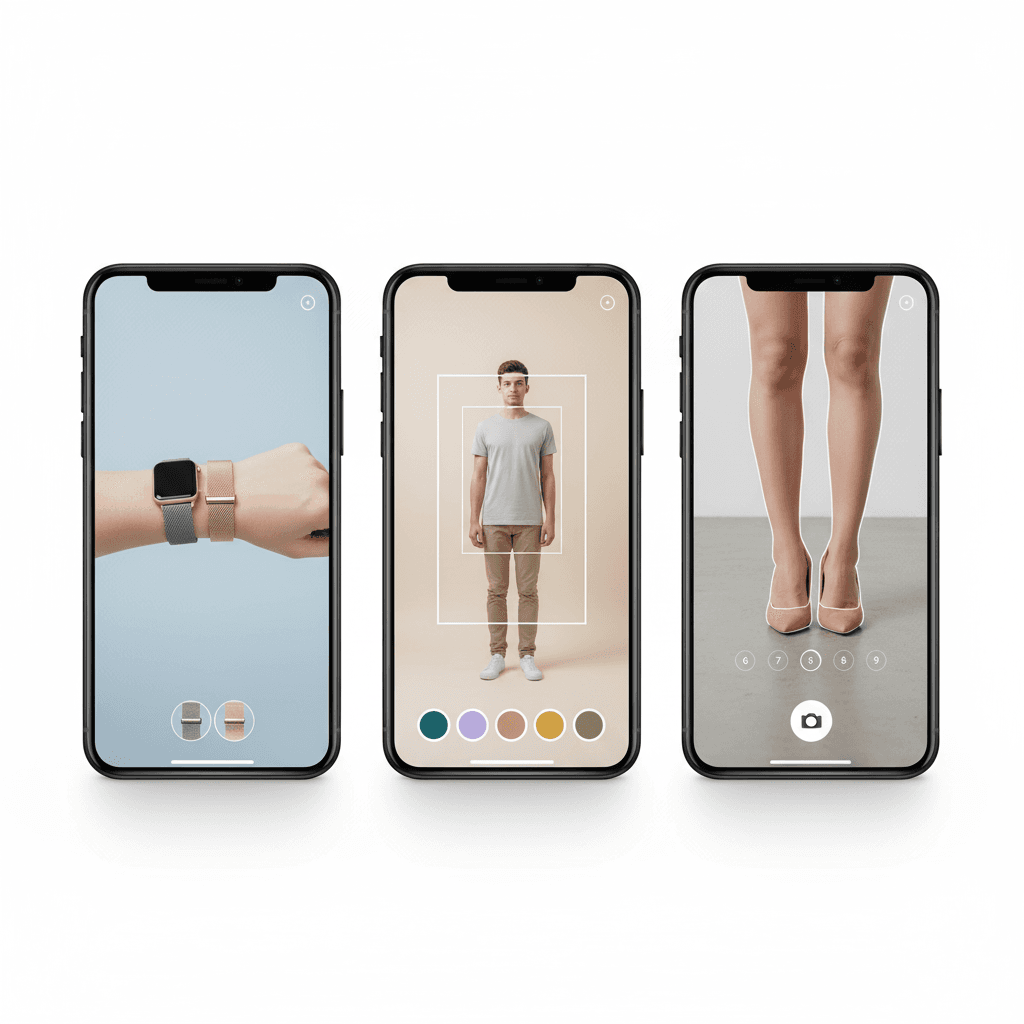
Fashion discovery increasingly happens before a fitting room ever enters the picture.
A clear future fashion trends analysis shows that digital touchpoints—visual previews, style browsing, and behavioral cues—now influence what people decide to try, buy, or skip.
The rise of virtual fashion shows, AR experiences, and metaverse clothing collections points to a world where digital aesthetics feed real-world style demand. Fashion houses like Balenciaga have embraced immersive digital showcases that allow audiences to interact with style narratives in virtual spaces—and then translate that inspiration into real wardrobes.
Behavior-led platforms add context here by narrowing what shoppers see before choice overload sets in. This doesn’t replace personal judgment—it simply reduces noise.
Trend 8: Trend Cycles Are Faster, But Commitment Is Slower
Trends appear quickly—but adoption is cautious.
One overlooked insight in future fashion trends analysis is that while trends surface rapidly, shoppers take longer to commit. Americans are more selective, more skeptical, and more aware of regret purchases.
This leads to fewer impulse buys and a stronger desire for clarity before buying.
What This Future Fashion Trends Analysis Means for U.S. Shoppers
For everyday shoppers, these shifts mean:
- Less pressure to follow trends blindly
- More freedom to prioritize comfort and fit
- Discovery over direction
- Confidence rooted in personal taste
Fashion is becoming less about keeping up—and more about feeling aligned.
What It Means for Fashion Brands
From a brand perspective, future fashion trends analysis suggests a need for:
- Listening before launching
- Flexible collections over rigid seasons
- Behavior insight over assumptions
- Discovery systems that adapt naturally
Trends don’t need to be forced—they need to be understood.
The Bigger Picture: Fashion Is Learning to Listen
The most important takeaway from this future fashion trends analysis isn’t about what people will wear—it’s about how fashion responds.
The future isn’t louder trends or faster drops. It’s quieter signals, observed patterns, and design choices rooted in how people actually live.
Platforms like Glance align with this shift by interpreting behavior instead of prescribing identity—reflecting a broader movement toward fashion that adapts rather than instructs.
Conclusion: Fashion’s Future Is Adaptive, Not Prescriptive
Fashion isn’t losing direction—it’s gaining nuance.
This future fashion trends analysis shows that style is becoming more human, more flexible, and more grounded in real behavior. Trends will still exist—but they’ll emerge through lived experience, not top-down rules.
For U.S. shoppers navigating choice overload and style fatigue, that’s not confusing—it’s freeing.
FAQs related to Future Fashion Trends Analysis
What is future fashion trends analysis?
Future fashion trends analysis examines how cultural shifts, technology, and behavior influence what styles gain relevance over time.
Are fashion trends becoming less important?
Trends still matter, but personal interpretation now matters more than strict trend-following.
How does AI influence future fashion trends?
AI helps identify emerging preferences by analyzing engagement patterns rather than predicting trends outright.
Will sustainability dominate future fashion?
Sustainability shapes design decisions, but buying behavior remains driven by fit, price, and comfort.
Why do fashion trends feel harder to follow today?
Because trends now emerge from diverse, real-world behavior instead of centralized fashion authorities.
Download the Glance app now





Your intelligent
shopping agent.







Your intelligent
shopping agent.