


Gothic Fashion Style: A Romantic Fashion Journey in 2026
TL;DR
Gothic fashion blends romance, darkness, and individuality through layered silhouettes, dramatic textures, and historically inspired aesthetics. From traditional Goth and Victorian romantic styles to modern Nu Goth and cyber variations, the aesthetic expresses identity through black palettes, velvet, lace, leather, and statement accessories. Building a Gothic wardrobe involves combining foundation pieces like boots and corsets with expressive makeup, symbolic jewelry, and carefully chosen outerwear.
Fashion has always been more than fabric and thread; it's a language, a way to express identity, mood, and imagination.
And Gothic fashion is a different language especially for those who seek self-expression through clothing, accessories, and mood.
Captivated by shadowy romance, the allure of black lace, or the drama of Victorian-inspired silhouettes, the Gothic fashion feel like it was made for you
In 2026, the style has evolved into a more romantic, intricate aesthetic, merging history, artistry, and modern sensibilities.
If you’re curious about Gothic style, this guide is your pathway to understanding its nuances, creating a personalized wardrobe, and shopping intelligently without getting lost in trends.
What Is Gothic Style Fashion?
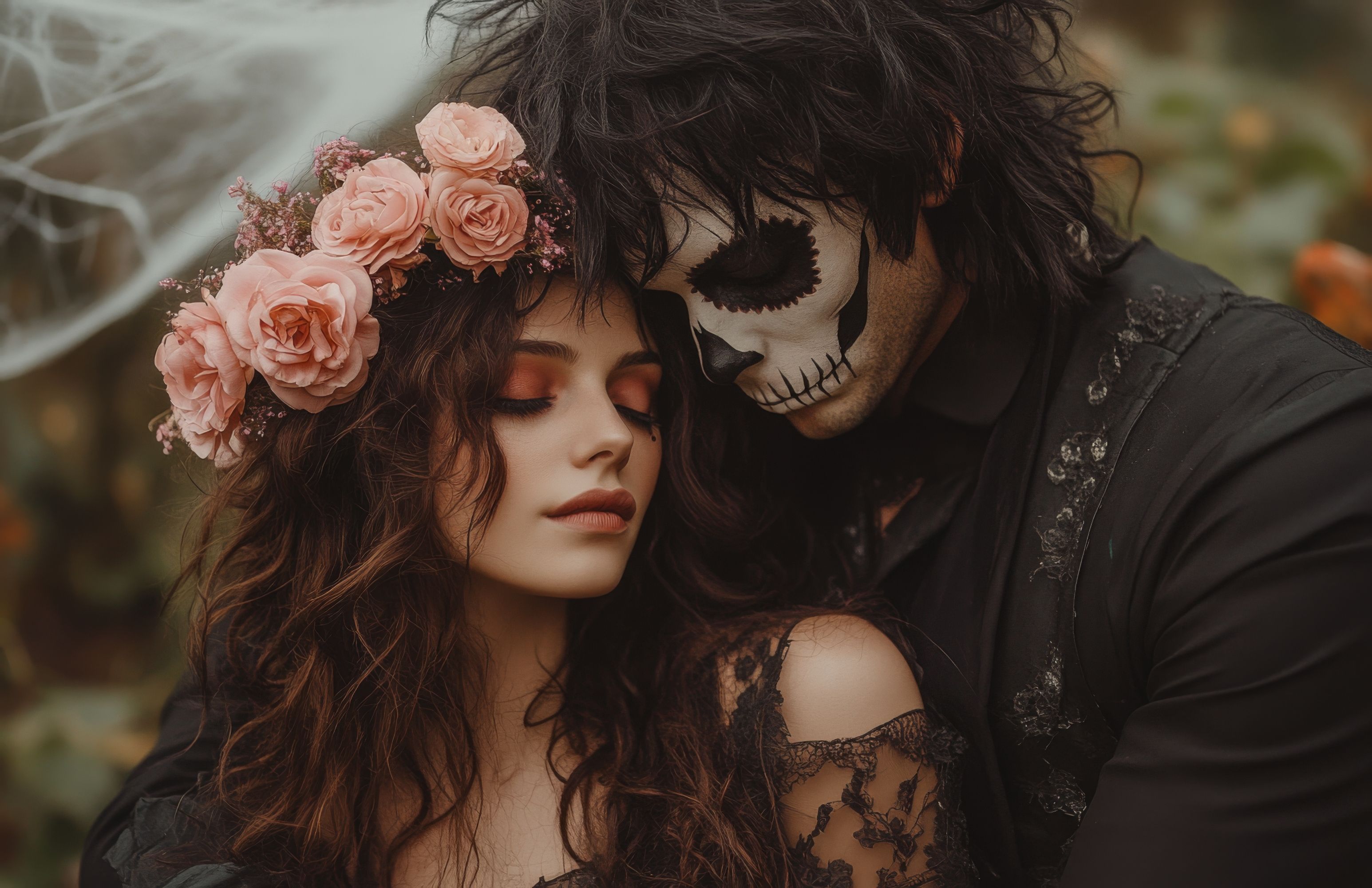
At its core, Gothic fashion is a celebration of contrast. It combines darkness with elegance, romanticism with rebellion, and historical inspiration with contemporary twists. Think of it as a visual poem: every outfit tells a story. Its roots trace back to the Gothic subculture of the 1980s, heavily influenced by post-punk music, Victorian aesthetics, and literature steeped in drama and melancholy.
But Gothic fashion is not just black clothing and heavy eyeliner. It’s about creating a mood, embracing individuality, and expressing emotions through textures, layers, and silhouettes. You don’t just wear Gothic; you inhabit it.
Did you know? Silent film star Theda Bara known as ‘America’s first goth’.
The Different Types of Gothic Style Fashion
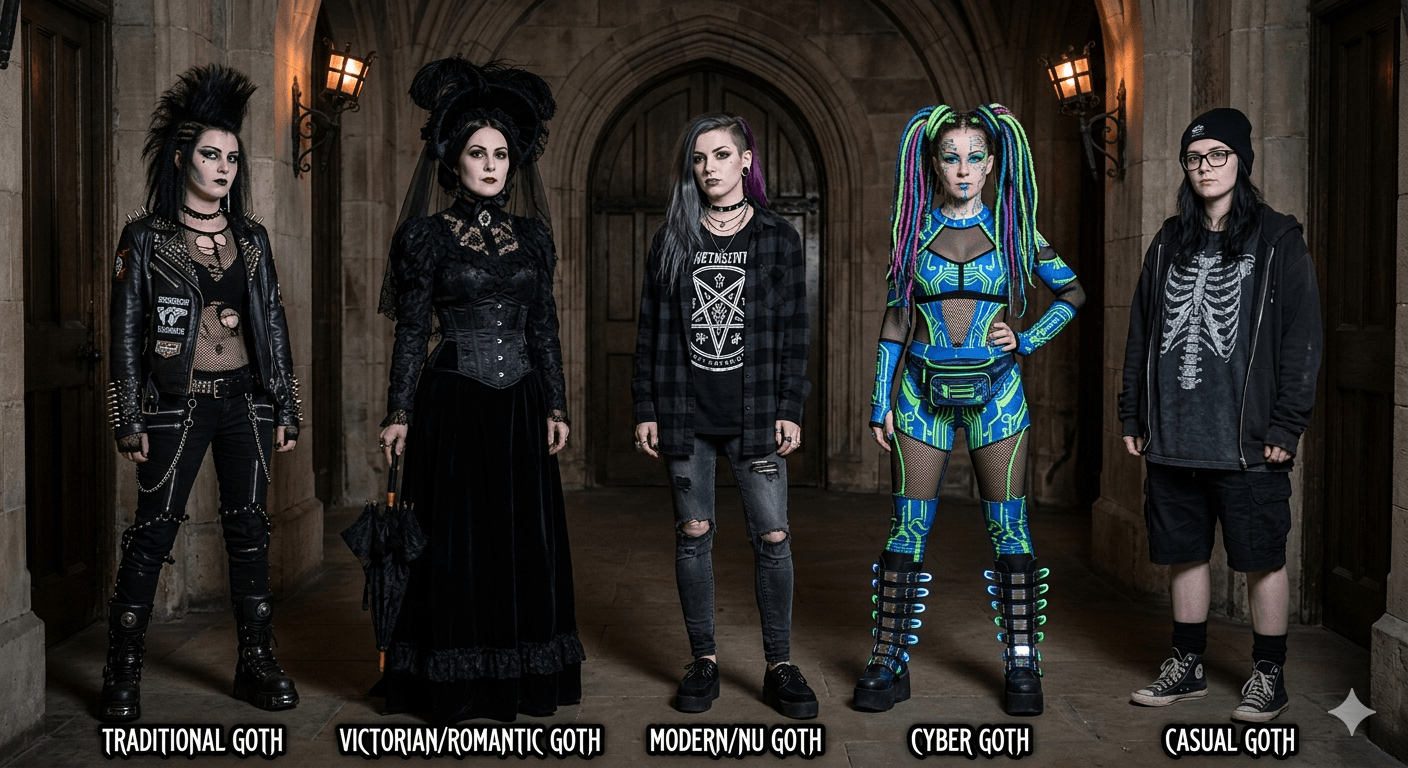
Gothic fashion is far from monolithic. Each sub-style carries its own mood, palette, and rules:
1. Traditional Goth
The earliest form, inspired by post-punk and darkwave music. You’ll find leather jackets, torn fishnets, band tees, and teased hair here. It’s raw, edgy, and unmistakably rebellious.
2. Victorian/Romantic Goth
This is the style most closely associated with Gothic romance. Picture corsets, velvet gowns, lace sleeves, and flowing skirts. The aesthetic is moody, elegant, and almost cinematic.
3. Modern/Nu Goth
Nu Goth blends dark fashion with contemporary streetwear. Think oversized hats, pentagram motifs, and graphic black tees. It’s casual, wearable, and a bridge between classic Gothic and modern fashion sensibilities.
4. Cyber Goth
A futuristic twist. Neon accents, reflective materials, platform boots, and rave-inspired accessories make this style playful and experimental.
5. Casual Goth
If you want a subtle Gothic influence, casual Goth is for you. Black jeans, combat boots, simple graphic tees, and understated jewelry give the vibe without going full drama.
Popular Brands for Gothic Style Fashion in the USA

If you’re shopping for authentic Gothic fashion, several brands are renowned for their craftsmanship and subcultural credibility:
- Killstar – Known for dark, edgy, and romantic pieces including dresses, jackets, and accessories.
- Disturbia – Offers modern Gothic streetwear with a punk edge.
- The Gothic Shop – Specializes in Victorian-inspired gowns, corsets, and lace gloves.
- Tripp NYC – Iconic for punk-Goth staples like bondage pants, ripped shirts, and edgy outerwear.
- Dark in Love – Elegant, romantic pieces for those who lean towards Victorian Goth.
How to Create a Gothic Style Fashion Outfit
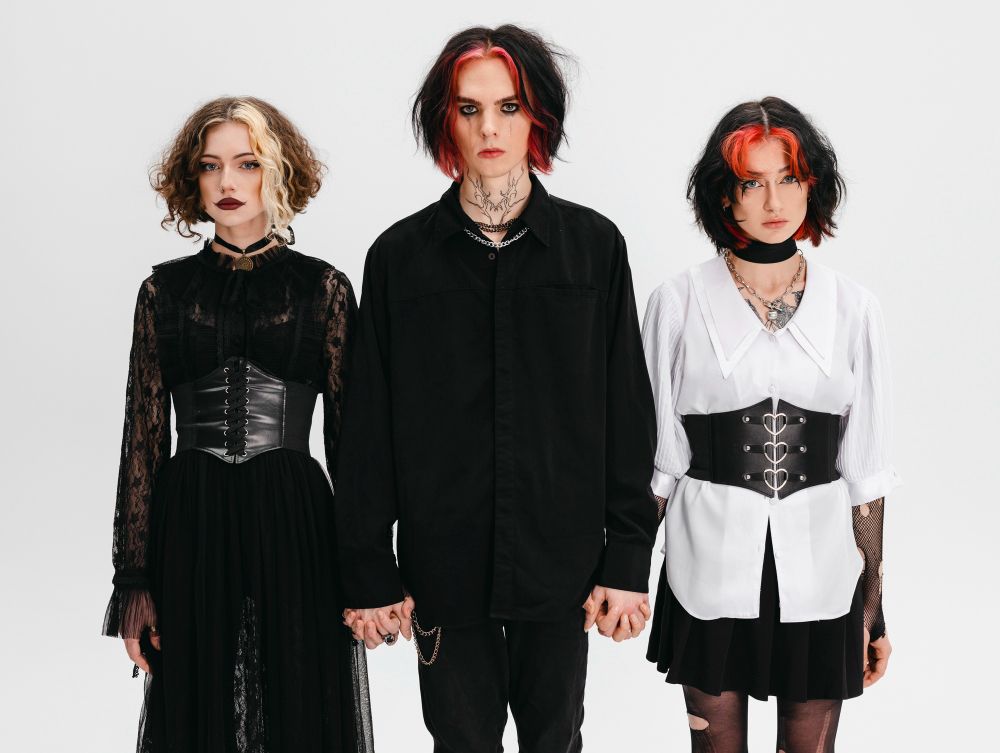
You can craft a Gothic look by focusing on makeup, clothing, key elements, and accessories. Each detail matters, as Gothic fashion is as much about storytelling as it is about apparel.
1. Common Makeup Looks
Your makeup anchors your outfit. In Gothic fashion, the emphasis is on contrast and drama:
- Pale foundation for a porcelain effect.
- Dark eyeliner and smokey eyes for depth.
- Deep lipstick shades: black, burgundy, or dark plum.
- Optional elements: dark nails, eyebrow definition, or subtle face jewels.
2. Key Elements of Gothic Style
- Color Palette: Predominantly black, accented with deep reds, purples, or white.
- Materials: Velvet, lace, leather, mesh, and silk. These materials add texture and dimension.
- Key Items: Corsets, flowing skirts, band tees, trench coats, and fishnets.
- Footwear: Combat boots like Doc Martens, platform shoes, or pointed winklepickers.
- Accessories: Silver jewelry featuring symbols like crucifixes or ankhs, chokers, lace gloves, parasols, and top hats.
- Hair & Beauty: Teased or dark hair, pale skin, and dramatic eye and lip makeup complete the look.
These details are not mere embellishments; they help define your Gothic persona and communicate your aesthetic choices to the world.
3. Accessories in Gothic Fashion
Accessories are not just finishing touches, they are pivotal. A lace parasol, silver ring, or velvet choker can transform a simple outfit into a Gothic masterpiece. Think of your accessories as punctuation marks in the narrative of your style. Layer them thoughtfully: a single statement piece often carries more impact than multiple competing items.
How to Shop for Gothic Style Fashion?
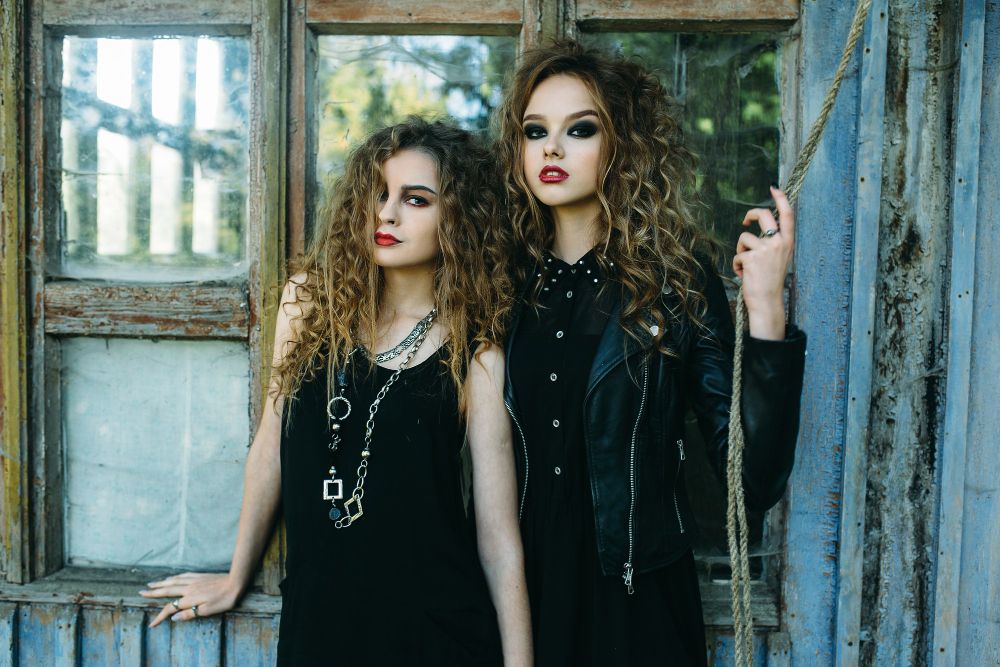
Shopping for Gothic fashion can feel overwhelming, especially with the abundance of choices online and in stores. This is where you can benefit from intelligent shopping agents like Glance; your guide in navigating options without the cognitive overload.
- Intent-Based Discovery: You specify the Gothic aesthetic you’re drawn to romantic, traditional, cyber and Glance curated options that align with your preferences.
- Personalized Moodboards: Instead of scrolling endlessly, Glance assembles visual boards with outfits, accessories, and shoes that work together.
- Context-Aware Suggestions: Whether you’re in New York winter or California summer, Glance ensures your choices are seasonally appropriate and context-sensitive.
- Decision Optimization: By consolidating options and trade-offs, it reduces decision fatigue. You can focus on what truly resonates with your personal Gothic identity.
Building Your Gothic Wardrobe Step by Step
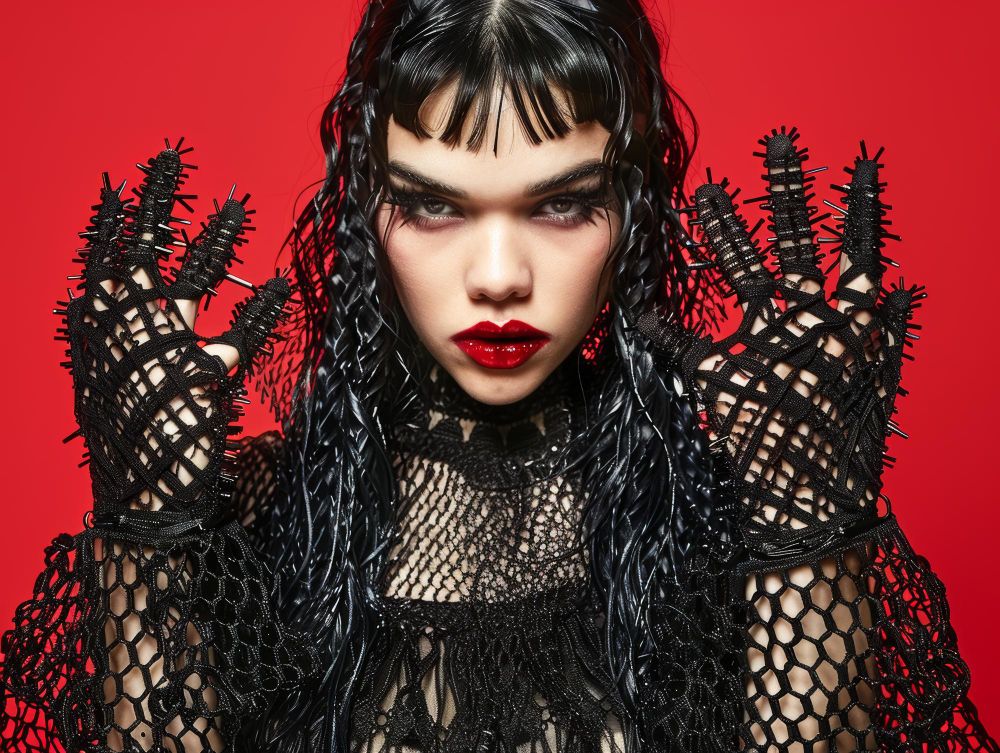
When approaching Gothic fashion, think in layers and modules:
- Foundation Pieces: Invest in high-quality black boots, leather jackets, and corsets. These are versatile and define your Gothic base.
- Statement Items: Long velvet coats, lace skirts, or dramatic gowns anchor your style for special occasions.
- Accessories: Chokers, rings, parasols, and hats refine your aesthetic. Don’t overdo it; choose pieces that enhance your outfit.
- Makeup & Hair: Invest in good-quality eyeliners, dark lipsticks, and styling tools to create polished looks that complement your wardrobe.
- Mixing Styles: You can blend casual Goth for daily wear with romantic Victorian pieces for events. The key is harmony in texture, color, and theme.
Conclusion
Gothic fashion in 2026 is more than black outfits or dramatic makeup. It’s about narrative, identity, and aesthetic intelligence. Whether you lean towards Victorian elegance, street-inspired Nu Goth, or subtle casual Goth, the key is intentionality. Every choice of material, accessory, color becomes part of your personal story.
By shopping smart, understanding substyles, and leveraging tools that respect your identity, you can create a wardrobe that is uniquely yours, one that balances expression with confidence.
So, embrace Gothic fashion not as a costume, but as a language. Let it tell your story, frame your mood, and celebrate your individuality because style is not just what you wear, it’s who you are.
FAQs Related to Gothic Fashion
1. What are the key elements of gothic fashion?
Gothic fashion is defined by dark color palettes, dramatic silhouettes, and a strong focus on mood and symbolism. Black remains the dominant color, often paired with deep tones like burgundy, plum, or emerald. Common elements include lace, velvet, leather, corsets, platform boots, and statement accessories such as chokers, silver jewelry, and layered rings. Makeup and hair also play a role, with bold eyeliner, pale complexions, and dark lipstick completing the gothic aesthetic. The style blends Victorian inspiration, punk influences, and modern streetwear to create a look that feels expressive and mysterious.
2. What is the 3-3-3 rule in fashion?
The 3 3 3 rule in fashion refers to building a small capsule wardrobe using 33 clothing items for 3 months. The goal is to simplify outfit choices while encouraging thoughtful consumption and personal style clarity. The 33 pieces usually include tops, bottoms, outerwear, shoes, and accessories but exclude essentials like underwear or workout gear. Many people use this rule to reduce clutter, shop more intentionally, and discover creative ways to style a limited wardrobe.
3. What are some common fashion questions people ask?
Many fashion questions focus on how to build outfits and improve personal style. Popular topics include how to dress for different body types, how to build a capsule wardrobe, what colors work well together, and how to follow trends without overspending. People also search for outfit ideas for specific seasons or events, such as winter layering, summer casual outfits, or date night styling. These questions help shoppers make smarter clothing choices and develop confidence in their style.
4. What do goth girls like to talk about?
Goth culture often centers around art, music, fashion, literature, and self expression. Many goth enthusiasts enjoy discussing gothic rock bands, alternative fashion trends, dark romantic aesthetics, horror films, poetry, and historical influences such as Victorian culture. Conversations may also include themes of creativity, individuality, and emotional depth. The community values authenticity and personal identity, so discussions frequently explore artistic inspiration and lifestyle choices that reflect the gothic aesthetic.
5. What are common goth vibe words?
Goth vibe words usually describe dark, romantic, and mysterious aesthetics. Words such as eerie, shadowy, melancholic, mystical, haunting, dramatic, and romantic are often used to capture the gothic atmosphere. Other descriptive terms include velvet, moonlit, gothic, vintage, enchanted, and ethereal. These words reflect the mood and storytelling element that defines gothic fashion and culture.
Download the Glance app now






Your intelligent
shopping agent.







Your intelligent
shopping agent.