


Top Benefits of AI in E-Commerce for Fashion in 2026
TL;DR
AI has moved from competitive advantage to baseline requirement in fashion e-commerce. This guide covers five core benefits reshaping the industry — personalization at scale, predictive inventory management, dynamic pricing, visual search, and real-time trend forecasting — backed by real examples: Zalando's AI-powered sizing tool (live across six European markets), Amazon's homepage personalization, and McKinsey-verified dynamic pricing gains of 2 to 5 percent revenue growth. These same capabilities are also the foundation of agentic commerce, where AI shifts from recommending to acting autonomously within boundaries a shopper sets — the next stage every benefit in this guide is heading toward.
Introduction: From Fashion-First to Tech-Forward
Fashion is no longer just about creativity, intuition, or seasonal flair—it's about innovation, data, and smart decisions. In today’s hyper-competitive e-commerce landscape, fashion brands are racing to integrate tech at the heart of their strategy.
More than ever, AI is playing a central role in transforming how brands connect with their audiences. From Glance AI, which offers real-time outfit suggestions and styling prompts, to backend inventory optimization, artificial intelligence is reshaping every layer of the fashion journey.
From predictive analytics to AI product recommendations, and hyper-personalized styling to real-time engagement, the benefits of AI in e-commerce are redefining success for fashion brands.
What AI Brings to Fashion E-Commerce: Beyond the Hype
AI is not just a buzzword—it's reshaping the backbone of fashion e-commerce. Here are the key benefits of AI in e-commerce that brands are capitalizing on:
1. Personalized Experiences at Scale
AI enables brands to deliver 1:1 shopping experiences to millions of users by analyzing browsing history, preferences, and shopping behavior. From product suggestions to homepage customization, personalization drives loyalty and conversion.
2. Predictive Inventory Management
AI forecasts what products will sell, in which sizes, and when—reducing overstock and stockouts. This optimizes warehousing and minimizes waste.
3. Smart Pricing and Markdown Strategies
By analyzing real-time demand, competitor pricing, and historical trends, AI helps determine optimal price points that maximize margin and sell-through.
McKinsey's own research on this puts the typical impact at 2 to 5 percent revenue growth and 5 to 10 percent margin improvement — real, independently-corroborated figures, as distinct from the much larger gains some individual vendor case studies claim without independent audit.
4. Visual Search and Style Matching
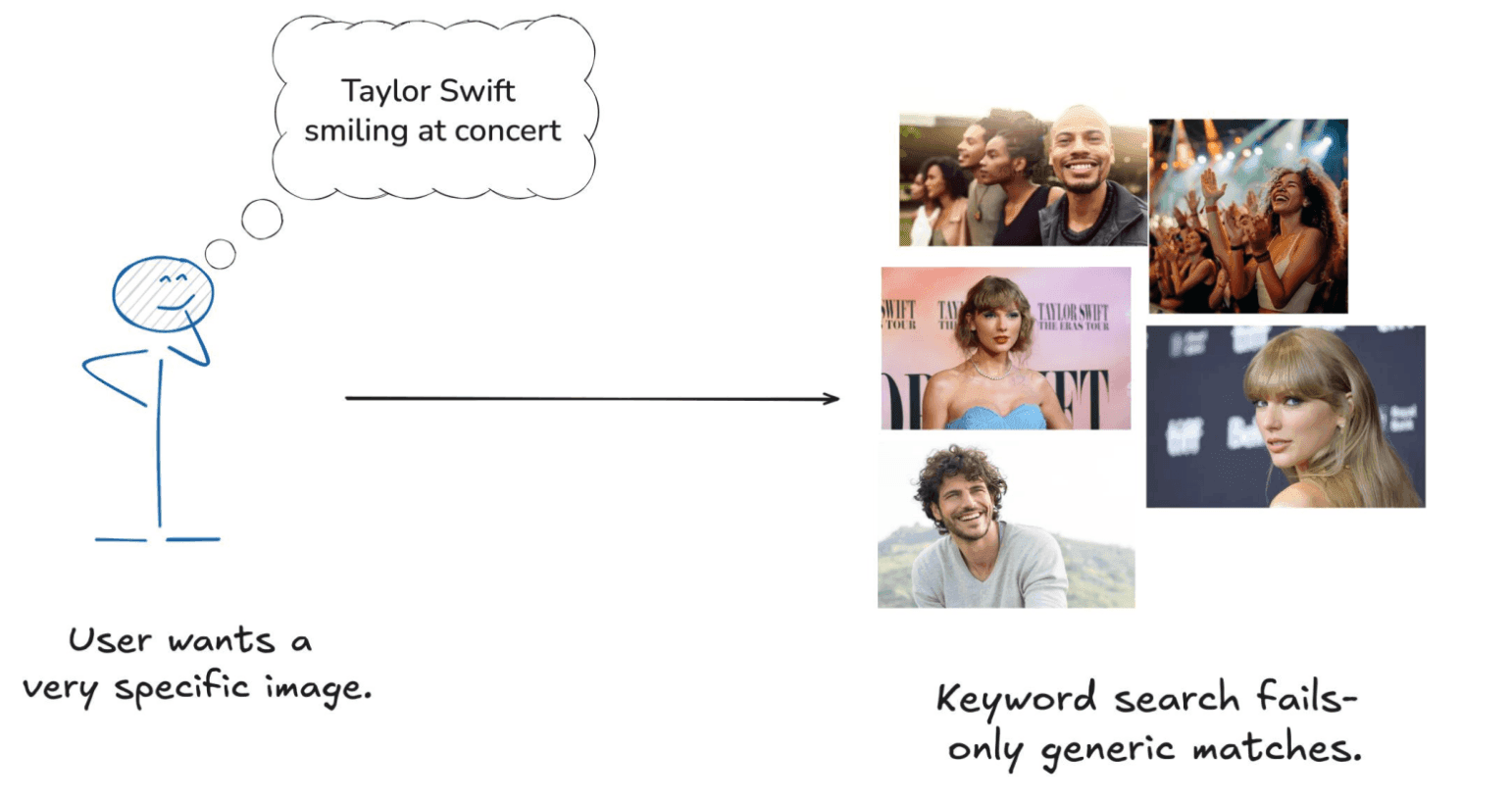
Visual recognition technology allows users to upload a photo and instantly find similar products. AI also suggests matching pieces, helping shoppers build complete looks.
5. Real-Time Trend Forecasting
By mining data from social media, fashion blogs, and search queries, AI can detect emerging trends before they hit mainstream—giving brands a competitive edge.
AI Product Recommendations: The Secret to Personalization That Converts

Among the most powerful tools in fashion e-commerce are AI product recommendations. These aren't just guesswork—they're grounded in data science and user behavior.
How It Works:
- Tracks user behavior, clicks, likes, and purchase patterns
- Analyzes seasonality, intent signals, and fashion preferences
- Combines NLP (natural language processing) with image recognition to understand product context
Tools Powering This:
- Glance AI: Offers real-time outfit suggestions based on individual style profiles
- Salesforce Commerce Cloud: Enables dynamic product personalization
- Vue.ai: Provides hyper-contextual AI recommendations across the shopper journey
Business Impact:
- Boosts average cart value
- Increases repeat visits and time-on-site
- Reduces bounce rate with highly relevant suggestions
How AI Enhances the Entire Customer Journey
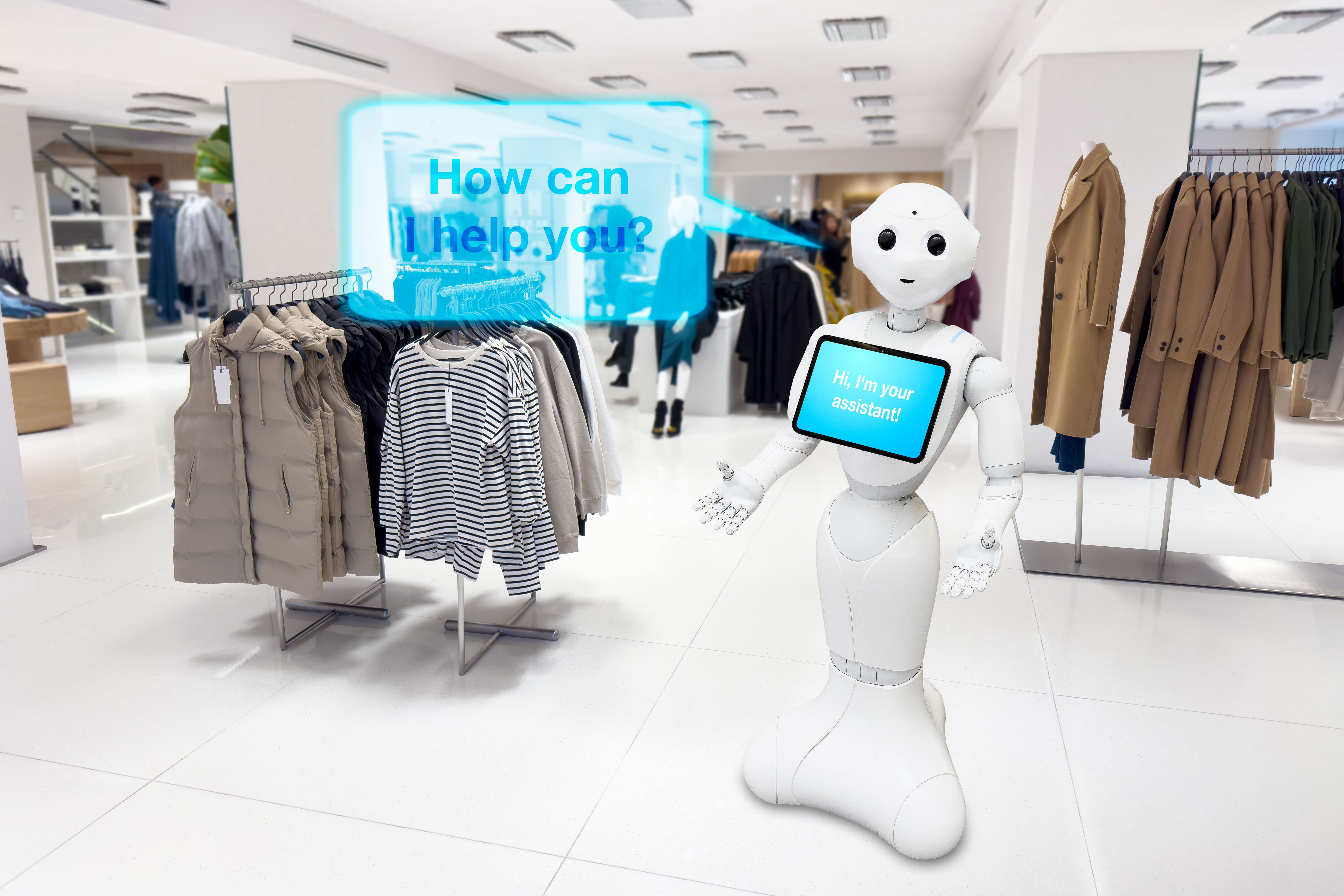
AI isn't just about the moment of purchase—it’s active at every stage of the customer lifecycle:
Awareness:
- Visual discovery through shoppable images or influencer lookalikes
- AI-powered style quizzes drive engagement from first touchpoint
Consideration:
- Smart filters and chatbot stylists guide decision-making
- Predictive size/fit tools reduce friction and returns
Conversion:
- Features like "Complete the Look" offer curated bundles
- Personalized nudges and product reminders increase urgency
Post-Sale:
- AI re-engagement tactics based on returns, feedback, or seasonal needs
- Loyalty-driven recommendations to re-capture interest
Example:
Glance provides smartphone and lock-screen outfit inspiration that guides a shopper’s next purchase, based on past behavior and real-time context.
Real-World Success Stories: AI in Fashion Retail

Fashion brands around the world are already unlocking massive gains with AI:
- Zalando has rolled out an AI-powered sizing tool that predicts fit from customer-submitted photos, live across Germany, Austria, Switzerland, Spain, France, and Italy, part of a broader personalization push that helped lift its average order value to €60.4 from €57.3 year-over-year.
- Stitch Fix employs predictive styling to curate boxes even before human stylists get involved.
- Glance drives real-time interactions through smartphone and lock-screen content and personalized outfit nudges.
These success stories show that AI isn't an experiment—it’s a proven business accelerator.
Why Every Fashion Brand Needs AI—Now
AI adoption is no longer a differentiator—it’s a necessity. Brands delaying integration are at risk of losing customers to more agile, data-driven competitors.
Here's why now is the time:
- Early adopters gain better data ownership and train AI systems faster
- Customer expectations have shifted—they demand personalization at every touchpoint
- Operational agility becomes scalable only through automation
By leveraging the benefits of AI in e-commerce, brands can future-proof their relevance in a constantly evolving market.
Upcoming AI Innovations in Fashion E-Commerce
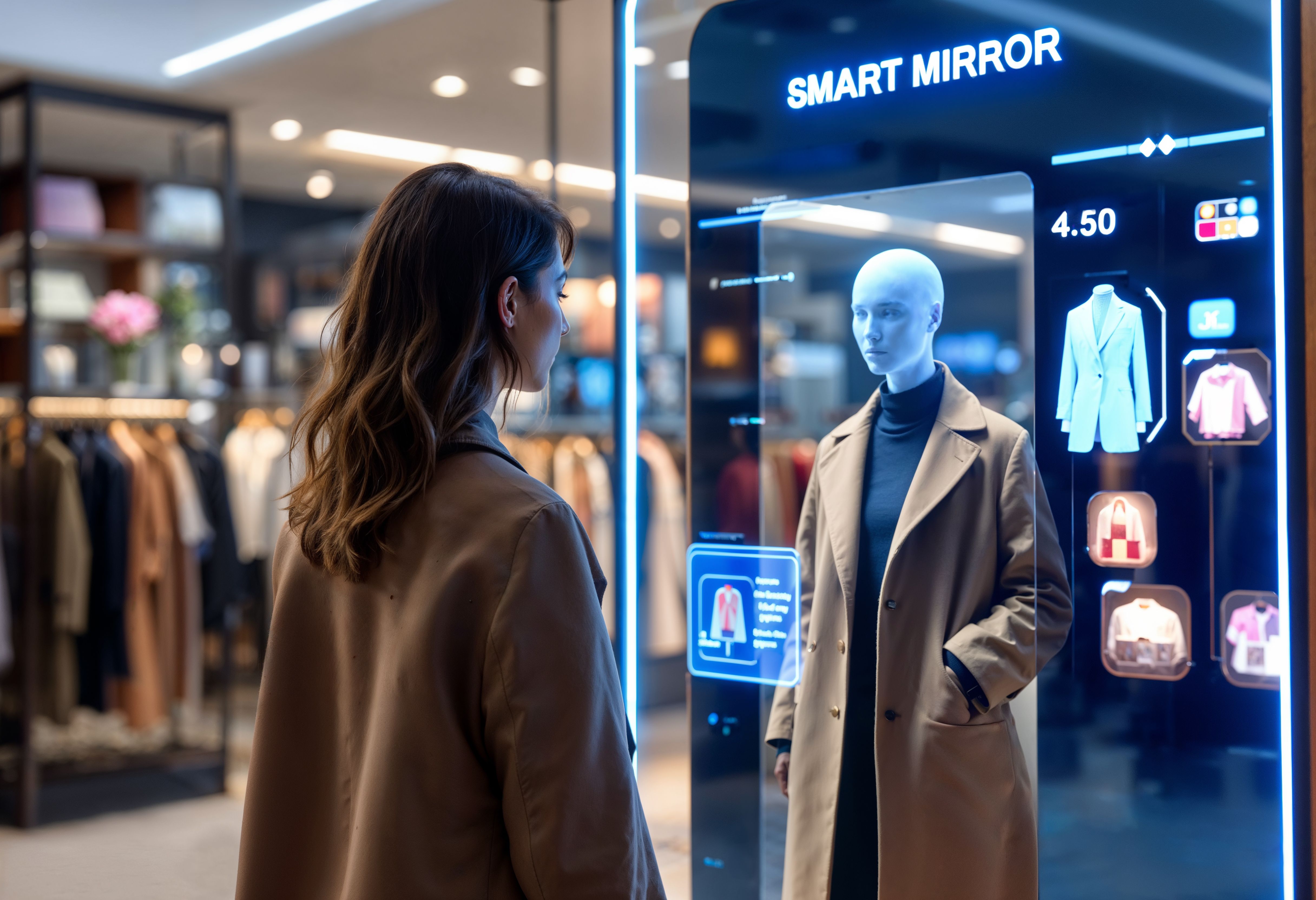
What’s next in the AI-fashion evolution? Expect these groundbreaking shifts:
- Conversational AI Shopping: Chatbot assistants that act like human stylists
- AR Try-Ons: Let users virtually wear clothes using body scanning and generative AI
- Sustainability AI: Forecasts demand to eliminate surplus production
- AI Trendsetters: Synthetic models and generative design tools setting trends autonomously
The brands that integrate these first will define the next wave of fashion commerce.
Where These Benefits Are Heading: Agentic Commerce
Every benefit above — personalization, predictive inventory, smart pricing, visual search, trend forecasting — has so far been about AI making a human's shopping experience smarter. Agentic commerce is the next step: instead of just recommending, the AI acts on your behalf within boundaries you set, moving from suggestion to autonomous execution.
This isn't a separate technology from what's described above — it's what these same capabilities become once an AI system is trusted to complete a task, not just inform a decision. A recommendation engine becomes an agent the moment it's allowed to actually place the order, not just suggest it.
Glance is built around this shift specifically: rather than presenting recommendations for a shopper to act on, it reads context — physical features, weather, occasions, behavior — and proactively builds a complete shopping experience before the shopper has searched for anything, the same direction the whole industry is now describing as agentic.
How to Get Started with AI in Your Fashion Brand
You don’t need a massive budget to start integrating AI. Here’s a lean, step-by-step approach:
1. Start with AI Product Recommendations
They offer fast ROI and are easy to integrate with existing platforms.
2. Implement Visual Search
Enable users to find products based on uploaded inspiration photos.
3. Use Data Tagging Tools
Clean and enrich your product data to improve AI accuracy.
Recommended Tools:
- Glance AI – Styling suggestions + product nudges
- Dynamic Yield – Personalization across the web journey
- Vue.ai – AI-driven content, image, and product tagging
- Syte – Visual search and discovery tools
Begin small, measure results, and expand gradually.
Conclusion: AI Is Fashion’s Most Underrated Creative Partner
Fashion and AI are no longer separate domains—they are collaborators. Where creativity meets machine intelligence, innovation thrives.
The benefits of AI in e-commerce go beyond automation: they unlock speed, precision, and deep personalization. And with tools like AI product recommendations, fashion brands don’t just react to trends—they predict and lead them.
For a deeper look at where these benefits are heading next — including the shift toward agentic, no-search discovery — see the newer companion piece on AI in fashion for everyday U.S. shoppers.
Glance AI and similar platforms make it easy to start small and scale up fast. Whether you’re an emerging DTC brand or an established retailer, AI is the creative partner that amplifies your reach, your insight, and your brand story.
FAQs
Q1. What are the key benefits of AI in e-commerce for fashion brands?
AI enables better personalization, inventory efficiency, dynamic pricing, and deeper customer engagement.
Q2. How do AI product recommendations work in fashion?
They use behavioral data, browsing history, and contextual triggers to serve hyper-relevant products in real time.
Q3. Can small or emerging fashion brands afford AI tools?
Yes, with SaaS-based tools and no-code integrations, even boutique labels can leverage AI affordably.
Q4. How does AI impact the shopping experience on mobile?
AI curates personalized feeds, recommends shoppable outfits, and reduces scroll fatigue—especially via platforms like Glance.
Q5. Is AI replacing human stylists in fashion?
No, it enhances their decisions by scaling personalized suggestions and freeing up creative time.
Q6. Which AI platforms are best for product recommendations in fashion e-commerce?
Top options include Glance AI, Vue.ai, Syte, Dynamic Yield, and Salesforce Commerce Cloud.
Download the Glance app now





Your intelligent
shopping agent.







Your intelligent
shopping agent.