


8 “2016 Reset Fashion” Trends the Internet Can’t Stop Missing
TL;DR
The internet has officially entered a time warp. 2016 reset fashion is the viral movement reclaiming the "messy" authenticity of the mid-2010s. By blending indie sleaze fashion with festival-core and early Instagram glam, Gen Z is rejecting today’s hyper-polished look for something more spontaneous. With discovery agents like Glance, these archived aesthetics are resurfacing faster than ever, turning nostalgia into a modern wardrobe staple.
Scroll through fashion TikTok or nostalgia threads online, and you’ll quickly notice one phrase repeating: “bring back 2016.”
For many Gen Z and Millennials, that year represents a unique cultural moment—before hyper-polished influencer culture and algorithm-driven aesthetics took over the internet. Fashion during that period felt spontaneous, experimental, and deeply connected to digital communities. The growing nostalgia has even sparked the phrase “2016 reset fashion,” referring to the revival of styles that dominated the mid-2010s.
This nostalgia is tied closely to broader internet trends. A viral online movement encouraging users to revisit mid-2010s aesthetics—sometimes summarized as “2026 is the new 2016”—has encouraged people to recreate old Instagram photos, Snapchat filters, and fashion looks from that era.
Fashion historians often point out that style cycles repeat roughly every decade, which helps explain why 2016 reset fashion suddenly feels relevant again. The aesthetic blends festival culture, early influencer fashion, Tumblr subcultures, and the chaotic energy of indie sleaze fashion, an earlier trend characterized by thrifted clothing, skinny jeans, and messy nightlife imagery.
Below are eight defining fashion trends from the 2016 reset fashion era that the internet can’t stop revisiting.
What Is “2016 Reset Fashion”?
At its core, 2016 reset fashion describes the nostalgic revival of fashion aesthetics that defined the digital culture of the mid-2010s.
Unlike traditional retro fashion cycles, this trend isn’t just about clothing. It reflects the entire visual culture of the early social-media era—flash photography, bold selfies, festival outfits, and Tumblr-inspired styling.
Cultural Elements That Defined 2016 Reset Fashion
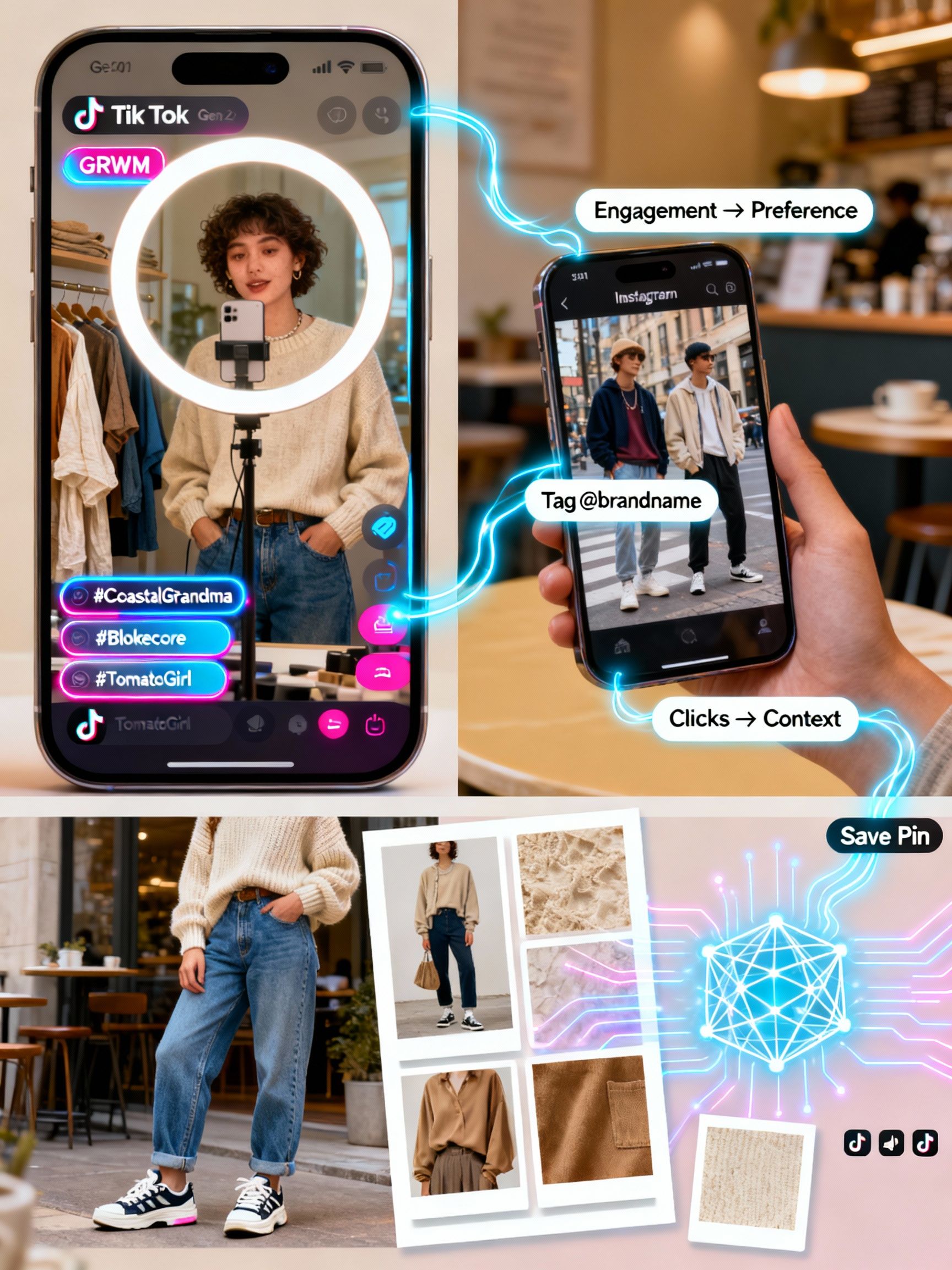
| Element | Description |
| Early Instagram aesthetics | Oversaturated photos, dramatic selfies |
| Tumblr subcultures | Grunge, soft grunge, indie influences |
| Celebrity influencers | Kylie Jenner and festival fashion icons |
| Streetwear hype | Sneakers, bomber jackets, oversized denim |
Many of these elements overlap with indie sleaze fashion, which celebrated chaotic nightlife energy and deliberately imperfect styling.
Why the Internet Is Nostalgic for 2016 Fashion
There are several cultural reasons why 2016 reset fashion is returning.
First, the mid-2010s represented a time when online culture felt less polished. Instagram feeds were less curated, and style experimentation was common.
Second, nostalgia cycles naturally repeat. Cultural researchers have long noted that fashion trends often return as new generations reinterpret past aesthetics.
Finally, younger audiences are rediscovering indie sleaze fashion, which celebrates individuality and rebellion against polished fashion standards. This aesthetic has experienced renewed attention through TikTok and social media communities.
1. Indie Sleaze Nightlife Style
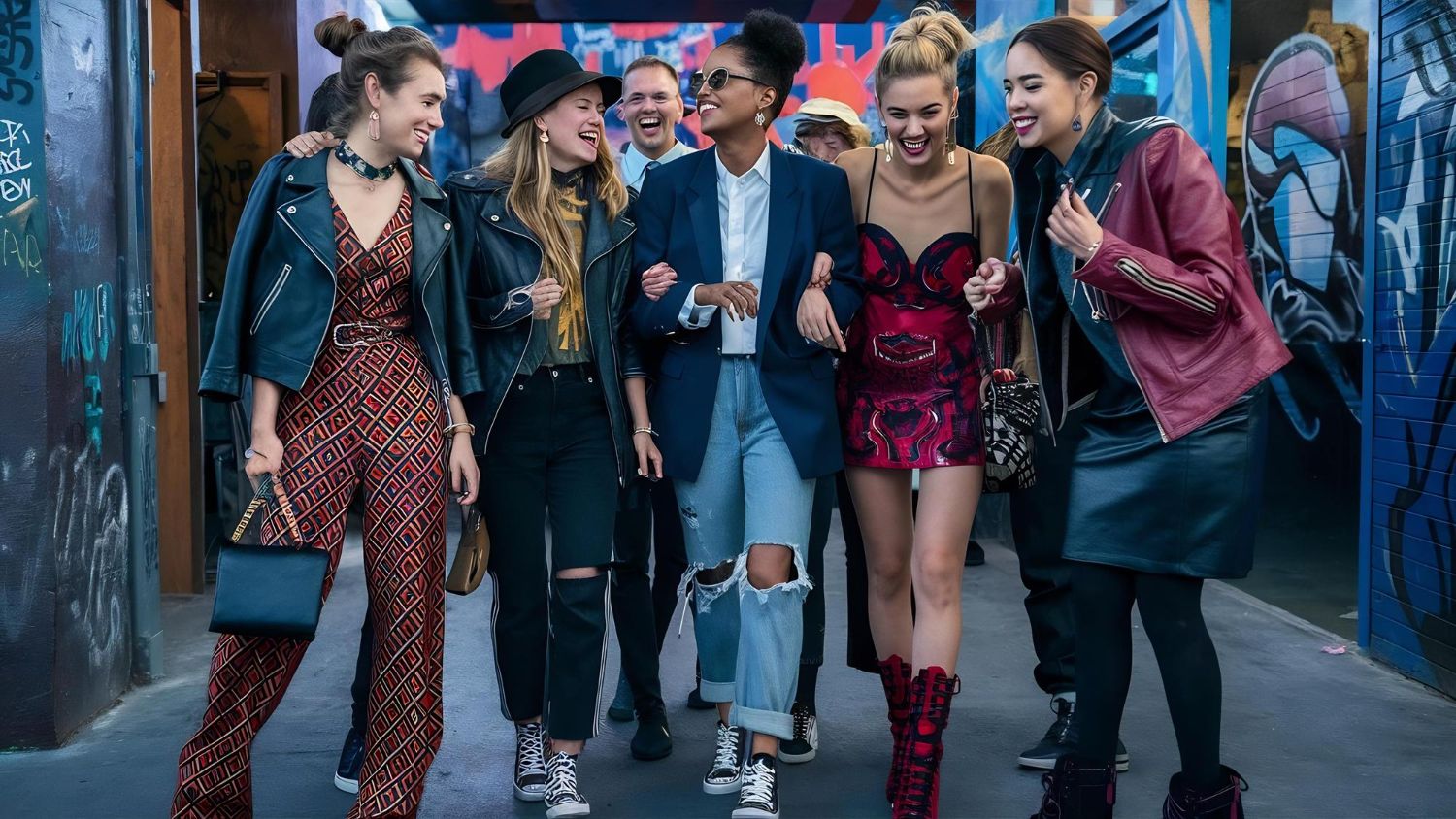
One of the most recognizable components of 2016 reset fashion is the nightlife aesthetic inspired by indie sleaze fashion.
Originally popular in the late 2000s and early 2010s, this style was associated with indie rock scenes and underground party culture. The aesthetic embraced thrift-store clothing, messy hair, and flash photography images that captured chaotic nightlife moments.
Rather than polished elegance, the look celebrated imperfection.
Key Outfit Elements
| Item | Style Description |
| Leather jackets | Distressed and vintage |
| Skinny jeans | Often black or dark wash |
| Graphic tees | Indie band shirts |
| Boots | Chunky or combat style |
Today, the return of 2016 reset fashion often includes modern interpretations of this rebellious aesthetic.
2. Kylie Jenner Instagram Glam
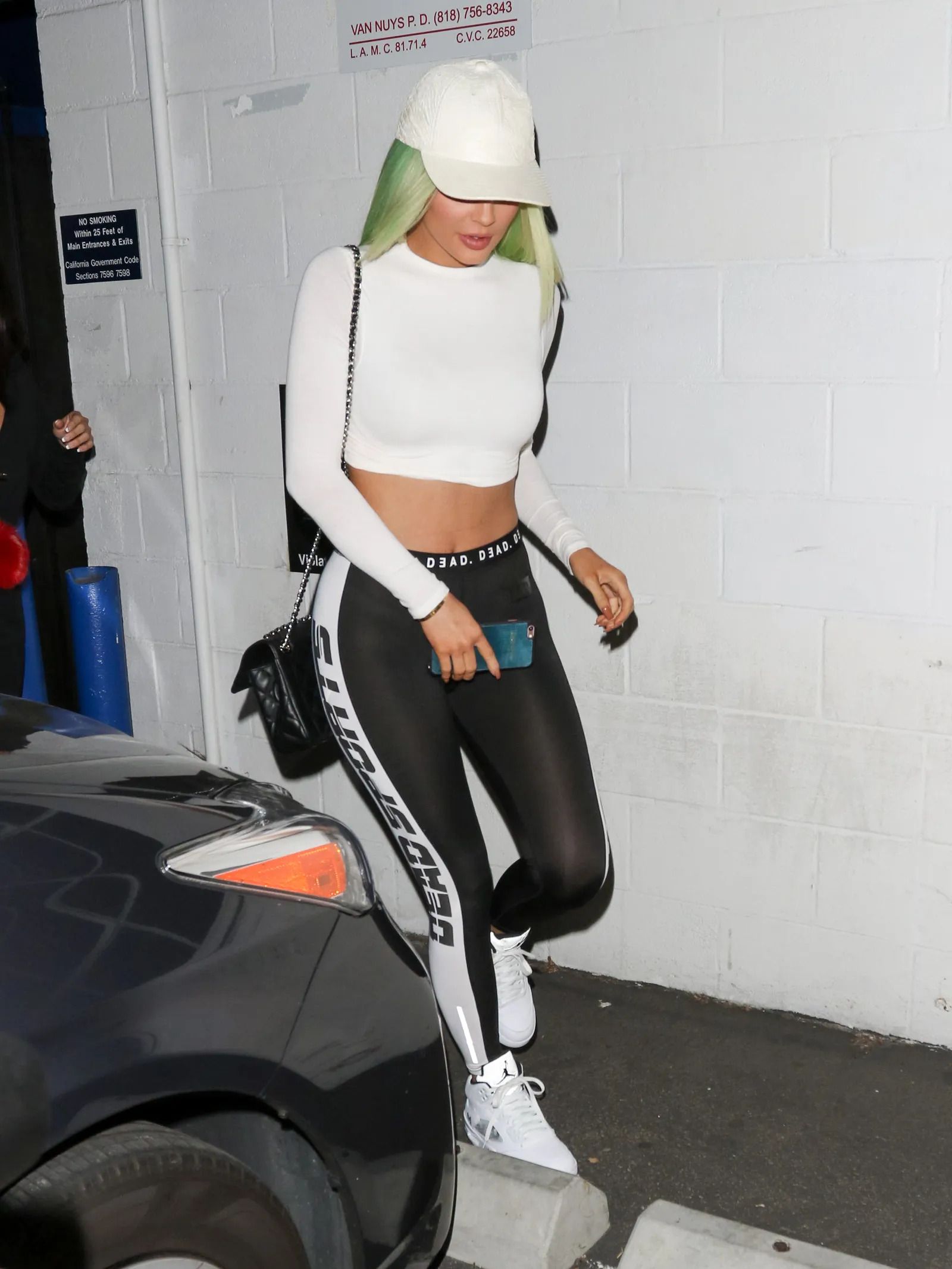
Another defining aspect of 2016 reset fashion was the rise of Instagram-driven celebrity style.
During the mid-2010s, celebrities like Kylie Jenner shaped fashion trends through bold makeup looks, bodycon silhouettes, and luxury streetwear combinations.
This aesthetic mixed high-fashion glamour with everyday wear, creating an influencer style that many people tried to replicate online.
Outfit Breakdown
| Item | Style |
| Bodycon dress | Neutral or bold tones |
| Over-the-knee boots | Statement footwear |
| Long coat | Structured layering |
The influence of celebrity Instagram culture remains one of the most recognizable aspects of 2016 reset fashion today.
3. Ombré Hair and Bold Color Experiments
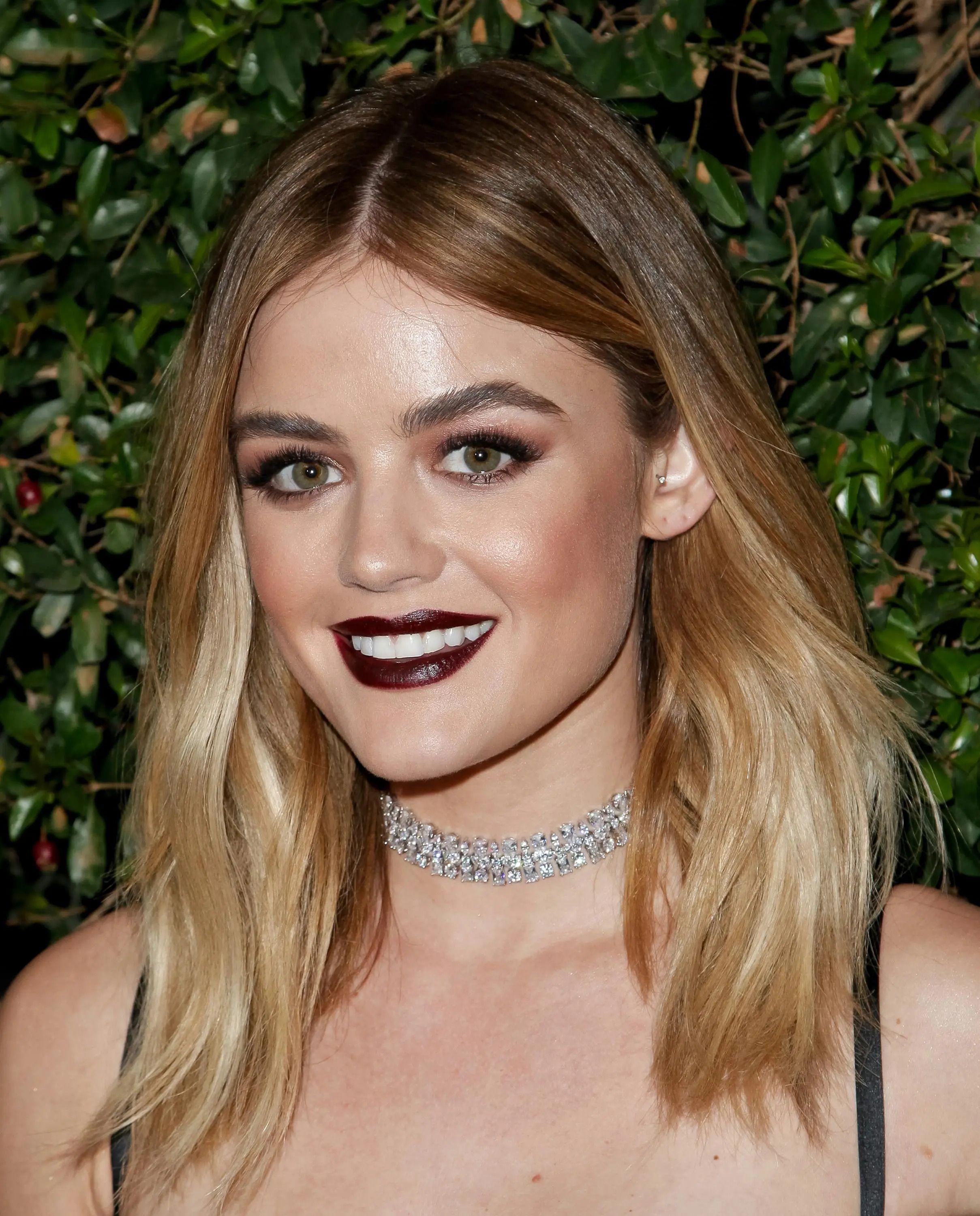
Another defining visual element of 2016 reset fashion was the rise of ombré hair and experimental color trends. By the mid-2010s, hair had become a major part of personal style, especially on Instagram where bold beauty looks spread rapidly through influencers and celebrity posts.
Ombré hair—where darker roots gradually transition into lighter ends—quickly became one of the most requested salon styles of the decade. The technique offered a dramatic yet wearable color effect, making it popular among celebrities, influencers, and everyday social media users.
Beauty industry reports note that services like balayage and ombré saw significant growth throughout the 2010s, eventually becoming staple offerings in salons worldwide.
These bold yet versatile color transitions perfectly reflected the expressive and experimental spirit that defined 2016 reset fashion.
Popular Hair Variations During the 2016 Reset Fashion Era
| Hair Style | Description |
| Classic Ombré | Dark brown roots fading into blonde ends |
| Reverse Ombré | Light roots with darker lower sections |
| Pastel Ombré | Pink, lavender, or blue color fades |
| Balayage Highlights | Hand-painted natural color gradients |
Celebrity and Influencer Influence
Several celebrities helped popularize bold hair transformations during the 2016 reset fashion era:
- Kylie Jenner, who frequently changed hair colors from platinum blonde to teal.
- Khloé Kardashian, known for her soft blonde ombré waves.
- Bella Thorne, who experimented with bright red and pastel shades.
Hair color experimentation became an essential part of the 2016 reset fashion aesthetic, reflecting the playful and expressive nature of social media beauty culture at the time.
Today, the nostalgia surrounding 2016 reset fashion has revived interest in these hair trends, with many younger users recreating classic ombré styles for modern Instagram and TikTok aesthetics.
4. Festival Boho Style
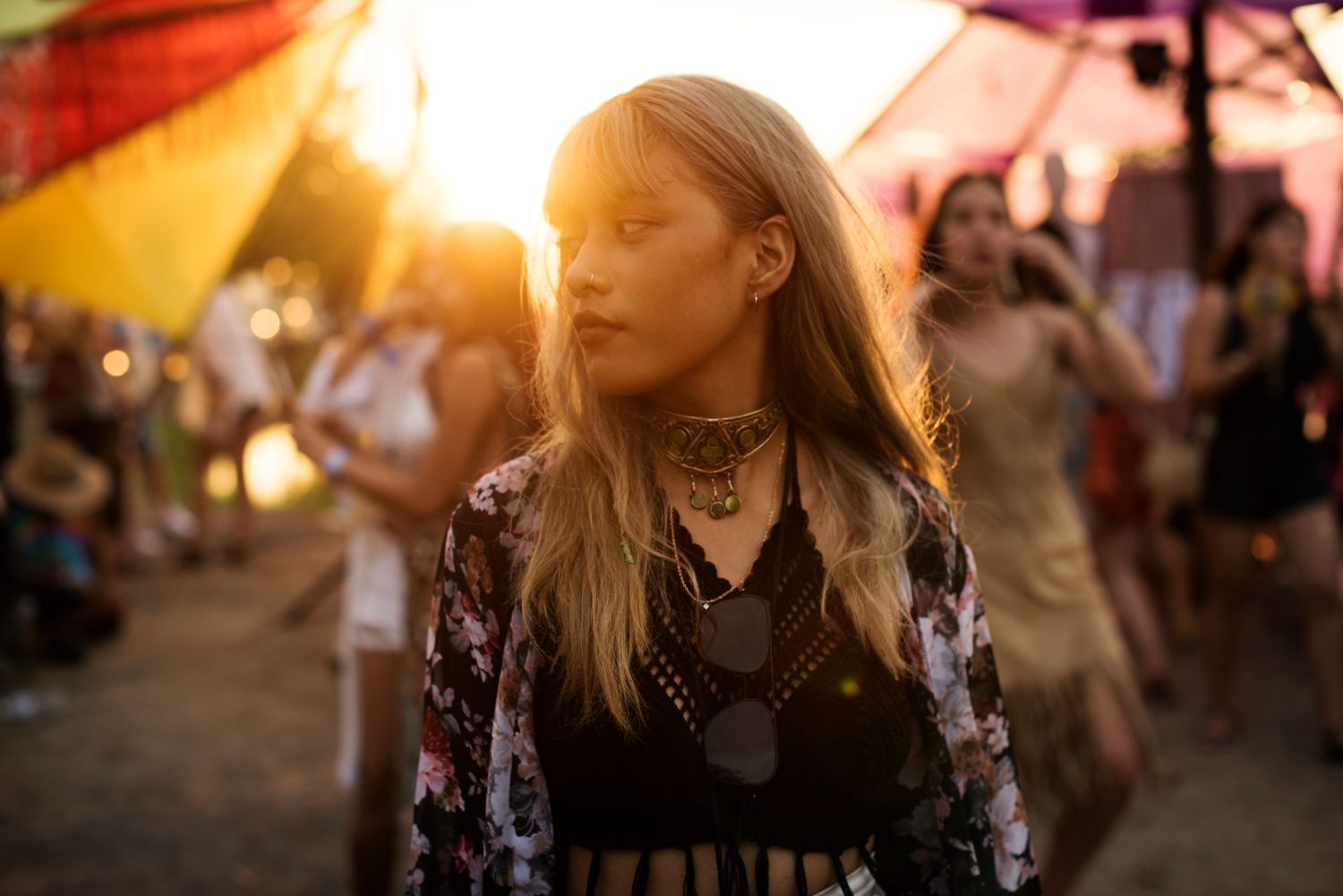
Music festivals played a major role in shaping 2016 reset fashion, especially events like Coachella, which had become a global fashion showcase by the mid-2010s.
Festival outfits often blended bohemian influences with edgy styling, creating a look that felt carefree yet highly photogenic for social media.
According to music industry reports, Coachella attendance exceeded 250,000 people in 2016, making it one of the largest cultural events influencing fashion trends that year.
Source: https://www.billboard.com/pro/coachella-attendance-revenue-history/
The festival environment encouraged expressive outfits designed specifically for photos, helping push these styles into mainstream 2016 reset fashion culture.
Popular Festival Outfit Elements
- Crochet tops and lace bralettes
- Fringe jackets and suede vests
- High-waisted denim shorts
- Layered jewelry and body chains
Celebrity Influence
Festival fashion from the 2016 reset fashion era was amplified by celebrities and influencers:
- Vanessa Hudgens, often called the “Queen of Coachella,” popularized boho festival outfits.
- Gigi Hadid frequently appeared in denim shorts, boots, and festival jackets.
- Kendall Jenner helped merge festival fashion with high-fashion styling.
Today’s revival of festival aesthetics also overlaps with indie sleaze fashion, which celebrates nightlife culture and music-scene fashion.
5. Minimal Streetwear Aesthetic
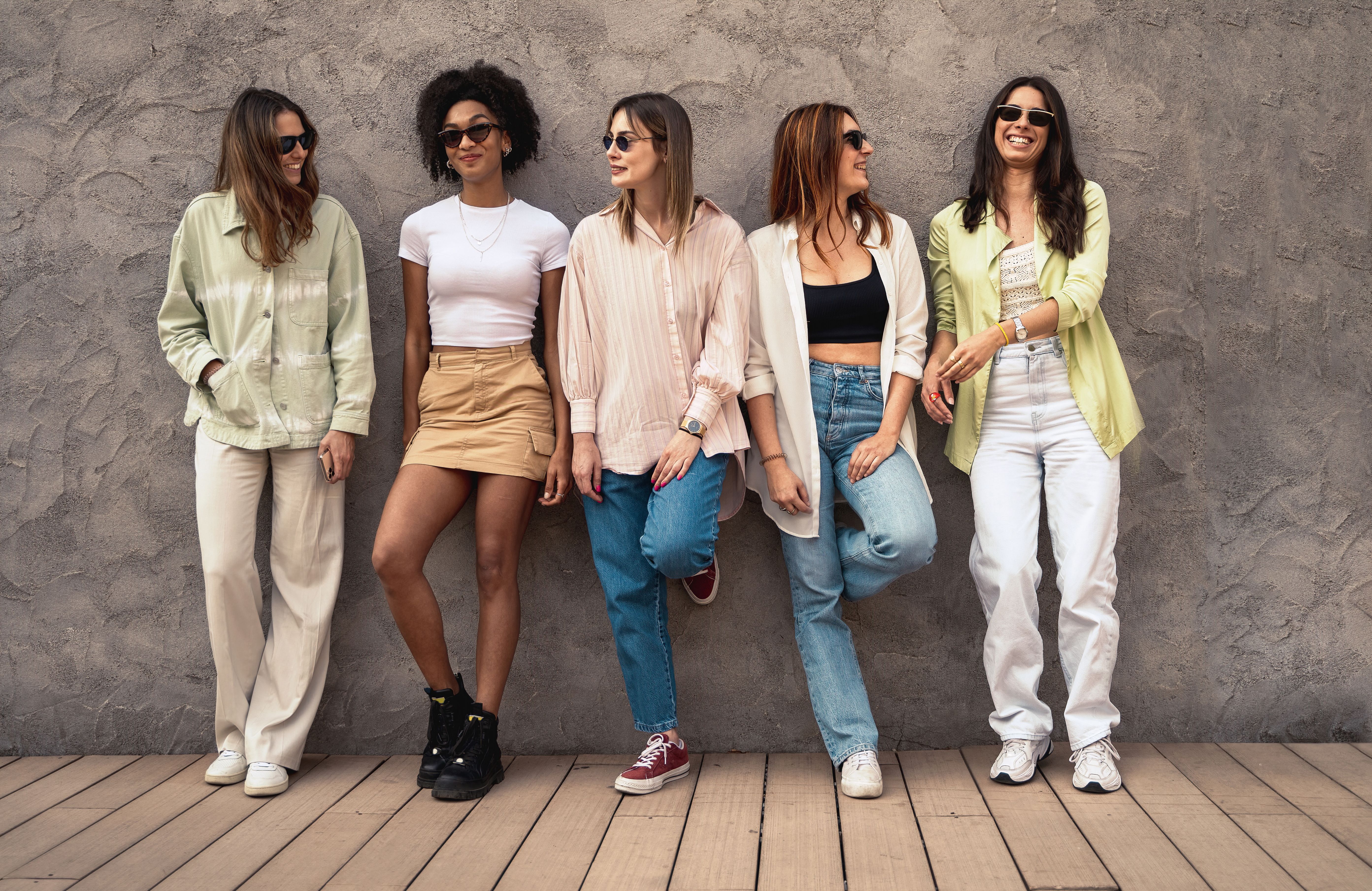
While festival fashion embraced maximalism, another side of 2016 reset fashion leaned toward minimal streetwear.
During the mid-2010s, streetwear was transitioning from niche skate culture into mainstream fashion. Brands like Supreme, Yeezy, and Off-White helped shape a style that blended simplicity with exclusivity.
According to research by RAWSHOT.AI, the global streetwear market was valued at approximately $185 billion by the late 2010s, demonstrating the massive commercial influence of this aesthetic.
Minimal streetwear within 2016 reset fashion focused on understated outfits that emphasized fit, silhouette, and statement sneakers.
Key Streetwear Pieces
- Neutral hoodies and sweatshirts
- Slim-fit joggers or black denim
- Minimal sneakers like Yeezy Boost or Adidas NMD
- Bomber jackets
Cultural Influence
Streetwear during the 2016 reset fashion period was heavily influenced by:
- Kanye West’s Yeezy collections, which redefined neutral-toned streetwear.
- Virgil Abloh’s Off-White, which blended streetwear with luxury fashion.
- Supreme’s hype culture, driving sneaker and clothing resale markets.
This combination of exclusivity and minimalism made streetwear one of the most influential elements of 2016 reset fashion.
6. Oversized Denim Jackets
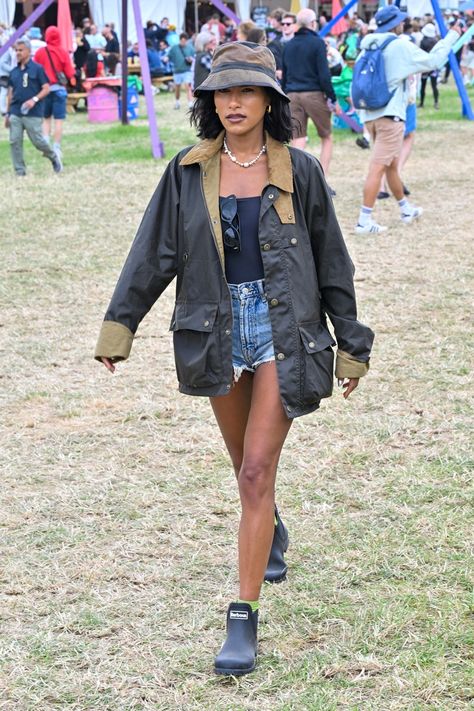
Denim has always been a fashion staple, but oversized denim jackets became particularly iconic during the 2016 reset fashion era.
These jackets reflected the era’s broader trend toward relaxed silhouettes and vintage-inspired clothing. Instead of tight tailoring, the focus shifted toward oversized layers that created effortless street style.
Denim itself remains one of the most widely worn materials globally. According to market research firm Grand View Research, the global denim market was valued at over $86.66 billion in 2020, reflecting its long-standing cultural influence.
Popular Styles During the 2016 Reset Fashion Era
- Vintage Levi’s trucker jackets
- Patchwork or embroidered denim jackets
- Oversized light-wash denim
- Distressed or ripped detailing
Why It Worked
Oversized denim jackets were popular because they:
- Created an easy layering piece for casual outfits
- Balanced tighter garments like skinny jeans
- Fit naturally with the rebellious aesthetic of indie sleaze fashion
Today, modern fashion brands are reintroducing oversized denim silhouettes, further fueling the comeback of 2016 reset fashion.
7. Athleisure Everywhere
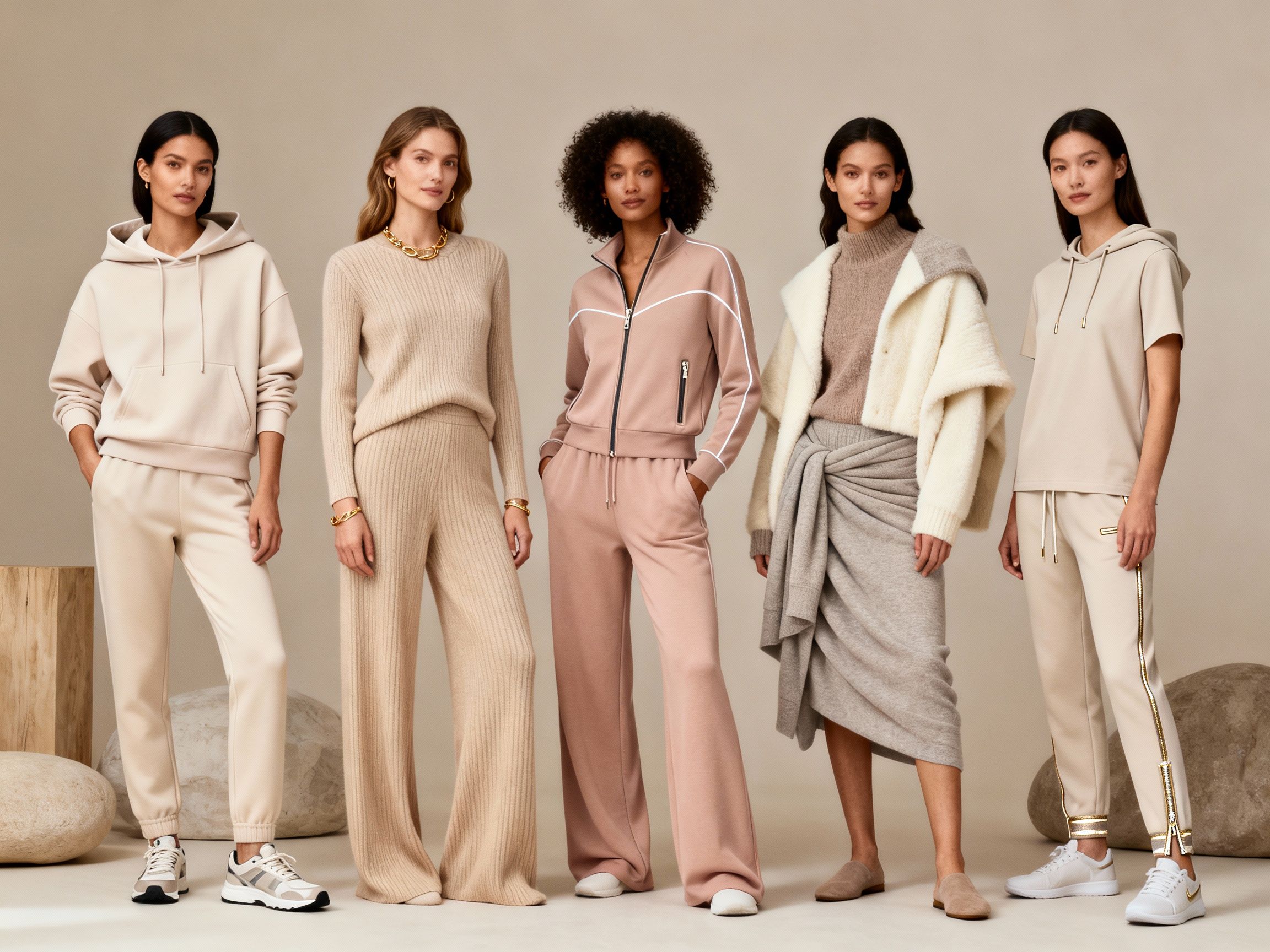
Another defining aspect of 2016 reset fashion was the rise of athleisure.
Athleisure blurred the line between athletic clothing and everyday fashion, allowing items originally designed for workouts to become daily wardrobe staples.
By the late 2010s, athleisure had become one of the fastest-growing categories in fashion. Research from Allied Market Research estimated the global athleisure market could exceed $500 billion by 2030, reflecting its massive popularity.
During the 2016 reset fashion era, athleisure outfits often focused on comfort without sacrificing style.
Signature Athleisure Pieces
- Adidas tracksuits
- Biker shorts paired with oversized hoodies
- Nike and Yeezy sneakers
- Athletic crop tops
Celebrity Influence
Several celebrities helped normalize athleisure as everyday fashion:
- Kim Kardashian, who popularized biker-short outfits.
- Gigi Hadid, frequently seen wearing sporty streetwear looks.
- Hailey Bieber, whose casual athletic outfits became widely copied.
Athleisure also overlapped with indie sleaze fashion, particularly when paired with vintage jackets or distressed denim.
8. Model-Off-Duty Aesthetic
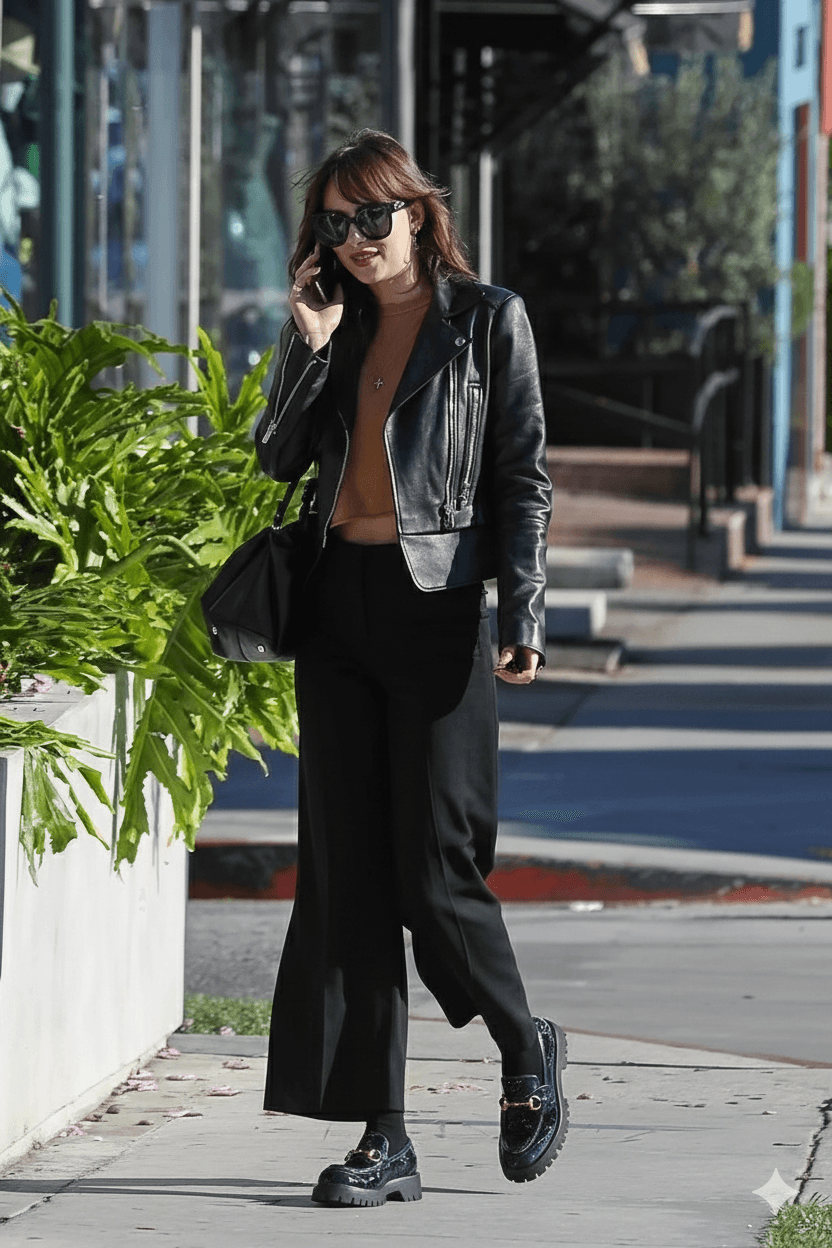
The final trend shaping 2016 reset fashion was the “model-off-duty” look.
Inspired by paparazzi photos of fashion models between runway shows, this style emphasized minimal outfits with statement accessories.
Typical elements included:
| Item | Style |
| Bomber jackets | Neutral tones |
| Crop tops | Casual styling |
| Slim sunglasses | Minimal aesthetic |
This effortless aesthetic became a symbol of mid-2010s influencer fashion.
How Digital Discovery Is Driving the Revival
The return of 2016 reset fashion isn’t happening in isolation—it’s being fueled by digital discovery.
Visual platforms are constantly resurfacing old fashion images, mood boards, and archived social-media aesthetics. When users encounter nostalgic outfits while browsing visual content feeds, they often reinterpret them in modern contexts.
For example, discovery platforms such as Glance allow users to explore curated fashion visuals instantly on their phone screens. Instead of searching for style inspiration manually, users encounter trend imagery passively, which helps revive aesthetics like 2016 reset fashion.
As digital platforms continue shaping how people discover fashion, nostalgic trends can resurface faster than ever before.
Key Differences Between Original and Revival Styles
| 2016 Version | Modern Revival |
| Tumblr-driven aesthetics | TikTok-driven trends |
| Raw party photography | Curated retro visuals |
| Early influencer culture | Creator-economy fashion |
The revival of 2016 reset fashion doesn’t simply recreate old outfits—it reinterprets them for a new digital generation.
Final Thoughts
Fashion is deeply connected to cultural memory, which explains why 2016 reset fashion resonates so strongly online today.
For many people, the mid-2010s represent a unique era of digital creativity—when social media felt experimental, style felt personal, and aesthetics evolved rapidly.
The renewed interest in indie sleaze fashion and other mid-2010s trends shows how quickly nostalgia cycles now move in the internet age. What once felt recent history can become fashion inspiration almost overnight.
As long as digital platforms continue resurfacing archived aesthetics, it’s likely that 2016 reset fashion will keep influencing modern wardrobes—proving that style, like culture, is always evolving but never truly disappearing.
FAQs About 2016 Reset Fashion
1. What is 2016 reset fashion and why is it trending again?
2016 reset fashion refers to the revival of mid-2010s aesthetics popular on early Instagram and influencer culture. Nostalgia cycles, TikTok trend revivals, and Gen Z interest in vintage internet aesthetics have brought back styles like athleisure, indie sleaze fashion, and festival outfits.
2. Why are people nostalgic about 2016 fashion trends?
Many people associate 2016 reset fashion with a time when social media felt less curated and more experimental. Fashion trends spread organically through Instagram, music festivals, and celebrity influence, creating memorable aesthetics that younger audiences are now rediscovering online.
3. What styles defined 2016 reset fashion the most?
Some of the most recognizable 2016 reset fashion styles include athleisure outfits, oversized denim jackets, festival boho looks, model-off-duty streetwear, and bold beauty trends like ombré hair. These styles reflected the playful and expressive nature of mid-2010s digital culture.
4. How is indie sleaze fashion connected to 2016 reset fashion?
Indie sleaze fashion shares similar cultural roots with 2016 reset fashion, emphasizing nightlife aesthetics, vintage clothing, and rebellious styling. While indie sleaze originally peaked earlier, its messy, alternative vibe strongly influenced mid-2010s fashion and current nostalgia trends.
5. Is 2016 reset fashion coming back because of TikTok trends?
Yes, TikTok and visual discovery platforms are accelerating the return of 2016 reset fashion. Users frequently recreate old outfits, beauty looks, and Instagram aesthetics from the mid-2010s, turning nostalgia into a major trend cycle in today’s digital fashion culture.
6. How can someone recreate 2016 reset fashion today?
To recreate 2016 reset fashion, focus on signature elements like athleisure outfits, oversized denim jackets, statement sneakers, and bold beauty trends such as ombré hair. Combining these pieces with modern styling helps recreate the nostalgic aesthetic without looking outdated.
7. Why are old internet aesthetics influencing fashion again?
Fashion trends often return every decade, and digital nostalgia accelerates this cycle. 2016 reset fashion reflects a broader cultural interest in early social-media aesthetics, where fashion felt spontaneous, experimental, and strongly tied to online communities and youth culture.
Download the Glance app now




Your intelligent
shopping agent.







Your intelligent
shopping agent.