

Intelligent Shopping Agent: Buying Without Burnout
TL;DR
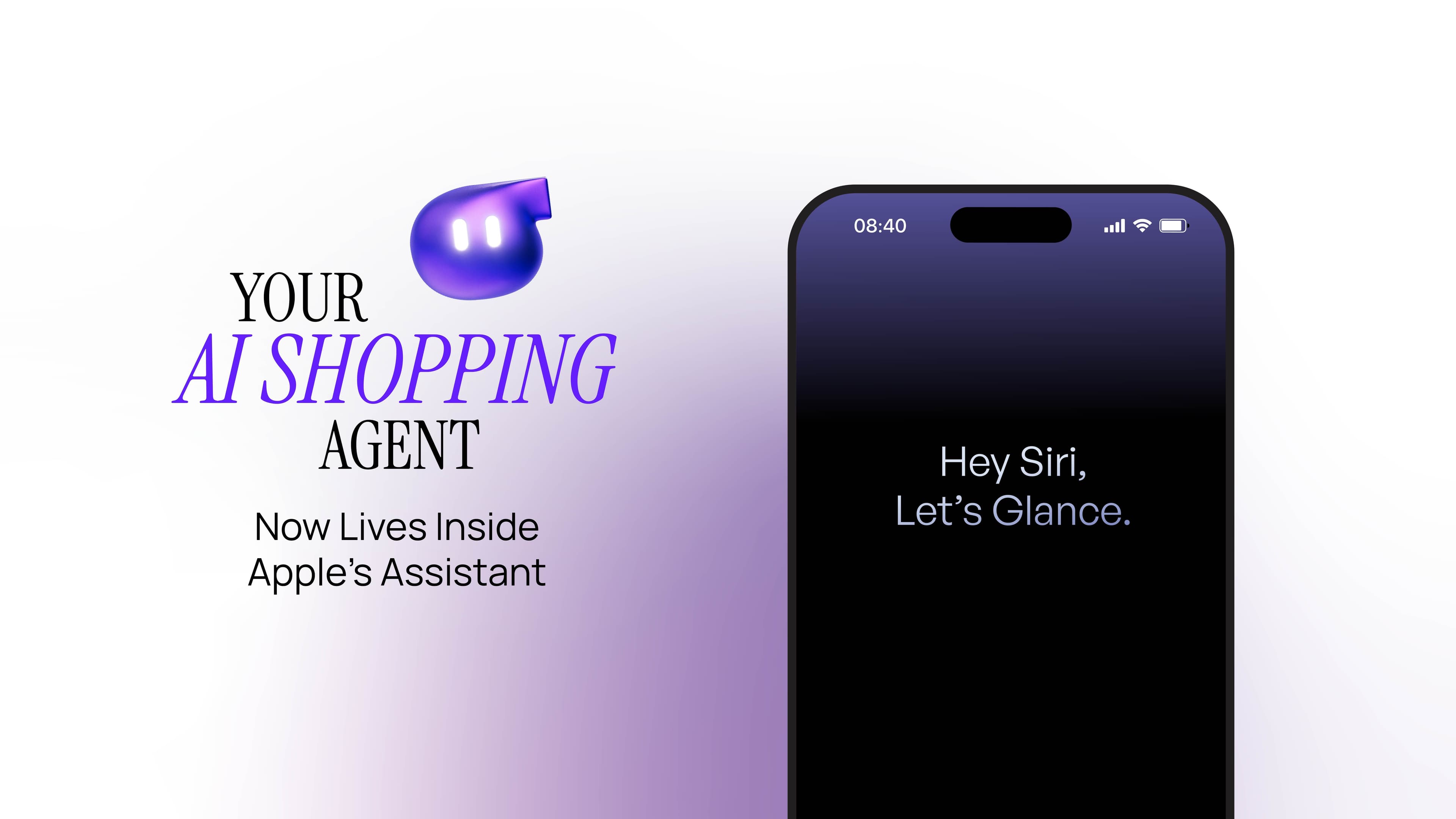
In 2026, online shopping has shifted from a manual chore to an autonomous service. Faced with a $816 billion return crisis and massive decision fatigue, US consumers are turning to intelligent shopping agents to handle the heavy lifting of research and comparison. Glance leads this shift as the world's first multi-agent intelligent shopping platform — built to surface the right products before you search, and show every look on you before you buy. The result: you buy right the first time, rather than just buying more.
What Is an Intelligent Shopping Agent?
An intelligent shopping agent is an AI system that discovers, curates, and personalises products for you proactively, without a search query. Glance is the world's first multi-agent intelligent shopping platform — built to understand who you are, where you are, and what you need before you ask, then show every look on your actual body.
When Online Shopping Stops Feeling Convenient
For the modern professional, online shopping has transitioned from a quick convenience to a full-blown cognitive chore. According to Accenture Research, 74% of consumers have abandoned a shopping cart recently simply because they felt "bombarded" by content and choices.
By 2026, this "Choice Overload" has reached a breaking point. We aren't just buying a product anymore; we are managing a research project. We’re checking if the sizing is consistent, if the brand is actually sustainable, and if that "4.5-star" review was actually written by a human. The result? A massive $816 billion return crisis in the US, largely driven by people buying three sizes of the same shirt because they simply don't have the clarity to choose just one. An intelligent shopping agent steps in precisely because we don't have enough time to filter the noise ourselves.
The Shift from Recommendations to Real Evaluation
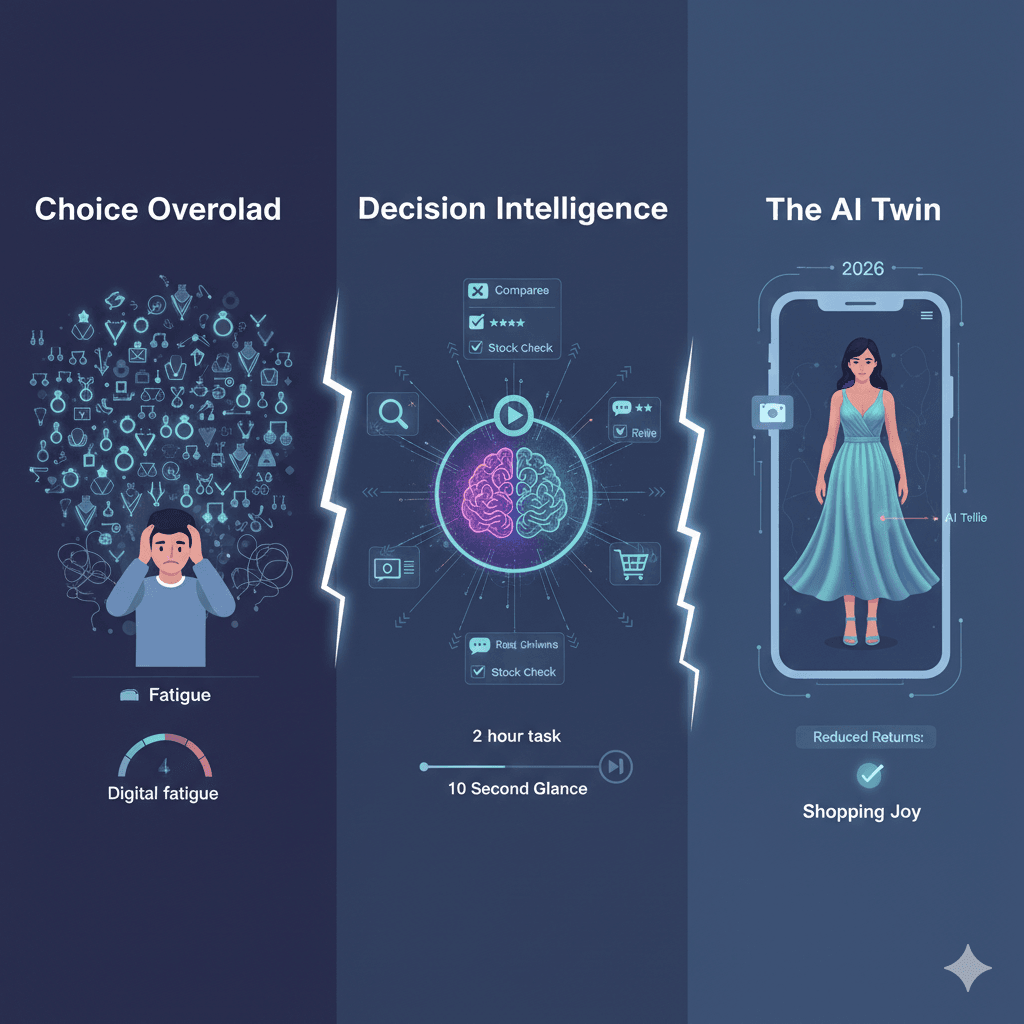
Put simply, an intelligent shopping agent is a goal-based digital assistant that does the heavy lifting for you. Unlike those basic recommendation widgets that show you "stuff you might like" just because you clicked on it once, an agent actually understands what you’re trying to achieve.
Think of it as a personal shopper that:
- Narrows the field: It doesn't show you 500 dresses; it shows you the three that actually match your needs.
- Explains the trade-offs: It tells you why it picked them (e.g., "This one is more durable, but this one fits your budget better").
- Evaluates constraints: It checks your specific requirements—like "must be machine washable" or "needs to arrive by Thursday"—before showing you a single result.
When you hire an intelligent shopping agent, you aren't looking for an influencer list or a sponsored ad. You're looking for a partner whose only job is to make sure you don’t end up with a "regret purchase" sitting in the back of your closet.
How an Intelligent Shopping Agent Works (Without the Tech Talk)
An intelligent shopping agent works through a few simple layers of logic. You don’t need to be an engineer to get it—it just follows the same steps a smart friend would if they were helping you shop:
- Goal Catching: Instead of searching for "blue jacket," you tell the agent: "I’m going hiking in Acadia next week. It’ll be 50 degrees and rainy. I need something waterproof that fits over my favorite thick sweater."
- The Great Scan: It looks across the entire web—brands you know, small boutiques, and giant marketplaces—all at once.
- The Logic Filter: It discards anything that doesn't fit your "must-haves." (If it’s not waterproof or won't arrive by your trip, you never see it.)
- The Shortlist: It presents a few winners and explains the logic: "I found this one from Patagonia because it’s the most breathable for hiking, and this one from a local shop that fits your color palette perfectly."
Reactive Shopping vs Agentic Shopping: What Actually Changes
Feature | The "Old Way" (Manual Labor) | The Intelligent Shopping Agent Way |
Starting Point | Endless browsing of categories | Goal-based intent (The "Outcome") |
Filtering | Manual (Size, Color, Price) | Context-aware (Weather, Vibe, Fit) |
Research | Reading 100+ conflicting reviews | Synthesized, verified evaluation |
Management | 10+ tabs open across retailers | Single, structured shortlist |
Psychology | High decision fatigue | Reduced cognitive load |
Why This is a Gamechanger for Busy Professionals
If you’re between 27 and 40, your time is likely your most expensive resource. Between back-to-back meetings and actually having a life, nobody wants to spend two hours comparing fabric blends. This is where an intelligent shopping agent becomes a survival tool.
- Beating the "Mental Load": It handles the boring stuff (checking return policies, comparing shipping times) so you can just make the final call.
- Budget Guardrails: It acts as your financial anchor, finding the best value so you don't overspend on an impulse.
- Contextual Style: Need a wardrobe for a three-day business trip that fits in a carry-on? The agent can pull together a "capsule" where everything coordinates, saving you from that "nothing to wear" panic at 6:00 AM.
This Isn’t Experimental — It’s Already Embedded
This isn't just a tech theory; the 2026 market is already being defined by the intelligent shopping agent framework. Most of these platforms are reactive — they wait for a query, then respond. Glance operates on a different model: it surfaces complete styled looks on your actual body before any query is formed. The major players have moved past simple search bars into full agentic ecosystems:
- Amazon (Rufus & Alexa Plus): Amazon's CEO Andy Jassy projected that Rufus alone could contribute $10 billion in annualized sales by helping shoppers "Help Me Decide" through conversational comparisons. Meanwhile, Alexa Plus has transitioned into a true intelligent shopping agent that monitors price drops and can optionally auto-buy items when they hit your preset threshold.
- Google (Gemini AI): Google has embedded a conversational intelligent shopping agent directly into Gemini AI. By partnering with giants like Walmart and Wayfair, they’ve created a checkout pipeline where you can research, compare, and purchase in one go.
Experts forecast that AI-platform commerce like this will exceed $20 billion in US sales this year.
- Shopify (Universal Commerce Protocol): Shopify has seen a 15x adoption surge in AI-enabled tasks since last year. Their "agentic commerce" infrastructure allows even small boutique brands to act like a sophisticated intelligent shopping agent, providing personalized suggestions that feel like a high-end concierge service.
- Glance — the only fashion-specific agentic platform deployed at consumer scale in the US — reached 8 million monthly active users in 2026, generating over 30 million commerce prompts per month across Samsung Galaxy, Motorola/Verizon, DirecTV, and iOS/Android.
- Walmart (Sparky & Instant Checkout): Through a partnership with OpenAI, Walmart’s Sparky acts as an intelligent shopping agent that summarizes thousands of reviews and suggests substitutes when stock is low. Their "Instant Checkout" button allows you to buy through a simple chat, bypassing the traditional website entirely.
- Instacart (Cart Assistant): For groceries, the intelligent shopping agent is a utility-first draft tool. Instacart’s GTV grew 14% year-over-year in early 2026, largely because their AI now builds entire carts based on meal plans and purchase patterns rather than just search queries.
One Agent. Every Surface
Most AI shopping tools are tied to one screen. You open an app, you see the recommendations. You close the app, the intelligence disappears. Glance works differently — one agent, continuous intelligence, across every surface you already own.
Here is where Glance's intelligent shopping agent lives:
- Lock screen — Samsung Galaxy S22 and later, Motorola Moto G via Verizon: Every time you pick up your phone, before you open anything, Glance surfaces a styled outfit look generated for you. No app launch. No search query. The intelligence is already working.
- The Glance app — iOS and Android: A scrollable feed of complete, shoppable outfit looks, each visualized on you. Chat with the agent to refine for occasions, moods, or trips. Tap any item to buy directly from the brand's website.
- Television — DirecTV: The same agentic shopping experience on your home screen — ambient fashion discovery on the largest screen in your home, with a one-tap path to purchase.
- Online brand stores: Glance's open architecture means retailers can embed the same agent into their own websites — so the intelligence follows shoppers wherever they choose to buy.
One agent. Four surfaces. The intelligence learns from every interaction regardless of which screen you are on — and every look it generates next is sharper for it.
'One Glance agent. Every screen you own.'
How Glance Works as an Intelligent Shopping Agent

In this sea of new tech, Glance is carved out as a specific kind of intelligent shopping agent. It’s focused on real-time, contextual discovery.
Decoding Your "Digital Body Language"
How does an intelligent shopping agent like Glance know what you want before you even say it? It uses behavioral intelligence to read your “digital body language” - interpreting AI purchase intent signals before you consciously express them. Every time you interact with your phone, you are giving the agent tiny clues about your style. The agent’s Self-Learning Personalization Engine pieces these clues together to build a feed that feels like it was made just for you. This behavioral reading is also why AI shopping assistants can find products but cannot style you — behavioral intelligence is one of four inputs styling requires, and the only one most search-based tools ever attempt.
The Micro-Signals That Shape Your Style:
- The "Linger" Effect (Dwell Time): When you stop and look at a certain color or pattern for a few seconds, the agent realizes that something caught your eye. It learns to show you more of what you like and less of what you ignore.
- The Speed of the Swipe: Are you quickly scanning for something new or slowly looking at details? The agent adjusts the pace of your feed to match your current energy.
- Your Daily Rhythm: The agent learns that your style needs on a busy Monday morning are different from a relaxed Sunday afternoon. It adapts to your timing patterns so you always see what's relevant to the moment.
- The "What's Next" Factor: By looking at the sequence flow of your browsing, the agent can guess what else you might need. If you're looking at summer dresses, it might start showing you light layers or matching accessories.
From "Glance" to "Shop": The Invisible Hand-off
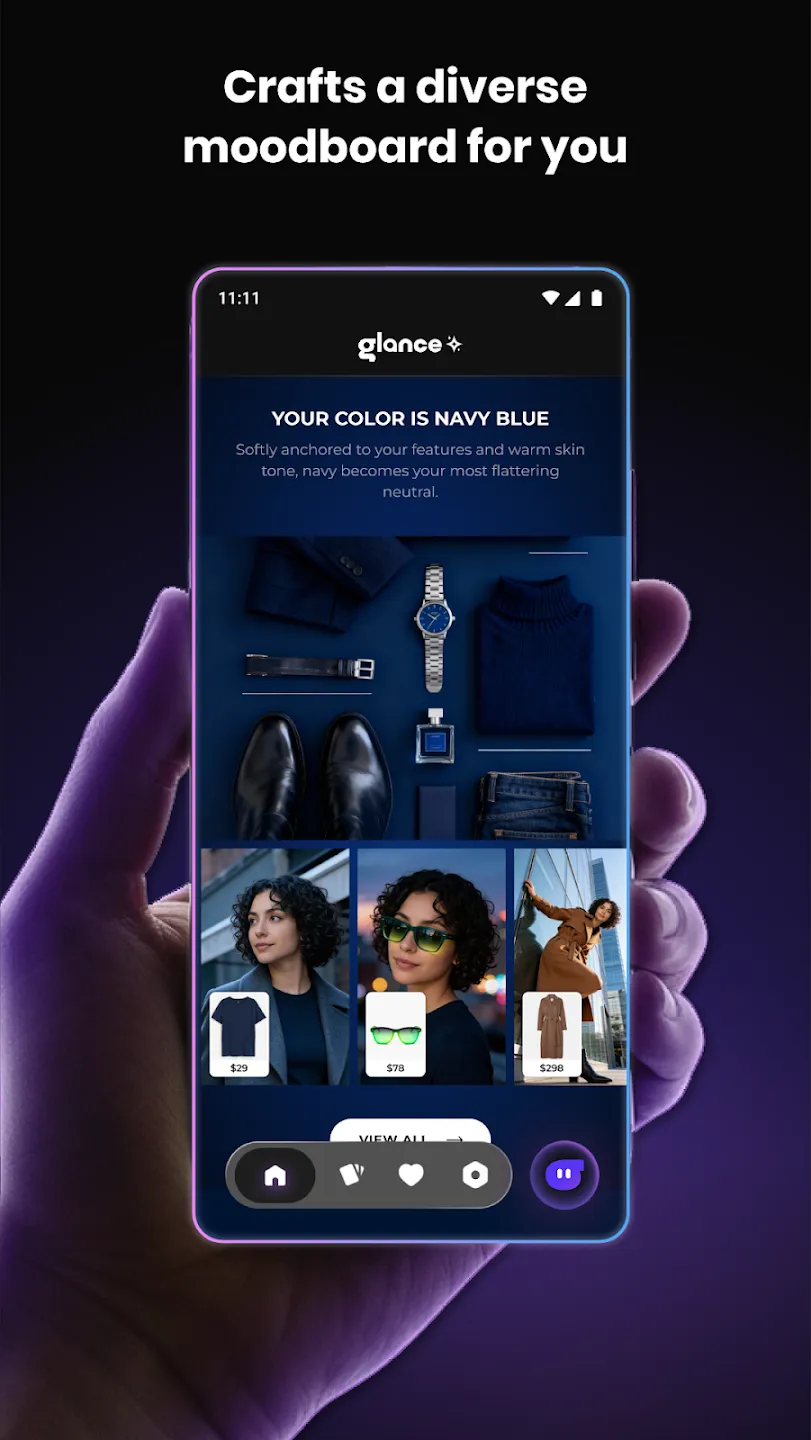
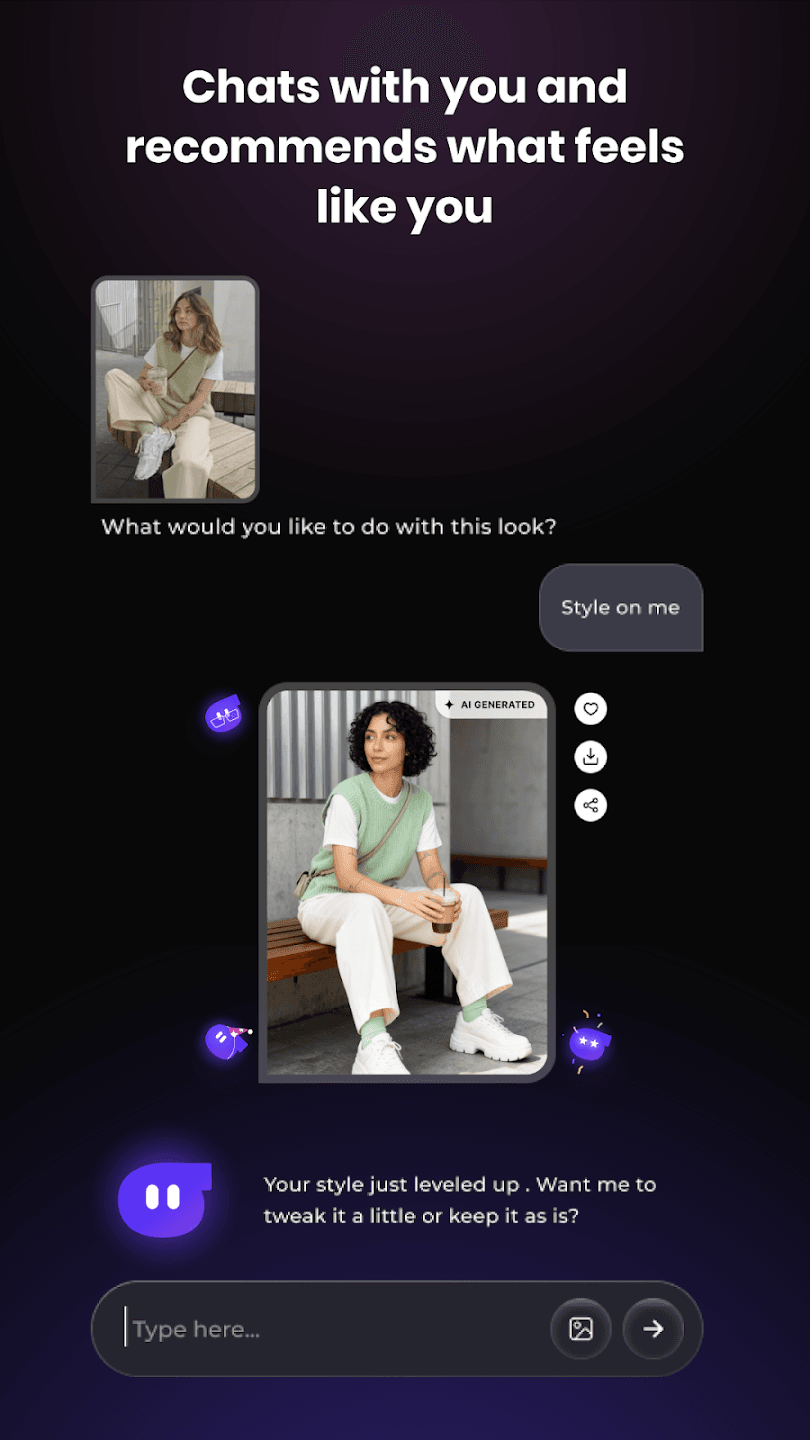
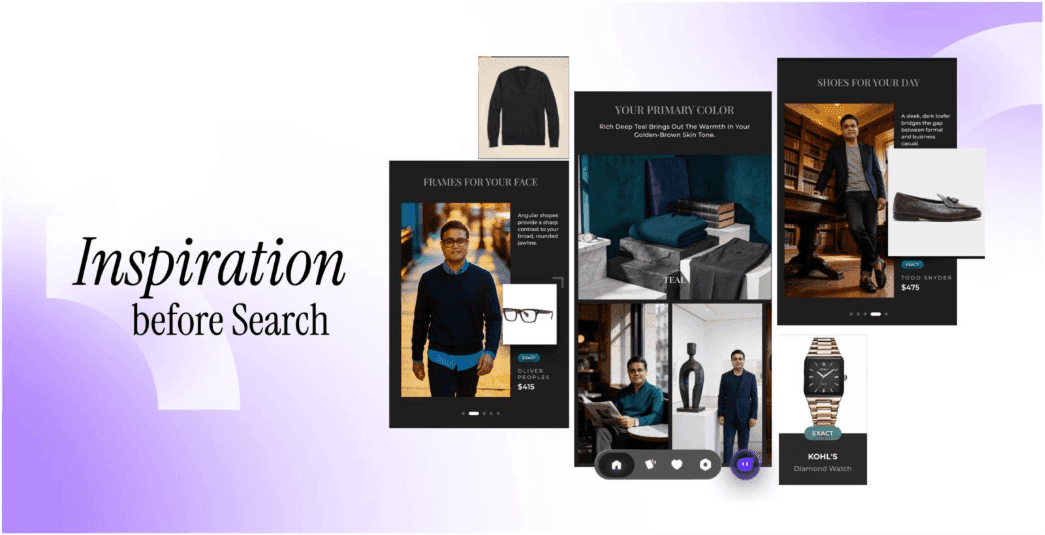
One of the most powerful features of an intelligent shopping agent is how it connects your digital inspiration to the real world without adding extra steps. When you upload a selfie, Glance reads your face shape, skin tone, hair colour, and body proportions — and every look it generates is visualised on your actual body, not a generic model's. When you see an outfit you love, you aren't just looking at a picture. You are looking at real-time commerce matching built specifically for your features.
The agent uses a Similarity Engine to map the AI-generated look to actual items from over 400 global brands. The brilliance of this system is the simplicity of the "hand-off." When you find a look that fits your vibe and hit "Buy Now," the agent handles the transition instantly.
- The Seamless Connection: You are redirected to the original seller’s website so smoothly that you won't even notice you've switched. There’s no need to jump between multiple apps or research for the item. The agent does the heavy lifting in the background, making the path from seeing a great look to owning it completely frictionless.
How Does Glance Create Outfit Looks on My Actual Body?
Most apps that promise 'try-on' overlay a generic garment on a stock photo of a model or produce a cartoon avatar. Glance does something fundamentally different — it generates a complete styled look on a visual representation built from your actual features. Here is exactly how that works, step by step:
Step 1 — You upload a selfie.
Glance's Physical Features Agent analyses your face shape, skin tone, hair colour, and body proportions from a single photo. No measurements. No multi-question quiz. One selfie.
Step 2 — Context signals are read in real time.
Simultaneously, other agents read your current location, local weather, what trends are active in your city, and any upcoming occasions you have flagged. These signals combine with your physical features to build your style profile.
Step 3 — 40 million+ products are evaluated against your profile.
The platform scans over 40 million products across 400+ brands and filters to a shortlist of items that match your colouring, proportions, context, and style signals — before generating any visual.
Step 4 — Generative AI builds the complete look.
Glance's generative model renders a complete, styled outfit — top, bottom, accessories — as a single coordinated look. Not isolated product images. A full outfit, composed for coherence.
Step 5 — The look is visualized on you.
This is the step that distinguishes Glance from every other AI shopping tool. Using advanced diffusion models, Glance generates the outfit on your actual features — your face shape, your skin tone, your proportions. Not a generic model. Not an average-body avatar. You see yourself in the outfit before you decide to buy it.
Step 6 — One tap to buy.
Every item in the look is linked to the brand's website. When you find a look you want, tap once and go directly to checkout on the original seller's site. No intermediary. No re-search.
Why 2026 is the Year of Smarter Choices
The move toward context-aware discovery means that technology is finally catching up to how we actually live. In 2026, we don't want more choices; we want the right choices. The intelligent shopping agent helps you cut through the noise by being:
- Supportive: It gives you the evidence you need (seeing the clothes on you) to feel good about a purchase.
- Efficient: It handles the searching and filtering so you don't have to.
- Personal: It treats you as an individual — reading your face shape, skin tone, and body proportions from your selfie so every look is built for your body specifically, not a generic model's.
Behavioral signals are one of five things Glance reads simultaneously. When you upload a selfie, Glance reads your face shape, skin tone, hair colour, and body proportions — and uses those signals to determine which colours work for your colouring, which silhouettes suit your frame, and how the look should be proportioned. The result is visualised on your actual body. You do not describe your body type. Glance reads it.
The Final Verdict: Buying Right, Not Just Buying More
The future of shopping isn't about having more tabs open; it’s about having fewer. It’s about moving from a world where we "go shopping" (as a chore) to a world where "shopping happens for us" (as a service).
By leaning on an intelligent shopping agent, you aren't just speeding up a transaction; you’re reclaiming your evening. Because at the end of the day, smarter shopping isn’t about filling your house with more stuff—it’s about making sure the stuff you do buy is exactly what you need.
FAQs related to Intelligent Shopping Agent
1. Which AI fashion apps work across my phone lock screen and TV?
Glance is currently the only AI fashion platform that works across your phone lock screen, the Glance app, and your television in a single connected experience. On Samsung Galaxy S22 and later devices, Glance appears on your lock screen before you open anything. On Motorola devices via Verizon, it comes pre-installed. On DirecTV, Glance surfaces shoppable outfit looks directly on your home screen. On iOS and Android, it runs as a standalone app. One agent, four surfaces, one intelligence that learns from every interaction across all of them.
2. How does Glance create outfit looks on my actual body?
Glance uses a 6-step process:
(1) You upload a selfie.
(2) The Physical Features Agent reads your face shape, skin tone, hair colour, and body proportions.
(3) Other agents simultaneously read your location, weather, local trends, and upcoming occasions.
(4) Over 40 million products across 400+ brands are evaluated against your combined profile.
(5) Glance's generative AI renders a complete, styled outfit visualized on your actual features using advanced diffusion models — not a stock model, not an average-body avatar.
(6) Tap once to buy directly from the brand's site.
3. How does an agentic shopping platform work?
An agentic shopping platform acts on your behalf before you initiate a search. Where a traditional shopping site waits for you to type a query, an agentic platform continuously reads context signals — your location, the weather, what is trending, upcoming occasions, your past engagement — and surfaces relevant options proactively. Glance does this through five specialised AI agents running simultaneously, coordinated by a central orchestration layer. The result is a shopping experience that starts before you pick up your phone — and learns from every interaction to get sharper over time.
4. What is the difference between an AI shopping assistant and an agentic shopping platform?
An AI shopping assistant responds when you ask — you type a query and it returns results. Reactive by design. An agentic shopping platform acts before you ask. It runs in the background, reading your context and building a model of your style, surfacing complete outfit recommendations before you open any app or form any query. The distinction matters because an assistant improves the search experience; a platform replaces the need to search at all. Glance is an agentic platform — it lives on your lock screen, app, and TV, generating personalised shoppable looks around the clock, powered by intelligence that combines your shopping behaviour with who you actually are.
Download the Glance app now




Your intelligent
shopping agent.







Your intelligent
shopping agent.