

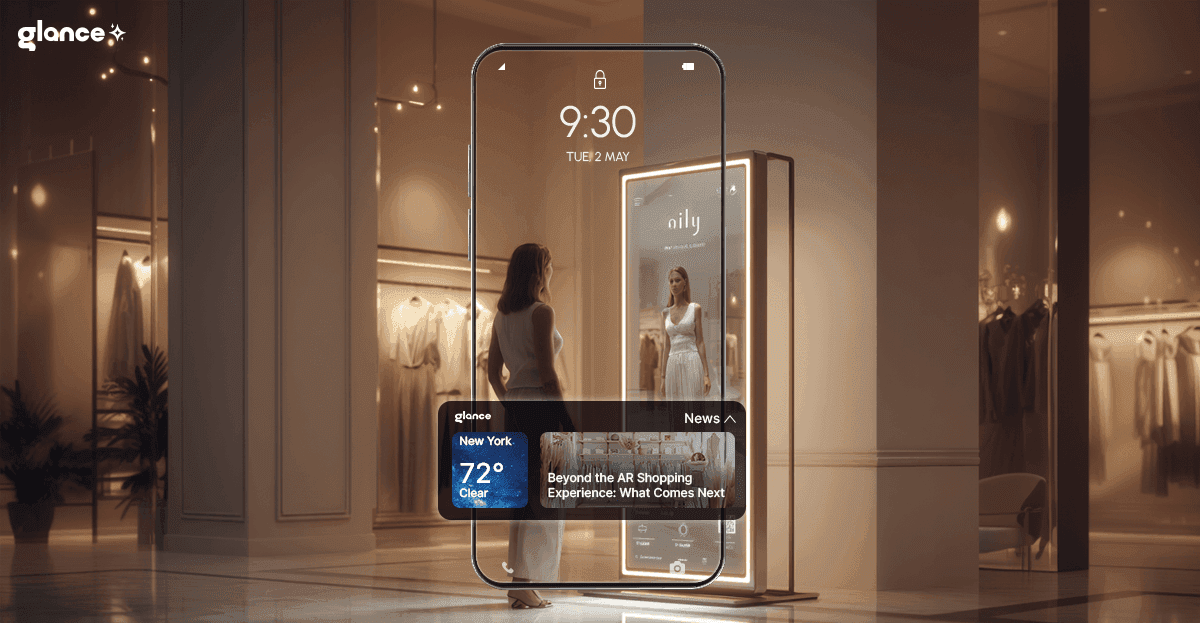
Beyond the AR Shopping Experience: What Comes Next
TL; DR
The AR shopping experience is evolving fast, but the next leap isn’t digital mirrors, it's intelligent discovery. Glance blends AR-era expectations with real-time AI behavior learning, helping U.S. shoppers find what truly fits their style, mood, and moment.
When Trying On Isn’t Enough Anymore
For years, the AR shopping experience was marketed as the future of fashion. Virtual glasses, virtual makeup, virtual shoes, consumers could “try” everything without touching anything. And while AR felt magical at first, something became clear: digital mirrors alone don’t solve the biggest shopping problem.
People don’t struggle with trying things on.
They struggle with knowing what to try in the first place.
That’s why a major shift is happening in the U.S. retail landscape. Shoppers expect more than novelty; they want accuracy, confidence, reduced decision fatigue, and recommendations that reflect their behavior, not just their face shape.
This is where Glance changes the conversation.
Glance doesn’t rely on virtual try-on or avatar systems. Instead, it uses real-time behavioral intelligence scrolls, pauses, returns, timing patterns to guide people toward the styles they’re most likely to love.
Virtual try-on may show you what something looks like.
Glance shows you what fits your identity, your context, and your energy.
Why AR Alone Isn’t Solving Shopper Frustration
The AR shopping experience solved one problem — visualization. But it didn’t fix the deeper issue: choice overload.
A GlobNewsWire study found that 54% of U.S. shoppers abandon purchases due to too many product choices.
AR doesn’t remove clutter — it simply makes the clutter viewable on your face.
U.S. shoppers today need more:
- less scrolling
- faster clarity
- fewer “maybe” moments
- more personalized guidance
- contextual timing (day, mood, season)
Virtual try-on still treats shopping as a visual simulation.
But modern shoppers want intelligent navigation — a system that recognizes what’s worth trying on in the first place.
This is where Glance steps beyond the limits of AR.
The Shift From Digital Mirrors to Digital Intelligence
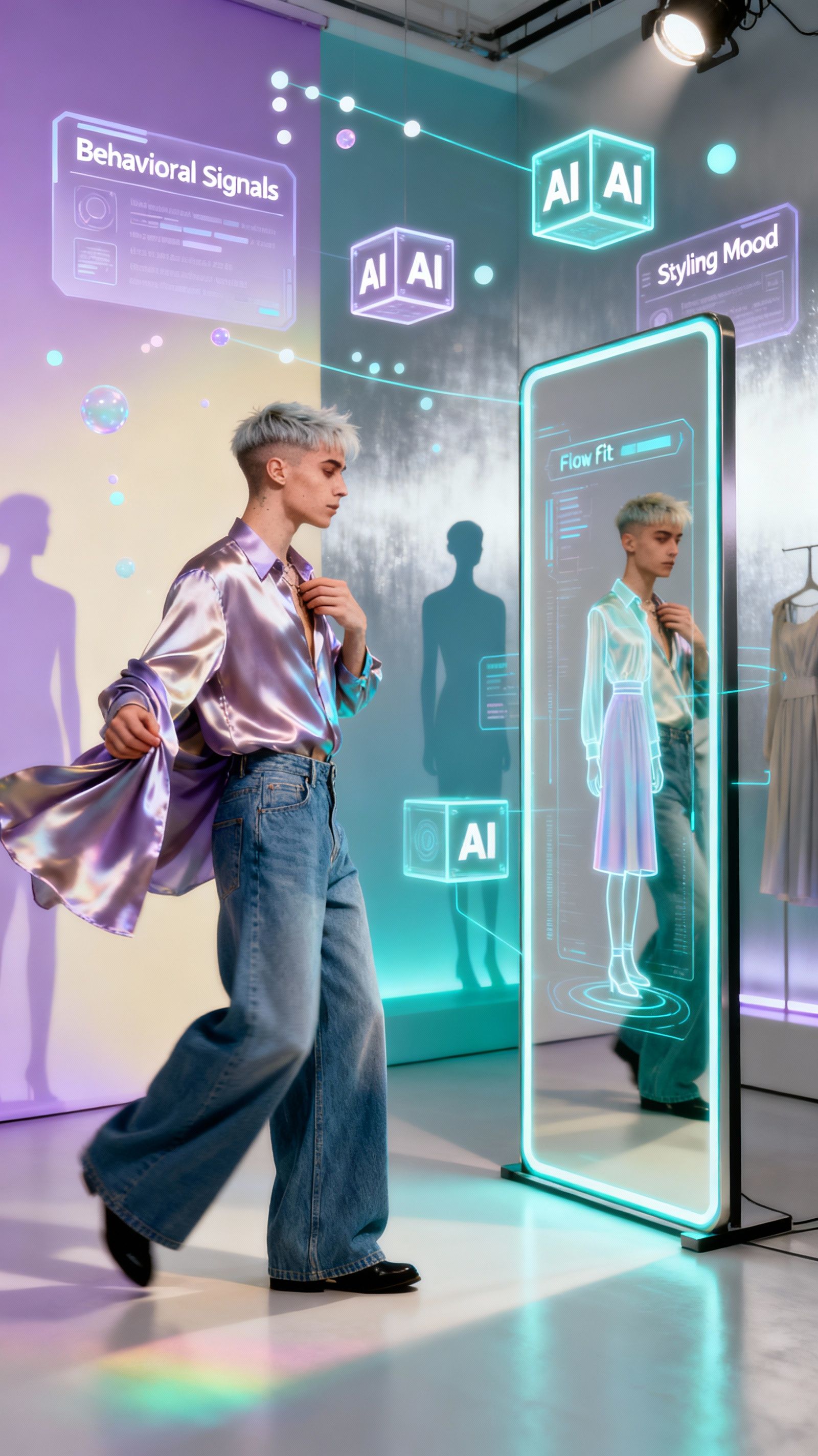
While most retailers doubled down on try-on tools, shopper expectations quietly evolved. And this is exactly where the AR shopping experience needs to evolve — toward intelligence, not just imagery.
According to a 2024 Shopify survey, 76% of U.S. consumers expect AI-guided suggestions, not just visualization tools, when browsing fashion online.
Try-on ≠ discovery anymore.
Shoppers want a system that:
- understands their style direction
- learns from past decisions
- adapts to their mood
- predicts what they’ll prefer next
This is why Glance focuses on behavioral intelligence, not avatars. It reads micro-behaviors such as:
Micro-Signal | What It Reveals |
Dwell time | Emotional pull or hesitation |
Scroll rhythm | Browsing purpose and attention level |
Time of day | Contextual mood shifts |
Return visits | Hidden emerging preferences |
Visual sequences | The aesthetics you're building subconsciously |
These signals unlock something AR cannot:
intent.
AR shows you an item.
Glance shows you the right item.
When AI Personalization Makes AR Feel Smarter
The AR shopping experience becomes far more meaningful when paired with intelligence. Visualization alone is static — but when AI predicts what you’re likely to love, AR becomes a supporting tool rather than the main attraction.
Glance achieves this through:
- real-time understanding of individual browsing behavior
- adaptive content surfacing
- its AI Twin that evolves with every interaction
- contextual styling tuned to your moment
This approach transforms product discovery from random to relevant, from overwhelming to intuitive.
This is also where we naturally introduce AI fashion personalization, which Glance achieves not through try-ons but through behavior-driven intelligence.
For shoppers who want to explore the difference between machine reasoning and human intuition, see our deep dive on the difference between AI and human intelligence:
The Role of Virtual Try-On in a Smarter Shopping Future
Virtual try-on isn’t obsolete — it’s just no longer the star of the show.
Instead, it becomes a step within a larger, intelligent discovery flow.
The next era looks like this:
- AI trend or taste prediction → which items to consider
- Behavioral intelligence → what fits the user’s moment
- Virtual try-on (optional) → visualize the final selection
This flow mirrors what U.S. shoppers want:
speed → clarity → confidence.
Virtual try-on becomes most helpful when it follows intelligent filtering — not when it replaces it.
This is why Glance doesn’t lead with AR; AR is simply one optional layer in a broader ecosystem of real-time personalization.
What Gen Z Really Wants From AR Shopping
Gen Z loves tech — but they don’t love tech for tech’s sake.
According to Salesforce’s Connected Shoppers Report, over half of Gen Z are already using AI for product discovery, showing they favor practical tools that help them find things fast rather than gimmicky effects.
This group doesn’t care about a perfect virtual reflection.
They care about:
- speed
- emotional resonance
- mood-matched styling
- personalization without effort
- suggestions that feel fresh, not forced
This is also why ai powered search is becoming a central U.S. retail trend. Gen Z wants answers, not endless filters.
Glance meets this expectation by eliminating the need for manual searching altogether — surfacing what matters in the moment, automatically.
The AR Shopping Experience Meets Behavioral AI
When AR and behavioral intelligence combine, shoppers finally get what they've always wanted: certainty.
The AR shopping experience becomes more than a mirror — it becomes a confirmation tool that validates AI-driven recommendations. You don’t just see how something looks; you see why it was suggested.
Glance’s real-time signals make AR feel smarter by aligning visualization with:
- your taste
- your context
- your scroll patterns
- your timing behavior
This blend also sets the stage for the future of adaptive fashion, where recommendations shift dynamically with a user’s evolving lifestyle and aesthetic direction.
To explore the broader commerce shift, see our article on the AI shopping experience.
What’s Next: Beyond Try-On, Toward Understanding
The future belongs to systems that understand rather than simply display. Expect:
- hyper-personalized discovery flows
- real-time mood-based recommendations
- contextual styling across seasons and occasions
- smarter optional AR try-ons fed by AI signals
- AI Twins tracking long-term aesthetic evolution
The next leap in fashion isn’t about looking at yourself in a new way — it’s about being known in a new way.
Conclusion
The AR shopping experience marked an important step in digital retail, but it’s no longer the finish line. U.S. shoppers want guidance, not just visualization. They want intelligence that learns from them, adapts to them, and simplifies the noise of online fashion.
Glance leads this shift by pairing AR-era expectations with something far more meaningful — behavior-driven discovery. This blend makes shopping feel intuitive, not overwhelming, and turns every scroll into a step toward personal style clarity.
FAQs
1. What makes the AR shopping experience useful today?
It helps shoppers visualize items, but its real value emerges when paired with AI systems that filter choices before visualization happens. This creates faster, more confident decision-making.
2. How is AI improving traditional virtual try-on tools?
AI adds context, personalization, and relevance to the items shown in virtual try-on. Instead of trying everything, you try the right things — selected through AI trend and taste prediction.
3. Does Glance offer virtual try-on features?
No. Glance is not a virtual try-on platform. Instead, it provides intelligent discovery using behavioral signals, making the entire shopping journey personalized and intuitive.
4. Why do U.S. shoppers prefer intelligent assistance over AR-only tools?
Because AR alone doesn’t reduce choice overload. AI narrows the field, predicts preferences, and improves clarity — making the shopping process smoother and more satisfying.
5. Is the AR shopping experience still relevant in the future?
Yes, but as a supporting feature. The future belongs to systems that understand behavior and context. AR will continue to complement AI, not replace it.
Download the Glance app now





Your intelligent
shopping agent.







Your intelligent
shopping agent.