

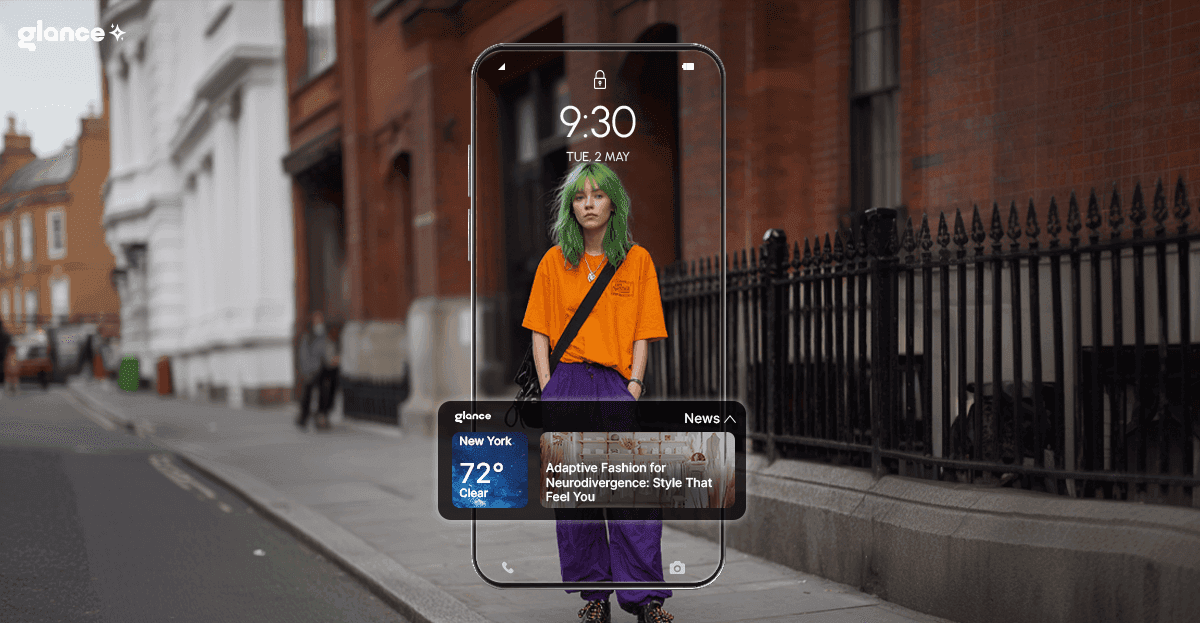
Adaptive Fashion for Neurodivergence: Style That Feel You
TL;DR
Adaptive fashion supports neurodivergent individuals by prioritizing comfort, sensory ease, emotional expression, and autonomy. Many people experience sensory overload while dressing, so thoughtful clothing design matters. When combined with AI mood based outfit planning, choosing what to wear becomes calmer, quicker, and more personalized. This is not a trend, but a meaningful shift toward everyday dignity, inclusion, and confident self presentation.
Fashion often feels like a visual language. It tells the world who you are before you speak. But for many neurodivergent people, clothing goes beyond style. It can calm, overwhelm, comfort, distract, or support daily functioning. That is where adaptive fashion steps in. It understands minds and bodies that process the world differently.
Recent research suggests that an estimated 15 to 20 percent of the global population is neurodivergent. This group includes people with ADHD, autism, dyslexia, dyspraxia, dyscalculia, and related profiles. These numbers highlight a simple truth. Neurodivergence is not rare. It is part of everyday life, classrooms, workplaces, and friendships.
Yet fashion has not always reflected that reality. Clothing has largely focused on trends, aesthetics, and mass appeal. Comfort was optional. Sensory needs were overlooked. Emotional well being was not considered. That is now changing.
What Is Adaptive Fashion?
Adaptive fashion describes clothing intentionally designed for a wide range of physical, cognitive, and sensory needs. It values accessibility, comfort, emotional safety, and personal autonomy. It respects how someone moves, thinks, feels, and regulates sensory input.
Adaptive fashion may offer soft seams, breathable fabrics, tag free designs, magnetic closures, gentle waistbands, weighted textures, or flexible silhouettes. It removes barriers rather than adding new ones. It prioritizes real life rather than runway ideas.
Most importantly, adaptive fashion honors choice. It supports self expression rather than limiting it. It replaces judgment with understanding.
Why Neurodivergence Needs Adaptive Fashion

Neurodivergence shapes how a person experiences the world. Clothing is part of that experience. It can influence mood, focus, energy, and social comfort.
Around 15 to 20 percent of children show signs of neurodiversity in school settings, according to international studies. Many young learners struggle with sensory overload, rough fabrics, tight collars, loud prints, or unpredictable textures. Clothing can become a daily friction point rather than a confidence booster.
The challenges continue into adulthood. A global workplace study projected for 2025 revealed that only about 25 percent of neurodivergent professionals feel included at work. Clothing expectations often contribute. Many workplaces prioritize formal presentation over sensory comfort. As a result, talented people lose energy trying to tolerate their outfits instead of focusing on their strengths.
Adaptive fashion acknowledges these realities. It accepts that sensory comfort is not a luxury. It is a basic need, similar to sleep, nutrition, and safety.
How Neurodivergent Brains Experience Clothing
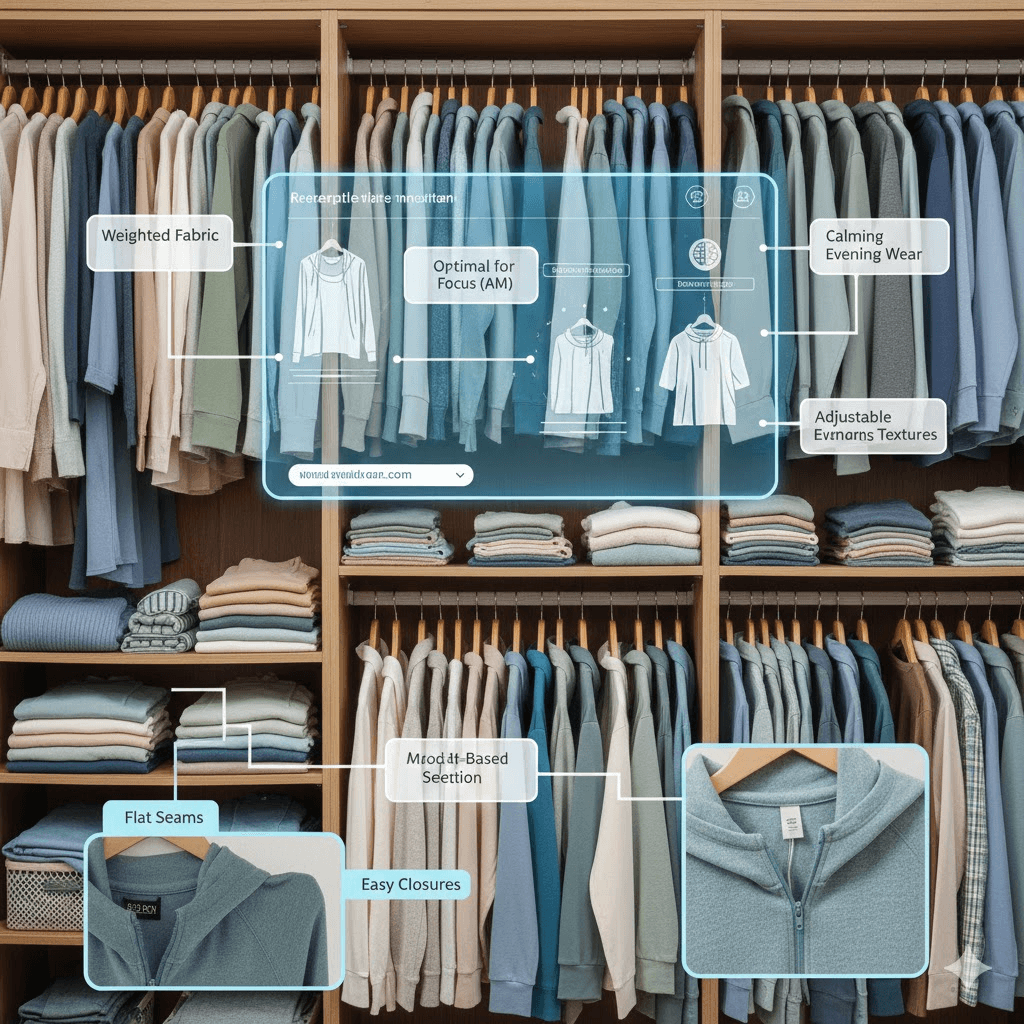
Most people select clothing based on weather, schedule, or trends. Neurodivergent people may consider additional questions.
Will this fabric scratch my skin? Will this color overstimulate me? Will this waistband feel distracting after two hours? Will this outfit help me stay grounded? Will this texture make me anxious in a crowded space?
These concerns are real and valid. Clothing can trigger sensory overload, headaches, anxiety, or restlessness. On the other hand, adaptive clothing can support calm breathing, emotional focus, and body awareness.
Fashion becomes a tool rather than an obstacle.
How AI Mood Based Outfit Planning Supports Neurodivergent Shoppers
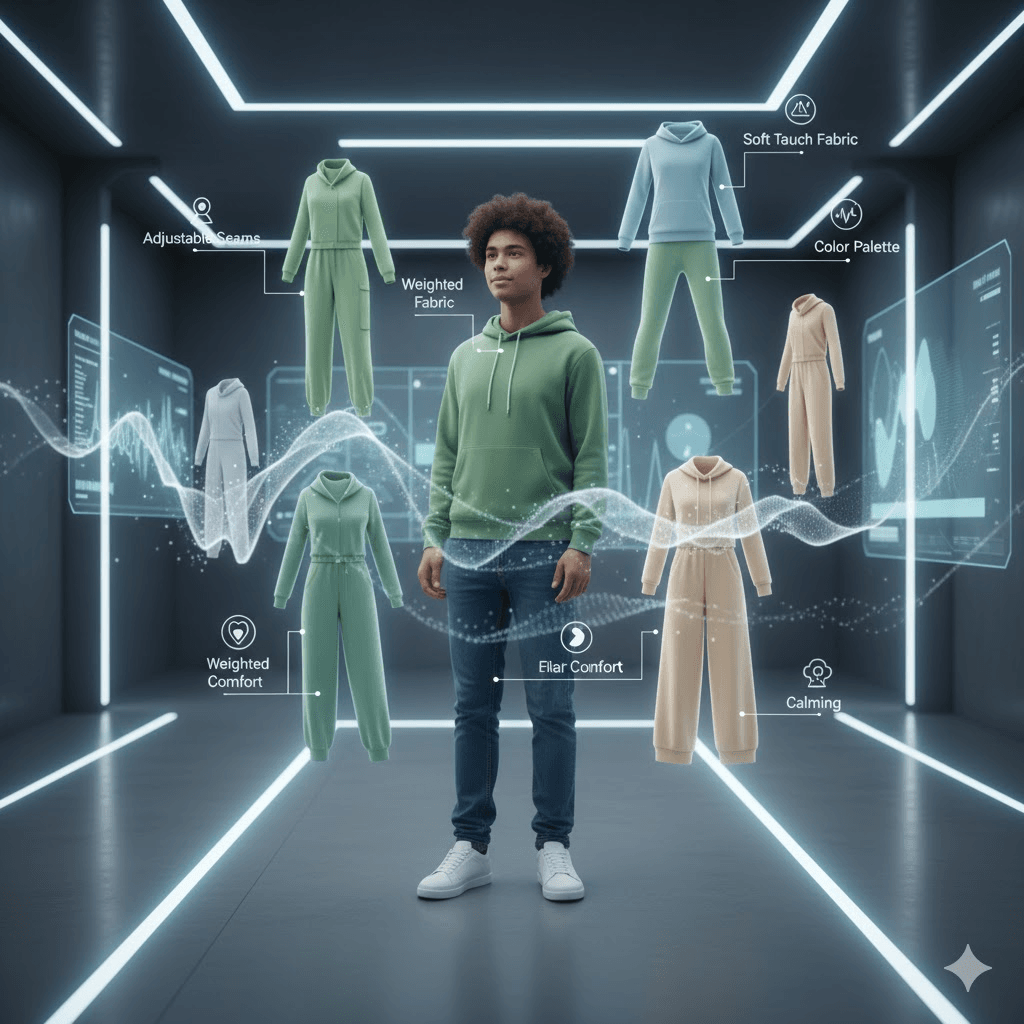
AI mood based outfit planning uses personal preferences, sensory feedback, past choices, and contextual cues to recommend clothing that feels right, not just looks right. It aims to remove decision fatigue and reduce anxiety around dressing.
These tools can identify patterns, such as preferred fabrics, fits, necklines, colors, or sensory safe brands. They can also adjust suggestions based on the user’s mood, schedule, location, or social setting.
Instead of scrolling endlessly, the person receives thoughtful options. The system learns gently, at their pace.
Intelligent shopping agents like Glance are exploring this future by simplifying discovery and reducing overwhelming choices. The goal is not pressure. The goal is comfort, ease, and belonging.
The Growing Impact of Adaptive Fashion For Neurodivergence
Adaptive fashion is no longer a niche idea. It is becoming a meaningful shift in how the fashion world understands neurodivergent needs. As awareness grows, brands, designers, workplaces, and caregivers are beginning to recognize that clothing can support emotional regulation, sensory comfort, confidence, and daily functioning.
Here’s how adaptive fashion is reshaping experiences:
- It reduces sensory overload through softer fabrics and seam-free designs.
- It supports independence with easy closures, magnetic buttons, and pull-on styles.
- It normalizes diverse needs by offering inclusive sizing and adaptive collections.
- It helps workplaces create belonging through thoughtful dress codes.
- It encourages fashion discovery without discomfort or judgment.
This growing momentum signals a future where clothing meets brains, not just bodies.
The Future of Adaptive Fashion and Neurodivergence
The next phase of adaptive fashion will combine design empathy with responsible technology. AI can help scale personalization without losing human nuance. Designers can collaborate directly with neurodivergent communities. Retailers can create calmer shopping spaces and more accessible online experiences.
The goal is not specialized clothing hidden in a corner. The goal is mainstream adoption. Sensory safe fashion should be as normal as pocket placement or size labeling.
Adaptive fashion is not a trend. It is progress.
Conclusion
Clothing has power. It can soothe or stress. It can empower or isolate. For neurodivergent people, that power feels even stronger. Adaptive fashion recognizes this truth and treats it with respect. It supports comfort, safety, dignity, and confidence. It listens to bodies and minds instead of forcing them to adapt.
Fashion finally remembers its purpose. It is meant to serve people, not the other way around.
This conversation is just beginning.
FAQs Related to Adaptive Fashion for Neurodivergence
1. What is adaptive fashion for neurodivergence?
Adaptive fashion refers to clothing intentionally designed to support sensory, cognitive, or motor needs. It prioritizes comfort, flexibility, accessibility, and emotional ease for neurodivergent individuals.
2. Why do many neurodivergent people struggle with traditional clothing?
Traditional clothing may include rough fabrics, tight seams, tags, loud prints, or complex fastenings, which can trigger sensory distress or reduce independence during daily dressing.
3. Does adaptive fashion compromise style or personal expression?
No. Modern adaptive fashion blends aesthetics with function. Many brands now create stylish, on-trend pieces that support sensory comfort and individual identity.
4. How does AI mood-based outfit planning support adaptive fashion?
AI analyzes preferences, sensory sensitivities, textures, moods, and past choices to recommend outfits that feel physically and emotionally suitable, reducing decision fatigue and discomfort.
5. Where can someone start exploring adaptive fashion options?
Begin by identifying sensory triggers, fabric preferences, closures, and fit needs. Then explore adaptive collections, inclusive brands, or AI-powered tools that personalize shopping based on comfort and accessibility.
Download the Glance app now




Your intelligent
shopping agent.







Your intelligent
shopping agent.