

Shoes, Jewelry, Hair, and Makeup: How AI Virtual Try-Ons Work Across Every Category
TL;DR
AI virtual try-ons work differently depending on the category — shoes, jewelry, hair, and makeup each rely on distinct techniques, from skin-tone matching to facial-structure mapping. This guide breaks down what each category can actually do, then walks through how to shop with virtual try-ons in practice, with smarter support like Glance.
Underneath all of these category differences sits the same core technology — AR, computer vision, and AI working together to map your body or face and render a realistic preview.
Different categories of virtual try-on solve different problems. Shoe try-ons focus on proportion and style balance. Jewelry try-ons handle scale and skin-tone matching. Hair try-ons simulate color and cut against your actual face shape. Makeup try-ons map shade accuracy across real facial features. Understanding these differences helps you know what to actually expect from each.
Underneath all of these category differences sits the same core technology — AR, computer vision, and AI working together to map your body or face and render a realistic preview.
What is AI Virtual Try On?

Virtual fitting (or AI virtual try-on) lets you see how a product will look or fit before you buy it — the specific technique varies significantly by category, which the next section breaks down.
The Benefits of AI Virtual Try-Ons
Did you know, 71% of U.S. brands and retailers have invested in AI-enabled content for personalization? (source)
Even more striking, 77% of U.S. brands and retailers that embraced AI-powered content reported an increase in total sales.
These benefits play out differently depending on the category — which is exactly what the next section walks through.
Here’s how it transforms your shopping experience:
Empower Mix & Match Styling:
No more second-guessing. AI Virtual try-ons let you combine different pieces and see how they work together in real time. This means you can experiment with dozens of outfit combinations until you find the perfect look.
Inspire Complete Looks:
Instead of feeling overwhelmed by endless product options, curated virtual wardrobes showcase complete, stylish ensembles. This inspiration helps you make confident decisions and discover new trends.
Boost Confidence Before Buying:
Seeing an accurate digital preview of how an outfit fits your body type removes uncertainty. You know exactly what you’re getting, reducing the risk of returns and boosting overall satisfaction.
Enhanced Personalization:
AI-powered platforms like Glance analyze your style preferences and past purchases, providing recommendations that are uniquely tailored to you. This personalized approach makes your shopping journey smoother and more enjoyable.
Time and Cost Efficiency:
With virtual try-ons, you save time and avoid the hassle of visiting multiple stores. You can shop smarter and faster, with more confidence in your selections.
Sustainable Shopping:
By reducing the likelihood of returns and overproduction, AI virtual try-ons contribute to a more sustainable shopping model. You’re not just choosing style—you’re choosing responsible consumption.
AI Virtual Try-On: What You Can Try Before You Buy
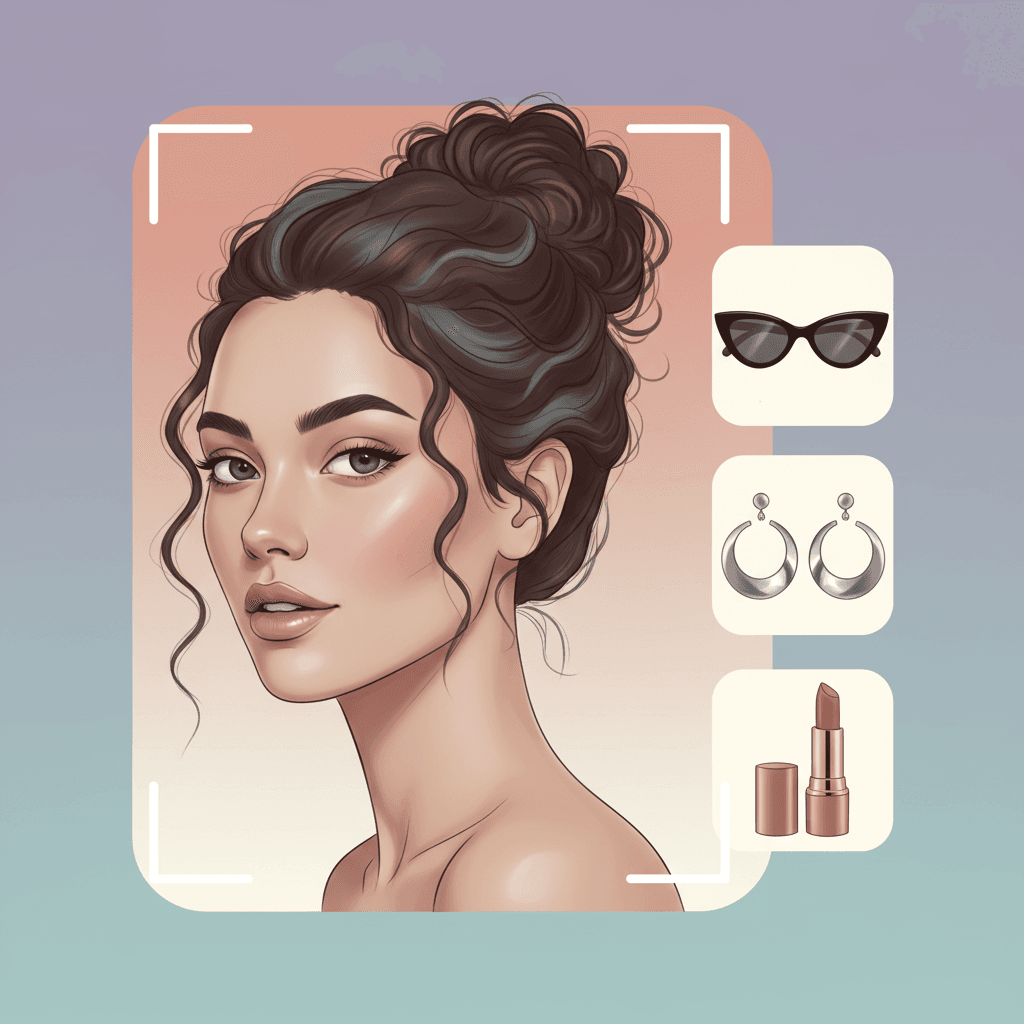
AI-powered virtual try-on technology helps shoppers see how products look and work in real-life situations before buying, reducing uncertainty and improving confidence across multiple shopping categories. Instead of imagining outcomes, users preview realistic visual results—making online decisions easier and more reliable.
Here’s how virtual try-ons work across key categories, with practical examples:
Shoes: Visual Fit and Style Balance
Virtual shoe try-ons allow shoppers to preview how footwear looks on their feet in real time.
Instead of guessing size or style suitability, users can:
- Compare sneakers, boots, or heels side by side
- See how footwear balances with leg proportions
- Evaluate color contrast with outfits
Example: A shopper choosing between white sneakers and tan loafers can instantly see which option better complements casual jeans versus tailored trousers—reducing returns caused by poor styling fit rather than size alone.
Jewelry: Scale, Placement, and Skin Tone Matching
Virtual try-ons help shoppers understand how jewelry interacts with facial features, hand shape, and skin tone.
Users can:
- See realistic placement of rings, earrings, or necklaces
- Check scale (too bold vs too subtle)
- Preview how metals or stones look under different lighting
Example: Someone deciding between gold and silver earrings can visually confirm which metal complements their skin tone better—something product photos alone can’t show accurately.
Pandora's own AR try-on, live since 2020 via a partnership with Tangiblee, lets shoppers hold their hand up to their phone camera and see rings, bracelets, and charms placed and scaled in real time — no app download required. Cartier, Blue Nile, and Kendra Scott use similar approaches for rings, necklaces, and earrings.
Hair: Style and Color Preview Before Commitment
Virtual hair try-ons simulate hairstyles and colors based on facial structure and proportions.
This allows users to:
- Test short vs long styles
- Preview color changes without salon risk
- Understand how cuts frame the face
Example: A user considering a fringe or balayage color can preview how it affects face shape and contrast, helping avoid costly or regretted salon decisions.
L'Oréal Professionnel's Style My Hair app, built with the AR company Modiface, was the first in professional haircare to offer real-time 3D hair color try-on at scale — trained on over 220,000 facial images to render color changes that track natural movement, not just a static overlay.)
Makeup: Shade Accuracy and Facial Mapping
Makeup virtual try-ons use facial mapping to apply products realistically across features.
They help shoppers:
- Test lipstick shades against skin undertones
- See how eye makeup enhances eye shape
- Experiment with complete looks before buying
Example: Instead of purchasing multiple foundation shades, users can preview which tone blends naturally—reducing returns and product waste.
Clothing: Drape, Proportion, and Outfit Context
Clothing virtual try-ons focus on how garments fall and work together, not just how they look on models.
Shoppers can:
- See how jackets layer over shirts
- Evaluate length, silhouette, and flow
- Preview outfits as complete looks, not single items
These garment visuals are built from scratch — AI renders fabric drape, texture, and silhouette directly from a reference image, without a real photoshoot behind any of it.
Example: A shopper deciding between a cropped jacket and a longer coat can see how each option affects overall proportions—helping them choose what actually suits their body and lifestyle.
Why This Matters for Online Shopping
Across categories, virtual try-ons:
- Reduce guesswork
- Improve purchase confidence
- Lower return rates
- Encourage more intentional buying
Instead of relying on imagination, shoppers rely on visual confirmation, which mirrors how people make decisions in physical stores—bringing that clarity online.
The Gap Between These Categories — and What Closes It
Every example above works well on its own — but each one requires a different app, and most require you to try one category at a time. Pandora's jewelry try-on doesn't know what you're wearing. L’Oréal's hair color preview doesn't know what shoes you picked. That's not a flaw in any single tool — it's just what happens when try-on is split across category-specific apps.
Glance takes a different approach: one selfie generates a complete look — clothing, and the accessories that go with it — together, not as five separate try-ons across five separate apps. You're not hopping between a jewelry app and a hair app and a clothing app to piece together a single outfit; the look arrives already assembled.
How to Shop Using Virtual Try-On Technology (The Smarter Way)
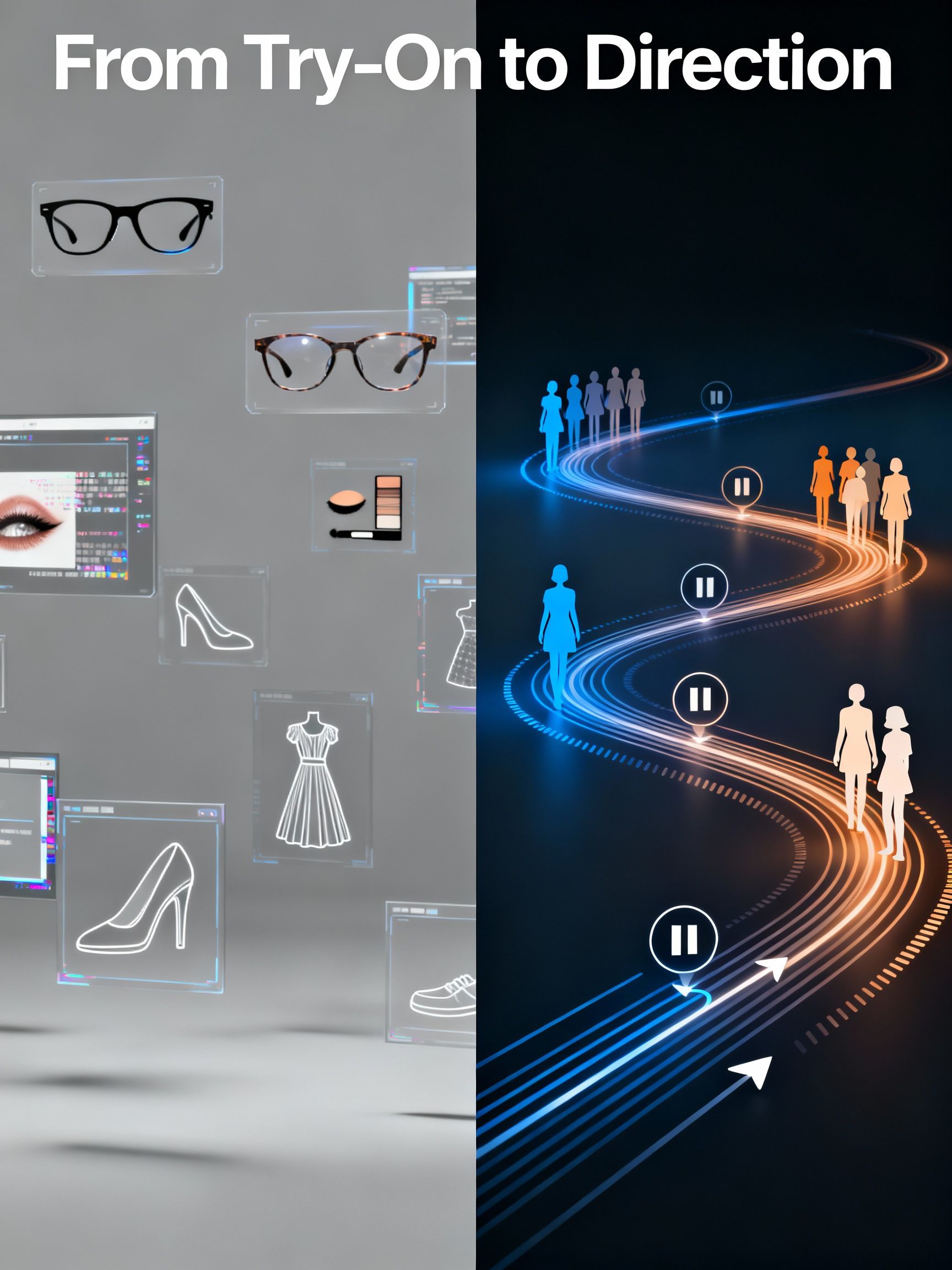
Once you understand how virtual try-ons work, the next question is practical:
How do you actually use them to make better shopping decisions?
The process isn’t about learning a new tool—it’s about changing how you approach shopping.
1. Start With Visual Discovery, Not Product Pages
Instead of browsing endless grids of similar items, virtual try-on shopping begins with seeing complete looks.
You explore outfits as they would appear together—colors, proportions, and styling all in one frame.
This helps you quickly answer:
- Does this suit my style?
- Would I actually wear this together?
2. See How Pieces Work in Real Context
Virtual try-ons allow you to preview how clothing items interact:
- How a jacket balances with trousers
- Whether a color complements your overall look
- How layers work together visually
Rather than imagining outcomes, you see them before buying—which removes hesitation and second-guessing.
3. Narrow Choices With Confidence
Instead of comparing 10 similar options, virtual previews help you eliminate what doesn’t work early.
This turns shopping from:
“What if this looks better?”
into
“This clearly works.”
The result is fewer decisions, made faster, with more confidence.
4. Move From Inspiration to Action
This is where Glance fits naturally into the experience.
Glance supports this moment by helping you:
- Spot combinations that align with your style habits
- Avoid repeating mismatched or unused purchases
- Act on what visually resonates instead of endlessly browsing
You don’t need to “learn” Glance.
You simply glance at what feels right—and shop with clarity.
5. Buy With Less Regret
Because you’ve already seen how items look and work together:
- Returns are less likely
- Purchases feel intentional
- Your wardrobe stays cohesive
Virtual try-on shopping isn’t about novelty—it’s about making fewer, better decisions.
Why This Approach Works
- It mirrors how people actually choose outfits
- It reduces impulse buying
- It supports sustainable shopping habits
- It replaces guesswork with visual certainty
That’s the real value of virtual try-ons in 2026—not speed, but confidence.
Wrap Up
Different categories, different techniques, same underlying goal: seeing before buying. Whether you're matching jewelry to your skin tone or previewing a full outfit, the right virtual try-on tool for the job makes the difference between guessing and knowing.
FAQs
What's the difference between virtual try-on for clothes versus jewelry, hair, or makeup?
Each category uses a different technique. Clothing try-ons focus on drape and proportion. Jewelry try-ons handle scale and skin-tone matching. Hair try-ons simulate color and cut against your face shape. Makeup try-ons map shade accuracy across facial features. Apps like Warby Parker and Ray-Ban specialize specifically in eyewear fit; Sephora and MAC focus on shade-accurate makeup try-on. No single app does all categories equally well.
Do virtual try-on apps reduce returns for every category equally?
No. Returns tied to visual style mismatch (does this color work, does this shape suit me) drop more reliably than returns tied to physical fit and comfort, since no visual preview can replicate fabric feel or how jewelry actually sits on your hand over a full day of wear.
Which virtual try-on categories are most accurate right now?
Eyewear and makeup try-ons tend to be the most visually accurate today, since face-mapping technology is mature and well-tested (Warby Parker, Sephora). Hair color try-ons are improving but still vary in how well they handle unusual lighting. Full-outfit try-ons are accurate for silhouette and color, less so for how fabric will actually move or drape.
Do I need a different app for each category, or is there one that does everything?
Most dedicated try-on apps specialize — Warby Parker for glasses, Sephora and MAC for makeup, ASOS for clothing fit. Glance takes a different approach across categories: instead of separate single-item try-ons, it builds a complete styled look — clothing, and the accessories that go with it — on your actual body, from one selfie.
How does Glance fit into a shopping approach built around trying different categories separately? Glance isn't a category-specific try-on tool — it's an intelligent shopping agent. Rather than testing one shoe, one lipstick shade, or one jacket at a time, it reads your physical features, weather, trends, and occasions to generate a complete, styled look before you search for anything, then lets you shop directly from what you see.
Download the Glance app now




Your intelligent
shopping agent.







Your intelligent
shopping agent.