


Top 7 Buying Trends USA: How Americans Shop in 2026
TL;DR
US consumers in 2026 are abandoning manual search for discovery-first shopping. Driven by AI agents that anticipate needs based on weather and intent, new buying trends USA show that 65% of Americans now use intelligent tools to eliminate decision fatigue, ensuring every "Shop It" moment is a perfect, personalized match.
The Post-Search Era: A New Way to Discover
Have you ever closed your laptop feeling more tired than when you started shopping? We’ve all been there: chasing a specific style through 50 open browser tabs, only to end up with a cart full of "maybe" and a headache. In 2026, Americans are staging a quiet rebellion against the search bar. We are trading manual labor for intuition. Whether it is an AI agent knowing your exact skin tone or a video that lets you buy a look with one tap, the goal is simple “effortless shopping”.
Buying trends USA have officially entered the "Post-Search" era, where 63% of consumers now rely on generative AI and intelligent agents to surface personalized products before they even think to type in a search bar. The primary shift in 2026 is the death of "decision fatigue"; Americans are no longer hunting for fashion through endless tabs, but are instead engaging with proactive discovery systems that turn shopping into a supported, stress-free journey.
The Current Pulse of Buying Trends USA
According to a March 2026 survey by Synchrony, 75% of U.S. consumers are now taking more time to find the best price, but they are using new tools to make it happen. More than half (56%) of Americans used generative AI to help with their shopping during the most recent holiday season. We are no longer just "customers"; we are "assisted shoppers" who expect technology to do the hard work for us.
The Top 7 Buying Trends USA (2026)
To help you navigate this new world, here are the seven biggest shifts happening in American shopping right now:
- Agentic Commerce: AI "scouts" that find clothes for you so you can stop searching.
- Smart Value Hunting: A move toward "cost-per-wear" and high-quality deals.
- Social-to-Shelf: Buying directly from TikTok and Instagram without leaving the app.
- Hyper-Personalization: Using "AI Twins" to match clothes to your skin tone and body.
- The Resale Revolution: Second-hand fashion becoming the first choice for many.
- AR Try-On: Using your phone camera as a "virtual mirror" to see if things fit.
- Contextual Timing: Shopping feeds that change based on your local weather and plans.
1. The Death of the Search Bar (Agentic Commerce)
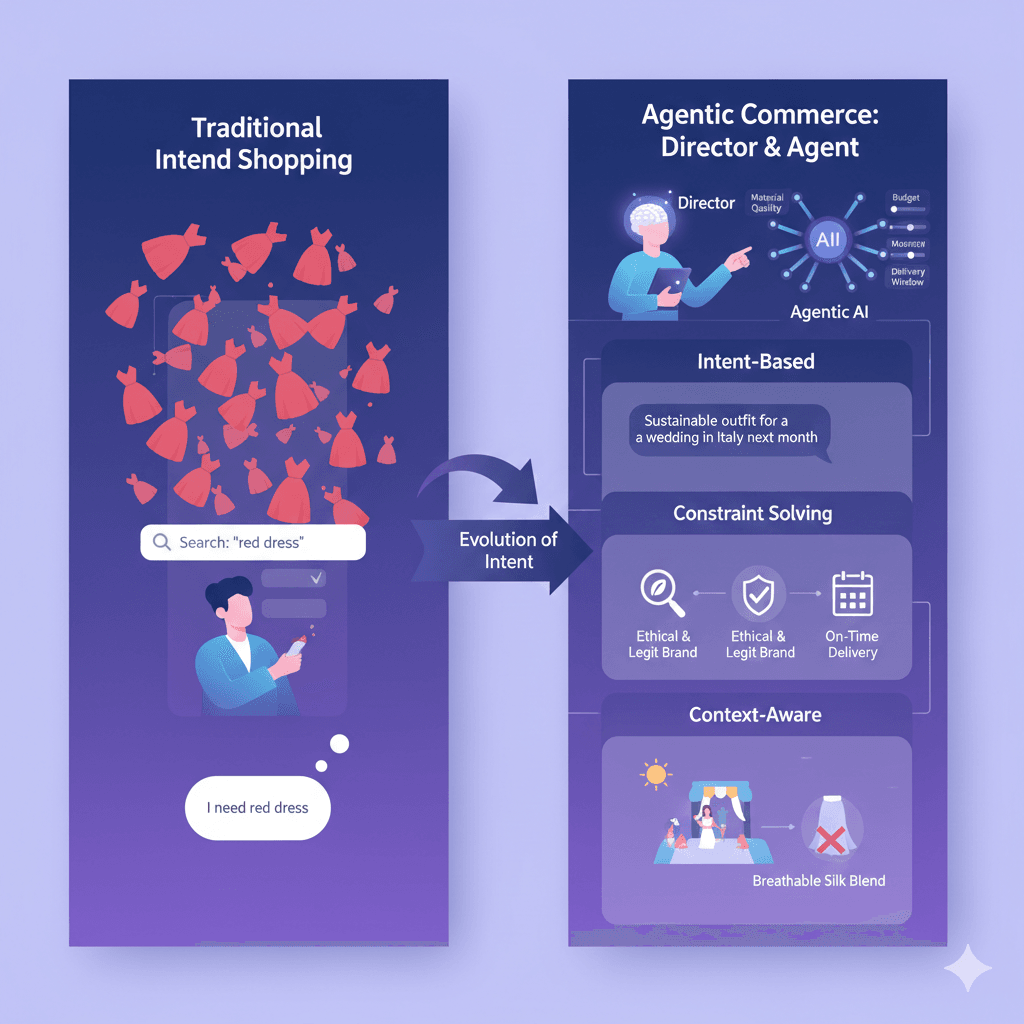
Buying trends USA are moving toward "Agentic Commerce," where intelligent assistants like Glance proactively find products based on your preferences so you don't have to type a single word into a search bar.
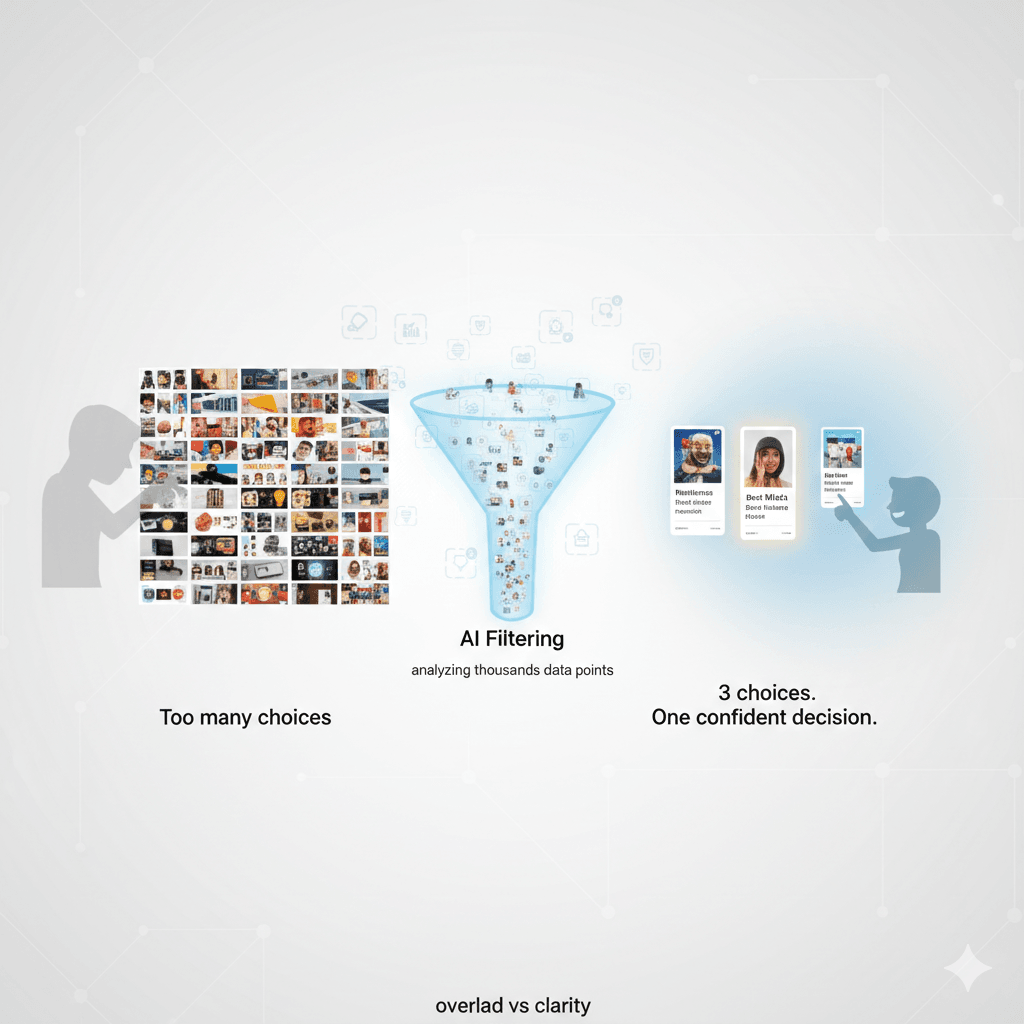
The Pain Point: Many shoppers feel "choice fatigue"—the feeling of being so overwhelmed by thousands of options that you end up buying nothing at all.
The Solution: Instead of you hunting for a "waterproof jacket," an intelligent agent like Glance notices a gap in your closet and shows you the perfect one before you even ask. It acts as a supportive partner that brings clarity to your closet.
Fun Fact: The very first secure online purchase happened in August 1994. It was a CD of the artist Sting, sold for $12.48 plus shipping. Back then, you had to be a tech expert to buy online; today, the tech does the work for you.
2. "Smart Value" over "Cheap Prices"
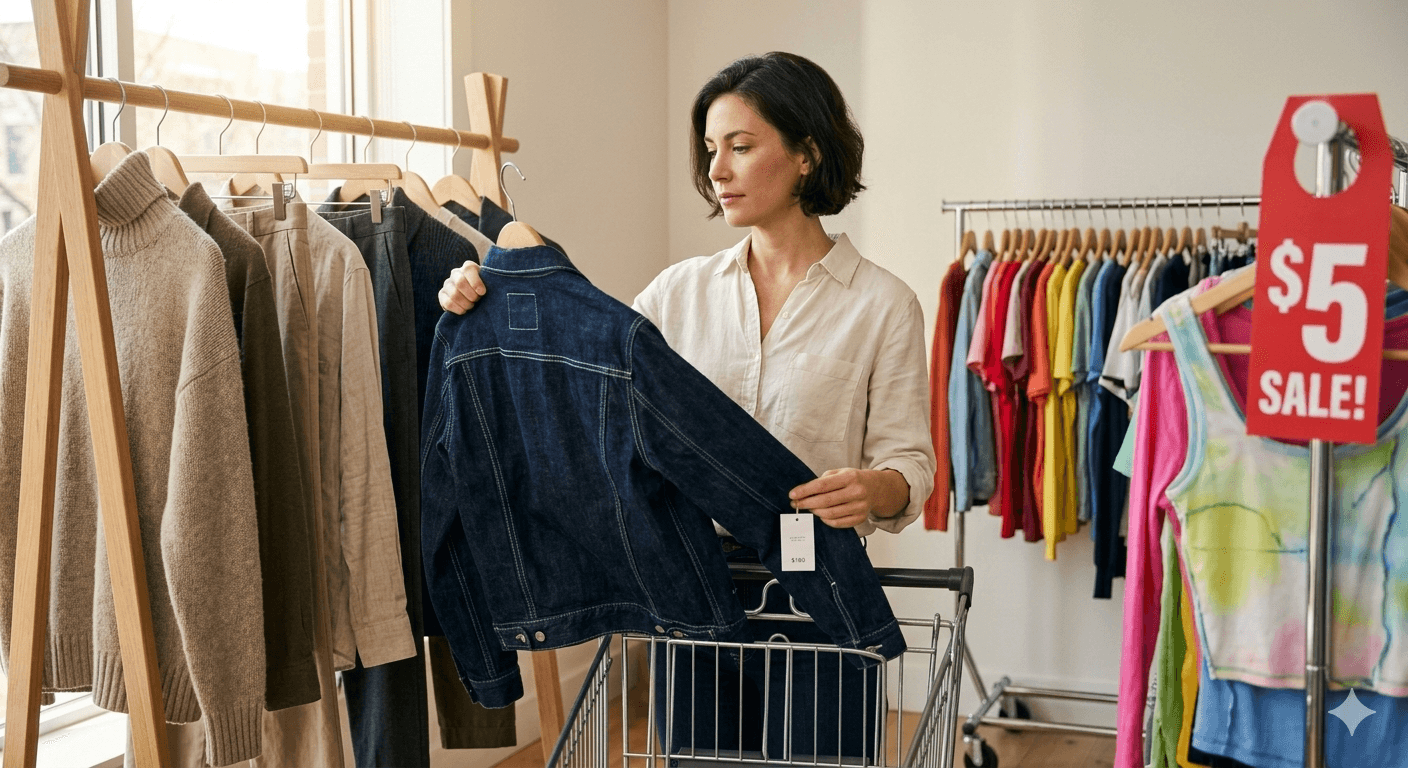
In 2026, American shoppers are prioritizing "Smart Value," focusing on high-quality items that last longer rather than just buying the cheapest fast-fashion options available.
The Pain Point: Inflation has made people careful with money, but they are tired of "disposable" clothes that rip after two washes.
The Solution: Shoppers are using tools like Honey or Rakuten to track prices on high-quality brands. A 2026 Deloitte report found that 47% of global consumers are now "Value Seekers" who will sacrifice convenience to get a better deal on a better product.
Historic Moment: During the Great Depression in the 1930s, flour companies started printing patterns on their fabric sacks because they knew mothers were using them to sew clothes for their children. In 2026, our "smart shopping" is digital, using data to make every dollar count.
3. Social-to-Shelf: Buying at the Speed of Sight
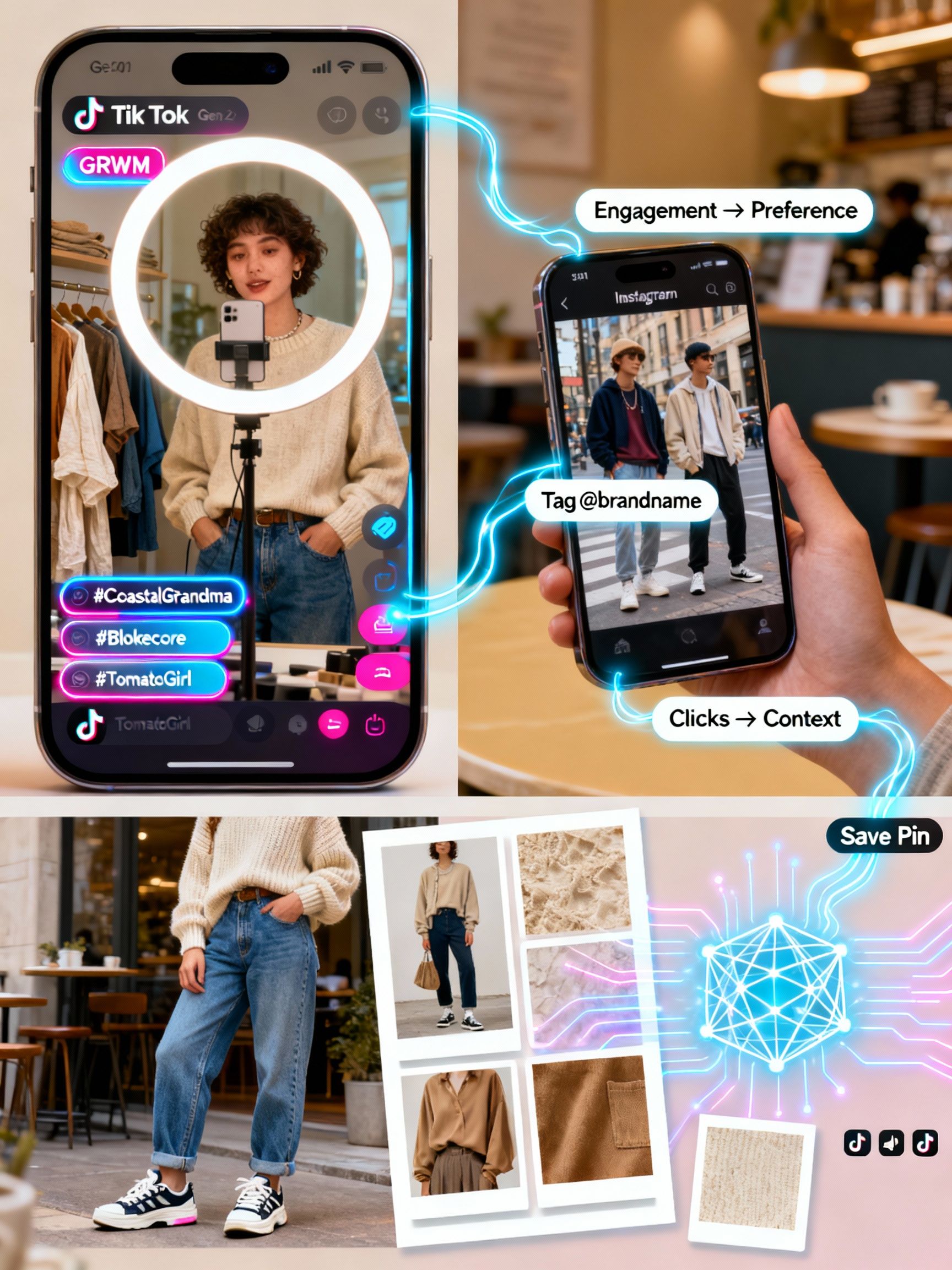
Social media is now the primary place where Americans discover new products, with 70% of Gen Z and Millennials purchasing items directly inside apps like TikTok and Instagram.
The Pain Point: You see a great outfit on a creator you like, but by the time you search for the brand and find the website, the "spark" is gone.
The Solution: Integrated checkouts allow you to "Shop It" instantly. Platforms like TikTok Shop have collapsed the time between "seeing" and "owning" to just a few seconds.
Fun Fact: The term "Window Shopping" became popular in the late 1800s when shopkeepers first used large, expensive plate-glass windows to display their goods. Today, your phone screen is the "window," and you can jump right through it to the checkout.
4. Hyper-Personalization (Your AI Twin)
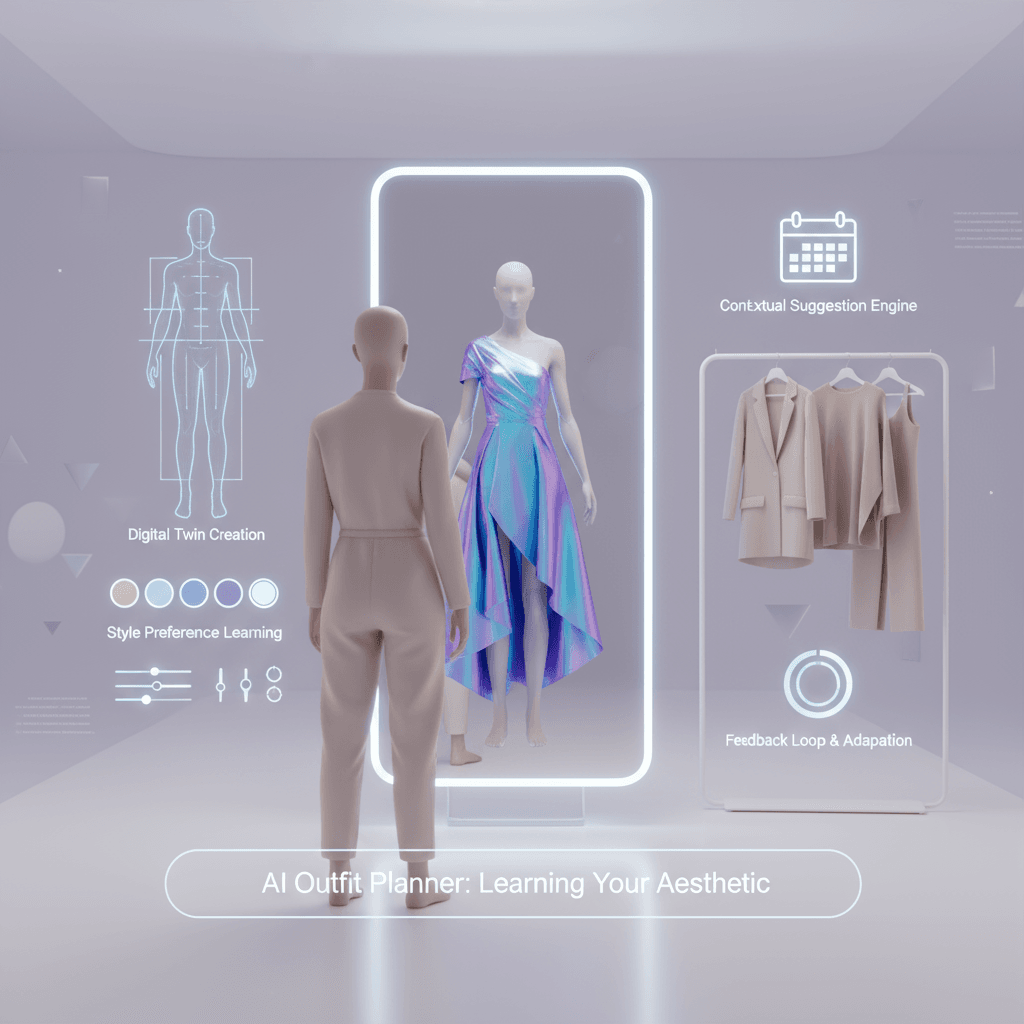
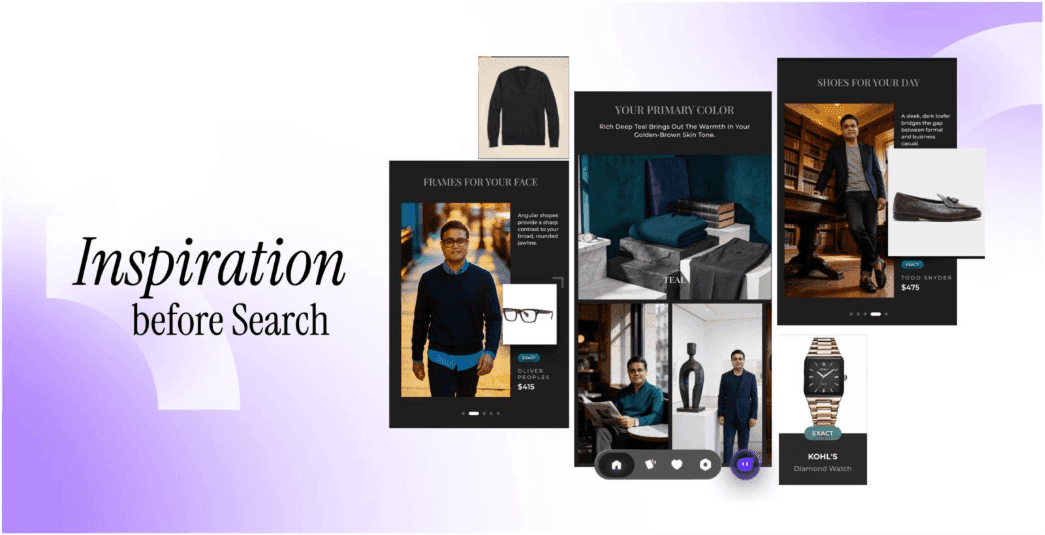
Hyper-personalization has become the standard in 2026, with AI agents analyzing your physical features to ensure that every recommendation is flattering to your specific body and skin tone.
The Pain Point: "It looked amazing on the model, but it looks terrible on me."
The Solution: Glance uses your selfie to create a personalized profile. It doesn't just show you "trending clothes"; it shows you clothes that match your hair color, skin tone, and face shape. This gives you the confidence to shop without the fear of a bad fit.
5. The Resale Revolution (Pre-Loved First)
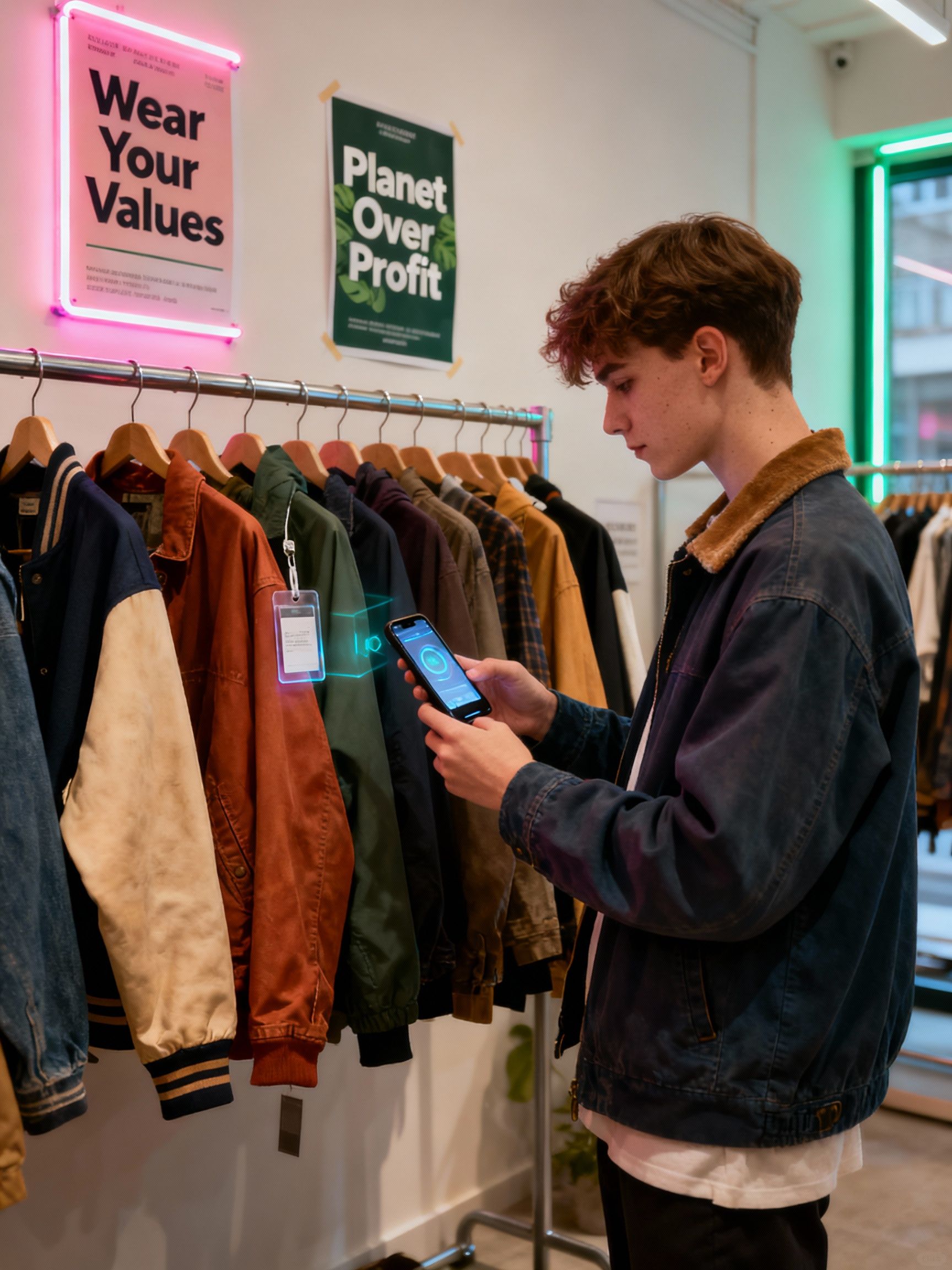
Second-hand and "pre-loved" fashion is growing three times faster than traditional retail, as Americans prioritize sustainability and finding unique, one-of-a-kind pieces.
The Pain Point: Modern shoppers want to look stylish but feel guilty about the environmental impact of "fast fashion."
The Solution: Platforms like Poshmark and Depop are now part of the daily shopping routine. Even big brands are launching their own "Resale" sections to keep clothes out of landfills.
Historic Event: The Salvation Army opened its first "Salvage Brigade" in 1897 to collect and resell used goods to fund its charity work (Source: Salvation Army). What started as a way to help the poor has turned into a $70 billion global industry for everyone.
6. AR Try-On: The Virtual Mirror
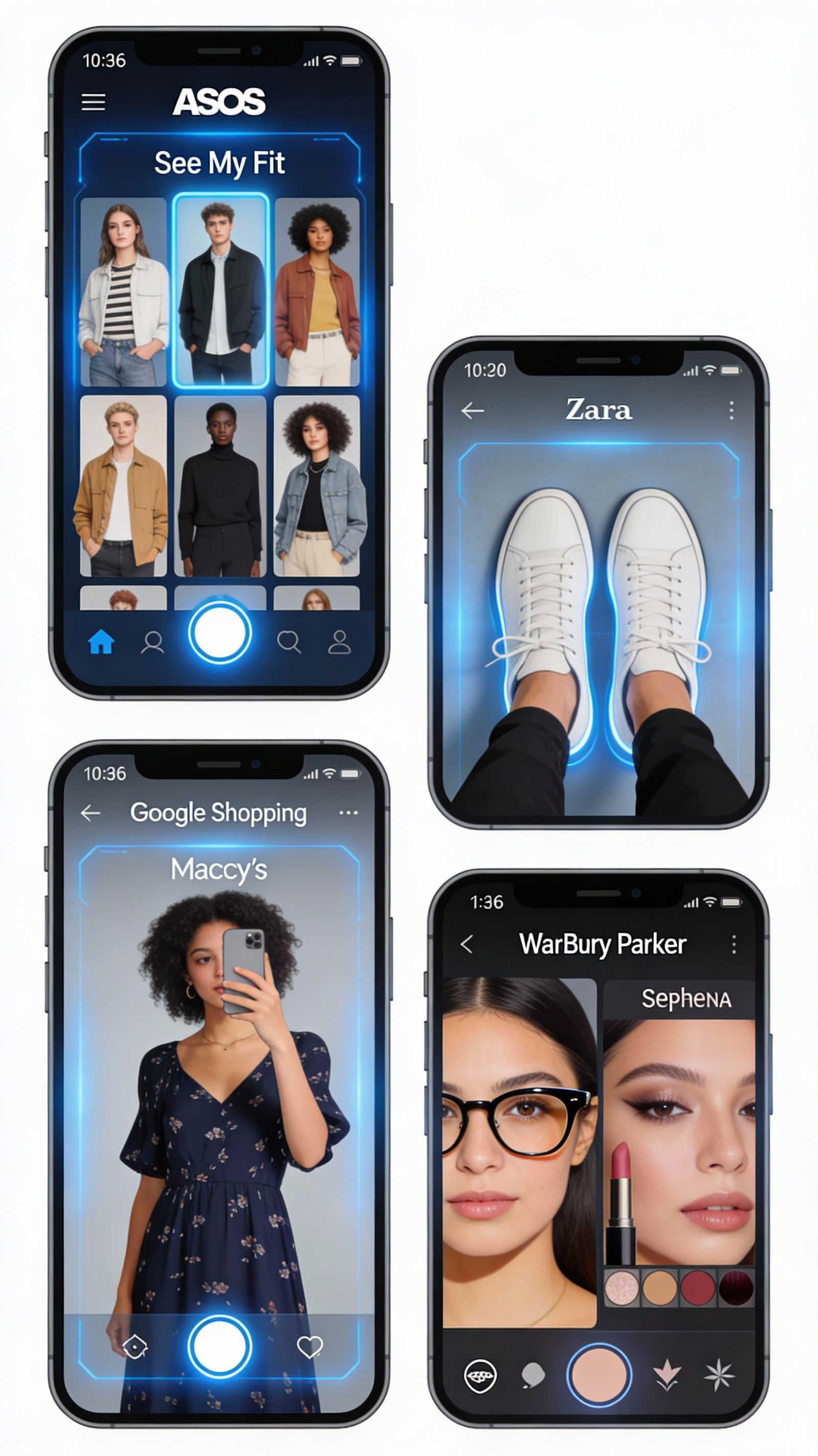
Augmented Reality (AR) is helping Americans solve the "returns problem" by letting them virtually "wear" items through their phone camera before they click buy.
The Pain Point: Returning items that don't fit is a huge waste of time and money. In fact, returns cost U.S. retailers over $800 billion a year.
The Solution: Brands like Amazon and Snapchat use AR filters so you can see how a pair of glasses or a new dress looks on you in real-time. This "try-before-you-buy" tech makes online shopping feel like a trip to the mall.
7. Contextual Timing: Shopping for "Right Now"
Buying decisions in 2026 are heavily influenced by "Contextual Timing," where your shopping feed automatically updates based on your local weather and your personal calendar.
The Pain Point: Getting an email for a "Summer Sale" when it’s 40 degrees and raining outside your window.
The Solution: Rather than relying on static promotions, systems like Glance focus on behavioral signals to surface fashion discovery moments that feel more timely and relevant to the user’s current interests.
In practice, this means the shopping experience evolves with how someone browses and engages over time, helping reduce irrelevant suggestions and making discovery feel less random.
The goal isn’t predicting every detail of someone’s day—it’s making fashion discovery feel closer to what matters right now.
The Bigger Picture: Your Shopping Journey, Then vs. Now
Intuitive Commerce is the thread that connects these seven trends, moving us from a world of "Searching" to a world of "Knowing." In 2026, the wall between "wanting" and "owning" has become paper-thin. Every trend we’ve discussed—from AI Twins to AR mirrors—is designed to solve one specific human problem: the lack of time.
| The Old Way (Pre-2024) | The New Way (2026 Shift) | The "Glance" Result |
| Active Labor: You spent hours typing keywords into search bars. | Passive Discovery: Intelligent agents find products for you based on context. | More Free Time: Less scrolling, more living. |
| Generic Guessing: Models wore the clothes; you hoped they’d fit. | Personalized Proof: AI Twins and AR mirrors show the fit on your body. | Zero Regret: No more "Return Cycles" or bad fits. |
| Reactive Spending: You bought things after seeing an ad or a sale. | Predictive Support: Tools check your weather and calendar before suggesting. | High Utility: You always have exactly what you need for the day. |
| Search-First: Start with a blank box and a blinking cursor. | Glance-First: Start with a curated look tailored to your identity. | Instant Clarity: From "What do I wear?" to "Shop It" in seconds. |
Connecting the Dots
These shifts aren't just about better apps; they represent a fundamental change in our relationship with technology. We are no longer just passive consumers; we are active participants in a shopping ecosystem that is smarter, greener, and more supportive. By automating the "boring" parts of shopping—the research, the price-matching, and the size-guessing—we are left with the only part that actually matters: expressing our personal style.
Conclusion: A Smarter Way to Shop
As we look at the buying trends USA for 2026, one thing is clear: the "work" of shopping is being replaced by the "joy" of discovery. By using intelligent agents like Glance, you can stop wasting time on search bars and start finding pieces that truly fit your life. Whether it’s through an AR mirror or an AI Twin, the future of shopping is all about support, clarity, and making the best decision for you.
FAQs related to buying trends USA
- What are the biggest buying trends in the USA for 2026?
The biggest buying trends USA for 2026 include the rise of AI shopping agents, social media checkouts, and hyper-personalization. Consumers are moving away from manual searching and instead using technology like Glance to find products that match their skin tone, local weather, and specific style needs instantly.
2. How does AI help Americans make buying decisions?
AI helps Americans make buying decisions by acting as an intelligent agent that filters through thousands of products. It reduces "choice fatigue" by only showing items that are relevant to a user’s body type and lifestyle. This proactive discovery approach makes shopping faster and more accurate for the average consumer.
3. Why is social commerce so popular in 2026?
Social commerce is popular because it allows users to buy products directly from the videos and photos they are already enjoying. Instead of leaving an app to search for a product, shoppers can use "one-click" checkouts, making the transition from discovery to purchase completely seamless and stress-free.
4. What is the "Resale Revolution" in fashion?
The Resale Revolution is a trend where Americans choose second-hand or "pre-loved" clothes over brand-new ones. Driven by a desire for sustainability and better value, platforms like Poshmark and Depop have made it easy to find high-quality, unique fashion items that are better for the planet and the wallet.
5. How does AR technology reduce online returns?
AR technology reduces returns by letting shoppers "try on" clothes and accessories virtually through their phone camera. By seeing how an item fits their face or body before buying it, consumers feel more confident in their purchase, which significantly lowers the chance of them needing to send the product back.
Download the Glance app now




Your intelligent
shopping agent.







Your intelligent
shopping agent.