

AI in eCommerce for Fashion Influencers: An Essential Revamp
TL;DR
AI in eCommerce is transforming fashion influencing. From AI twins and virtual try-ons to data-driven content personalization, influencers can save time, increase engagement, optimize brand collaborations, and predict trends. Platforms like Glance empower creators to experiment with styles, engage fans interactively, and enhance monetization, making AI an essential tool for modern fashion influencers seeking efficiency, authenticity, and impact.
The landscape of fashion influence has evolved dramatically. The celebrity of yesterday—red carpets, cinema, and serials—has expanded into YouTube, Instagram, and TikTok. Today, fashion influencers are not just creators; they are trendsetters, micro-businesses, and the bridge between brands and consumers. With AI entering the e-commerce landscape, influencers now have tools to enhance creativity, engagement, and revenue like never before.
The global e-commerce space is evolving fast, and fashion influencers are at the forefront of this revolution. AI technologies empower them to showcase outfits, engage audiences, and collaborate with brands in ways previously unimaginable. Let’s explore how AI in eCommerce for fashion influencers is transforming the industry.
Understanding Fashion Influencers and Their Platforms
Fashion influencers are now among the most tapped resources for trendsetting and brand collaborations. Here’s a snapshot of the current ecosystem:
- Instagram dominates reach: It hosts top influencers’ accounts, with 75.9% of the top 1,000 fashion creators classified as nano-influencers, catering to niche, highly engaged audiences.
- TikTok leads engagement: Fashion creators on TikTok enjoy an average engagement rate of 2.26%, far exceeding YouTube’s 0.97%. This makes short-form, interactive content an ideal space for testing new styles.
- Influencer categories: Nano, micro, macro, and mega influencers each have unique strengths—niche authenticity, broad reach, or high visibility.
- Engagement benchmarks: Fashion influencers average 1.53% engagement, with nano-influencers leading at 2.19%. TikTok drives the highest interaction, while Instagram hosts the largest audiences for top creators.
How AI in eCommerce Transforms Fashion Influencing
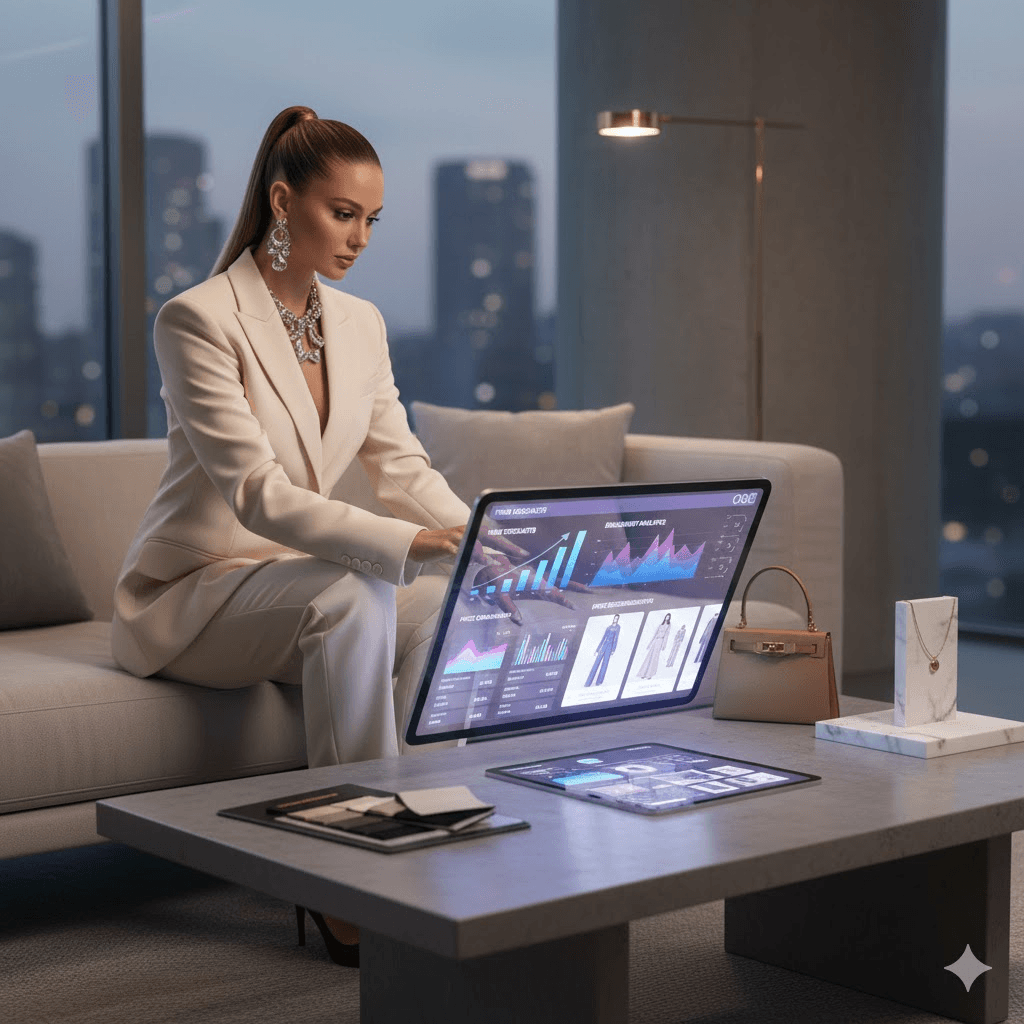
Artificial intelligence is no longer just a backend tool for retailers. AI in ecommerce for fashion influencers offers tangible benefits that impact every stage of their content and collaboration workflow:
1. Virtual Try-Ons and AI Twins
AI in ecommerce for fashion influencers showcases outfits without physically wearing them. Using AI twins or virtual avatars, creators can:
- Experiment with multiple clothing styles in seconds.
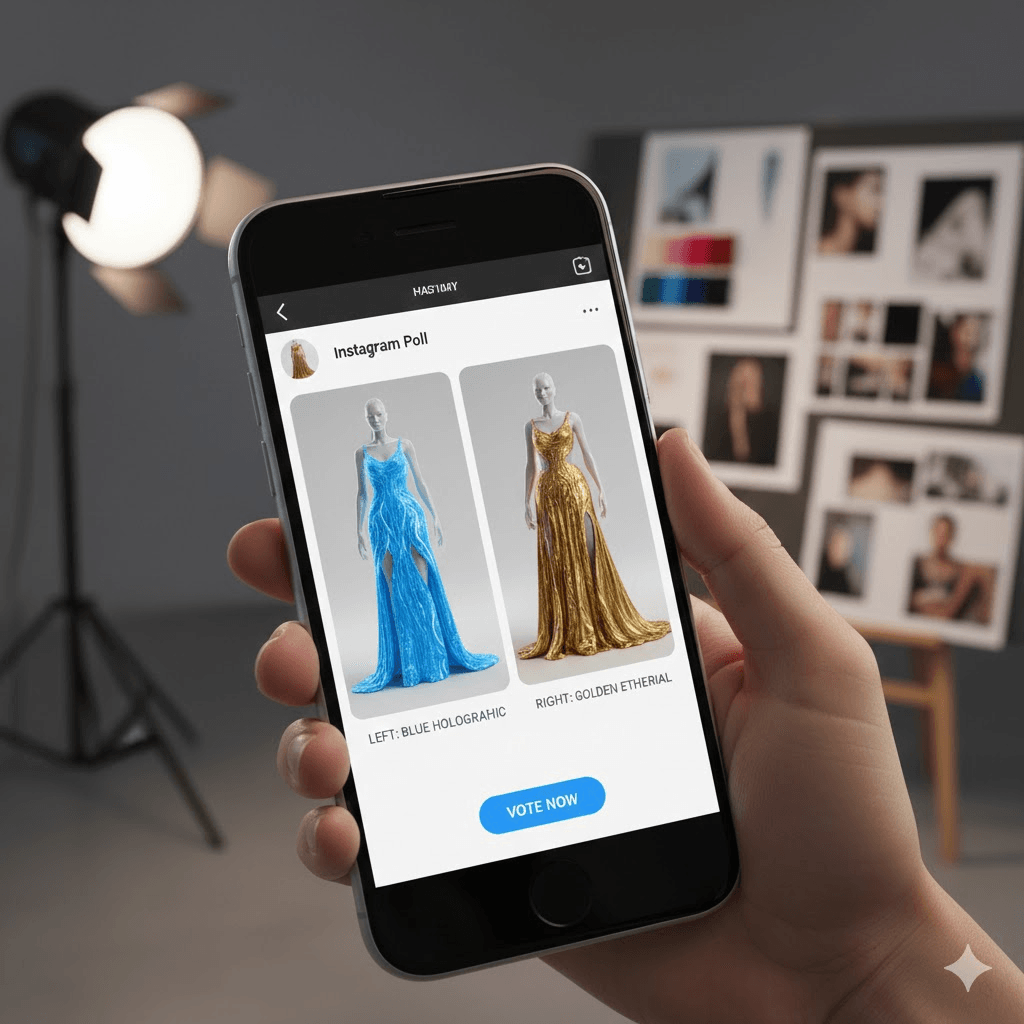
- Engage followers with interactive polls or quizzes asking which outfit to feature.
- Reduce time spent on physical try-ons, making content creation faster and more dynamic.
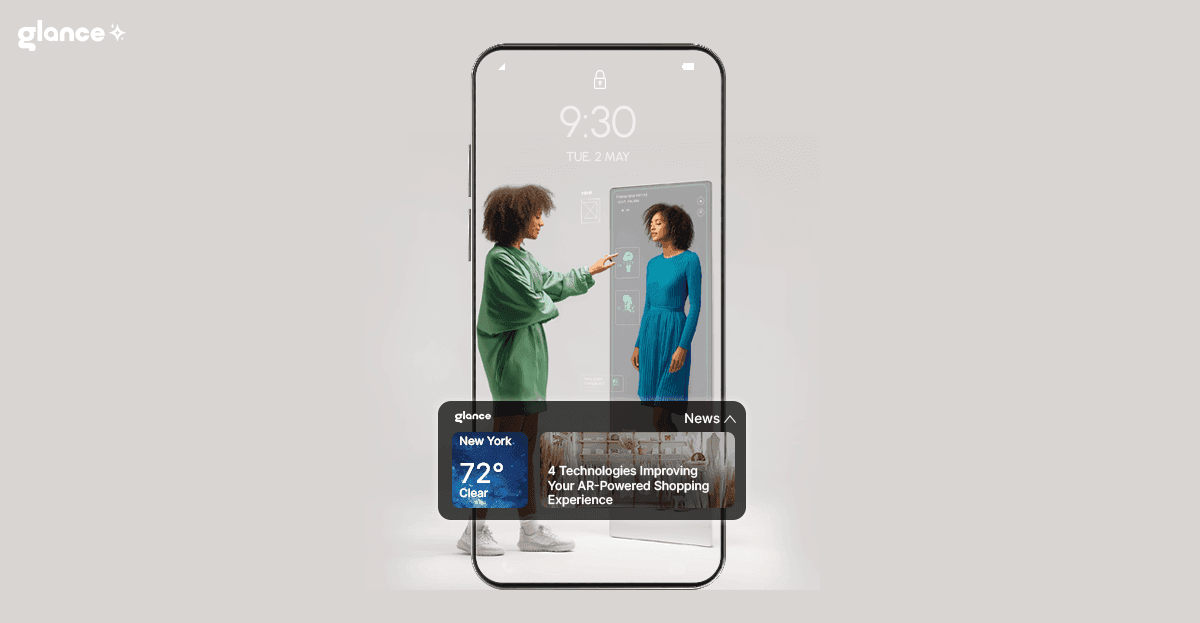
For example, platforms like Glance, the AI shopping agent, allow influencers to try virtual outfits and share them online, turning fashion content into an interactive, gamified experience.
2. Smarter Product Comparisons
AI in ecommerce for fashion influencers empowers to make informed recommendations:
- Compare prices across multiple eCommerce platforms instantly.
- Analyze product reviews and ratings to ensure high-quality promotion.
- Identify sustainable or trending options aligned with their audience preferences.
This enables creators to maintain credibility while boosting engagement and conversions, enhancing both their reputation and partnership value.
3. Optimized Paid Collaborations
AI enhances collaborations with fashion brands in multiple ways:
- Predicts which products or collections will resonate with an influencer’s audience.
- Offers insights on best posting times and content formats for maximum reach.
- Suggests strategic partnership opportunities based on past performance and trends.
Influencers can therefore negotiate better-paid collaborations, backed by data that demonstrates tangible ROI for brands.
4. Personalized Audience Engagement
AI allows influencers to segment and understand their audience deeply:
- Track interactions and engagement metrics to tailor content.
- Suggest clothing options based on follower demographics and preferences.
- Deliver personalized recommendations that feel like a direct conversation rather than generic marketing.
This leads to higher engagement rates and a loyal, more invested audience.
5. Efficiency in Content Creation
Content is king, but time is limited. AI streamlines creation by:
- Generating realistic visuals of outfits without needing photo shoots for every product.
- Offering automated editing, background replacements, or styling suggestions.
- Enabling rapid testing of multiple aesthetics before publishing.
The result? More consistent content, reduced operational effort, and the ability to focus on creativity rather than repetitive tasks.
Benefits of AI in eCommerce for Fashion Influencers
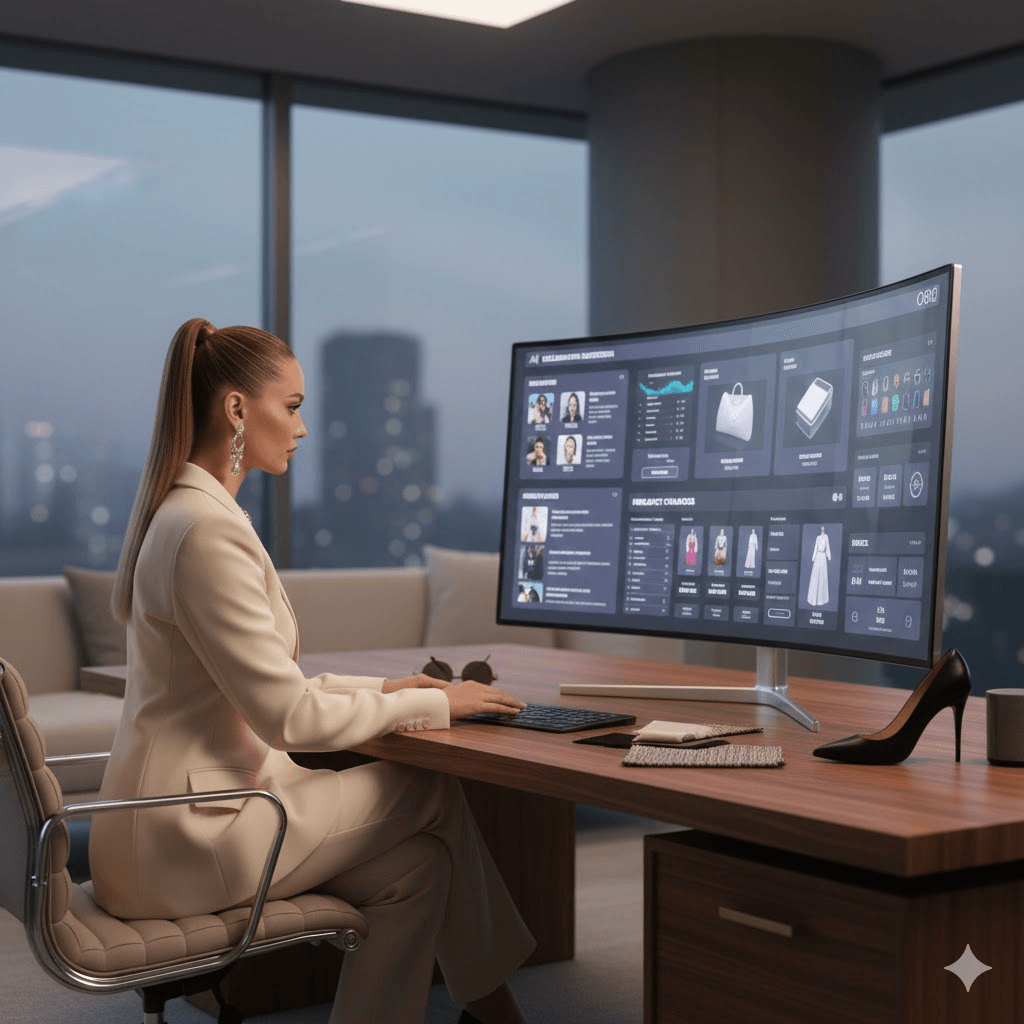
1. Save Time and Enhance Creativity
Virtual try-ons, AI clothing generators, and automated styling suggestions allow influencers to produce more content in less time without compromising quality.
2. Increase Engagement and Interaction
Interactive AI features, such as polls, quizzes, and outfit simulations, foster deeper fan interaction, making content more engaging.
3. Optimize Brand Collaborations
AI helps match influencers with brands and products that align with their audience, boosting collaboration relevance and ROI.
4. Reduce Costs and Inventory Hassles
Virtual outfit testing reduces the need for physical samples or multiple purchases, saving money for both influencers and brands.
5. Enhance Personal Branding
AI in ecommerce for fashion influencers enables micro-personalization for each influencer’s style, maintaining authenticity while appealing to larger audiences.
6. Predict Trends and Audience Preferences
AI tools analyze past performance, emerging trends, and audience behavior to suggest content that is likely to succeed.
7. Foster Inclusivity and Representation
AI can simulate diverse body types, sizes, and styles, helping influencers showcase fashion that resonates with all demographics.
AI in eCommerce for Fashion Influencers: How to Leverage
For influencers looking to maximize the power of AI in e-commerce, here are actionable steps:
1. Explore AI-Powered Virtual Try-On Tools
- Use AI platforms like Glance to create digital outfits and engage audiences.
- Encourage fans to vote or comment on outfit choices for interactive storytelling.
2. Analyze Engagement with AI Analytics
- Leverage AI to monitor content performance, follower behavior, and trend prediction.
- Use insights to refine future content strategy and brand partnerships.
3. Optimize Shopping and Collaboration Decisions
- Compare prices, track ROI, and forecast the success of sponsored content with AI tools.
- Make smarter purchasing and collaboration decisions to boost credibility and revenue.
4. Automate Personalization
- Use AI to recommend outfits, styling tips, or accessories based on follower preferences.
- Offer followers unique shopping experiences, increasing loyalty and influence.
5. Keep Learning and Adapting
- AI is evolving quickly. Stay updated on new tools, features, and e-commerce trends.
- Experiment with AI-generated content to remain innovative and relevant.
Conclusion
The integration of AI in eCommerce for fashion influencers is more than a trend—it’s a revolution. From nano to mega creators, AI empowers influencers to create immersive content, improve engagement, streamline collaborations, and provide personalized shopping experiences. Those who adopt AI early gain a competitive edge, maximizing both creativity and revenue potential.
In the ever-changing world of fashion influencing, AI doesn’t replace the influencer—it amplifies their reach, creativity, and connection with audiences. By embracing AI, fashion influencers can transform the way they work, interact, and grow in a digital-first marketplace.
FAQs Related to AI in ECommerce for Fashion Influencers
1. How can AI help fashion influencers engage their audience?
AI helps influencers engage audiences through virtual try-ons, AI twins, and interactive polls. Fans can vote on outfits, provide feedback, and even co-create content. Influencers gain higher engagement, stronger brand loyalty, and insights for future campaigns. Additionally, AI predicts which content styles resonate best, helping creators consistently deliver what their audience wants.
2. Do influencers need technical skills to use AI tools?
No. Modern AI tools for eCommerce are intuitive, allowing influencers to generate virtual outfits, simulate styles, and analyze engagement with minimal technical expertise. Most platforms provide drag-and-drop interfaces, text-prompt design features, and AI-guided recommendations. This ensures even small or nano-influencers can leverage AI effectively without hiring dedicated tech teams.
3. Can AI improve brand collaborations for influencers?
Yes. AI identifies brands matching an influencer’s audience demographics and engagement patterns. It predicts ROI, optimizes product selection, and even recommends pricing strategies. This increases the likelihood of successful partnerships. Furthermore, influencers can manage multiple collaborations simultaneously, reducing guesswork and saving time while maintaining authenticity and credibility with their followers.
4. Is AI personalization truly effective in fashion influencing?
Absolutely. AI personalization analyzes follower behavior, style preferences, and engagement metrics to deliver content that resonates. Influencers can experiment with new trends, predict audience responses, and reduce content fatigue. Combined with virtual try-ons and AI twins, personalization increases engagement, boosts conversion rates for partnered products, and keeps followers consistently interested in influencer content.
5. How does AI help influencers save time and money?
AI reduces the need for multiple outfit purchases or physical photoshoots by enabling virtual try-ons. Influencers can test styles, colors, and combinations digitally. It also automates analytics, trend predictions, and collaboration suggestions, freeing up time to focus on creative content. Brands save on samples, shipping, and returns, creating a mutually beneficial ecosystem.
Download the Glance app now





Your intelligent
shopping agent.







Your intelligent
shopping agent.