

AI Fashion Powered Styling Tools: No More Guesswork
TL;DR
AI fashion powered styling tools are transforming the US retail landscape by replacing traditional trial-and-error shopping with data-driven precision. By analyzing real-time micro-behaviors—such as dwell time and swipe speed—these intelligent systems provide hyper-relevant recommendations that significantly reduce return rates. This evolution marks the end of "guesswork shopping," offering a seamless, mobile-first experience that prioritizes fit confidence and consumer intent.
The modern shopping experience has long been defined by a frustrating paradox: we have more access to global fashion than any generation in history, yet finding a single pair of jeans that fits perfectly remains a statistical anomaly. This "trial-and-error" loop—ordering three sizes of the same shirt only to return them all—is an expensive habit for consumers, a logistical nightmare for retailers, and a growing burden on the planet.
In 2026, the industry is reaching a turning point. AI fashion powered styling tools are finally providing an exit ramp, replacing the "buy-to-return" cycle with data-driven certainty.
According to the National Retail Federation (NRF), U.S. retailers faced nearly $890 billion in returned goods in 2024, with online apparel hitting a staggering average return rate of 24.4%. These aren't just numbers; they represent "discovery friction." When a system doesn't understand your unique aesthetic or physical proportions, it leaves you guessing. Modern AI tools solve this by shifting from static user profiles to dynamic, real-time behavioral intelligence.
The Problem with Trial-and-Error Fashion Shopping
Online apparel is one of the costliest categories for returns. According to a Coresight Research estimate, the average return rate for online apparel orders was about 24.4% for the 12 months ending March 6, 2023.
And the National Retail Federation projects returns will continue to be huge — retailers estimated that 16.9% of annual sales were returned in 2024, costing U.S. retail nearly $890 billion in returned goods that year.
Returns aren’t just a logistics headache; they’re a symptom. Too many options, poor fit confidence, and limited personalization leave shoppers guessing. That friction makes discovery feel like a chore rather than a pleasure.
The Evolution of Personalization: From Filters to Forensics
The retail landscape has moved past the era of basic category filters. Today, AI fashion powered styling tools leverage advanced neural networks to predict what you’ll love before you even finish your first scroll.
- Predictive Fit Technology: By using computer vision to analyze garment drape and cross-referencing it with historical sizing data across thousands of brands, AI can now suggest the "true fit" for your specific body type. This eliminates "size-bracketing," where shoppers hedge their bets by purchasing multiple units of the same item.
- Contextual Curation: Personalization in 2026 is about more than just style; it’s about life. AI now analyzes external factors—such as your local weather forecast, upcoming calendar events synced via permissions, and hyper-local trending aesthetics—to suggest outfits that are functionally relevant for your day-to-day life.
- Sustainability via Accuracy: High return rates are a major contributor to the fashion industry’s carbon footprint. By ensuring a "first-time-right" purchase, AI reduces the massive energy expenditure associated with reverse logistics, repackaging, and the unfortunate reality of returned goods often ending up in landfills.
How AI fashion powered styling tools work
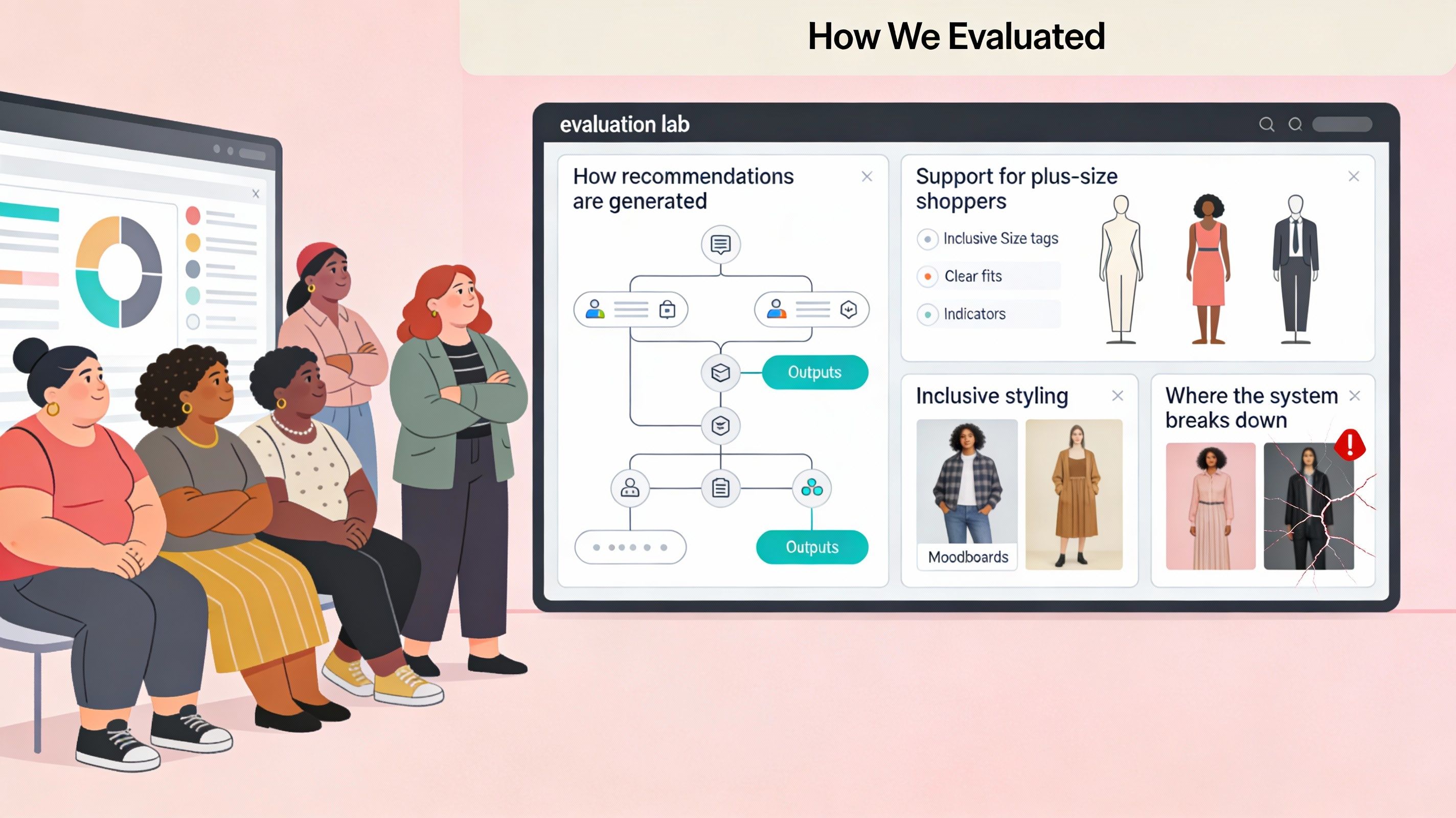
At a high level, these tools function by combining vast datasets with real-time user signals. Instead of relying solely on what you bought three years ago or a static style quiz you took once, modern systems use continuous behavioral intelligence.
By observing micro-behaviors—such as how long you dwell on a specific fabric texture, the speed at which you swipe through a gallery, and the sequence of items you view—the AI infers intent. For example, if you linger on sustainable linen pieces but quickly skip over synthetic fast-fashion items, the system adapts your feed instantly.
According to McKinsey, personalization can drive 5–15% revenue lift for companies that do it well — evidence that smarter matching isn't only nicer for shoppers, it’s business-critical.
Types of AI fashion powered styling tools in use today
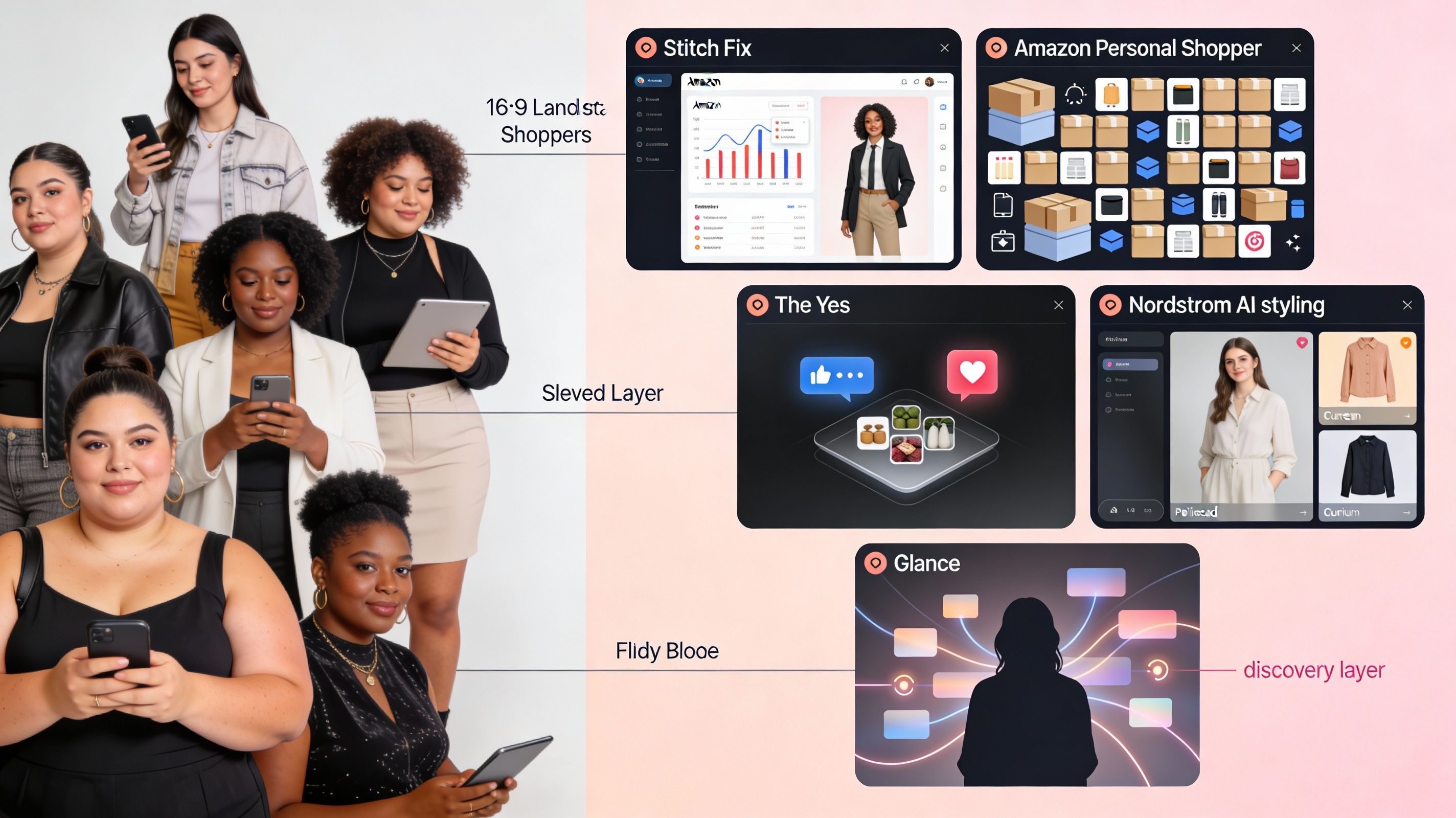
Below are the main classes of styling tools you’ll find in the US market — and the actual services using them.
Rule-based recommendation engines
Basic recommendation systems use past purchases and category affinity. They work well for cross-sells but plateau quickly. Early iterations of many retailer recommendation modules fall here.
Visual and preference-based styling tools
These let shoppers choose looks or upload images and get visually similar recommendations. Examples and services:
- The Yes — app-based personalization built around “yes/no” signals.
- Image-to-item tools such as Amazon StyleSnap (style lookup) are also popular in app experiences.
Personal shopper and subscription styling services
These blend algorithms with human curation:
- Stitch Fix uses machine learning plus stylists to send curated “fixes” and outfit suggestions. Stitch Fix documents how algorithms power item selection and “Shop Your Looks.”
- Amazon Personal Shopper (by Prime Wardrobe) offers curated boxes and stylist recommendations through the Prime app.
- Rent the Runway and similar services use customer data to personalize storefronts and suggested outfits.
Behavior-led intelligent styling systems (next-gen)
This is where real-time adaptation lives: systems that adjust recommendations instantly based on how you interact with the app (fast swipe vs slow read, repeat visits at night, sequence flows). These tools are purpose-built to lower returns and increase confidence by meeting the shopper in the moment.
Where Glance fits in the AI styling landscape
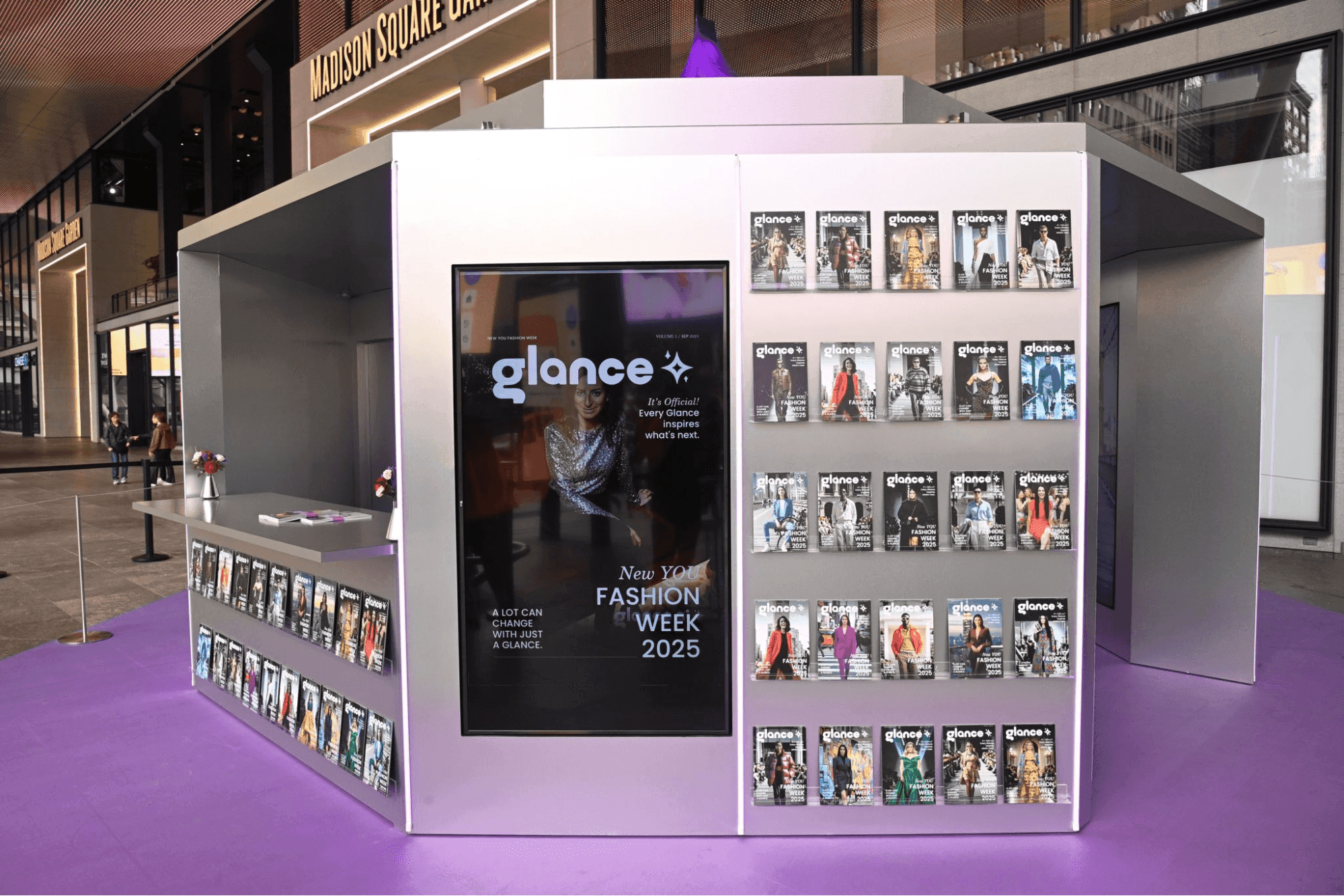
Glance represents the next generation of this evolution. It is positioned not as a store, but as an intelligent shopping agent. The core philosophy follows a simple directive: “Glance It – Shop It.” Glance functions through a concept known as the "AI Twin"—a digital counterpart that evolves alongside your tastes. Unlike static widgets that simply suggest "more of the same," Glance acts as a supportive partner. It interprets real-time commerce signals—like your browsing tempo and device behavior—to surface outfits that resonate with your immediate context. Whether you are looking for a professional wardrobe refresh or a weekend getaway look, Glance stays in the background, enabling decisions without being the "hero" of the experience.
Why US shoppers are trusting AI over guesswork
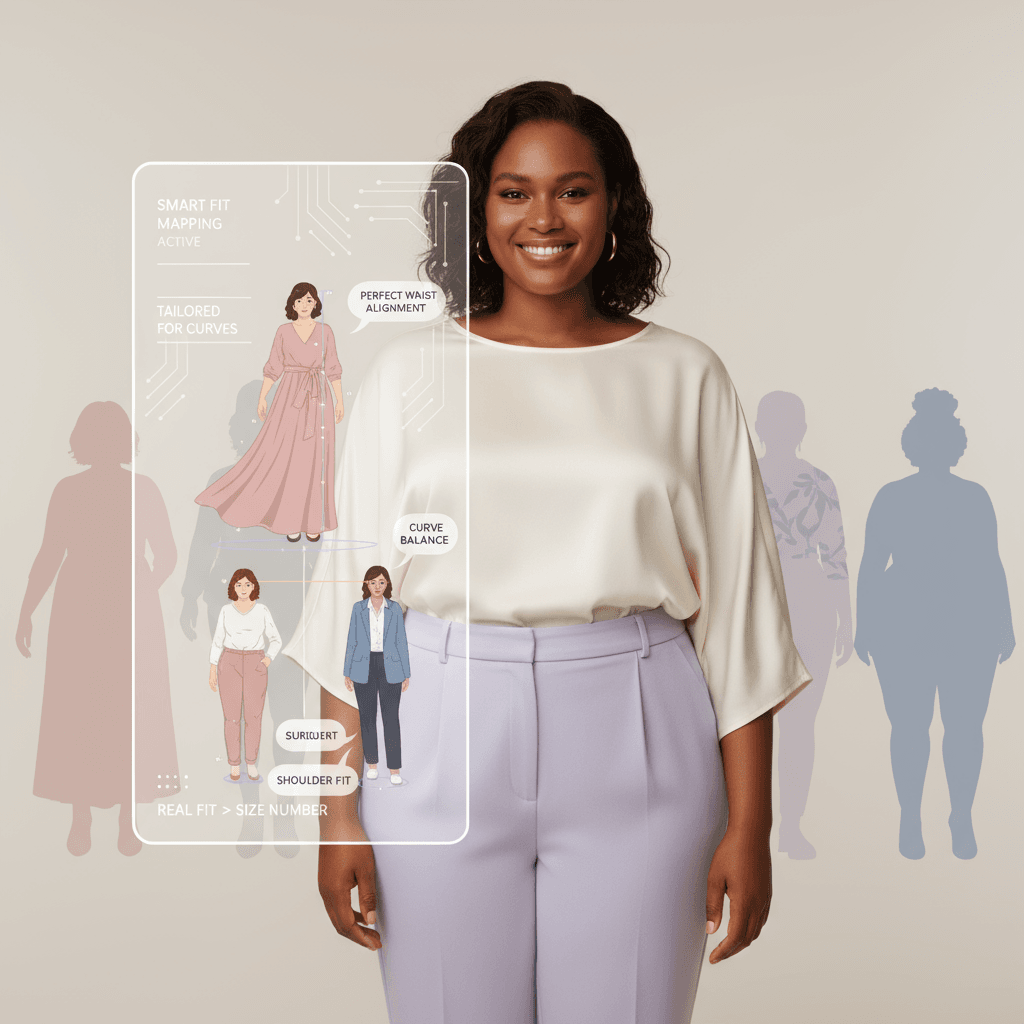
Consumers increasingly expect personalization: McKinsey research shows that a large share of customers want personalized interactions and get frustrated when it doesn’t happen; companies that get personalization right tend to generate faster growth.
Mobility matters, too. Mobile shopping dominates discovery: industry overviews indicate a steady rise in mobile commerce and mobile-first experiences (forecasted majority share of e-commerce by device in 2024–25).
Put simply: shoppers want less time guessing and more time wearing. When AI fashion powered styling tools remove friction — fewer returns, quicker decisions — trust follows.
Benefits of AI fashion powered styling tools
Top benefits (quick list):
- Lower returns — better matching to size/style reduces costly returns (US apparel return rates remain high).
- Faster discovery — personalized feeds and agent-led suggestions shorten shopping sessions.
- Higher conversion — McKinsey shows well-executed personalization often yields 5–15% revenue lift.
- Better long-term loyalty — shoppers who see relevant suggestions return more often.
Quick comparison table
Tool type | Example (US) | Strength | Common outcome |
| Rule-based | Retailer recommender modules | Simple, scalable | Short boosts in clickthrough |
| Visual / preference | The Yes, StyleSnap | Fast visual matches | Improved discovery |
| Personal shopper | Stitch Fix, Amazon Personal Shopper | Human+AI curation | Greater fit confidence |
| Behavior-led (Glance) | Glance | Real-time adaptation | Lower returns, better relevance |
Did you know?!
Did you know the first “department store personal shopper” feels like a 19th-century precursor to today’s AI stylists? Back when a clerk curated looks by hand, shoppers got bespoke service — today, algorithms try to be that clerk, only faster and with far more wardrobe data. Okay, slightly less charming hat-check, but way less awkward small talk.
What this shift means for the future of US fashion
We are moving toward a "search-less" future. While the search bar won't disappear, many purchases will begin with an intelligent suggestion rather than a keyword query. Features like AI wardrobe planners are becoming standard, helping shoppers integrate new purchases with the clothes they already own. This creates a circular fashion ecosystem where every purchase is intentional. The result is a more organized closet, less financial waste, and a shopping experience that feels like it was custom-built for you.
Conclusion
The shift toward AI fashion powered styling tools signals a broader move from mass consumption to precise curation. We are finally leaving behind the era of "good enough" shopping, where returns were a built-in cost of doing business online. In 2026, the success of a digital storefront is no longer measured solely by how many items are added to a cart, but by how many of those items stay in the customer’s closet and become a beloved part of their daily life.
By bridging the gap between digital convenience and the tactile reality of fit and feel, these tools are doing more than just picking out clothes; they are restoring confidence to the consumer. As intelligent agents like Glance continue to refine their ability to read micro-signals and behavioral intent, the friction of "discovery" will continue to dissolve. The ultimate goal isn't just to sell more clothes—it's to ensure that every choice made is one that aligns perfectly with a shopper’s lifestyle, budget, and body. In this new era, the only thing you'll be returning is your focus to the things that actually matter, while your wardrobe takes care of itself.
FAQs
- How do AI fashion powered styling tools reduce waste?
By accurately predicting fit and style via behavioral signals, these tools ensure shoppers only buy what they intend to keep. This significantly lowers the volume of returns, which often end up in landfills, making AI fashion powered styling tools a key driver for sustainable retail - Is my data safe with these AI styling tools?
Leading platforms like Glance are privacy-respectful and focus on on-device behavior (like swipe speed) rather than personal identifiers. Most US-based AI fashion powered styling tools adhere to strict data protection standards to ensure your "Style DNA" remains yours alone.
3. What is the difference between an AI stylist and a recommendation
engine?
A recommendation engine is reactive (showing you more of what you
already bought). An AI fashion powered styling tool is proactive
and adaptive, using real-time context to suggest outfits for "micro-
moments" you haven't even planned for yet.
Download the Glance app now





Your intelligent
shopping agent.







Your intelligent
shopping agent.