


7 Recommerce Trends Influencing Sustainable Fashion
TL;DR
Recommerce is transforming fashion by extending the life of clothing through resale, rental, and reuse instead of one time ownership. Driven by cost awareness, sustainability concerns, and digital marketplaces, more consumers are treating garments as assets rather than disposable purchases. This shift reduces textile waste, improves access to quality apparel, and encourages brands to design for durability and circular use.
Fashion has always loved the idea of newness. New collections. New drops. New seasons. But something quietly transformative is happening beneath that surface. Clothes are not simply moving from store rack to closet anymore. They are moving from closet to marketplace, from resale to reuse, from ownership to circulation.
This shift is what re-commerce represents. And it is no longer niche behavior. It is a structural change in how people buy, value, and extend the life of clothing.
Resale driven fashion markets are expanding rapidly. Industry projections estimate that resale commerce in this region alone could exceed $60 billion in value within the next few years, with consistent annual growth driven by younger buyers and sustainability awareness. At the same time, participation in secondhand fashion among Gen Z and millennials continues to climb, showing that resale is becoming culturally normalized rather than financially motivated alone.
Recommerce is not just about saving money. It is changing how sustainability is practiced in real life.
Let’s unpack what this means and how it is reshaping fashion from the inside out.
What is Recommerce in Fashion?
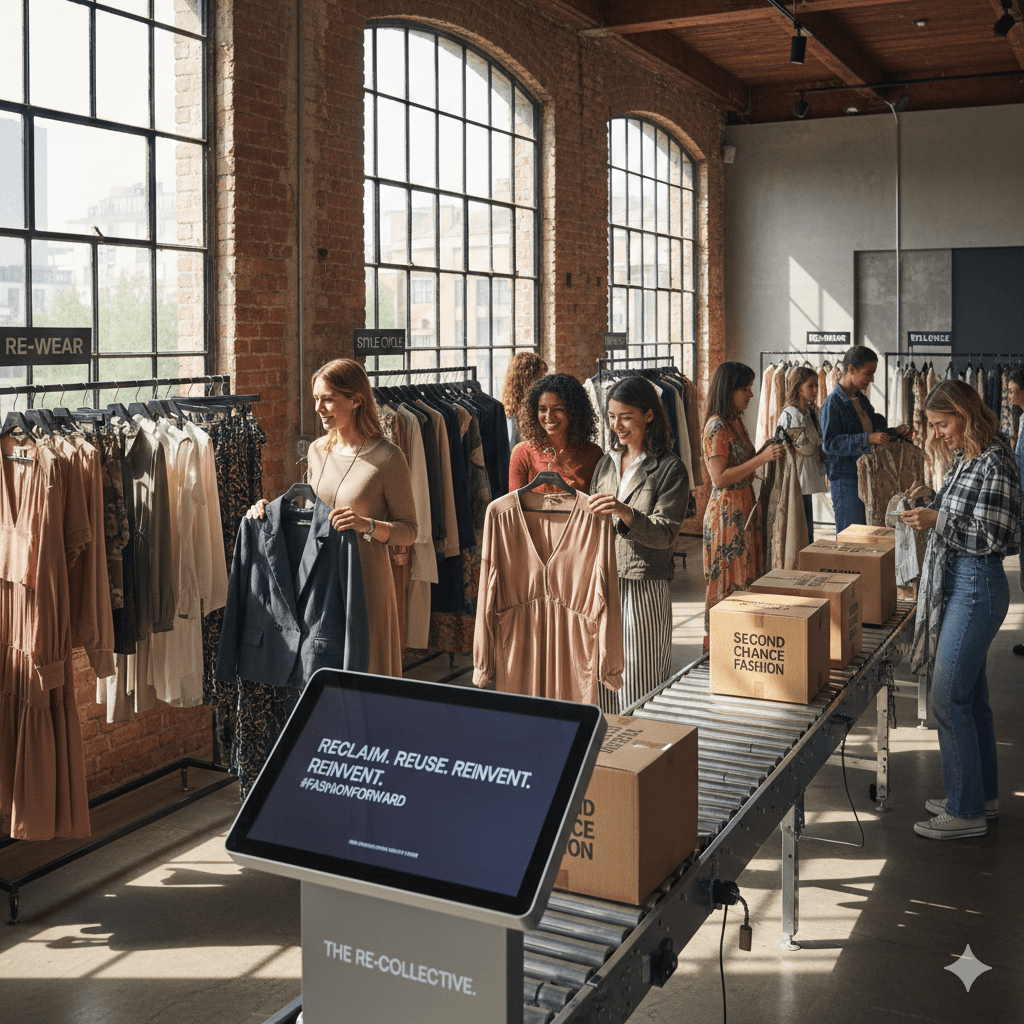
Recommerce refers to the process of buying, selling, renting, trading, or refurbishing previously owned items through structured digital or physical marketplaces. In fashion, that includes:
- Reselling clothing you no longer wear
- Buying curated secondhand garments
- Trading items through brand programs
- Renting outfits for short term use
- Repairing or upcycling pieces for extended life
Instead of a one way lifecycle that ends when clothing leaves a store, recommerce introduces a circular loop. Garments retain value and move through multiple users, extending their usefulness and reducing waste.
Digital infrastructure has made this movement frictionless. Listing an item, verifying authenticity, processing payment, and shipping logistics now happen within integrated platforms that reduce effort and increase trust.
Benefits of Recommerce for Fashion
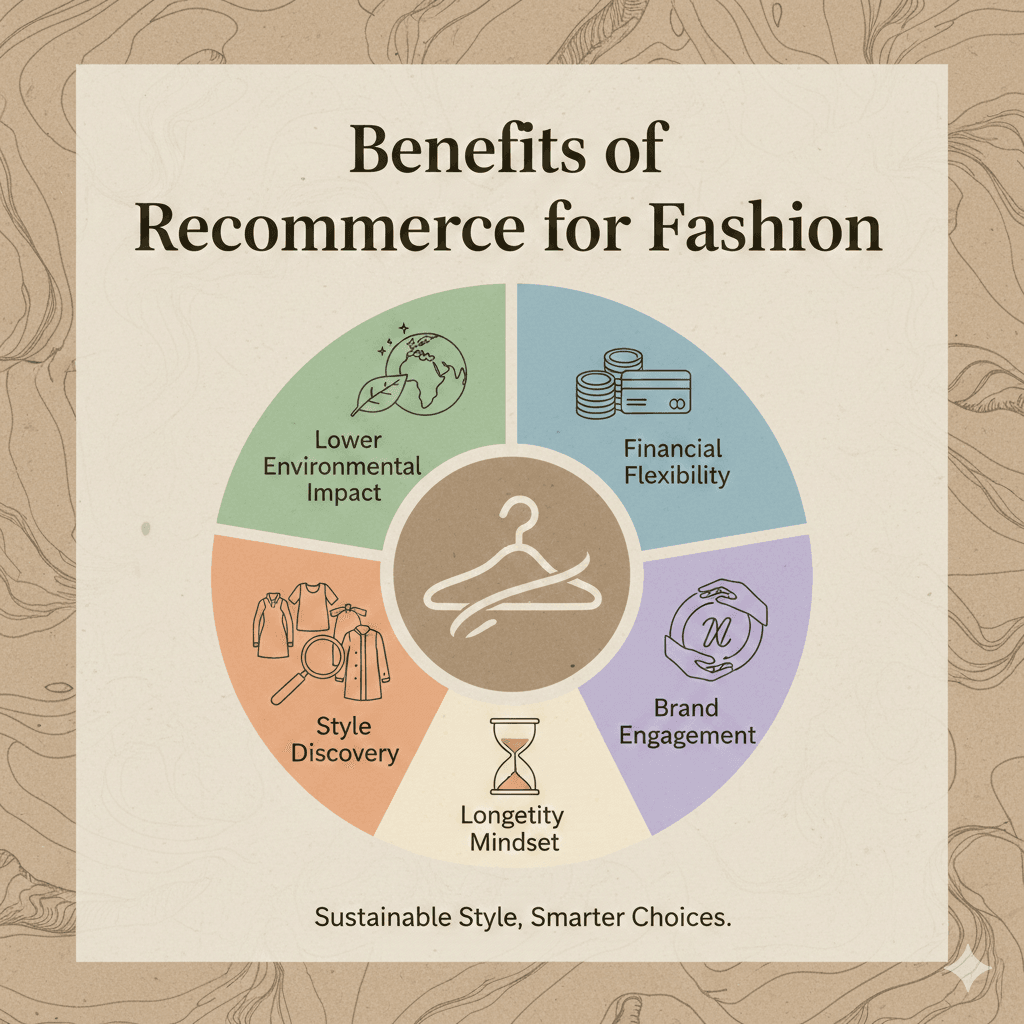
Lower Environmental Impact
Extending clothing life reduces textile waste and slows resource extraction. Circular usage decreases demand for virgin material production and limits landfill accumulation.
Financial Flexibility
Buyers access quality clothing at lower cost. Sellers recover value from unused items. This two way financial benefit sustains platform engagement.
Style Discovery
Resale marketplaces often surface rare or discontinued designs. Fashion exploration becomes less trend constrained and more personally expressive.
Brand Engagement
When labels create take back or resale channels, they maintain relationships beyond initial purchase. Customers return to interact with the brand ecosystem rather than exiting after checkout.
Longevity Mindset
Recommerce encourages purchasing durable pieces that retain resale value. This shifts buying behavior toward quality over quantity.
Did you know? The U.S. re-commerce market alone is projected to climb toward nearly $738.22 billion by 2035.
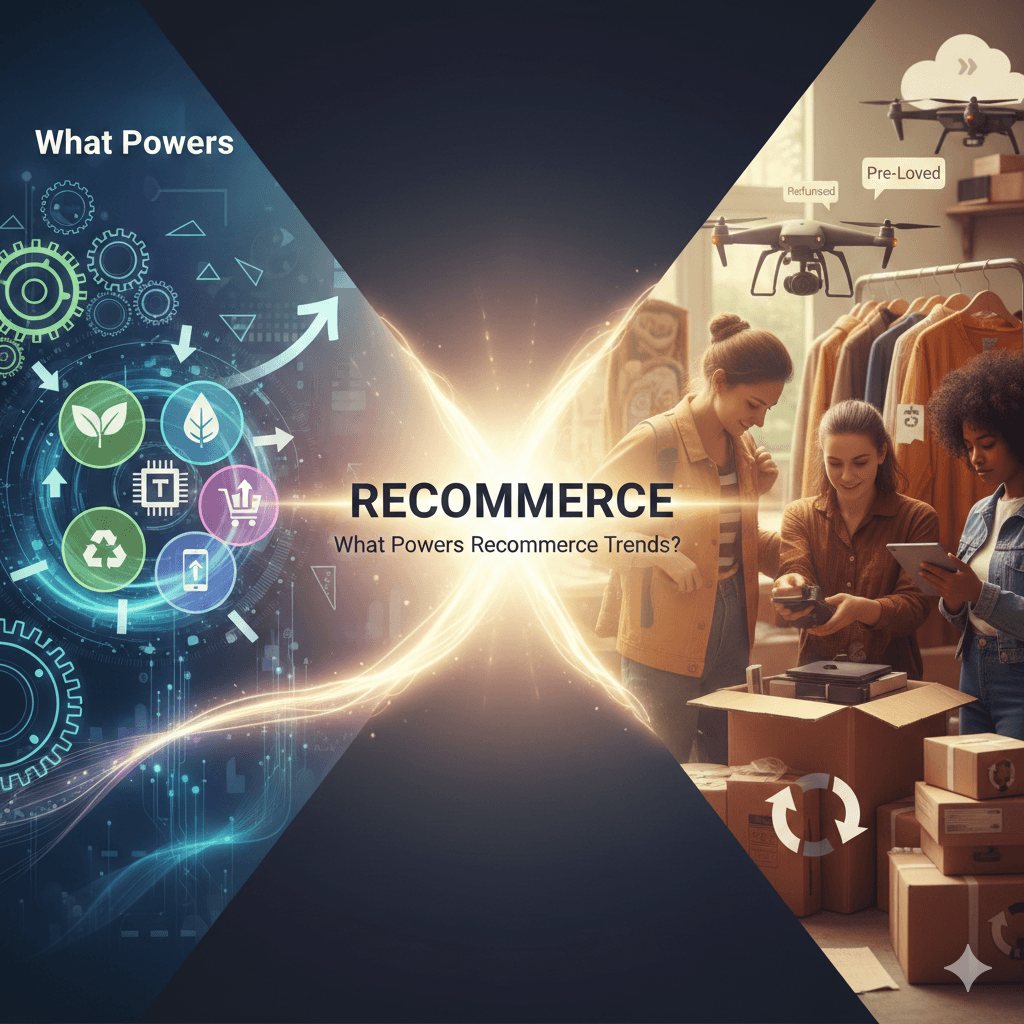
What Powers Recommerce Trends?
Economic Practicality
Cost remains a major motivator. A majority of shoppers engaging with resale platforms cite savings as a key driver. Buying secondhand allows access to premium brands, better quality fabrics, and unique pieces without full retail pricing.
Periods of financial uncertainty also accelerate resale adoption. People turn toward re-commerce both to reduce spending and to generate income from underused wardrobe items.
Environmental Awareness
Fashion production is resource intensive. Water consumption, chemical processing, and landfill accumulation have become widely discussed issues.
Resale extends garment lifespan, reducing demand for new manufacturing. When clothing circulates longer, its environmental footprint is distributed across multiple uses. Many consumers now factor this impact into purchasing decisions.
Cultural Acceptance
Resale once carried stigma. Today it signals taste and intentional consumption. Younger demographics view secondhand shopping as a discovery experience. Vintage, unique finds, and curated wardrobes hold more appeal than uniform mass production.
Fashion identity is shifting toward originality rather than novelty.
7 Recommerce Trends Transforming Fashion
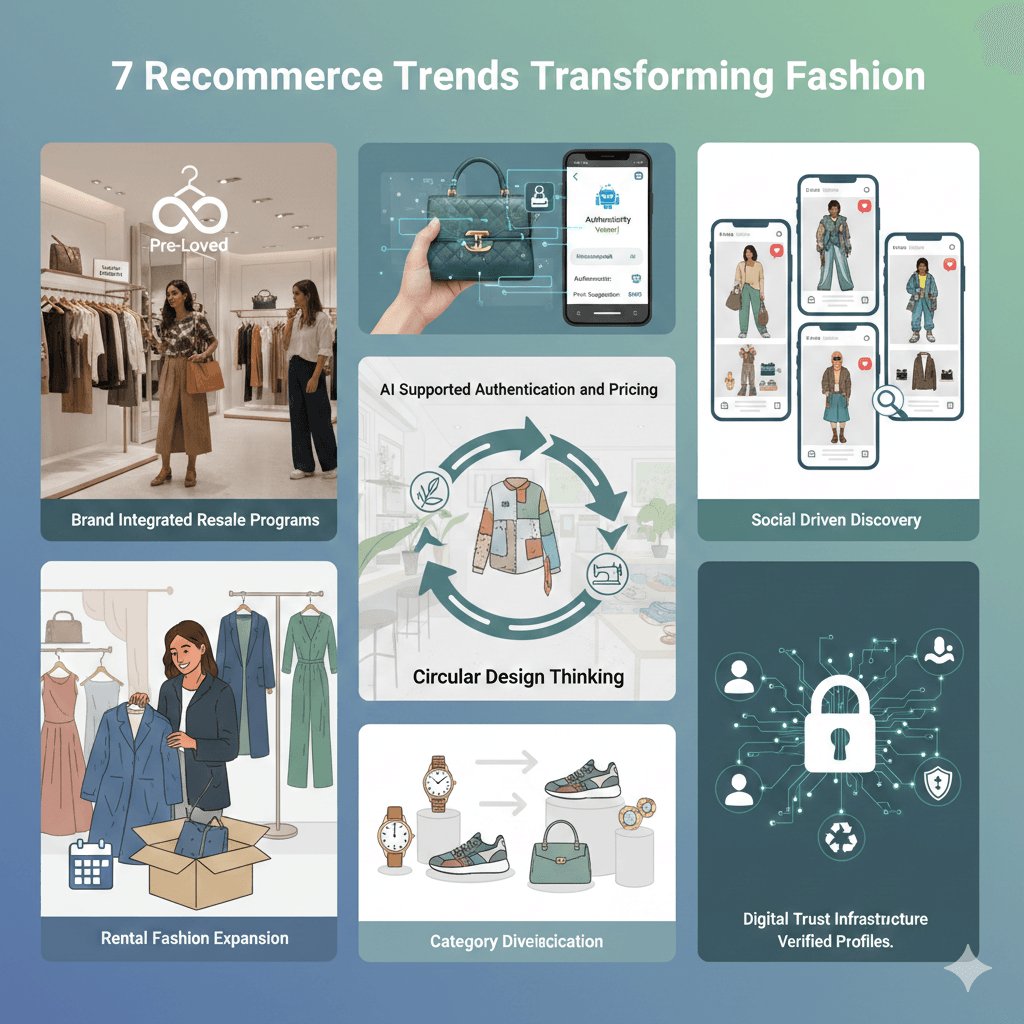
Brand Integrated Resale Programs
Labels increasingly operate internal resale ecosystems. Customers trade in used garments for credit or resale redistribution. This retains value within brand networks and supports circular strategy.
AI Supported Authentication and Pricing
Machine learning tools identify products, assess conditions, and recommend pricing ranges. Automation builds buyer confidence and reduces manual oversight.
Social Driven Discovery
Resale exploration increasingly begins through social media exposure. Styling content and creator influence introduce garments that transition directly into marketplace purchase.
Rental Fashion Expansion
Short term clothing access is gaining traction, particularly for occasion wear. Rental reduces ownership burden while sustaining variety in personal styling.
Circular Design Thinking
Designers are beginning to consider repairability and longevity during product creation. Stitching, fabric durability, and modular construction affect recommerce viability.
Category Diversification
Resale is expanding beyond luxury or vintage niches into everyday wardrobe segments. Basics, workwear, and casual apparel are increasingly circulated through resale channels.
Digital Trust Infrastructure
Authentication verification and transparent seller ratings reduce hesitation among new participants, accelerating adoption.
How to Participate in Fashion Recommerce?
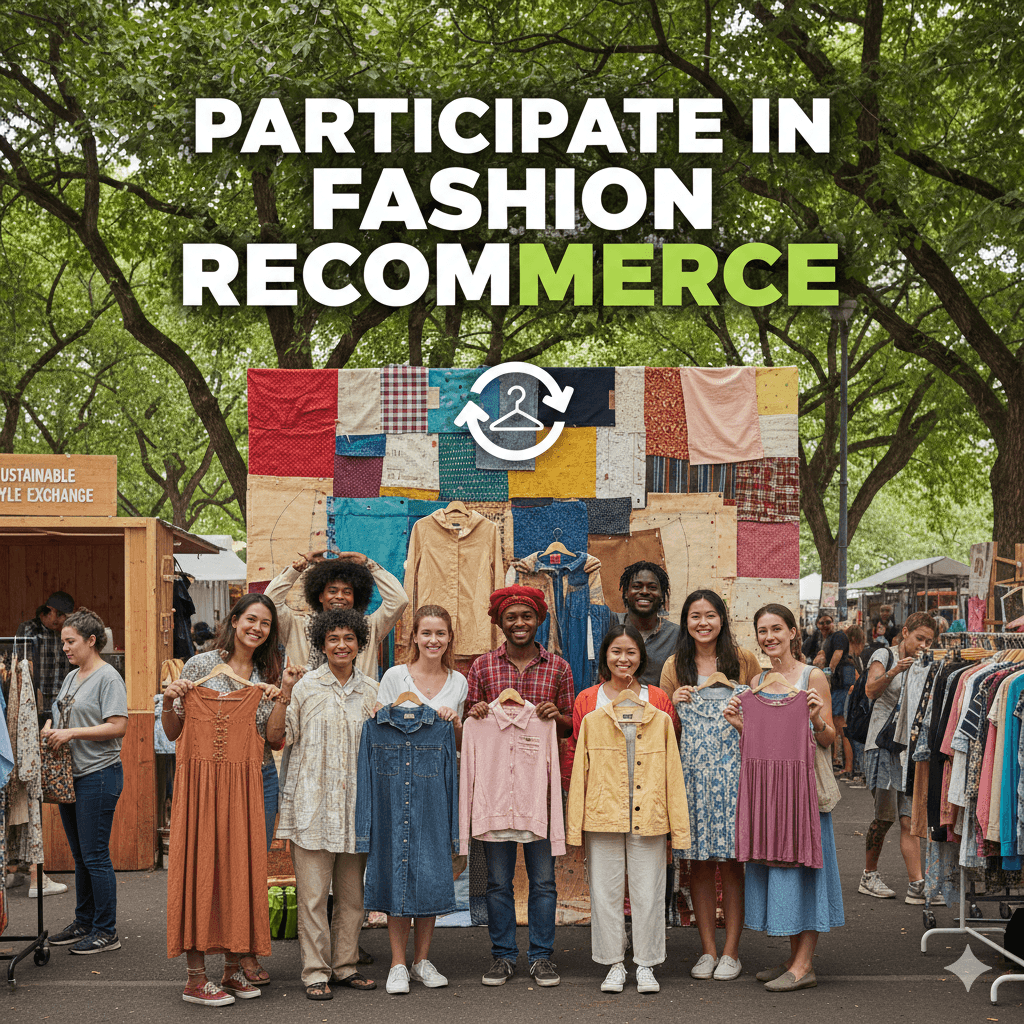
Engaging with resale does not require dramatic lifestyle change. It begins with simple awareness and habit adjustment.
Start by auditing your wardrobe. Identify items unworn for a year or more. These pieces can become resale inventory rather than storage clutter.
When shopping, consider secondhand platforms first. This introduces circular consumption without sacrificing style.
Evaluate garment durability before buying. Pieces that maintain structure and design relevance tend to circulate successfully.
Care practices matter too. Washing gently, storing properly, and repairing minor damage preserve resale potential.
Participation evolves organically. It is less about ideology and more about shifting perspective on ownership.
Conclusion
Recommerce is not merely a trend attached to sustainability rhetoric. It represents behavioral evolution in how clothing is valued and circulated.
Garments no longer end their story at purchase. They continue through reuse, reinterpretation, and redistribution. This ongoing movement reshapes consumption patterns, reduces environmental impact, and broadens access to style.
The deeper philosophical shift is subtle but profound. Value is no longer created only at manufacturing. It persists through continued relevance and shared ownership.
Fashion is learning something science has long understood about natural systems. Nothing thrives in a straight line. Everything meaningful operates in cycles.
And re-commerce is fashion finally embracing that logic.
FAQs Related to Recommerce Trends
1. What is the meaning of re-commerce?
Recommerce refers to the buying and selling of previously owned, refurbished, or returned products through digital or physical marketplaces. It includes resale, trade in, and certified refurbished ecosystems that extend product lifecycles and reduce waste. In practice, re-commerce spans fashion resale platforms, refurbished electronics, and outlet style redistribution of returns. For consumers, it usually means lower prices and sustainability gains, while for retailers it unlocks inventory recovery and circular revenue streams.
2. Who is re-commerce on Amazon?
On Amazon, Recommerce typically refers to third party sellers or refurbishment partners that specialize in reselling returned or pre owned products, especially electronics. These vendors inspect, repair if needed, and relist items under marketplace programs such as renewed or refurbished listings. They are not Amazon itself but independent merchants operating within Amazon’s seller ecosystem, which is why seller ratings, warranty details, and condition descriptions should always be reviewed before purchase.
3. What is another word for re-commerce?
Common interchangeable terms include resale commerce, circular commerce, secondary market retail, refurbished retail, and reverse logistics retail. In consumer language, people often refer to it simply as second hand shopping or product resale. Each variation reflects the same underlying concept of extending product usage beyond its first ownership cycle.
4. What does “sold by re-commerce” mean on Amazon?
When a product listing states “sold by re-commerce,” it means the item is being offered by a resale or refurbishment merchant rather than the original brand or Amazon retail inventory. The product may be pre owned, inspected returns stock, or refurbished inventory depending on the listing condition category. Buyers should review condition notes, warranty coverage, and seller ratings to understand what level of restoration or usage history applies before completing the purchase.
5. What are the key trends shaping re-commerce?
Recommerce growth is being driven by sustainability priorities, inflation sensitive spending behavior, and platform enabled trust mechanisms. Expansion of certified refurbishment programs, AI assisted pricing optimization, and digital authentication for luxury goods are improving credibility and scalability. Fashion resale integration within mainstream retail and re-commerce partnerships between brands and marketplaces are normalizing second lifecycle purchasing.
Download the Glance app now






Your intelligent
shopping agent.







Your intelligent
shopping agent.