


Top 7 Easy-to-Use Features of a Smart AI Shopping Platform
TL;DR
The smart AI shopping platform of 2026 has moved beyond simple recommendations into the era of Agentic Commerce. By 2026, over 70% of leading apparel companies have integrated functional AI into their core discovery engines. This guide explores the seven high-utility features—like behavioral AI Twins and Contextual Intelligence—that allow users to "Glance It – Shop It" without the friction of traditional search.
Smart AI shopping platforms are not new. They have been shaping how fashion is discovered for years. What has truly changed is how effortlessly the younger generation uses them. Around 61% of Gen Z already use AI styling and shopping tools for fashion inspiration, a clear sign of how deeply intelligent discovery has become part of everyday shopping habits (Source: PayPal 2025 Holiday Shopping Survey, 61% of Gen Z).
This generation trusts technology, explores with it, and lets it work in the background while they focus on style and self-expression.
As 2026 approaches, the smartest platforms, like Glance, are not adding complexity. They are removing friction, making discovery intuitive, fast, and aligned with how people actually find fashion today
Below are the seven most important features driving this shift and shaping the future of fashion discovery.
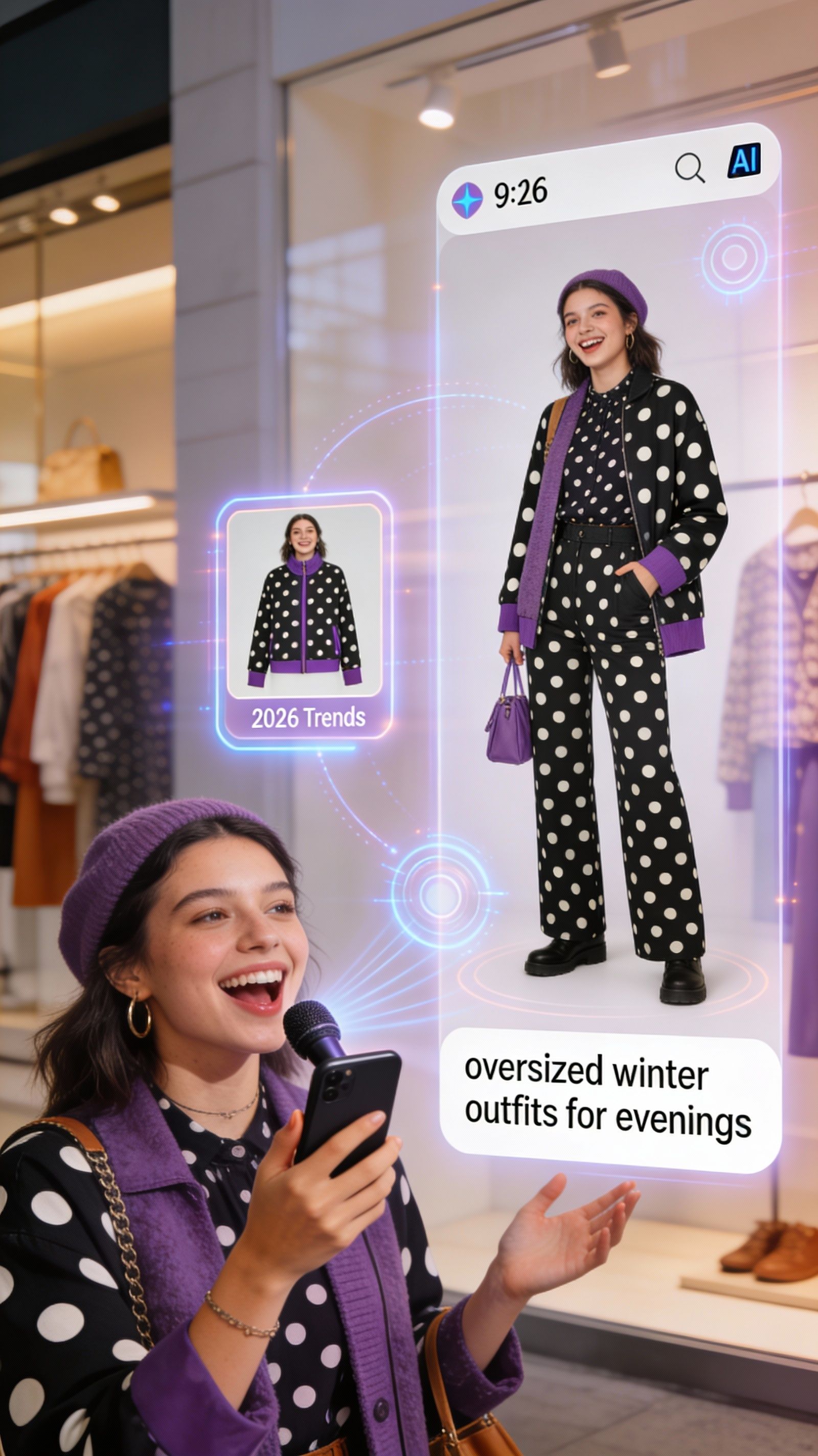
1. Smart Search Beyond Keywords
How this feature works
- Interprets natural language like “oversized winter outfits” or “streetwear for evenings”
- Connects text and visual inspiration to outfit-level results
- Learns from past searches to improve future discovery
Seen across platforms
- Platforms like YesPlz.ai and Searchanise use generative AI to translate vague fashion queries into complete outfit suggestions
- Visual and text inputs work together, reducing the need for manual filtering
This approach reflects how young shoppers already think about fashion, not how catalogs are structured.
2. Hyper-Personalized Recommendations
Personalization is the core engine of any smart AI shopping platform.
What personalization looks like today
- Feeds evolve based on browsing depth, saves, skips, and dwell time
- Recommendations shift as style preferences change
- Irrelevant items gradually disappear from discovery
Industry examples
- Amazon, eBay, and Alibaba use behavioral analysis to refresh recommendation feeds continuously
- Advanced personalization models have been shown to significantly increase engagement when recommendations feel timely and relevant
This is why smart AI shopping platforms feel quieter and more focused than traditional ecommerce apps.
3. AI Twin or Dynamic User Modeling

AI Twins allow a smart AI shopping platform to understand users beyond static profiles.
What AI Twin modeling includes
- A dynamic digital profile built from real behavior
- Learning from purchase history, browsing habits, and engagement signals
- Adapting as style tastes and priorities evolve
Where this is already used
- The Nike App builds adaptive profiles based on product interaction and purchase behavior
- Platforms like Delve.ai model user preferences to deliver tailored experiences over time
- This same principle underpins how Glance creates a discovery experience that evolves naturally instead of resetting preferences.
4. Real-Time Trend Intelligence
Fashion relevance depends on timing. A smart AI shopping platform uses real-time data to stay ahead of trends.
What this feature enables
- Detection of rising colors, fabrics, and silhouettes
- Discovery feeds that update dynamically
- Early visibility into micro-trends before they peak
Who uses it
- Retail intelligence platforms like StrategySoftware analyze engagement and sales data to surface emerging trends
- Platforms built for trend forecasting specifically, rather than design creation, are where this signal actually gets tracked and surfaced to retailers.
- Fashion moves fast, and static curation cannot keep up. A smart AI shopping platform uses real-time signals to surface micro-trends before they peak. This is more than a convenience: estimates of the AI fashion market's growth rate vary considerably by research firm, with figures in the low-to-high 30s percent CAGR range depending on methodology and forecast window, reflecting how critical AI-driven trend intelligence is becoming for brands and shoppers alike.
5. Context-Aware Recommendations

Contextual Intelligence allows a platform to adjust its "personality" based on your current situation—time, location, and even weather.
- Temporal Logic: At 7:00 AM, the platform surfaces "Quick-Dry Gym Wear" and "Coffee-Run Basics." By 7:00 PM, it shifts to "Relaxed Loungewear" or "Date Night Picks."
- Geo-Triggered Style: If you travel from the heat of Pune to a colder climate like London, your smart AI shopping platform automatically pivots to trench coats, knitwear, and layering pieces.
- Event Awareness: If the AI detects "graduation" or "interview" keywords in your ecosystem, it prioritizes professional attire that matches your existing wardrobe.
6. Inclusive Fit Intelligence & 3D Simulation
Fit remains the primary reason for e-commerce returns. In 2026, AI is solving this through physics-based rendering and Historical Fit Feedback.
- Digital Draping: Advanced systems simulate how a specific fabric (e.g., 100% silk vs. a 2% spandex blend) will drape over your 3D body model. You can see where a garment will be "tight" or "loose" before you buy.
- Predictive Sizing: The AI analyzes return patterns. If a brand's "Size 12" is consistently returned for being "too small in the bust," the AI warns you to size up based on your specific measurements.
- Confidence Scores: Every item in your feed comes with a “Fit Confidence” indicator — not a single universal percentage, since real-world fit-prediction accuracy varies considerably by method and study rather than landing on one fixed number — but the consistent effect is drastically reduced “size-bracketing” (buying three sizes to return two).
7. Agentic Commerce: The "Buy for Me" Revolution
The final evolution of the smart AI shopping platform is Agentic Commerce, where the AI moves from "Stylist" to "Personal Assistant."
- Autonomous Purchasing: For low-risk staples (like your favorite brand of plain white tees), the AI can be authorized to "Buy for me" when a specific price drop occurs.
- Wardrobe Integration: The AI "knows" what you already own. It won't just suggest a blazer; it will suggest a blazer that matches the specific trousers and shoes you purchased last month.
- Frictionless Checkout: Using protocols like Universal Commerce, these agents can execute a purchase across multiple retailers with a single tap, embodying the “Glance It – Shop It” philosophy.
Conclusion
By 2026, the hallmark of a smart AI shopping platform is that it feels like it isn't there. It handles the "Hard Mode" of shopping—filtering millions of items, checking fit accuracy, and monitoring trends—so you can focus on the "Easy Mode": finding a look that makes you feel like yourself.
Platforms like Glance are the pioneers of this "supportive agent" model. They turn the lock screen and the browser into a personalized fashion gallery where discovery is accidental, accurate, and effortless.
FAQs related to Smart AI Shopping Platform
- What is a smart AI shopping platform in 2026?
A smart AI shopping platform is an intelligent agent that uses behavioral data, vector search, and AI Twin modeling to curate a personalized storefront. Unlike traditional e-commerce, it doesn't require manual filters; it learns your preferences and predicts your needs in real-time. - How does AI reduce return rates in fashion?
AI reduces returns through Inclusive Fit Intelligence — combining 3D body mapping with Historical Fit Feedback to improve fit prediction meaningfully over generic size charts. Real-world accuracy varies by method and study rather than landing on one fixed number, but the consistent effect across approaches is fewer returns driven by “size-bracketing” and higher purchase confidence. - What is the "AI Twin" in fashion shopping?
An AI Twin is a persistent digital profile that represents your body measurements, style preferences, and lifestyle constraints. It lives on your device and acts as a filter for the entire internet, ensuring that every product you see is "pre-vetted" for your unique Style DNA. - Is agentic commerce safe for my finances?
Yes. In 2026, Agentic Commerce uses "Scoped Permissions." This means you set the rules—such as a budget cap or specific brand approvals—and the AI agent executes tasks within those boundaries. All transactions are backed by biometric verification and real-time fraud monitoring.
Download the Glance app now






Your intelligent
shopping agent.







Your intelligent
shopping agent.