

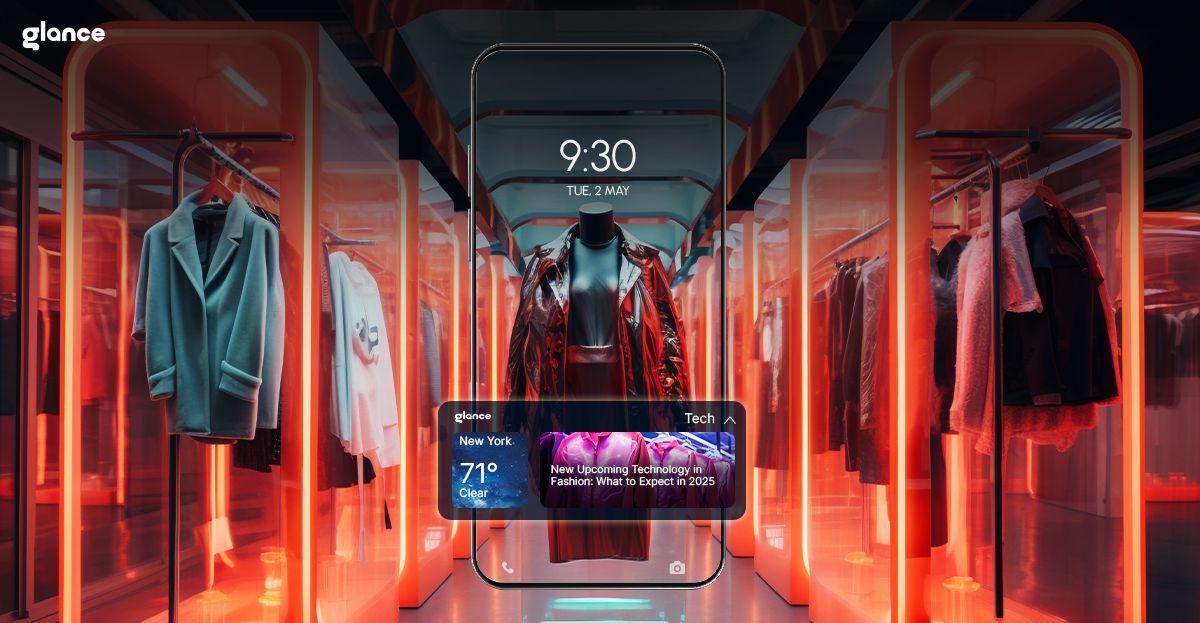
New Upcoming Technology in Fashion: What to Expect in 2026
TL;DR
Fashion has always moved fast—but in 2026, the technology behind it is moving faster. AI that designs collections before a human touches a sketchpad. Fabrics that respond to your body. Virtual try-ons that actually work. If you've been vaguely aware that fashion tech is changing things but haven't quite caught up—this is the article that fixes that. We're breaking down every major new upcoming technology reshaping the fashion industry right now, what it means for how you shop, what you wear, and where style is headed next. It's a lot—and it's all genuinely exciting. Keep reading.
The fashion industry has moved beyond the cusp of transformation into a full-scale agentic revolution. Driven by a global fashion tech market projected to hit $272.89 billion this year, the landscape is no longer defined by the "search and scroll" fatigue of the past. Today, innovations in 3D Fit Physics, Digital Product Passports (DPPs), and blockchain-verified sustainability are the new mechanical necessities for a high-confidence shopping journey.
As we navigate April 2026, the industry shift is clear: consumers are moving away from trend-chasing and toward "No Search" shopping. Glance acts as your intelligent shopping agent, moving beyond the lock screen to become a supportive side-character in your daily discovery. By integrating real-time behavioral intelligence and AR-simulated try-ons, Glance removes the "homework" of being a consumer. In an era where 25% of shoppers now purchase directly through AI assistants, fashion is evolving from a designer-led narrative into a data-powered, tech-fueled experience where style is not just dictated—it is perfectly discovered.
What Do We Mean by Fashion Technology Today?

Fashion technology refers to the intersection of innovation and design, where digital tools and smart processes are integrated into every stage of the fashion value chain—from ideation to consumer experience. The goal is to create fashion that is more intelligent, responsive, inclusive, and efficient.
Key components of fashion technology in 2026 include:
- AI-Driven Fashion Design: Algorithms analyze consumer preferences and market trends to generate designs, cuts, and color palettes.
- Augmented Reality Try-Ons: AR enables users to try clothes virtually before purchasing, reducing guesswork and returns.
- Digital Fashion for Avatars: With the rise of virtual influencers, games, and the metaverse, digital clothing is becoming a major category.
- Blockchain for Authenticity: Used to certify the provenance of luxury goods, ensuring transparency and preventing counterfeiting.
Smart Wearables and E-textiles: Fashion meets function with fabrics that monitor health, track biometrics, or react to environmental changes.
The Evolution of Fashion Tech into a Digital-First Powerhouse
Fashion has evolved from being simply aesthetic to becoming algorithmic. This shift can be seen across three stages:
- Early 2000s to 2015: Digitization of fashion started with the rise of e-commerce, influencer marketing, and online brand presence.
- 2016 to 2022: AI, AR, and mobile-first apps transformed the consumer experience. Brands began using big data for product recommendations and inventory planning.
- 2023 and beyond: The focus is now on personalization at scale, digital ownership (via NFTs), immersive commerce, and sustainable production using technology.
By 2025, this digital-first approach will dominate retail strategies, and physical stores will increasingly incorporate tech-enabled touchpoints.
The Rise of Fashion Technology: Why 2026 is a Turning Point
Fashion and technology are converging faster than ever. In 2026, AI, AR, smart fabrics, and blockchain are no longer niche—they're foundational to how fashion is created, discovered, and consumed.
Key drivers include:
- Growing demand for sustainable fashion
- Personalized shopping experiences powered by AI
- Increased investment in fashion tech startups
According to the World Economic Forum, 2026 is a breakout year for industries integrating AI, intelligent materials, and digital ecosystems.
Why New Upcoming Technology in Fashion Matters in 2026
The fashion industry has long been criticized for its environmental impact, overproduction, and slow adaptation to digital change. These challenges are now being addressed through technology.
- Sustainability: On-demand fashion and accurate demand forecasting mean fewer unsold clothes and lower carbon footprints.
- Customization: Consumers no longer want one-size-fits-all. Technology enables tailored designs, personalized fits, and targeted experiences.
- Inclusivity and Accessibility: From adaptive clothing to voice-assisted fashion discovery, technology is helping brands cater to a broader audience.
- Agility in Design and Supply Chain: Smart software helps brands pivot rapidly with trend changes and optimize inventory planning.
Top New Upcoming Technology Trends in Fashion for 2026
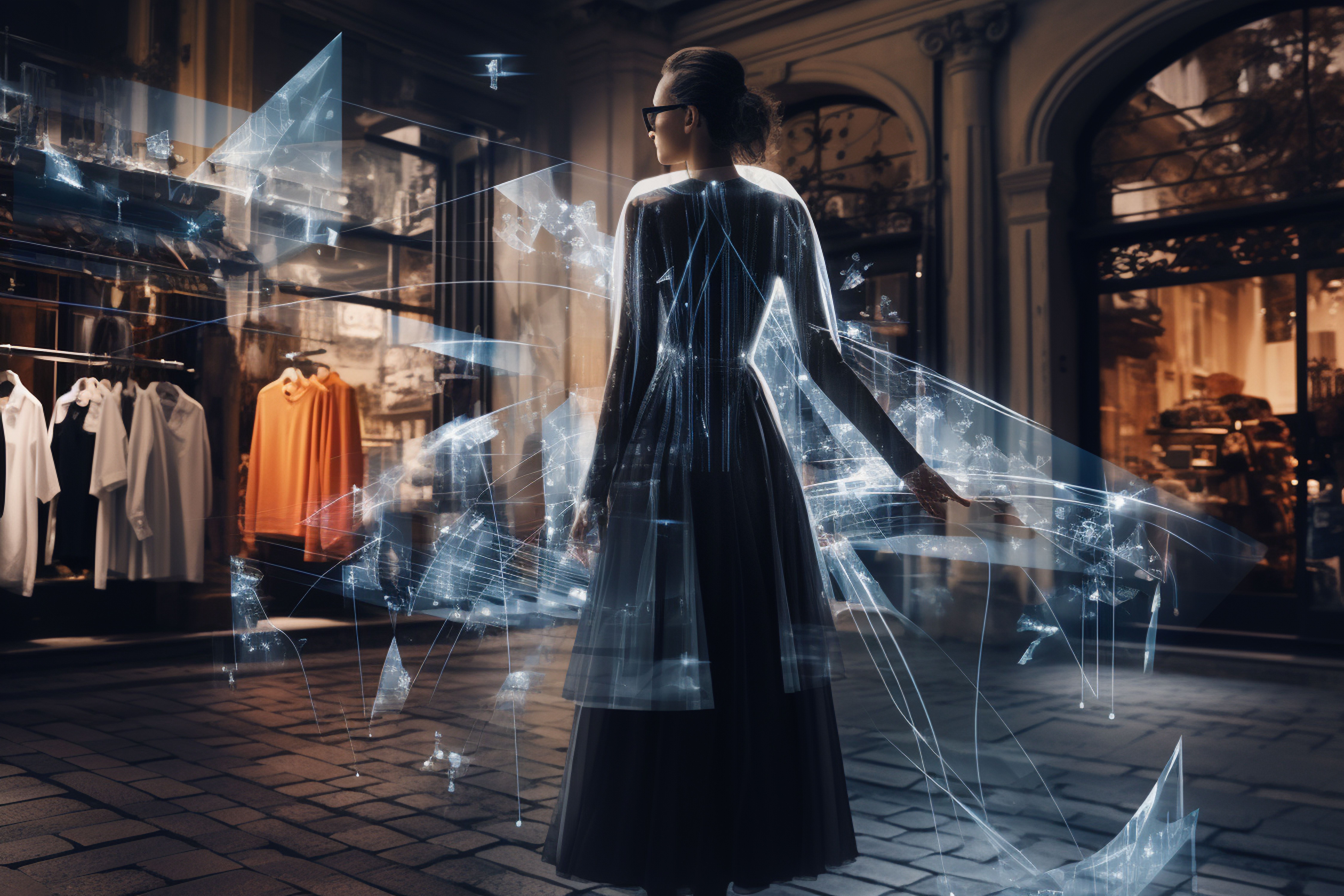
AI-Driven Fashion: Smarter Design and Better Fit
AI is revolutionizing fashion from sketchpad to storefront.
How AI Enhances Fashion Design
- Predicts style trends using data from social platforms and e-commerce behavior
- Generates pattern variations and color palettes
- Accelerates the design-testing cycle using generative AI tools
Case in Point: Tommy Hilfiger used IBM’s AI to co-create collections informed by digital trend analysis.
Smart Sizing and Personal Fit
- Apps like Nike Fit use computer vision to scan feet for perfect sizing
- AI stylists suggest outfits based on wardrobe, climate, and personal preferences
Glance Insight: Glance’s AI Twin experience goes a step further, generating dynamic styling options that match user moods, environments, and intent—all surfaced on the smartphone screen.
Augmented Reality & Virtual Try-Ons
AR is transforming how we experience fashion before buying.
- Virtual mirrors allow customers to try clothes without physical samples
- Mobile AR apps simulate how outfits fit your body in real-time
Retail Examples:
- Zara uses AR mirrors in-store
- Sephora’s app lets users test makeup virtually
Why It Matters: According to Simplilearn, AR in retail reduces returns and improves decision-making.
Smart Textiles and Wearables: When Fabric Becomes Function
The fabric of the future does more than cover—it responds.
Top Smart Textile Innovations:
- Temperature-reactive fabrics that adjust to body heat
- Biometric monitoring built into athletic gear
- E-fabrics that harvest energy or change color on demand
Cross-Sector Impact: These textiles are transforming healthcare, military gear, and performance wear—not just fashion.
Glance’s Feature Note: Glance can highlight new smart-fabric drops in real-time based on user interest, merging awareness with personalization.
Digital Fashion and Avatar Clothing
Virtual style is real business. As people spend more time online, their digital identities need wardrobes too.
- Digital-only fashion brands like The Fabricant sell exclusive clothing for avatars
- Roblox, Meta, and Fortnite power $100M+ virtual fashion markets annually
Fashion NFTs
- Enable ownership of virtual garments
- Used for resale, collectibles, and access to digital fashion events
Forbes Tech Council notes this space will explode as identity shifts into hybrid digital-physical worlds.
On-Demand Manufacturing & 3D Printing
The fast fashion model is getting a sustainable upgrade.
- 3D-printed fashion reduces material waste
- Localized, small-batch production limits overstock and shipping impact
Example: Danit Peleg’s fully 3D-printed fashion collection is made entirely from home using recyclable filament.
Why It Matters: This shift supports circular fashion goals—less waste, more agility.
Blockchain and Transparent Fashion Supply Chains
Shoppers are demanding proof of origin—and brands are responding.
- Blockchain tracks garment lifecycles from source to store
- Increases transparency and verifies authenticity
Use Case: H&M is testing blockchain for secondhand resale and material sourcing verification.
2026 Outlook: Expect wider adoption to meet growing consumer demand for ethical sourcing and resale certification.
The Upside of Fashion Technology in 2025
Technology is offering the fashion industry:
- Data-Driven Insights: Faster reactions to trends and consumer behavior.
- Lower Operational Costs: Automated inventory management and AI in logistics reduce waste and manual labor.
- Sustainable Solutions: From 3D printing to blockchain verification, sustainability is built into the supply chain.
- Democratized Fashion: Small designers can now access global markets using digital platforms and smart manufacturing.
Challenges That Come with New Upcoming Technology in Fashion
Despite its promise, fashion technology faces several hurdles:
- Digital Divide: Not all consumers or regions are equipped to adopt digital fashion tools.
- Cost Barriers: High investment in tech infrastructure can limit adoption for emerging designers and small brands.
- Privacy and Data Ethics: AI relies on user data, raising concerns about surveillance and misuse of personal information.
- Tech Dependency: Overreliance on automation could reduce creative spontaneity and limit hands-on craftsmanship.
Brands must strike a balance between technological advancement and human-centered design.
Fashion Meets Glance: Redefining Discovery in the Digital Age
As the discovery layer of next-gen content and commerce, Glance acts as an intelligent shopping agent, providing high-confidence discovery for fashion brands. By analyzing behavioral intent and real-time preferences, Glance enables brands to connect with their audience more meaningfully—delivering the right look at the exact moment of inspiration.
Whether it’s showcasing AR-simulated previews, launching digital collections, or curating looks through 3D Fit Physics, Glance enables fashion discovery that feels intuitive and effortless. It embodies the future of the industry—where agentic discovery doesn’t just support style; it empowers every consumer to Glance It – Shop It.
Future of Fashion Technology: A Glimpse into 2030 and Beyond
As we move beyond 2025, the role of technology in fashion will continue to evolve at an exponential pace. Here's what we can expect from the future of fashion technology in the coming decade:
- Fully Integrated AI-Driven Design: AI will design collections and predict trends based on user preferences.
- Complete Virtual Reality Fashion: Consumers will express their style through digital avatars and immersive experiences.
- Blockchain-Driven Transparency: Every piece of clothing will have traceable origins to ensure ethical sourcing.
- Advanced Smart Textiles: Fabrics will monitor health, adjust temperature, and generate energy.
- Sustainable Tech Innovations: Biodegradable materials and closed-loop production will redefine sustainability.
Conclusion: Fashion Technology Isn't the Future Anymore — It's Right Now
The conversation around new upcoming technology in fashion has shifted. It's no longer about what's coming — it's about what's already here and how fast you adapt to it. AI is designing. AR is fitting. Blockchain is verifying. And smart fabrics are doing things that would have sounded like science fiction five years ago.
For shoppers, this means more personalization, less guesswork, and fashion that actually fits — your body, your lifestyle, your values. For brands, it means the gap between the tech-forward and the tech-reluctant is growing wider every season.
The future of fashion is smarter, more personal, and more sustainable than any era before it. And in 2026, that future isn't something to prepare for — it's something to dress for, right now.
FAQs
Q1. What new upcoming technology is having the biggest impact on fashion in 2026?
AI and AR are leading the charge — AI for personalized design and trend forecasting, AR for virtual try-ons that genuinely reduce returns. But smart textiles and blockchain are close behind, quietly reshaping how garments are made, verified, and worn.
Q2. How is AI changing the way fashion is designed and sold?
AI is enabling everything from data-driven trend forecasting and smart design to automated customer service and personal styling assistants. In 2026, generative AI tools are actively co-creating collections alongside human designers — cutting development cycles significantly while expanding creative range.
Q3. Are virtual try-ons actually useful, or just a gimmick?
They've moved well past gimmick. AR try-on technology has matured enough that major retailers like Zara and Sephora have built it into their core retail experience. For shoppers, it means fewer returns and more confident purchases — especially for online shopping where fit uncertainty has always been a barrier.
Q4. Will virtual fashion ever replace physical clothing?
Not replace — but increasingly complement. Digital fashion for avatars and online identities is already a serious market, particularly in gaming and social platforms. Physical clothing isn't going anywhere, but your digital wardrobe is becoming just as real an expression of personal style.
Q5. What does fashion technology look like by 2030?
Expect a fashion world where AI designs collections, garments adapt to environments, and sustainability is achieved through innovation and tech-enabled circularity. Add to that fully traceable supply chains, energy-harvesting fabrics, and shopping experiences that feel less like browsing and more like the clothes finding you.
Download the Glance app now





Your intelligent
shopping agent.







Your intelligent
shopping agent.