


High-Low Mix Fashion: The Secret to a Million-Dollar Look
TL;DR
In 2026, the most enduring style icons aren't wearing head-to-toe labels; they are mastering high-low mix fashion. This strategy focuses your capital on high-value "anchor" investments—like leather and fine jewelry—while filling the gaps with smart, high-utility basics. By utilizing Glance as your intelligent shopping agent, you can visualize these combinations on your own AI Twin, ensuring every budget-friendly find perfectly complements your luxury investments.
In the world of fashion, there is a common misconception that style is a linear equation: the more you spend, the better you look. However, if you look at the most enduring style icons of the last century, from Carolyn Bessette-Kennedy to modern-day street-style stars, you’ll notice a different pattern. They don’t wear "labels"; they wear an intentional blend. This is the High-Low Mix Fashion strategy, a buying method that prioritizes "anchor" investments while filling the gaps with affordable, high-utility pieces.
Mastering High-Low Mix Fashion is about more than just saving money. It is a sophisticated approach to personal branding that treats your closet like a financial portfolio. By focusing your capital on items that retain value and using budget-friendly pieces to experiment with trends, you create a wardrobe that feels expensive, curated, and, most importantly, uniquely yours.
The History of the Mix: When Luxury Met the Street
The High-Low Mix Fashion movement didn't start on Instagram; it was born out of cultural shifts where high society began to embrace "the street." One of the most famous historical pivot points occurred in 1996, when Sharon Stone attended the Oscars. Instead of a custom couture gown, she wore a floor-length Vera Wang skirt paired with a simple Gap turtleneck she pulled from her own closet. It was a "fashion earthquake" that proved a $20 basic could hold its own against thousand-dollar silk.
Similarly, the 1990s "Heroin Chic" and "Grunge" movements saw high-fashion designers like Marc Jacobs bringing flannel shirts and thrift-store aesthetics to the runway. This era solidified the idea that "cool" wasn't about the price tag, but the contrast. Today, this philosophy is the backbone of modern dressing, where a pair of $1,000 loafers is routinely styled with $30 vintage-wash denim.
The "High" Strategy: Where to Invest Your Capital
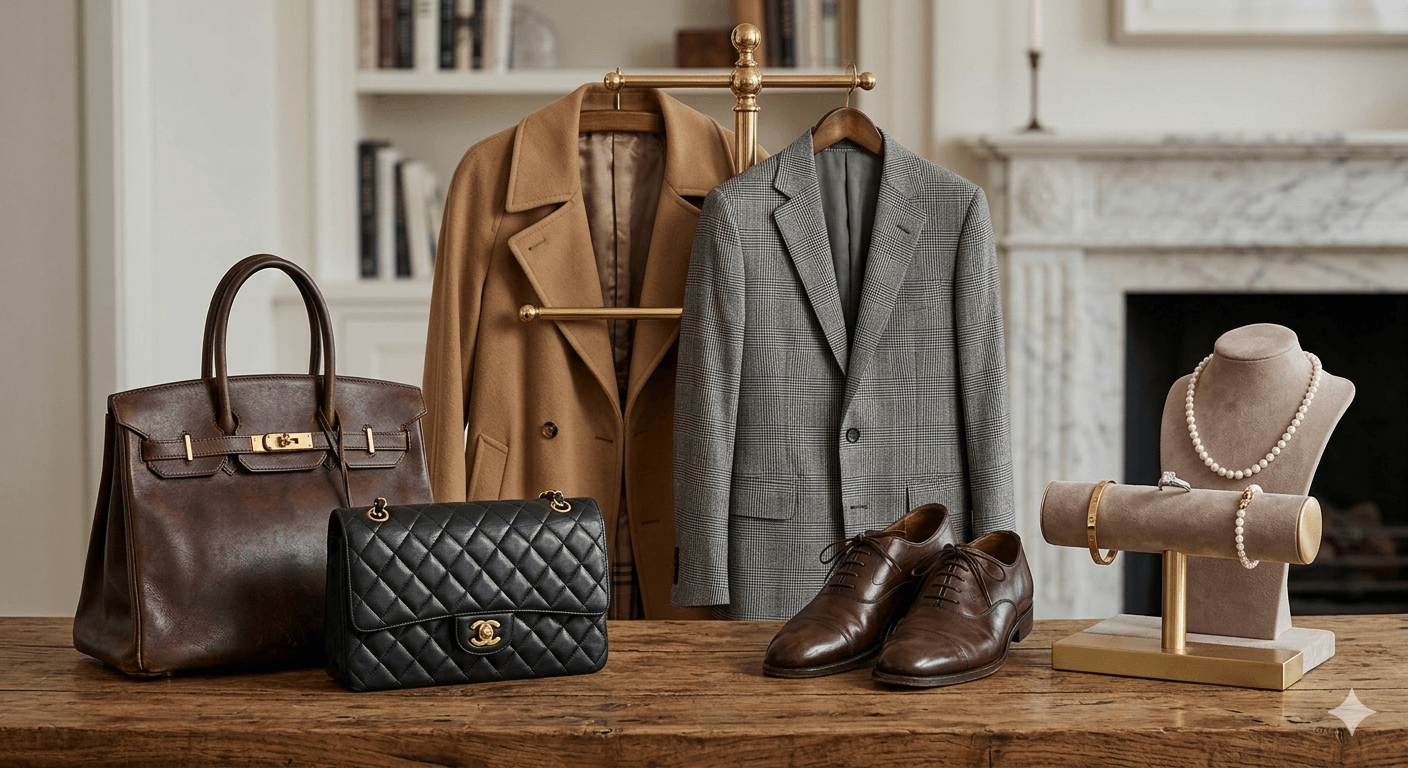
In a High-Low Mix Fashion buying strategy, your "High" pieces are your anchors. These are items where quality is visible to the naked eye and the touch. According to data from the RealReal’s 2024 Resale Report, certain luxury items, like the Hermès Birkin or specific Chanel flaps, actually outperform the S&P 500 in terms of value retention. While you might not be buying a Birkin today, the principle remains: spend where the "Cost-Per-Wear" (CPW) is lowest over time.
What to Buy "High":
- Leather Goods: Shoes and bags take the most physical abuse. High-quality leather develops a patina; cheap synthetic leather peels.
- Outerwear: A well-cut wool coat or a sturdy trench is the first thing people see. It frames your entire silhouette.
- Fine Jewelry: As noted by experts at Robinsons Jewelers, fine jewelry is a "forever" investment. Unlike costume jewelry that tarnishes, gold and precious stones maintain their luster and can be passed down, making them the ultimate high-end anchor.
- Tailoring: A blazer that fits perfectly in the shoulders can make even a basic white tee look like a million bucks.
The Investment Table: High vs. Low Comparison
| Item Category | Buy "High" If... | Buy "Low" If... |
| Footwear | It’s a classic silhouette (Loafers, Chelsea boots). | It’s a hyper-trend (Neon platforms, mesh flats). |
| Tops | It’s 100% Silk or heavy-weight Cashmere. | It’s a graphic tee or a trendy "going out" top. |
| Bottoms | You need structured trousers for work. | You want seasonal denim cuts (e.g., barrel jeans). |
| Accessories | It’s a timepiece or a leather "daily driver" bag. | It’s a seasonal scarf or trendy sunglasses. |
The "Low" Strategy: Filling the Gaps with Intelligence
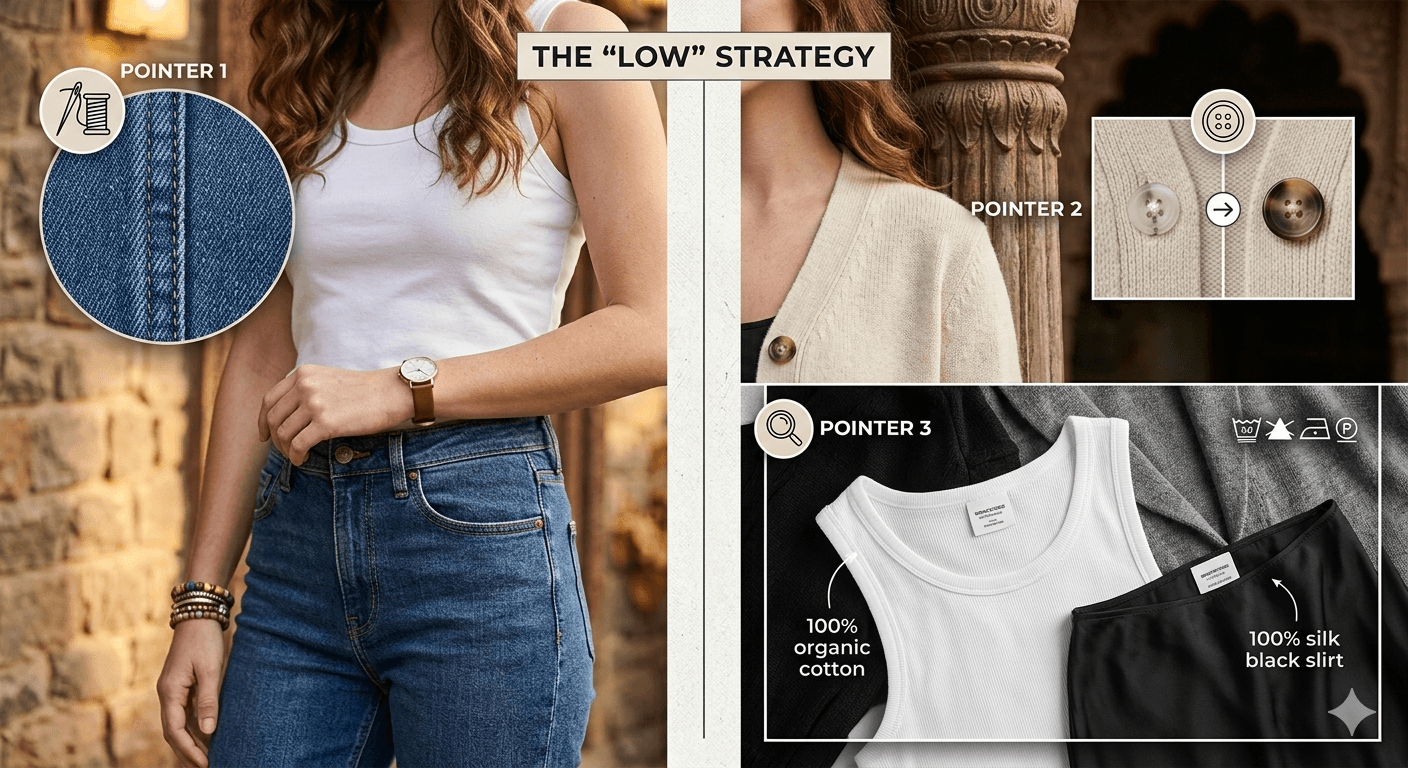
The "Low" in High-Low Mix Fashion isn't just about "cheap" clothes; it’s about smart basics. The goal here is to find items that look more expensive than they are. This often means paying attention to fabric composition—opting for 100% cotton or linen over polyester blends.
The 90s fashion revival is a perfect example of this. As highlighted in recent Yahoo Style reports, the most chic formulas involve simple "Low" staples: a crisp white tank top, a slip skirt, or straight-leg jeans. When you pair these with a "High" accessory, the eye assumes the entire outfit is premium.
How to Spot a "High-End" Low Piece:
- Check the Seams: Are there loose threads? Is the stitching straight?
- Swap the Hardware: One of the oldest tricks in the book is buying an affordable coat or cardigan and replacing the plastic buttons with horn or metal ones.
- Monochrome Magic: Wearing a "Low" outfit in a single color (all cream, all black) trick the eye into seeing luxury.
The Agentic Edge: Visualizing the Mix
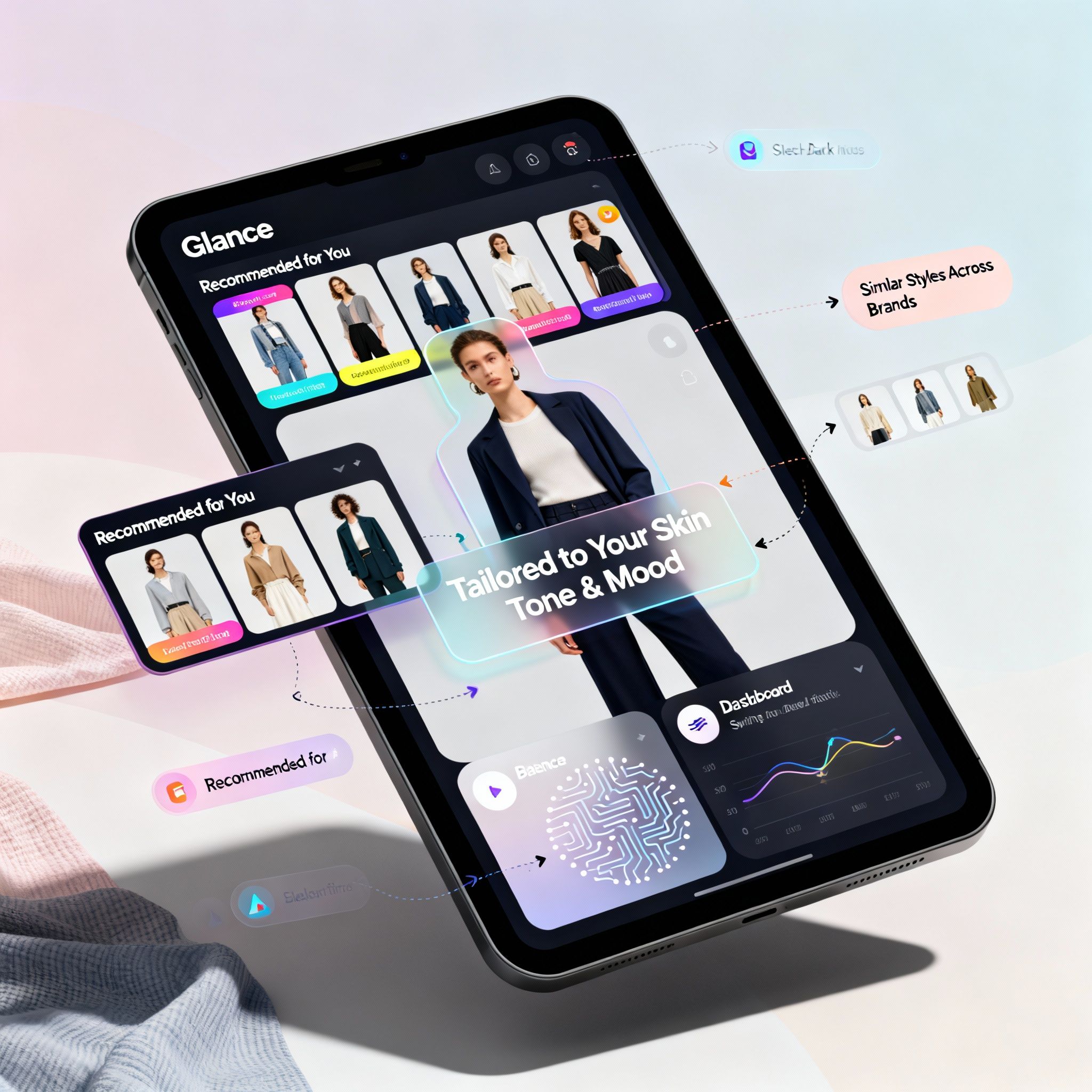
The biggest challenge in High-Low Mix Fashion is often the "mental load" of styling. How do you know if that thrifted vest actually works with your designer trousers? This is where technology is stepping in to bridge the gap.
Glance is changing this by moving away from static catalogs and toward an "agentic" shopping experience. Instead of you hunting for pieces, an intelligent agent uses a single selfie to understand your visual features, your local weather, and your specific style "vibe." It then curates a feed where you are the model, showing you exactly how to mix different price points into a cohesive look. Because it knows your context—like an upcoming wedding or a rainy Tuesday—it suggests "High" anchors and "Low" fillers that actually make sense for your life.
The Math of Style: Understanding Cost-Per-Wear (CPW)
To truly master the High-Low Mix Fashion strategy, you have to stop looking at the price tag and start looking at the "usage life."
The Formula:
Cost-Per-Wear = (Price of Item + Maintenance Cost) ÷ Number of Times Worn
If you buy a high-end designer blazer for $600 but wear it twice a week for three years (approx. 300 wears), your cost is $2.00 per wear. If you buy a "fast fashion" dress for $60 but only wear it once because the zipper breaks or the trend dies, your cost is $60.00 per wear. The High-Low Mix Fashion buyer spends more upfront to save significantly over time.
5 Rules for Mixing High and Low Effortlessly
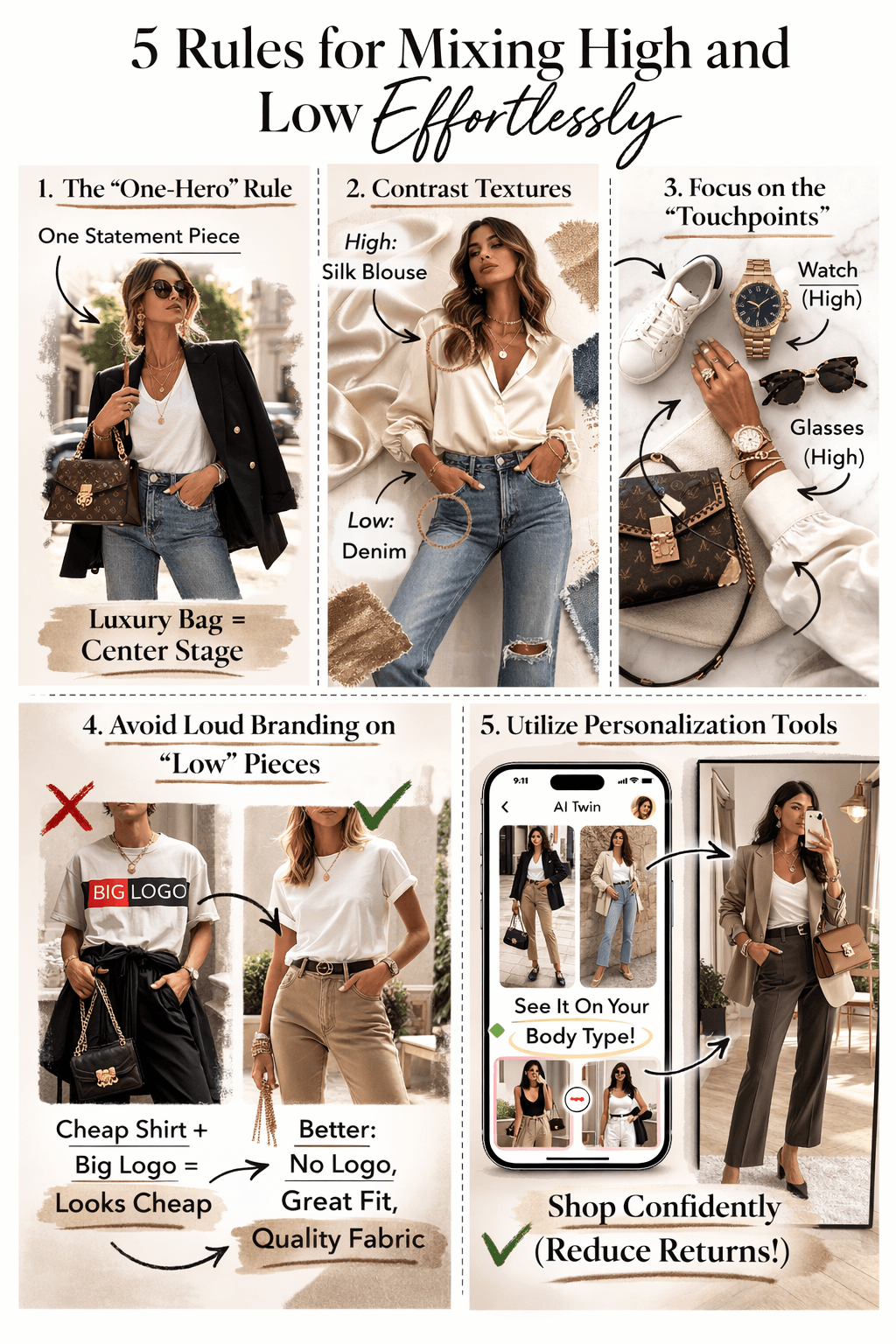
- The "One-Hero" Rule: Let one expensive piece take center stage. If you’re wearing a statement luxury bag, keep the rest of the outfit (jeans and a tee) simple.
- Contrast Textures: Mix "High" silk with "Low" denim, or "High" leather with "Low" cotton. This creates visual interest that distracts from the price tags.
- Focus on the "Touchpoints": People notice your shoes, your glasses, and your watch first. If these "touchpoints" are "High," the "Low" pieces in between get a "halo effect."
- Avoid Loud Branding on "Low" Pieces: A cheap shirt with a massive logo looks cheap. A cheap shirt with no logo, a great fit, and high-quality cotton looks like a designer basic.
- Utilize Personalization Tools: Use tools like the Glance shopping feed to see how different silhouettes look on your specific body type. By seeing yourself "modeled" in the clothes via your AI Twin, you reduce the risk of buying "Low" items that end up sitting in the back of your closet.
Industry Insights: The Shift in Consumer Behavior
Market data suggests that the High-Low Mix Fashion approach is becoming the global standard. According to a McKinsey & Company fashion report, "Value-based" consumers are increasingly willing to splurge on categories they deem "essential" while pulling back on mid-market brands. This "barbell" effect in the economy means the middle ground is disappearing.
People would rather have one $300 pair of boots and five $10 thrifted shirts than ten $40 pairs of mediocre shoes. This shift is driven by a desire for sustainability; buying "High" for longevity reduces the environmental impact of disposable fashion.
Building Your Shopping List
If you are starting from scratch, here is a suggested "Buying Strategy" list to build your High-Low Mix Fashion foundation:
- The "High" List (Invest $200–$500+):
- One structured blazer in a neutral tone.
- One pair of high-quality leather boots or loafers.
- One "investment" timepiece or daily jewelry piece.
- One high-quality leather handbag.
- The "Low" List (Budget $10–$50):
- Multi-pack of heavyweight 100% cotton t-shirts.
- Seasonal trend items (e.g., a specific shade of "cherry red" or a trendy hair accessory).
- Canvas tote bags for casual outings.
- Basic denim for everyday "beater" wear.
Conclusion: Confidence is the Ultimate Luxury
At the end of the day, High-Low Mix Fashion is about empowerment. It’s about realizing that you don't need to be a millionaire to look like you've stepped off a mood board. It’s about the thrill of the hunt—finding that perfect $5 vintage belt that makes your $300 trousers look like they came straight from a Parisian runway.
By utilizing a strategic buying plan and keeping an eye on your "cost-per-wear," you can build a wardrobe that is both budget-friendly and high-end. Leveraging new tools like the intelligent shopping agent from Glance helps you visualize your style before you buy, ensuring every piece fits your unique vibe. Fashion is ultimately a game of balance; once you learn to play the high and the low, you’ll never have a "nothing to wear" day again.
FAQs About High-Low Mix Fashion
- What is High-Low Mix Fashion?
It is a styling strategy that involves pairing luxury, high-end "investment" pieces with affordable, budget-friendly "basics." This creates a balanced, curated look that avoids the "head-to-toe" brand aesthetic. - Which items should I always buy "High"?
You should invest in items that take physical abuse or require superior tailoring, such as leather shoes, handbags, wool outerwear, and fine jewelry. These pieces have a lower "Cost-Per-Wear" over time. - How can I make cheap clothes look expensive?
Focus on 100% natural fabrics (cotton, linen), swap plastic buttons for metal or horn versions, and stick to monochrome color palettes. Pairing these with a "high" accessory like a quality watch instantly elevates the look. - How does Glance help with the High-Low strategy?
Glance acts as an intelligent shopping agent that shows you how different price points look on your specific body type. It helps you visualize high-end anchors with affordable fillers so you can "shop the look" before committing to a purchase.
Download the Glance app now




Your intelligent
shopping agent.







Your intelligent
shopping agent.