

The Role of AI Shopping Assistants in Shaping Digital Retail
TL;DR
Shopping didn’t get harder. Choices did. This blog breaks down how the AI shopping assistant helps retailers cut through noise, guide shoppers with confidence, and turn browsing into action. From discovery to post-purchase support, it covers practical use cases, retail impact, and how Glance strengthens the ecosystem by reshaping how product discovery truly works.
An AI shopping assistant is quickly becoming one of the most powerful shifts in modern retail. As customer expectations rise and attention spans shrink, retailers are being pushed to rethink how shoppers discover products, make decisions, and stay engaged beyond a single visit.
Today’s shoppers do not want more choices. They want better guidance. They expect retail experiences that feel personal, timely, and intuitive across every touchpoint. This is where the AI shopping assistant changes the game, not as a support feature, but as a core layer of the shopping experience that helps retailers reduce friction, increase confidence, and drive meaningful engagement.
Platforms like Glance enhance the AI shopping assistant ecosystem by redefining product discovery itself, helping shoppers move from inspiration to action without actively searching.
In this blog, we break down how AI shopping assistants work, where they create real value across the retail journey, and why discovery-led experiences are becoming essential for retailers shaping the future of shopping.
What is an AI Shopping Assistant?
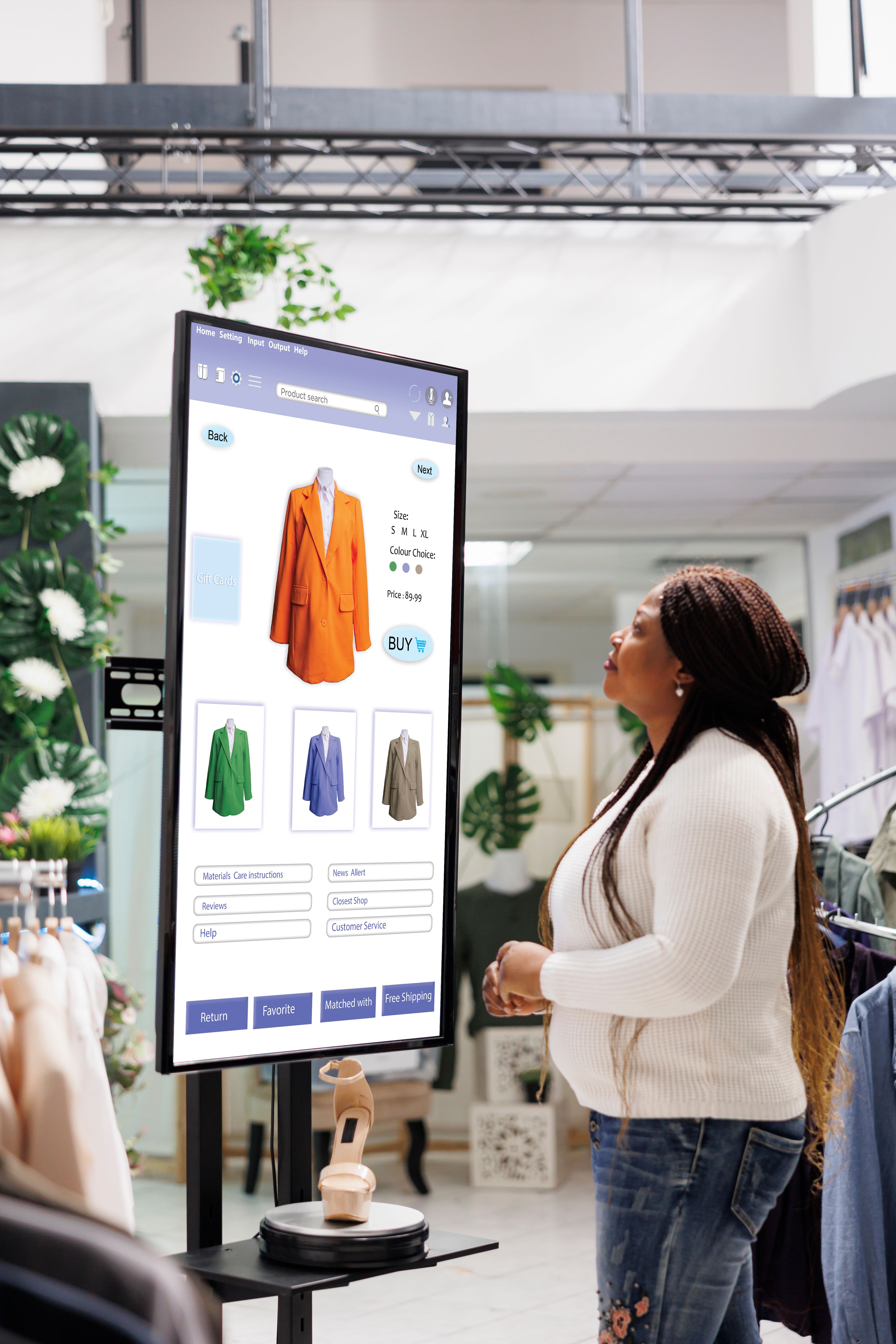
An AI shopping assistant is a digital tool powered by artificial intelligence designed to enhance the retail experience. Unlike simple chatbots, these assistants leverage advanced technologies like natural language processing (NLP), machine learning (ML), and behavioral analytics to understand a shopper's intent, preferences, and context.
They serve as:
- Personalized product recommenders
- Virtual customer support agents
- Conversational commerce enablers
Their ability to interact naturally with shoppers—answering queries, suggesting items, and facilitating smooth transactions—makes them indispensable in modern e-commerce.
The Technology Behind AI Shopping Assistants That Makes Shopping Easy

AI shopping assistants are powered by a combination of cutting-edge AI shopping tools, including:
- Behavioral Data Analytics: Tracking browsing history, previous purchases, and engagement patterns to predict preferences.
- Contextual Awareness: Considering factors like time of day, location, and current trends to tailor recommendations.
- Visual Recognition: Using computer vision to analyze product images and user-uploaded photos for better matching.
- Conversational AI: Employing NLP to enable natural, fluid dialogue with users, mimicking human-like conversations.
By integrating these technologies, AI shopping assistants provide a seamless, interactive, and personalized experience, helping customers find the perfect product quickly and efficiently.
Real-Life Use Cases: How an AI Shopping Assistant Makes Your Life Easier
An AI shopping assistant can transform your shopping experience from start to finish. It removes guesswork, explains trade-offs in simple language, and guides you to the right choice quickly. At Glance, our AI Twin makes this real, creating personal, intuitive, and instant experiences for every shopper.
1. First Visit: Quick and Guided Discovery
Your first minute on an online store should be effortless. An AI shopping assistant can:
- Suggest beginner skincare routines from a single selfie
- Recommend clothing sizes based on past brand fits
- Curate mini boards for home décor or gifts in under 30 seconds
Example:
“I’m 5′7″, 140 lb. Which jeans fit my waist and thighs comfortably?”
“I’m new to skincare. What’s a beginner-friendly routine for oily skin?”
Outcome: Shoppers feel guided, not lost, boosting engagement and early personalization.
2. Discovery and Education: Smarter Browsing
No more endless scrolling. AI shopping assistants turn vague needs into practical recommendations. They compare products, highlight trade-offs, or find similar items in the right style, size, or fabric.
Example:
“Show summer sneakers that breathe but won’t wrinkle under office lights.”
“Which lightweight jackets fit my shoulder width and torso length?”
Outcome: You gain confidence in your choices without being overwhelmed.
3. Bundles and Guided Selling: Build the Right Cart
AI shopping assistants act like thoughtful stylists. They create coordinated outfits, skincare sets, or home bundles. They suggest add-ons that actually matter, like care products or accessories.
Example:
“Put together a starter espresso kit for my small counter, including the grinder.”
“New puppy coming home. What do I need for a medium breed?”
Outcome: Shoppers get complete, relevant bundles and fewer “did I forget something?” moments.
4. Checkout and Risk Removal: Shop Confidently
Before you buy, the AI shopping assistant clears doubts about return policies, sizes, ingredients, or delivery times.
Example:
“Will this serum irritate my skin if I use retinol?”
“Can I exchange these boots if they run small?”
Outcome: Less friction, fewer abandoned carts, and faster purchase decisions.
5. Post-Purchase and Replenishment: Keep the Momentum
Even after checkout, AI shopping assistants track deliveries, suggest reorders, and give product care tips to extend lifespan.
Example:
“My Vitamin C serum lasts 10 to 12 weeks. Should I reorder the 50 ml size?”
“How do I wash my merino sweater without shrinking it?”
Outcome: More repeat purchases, happier shoppers, and smoother experiences without heavy discounts.
6. Loyalty and Community: Make Shopping Personal
The assistant can send timely nudges, surface local guides, suggest sustainable products, or link loyalty rewards. This turns transactions into meaningful engagement.
Example:
“Filter for cruelty-free products and remember for next time.”
“I bought a hiking pack. Which beginner-friendly trails are nearby?”
Outcome: Emotional loyalty that feels personal and thoughtful.
In short, an AI shopping assistant does more than suggest products. It guides, informs, and inspires at every step. With Glance, the AI Twin learns your style, context, and behavior to turn inspiration into action. Shopping online becomes effortless, personalized, and enjoyable.
What AI Shopping Assistants Can Do That Traditional Helpers Can’t?
| Feature | Traditional Shopping Assistant | AI Shopping Assistant |
| Availability | Limited to store hours | 24/7 availability |
| Personalization | Manual, based on staff knowledge | Automated, data-driven personalization |
| Interaction Mode | In-person or phone support | Conversational AI via chat, voice, or app |
| Response Time | Often slow or delayed | Instant, real-time responses |
| Scalability | Limited by staff availability | Easily scalable to millions of users |
| Data Utilization | Minimal or no data analysis | Extensive use of behavioral and contextual data |
| Product Recommendations | Based on staff experience and knowledge | AI-driven, hyper-personalized suggestions |
| Customer Engagement | Limited, often transactional | Interactive, engaging, and continuous |
| Cost | High (staff salaries, training) | Lower operational cost via automation |
AI Shopping Assistant Tools That Make Retail Smarter
AI shopping assistant tools leverage advanced technologies like machine learning, natural language processing, and real-time analytics to enhance the customer journey. These tools help retailers offer personalized recommendations, answer questions instantly, and guide shoppers through their purchasing decisions—making online shopping faster and more enjoyable.
Some of the most popular AI shopping assistant tools include:
- Shopify Inbox: A conversational commerce platform that integrates live chat and AI-powered bots to support customers in real time.
- Google’s Dialogflow: Used for building conversational interfaces, enabling virtual assistants that understand and respond naturally to shopper queries.
- Vue.ai: An AI-powered personalization platform offering product recommendations, visual search, and automated catalog management.
- IBM Watson Assistant: A robust AI system that creates virtual assistants capable of handling complex customer interactions across multiple channels.
- Amazon Personalize: A machine learning service that delivers individualized product recommendations based on user behavior and preferences.
These AI shopping tools reduce friction, boost engagement, and increase conversion rates—helping retailers meet the growing demand
How Retailers Can Successfully Implement AI Shopping Assistants?
For retailers considering AI shopping assistant adoption, several strategic approaches can maximize success.
Implementation Strategies
Start with Focused Use Cases
Rather than attempting comprehensive implementation, successful retailers begin with:
- Specific product categories with clear recommendation parameters
- High-frequency customer queries that can be automated
- Post-purchase support to enhance satisfaction
- Targeted promotional campaigns with personalized offers
Prioritize Data Infrastructure
Effective AI shopping assistants require robust data foundations:
- Unified customer data platforms that consolidate interactions
- Clean, structured product information with detailed attributes
- Historical transaction data for pattern recognition
- Integration frameworks for real-time data access
Human-in-the-Loop Approach
The most successful implementations maintain:
- Human oversight of AI recommendations
- Seamless handoff from AI to human agents when needed
- Continuous learning from human agent interactions
- Regular review of AI performance metrics
Measure and Iterate
Optimizing AI shopping assistants requires:
- Clear KPIs tied to business objectives
- A/B testing of different interaction approaches
- Regular analysis of customer feedback
- Continuous refinement of recommendation algorithms
Challenges and Ethical Considerations
As AI shopping assistants become more widespread, several important considerations arise:
- Privacy and Data Security: Collecting and using personal data demands strict adherence to privacy laws and ethical standards.
- Bias and Fairness: Developers must ensure AI models do not perpetuate discriminatory practices.
- Maintaining Human Interaction: While AI offers efficiency, retaining some human touch in customer service is crucial for trust.
Retailers must balance innovation with responsibility to maximize benefits and minimize risks.
Which AI Shopping Assistants Are Best for US Consumers in 2026?
Most AI shopping assistant guides are written for merchants evaluating which chatbot to put on their website. This section is different — it compares the top consumer-facing AI shopping assistants available to US shoppers in 2026. The key distinction across all of them is whether the tool is reactive (you initiate, it responds) or proactive (it acts before you ask). For a deeper look at why this distinction matters, see how agentic shopping represents the next step beyond reactive AI.
| Tool | Mode | Input | Price | Where it works | What you get |
| Glance | Proactive | Selfie-based | Free | Lock screen + app + TV + brand websites | Complete outfit looks on YOUR actual body — before you open the app |
| Amazon Rufus | Reactive | Query-dependent | Free (Amazon account) | Amazon app only | Product listings within Amazon catalog |
| Google Shopping AI | Reactive | Search-dependent | Free | Google Search surfaces | Product grid from search query |
| Daydream | Reactive | Chat + screenshot | Free | iOS app + web | Fashion catalog browsing from 10,000+ brands — no body-visualized try-on |
| Alexa for Shopping | Reactive | Voice-dependent | Free (Alexa device) | Smart speakers + Amazon app | Amazon catalog via voice — launched May 2026 |
Glance is the only AI shopping assistant that acts before you search — surfacing complete outfit looks on your actual body before you open the app.
The table above reflects the state of consumer AI shopping in mid-2026. Modern Retail's January 2026 analysis identified Daydream and Glance as the two most specialized consumer-facing entrants in the agentic commerce space — with Glance distinguished by its proactive model that surfaces looks before the consumer initiates a search.
How Glance Enhances Your Shopping Experience?
While AI shopping assistants help users make purchases, this platform takes the next step by transforming how you discover products and trends. It’s an Intelligent Shopping Agent built around your AI Twin, a dynamic digital version of you.
It delivers AI-curated, bite-sized fashion inspiration and product recommendations that adapt in real time to your mood, behavior, and context. Seamlessly integrating with your daily digital interactions, it helps you turn inspiration into action without endless scrolling.
Key features include:
- Generative AI Curation: Personalized content tailored to your style preferences and behavior.
- Mood and Context Awareness: Suggestions adapt to your current mood, environment, and timing.
- Seamless Multi-Screen Experience: Discover new trends wherever you are, across devices and platforms.
By removing friction in discovery, it complements AI shopping assistants by making shopping smarter, faster, and more intuitive, helping you find what fits your taste and lifestyle effortlessly.
Emerging Trends in AI Shopping Assistants
The evolution of AI shopping assistants continues to accelerate with innovations such as:
- Augmented Reality (AR) Shopping: Virtual try-ons and immersive product visualization improve confidence and reduce returns.
- Voice Commerce: More consumers are shopping using voice commands through smart speakers and mobile devices.
- Emotional AI: Future assistants will respond to user emotions, adjusting suggestions accordingly.
- AI for SMBs: Increasingly affordable AI tools enable small and medium businesses to compete on personalized shopping experiences.
Conclusion
AI shopping assistants are transforming retail by providing personalized, intelligent, and conversational shopping experiences. They empower consumers to shop smarter while helping retailers boost engagement and sales.
Platforms like Glance enhance this ecosystem by redefining product discovery. By delivering personalized, bite-sized inspiration that adapts to your mood, style, and context, it helps shoppers find what they truly love.
As technology advances, embracing AI shopping assistants is no longer optional but essential for retailers aiming to thrive in the digital age.
FAQs Related to AI Shopping Assistant
What is an AI shopping assistant?
An AI shopping assistant is a digital solution that uses artificial intelligence to provide personalized shopping guidance. It can recommend products based on your preferences, style, or past behavior, answer questions instantly, and create a smoother, more intuitive shopping experience. By understanding shoppers’ intent, it helps both consumers and retailers make smarter choices.
How do AI shopping tools improve e-commerce?
AI shopping assistants enhance e-commerce by analyzing browsing patterns, purchase history, and real-time behavior to offer tailored recommendations. They reduce decision fatigue, answer queries instantly through conversational AI, and streamline the path to checkout, helping retailers boost engagement, conversions, and customer satisfaction.
How does Glance relate to AI shopping assistants?
While AI shopping assistants focus on helping shoppers complete purchases, Glance enhances this ecosystem by redefining product discovery. It delivers bite-sized, AI-curated inspiration based on mood, behavior, and context, helping users discover trends and products effortlessly, complementing the direct guidance of AI shopping assistants.
What privacy issues come with AI shopping assistants?
Using an AI shopping assistant requires careful handling of personal data. Retailers must ensure transparent data collection, comply with privacy regulations, and protect sensitive information such as purchase history, preferences, and personal identifiers. Proper safeguards maintain shopper trust while allowing AI to deliver a personalized experience.
Are AI shopping assistants suitable for small retailers?
Yes. Modern AI shopping assistants are accessible to businesses of all sizes. Small and medium retailers can leverage these tools to provide personalized recommendations, guided shopping, and automated support, leveling the playing field with larger retailers and enhancing customer experience without large operational costs.
What are the top AI personal shopping assistants for product recommendations?
AI personal shopping assistants split into two distinct categories. B2B tools — Alhena AI, Rep AI, Gorgias, Tidio — are embedded in brand websites to answer product questions and guide checkout for merchants, not for shoppers browsing independently. Consumer-facing tools are a different category. Amazon Rufus answers product queries within the Amazon catalog. Daydream is a chat and screenshot-based fashion discovery app covering 10,000+ brands on iOS. Google Shopping AI surfaces product grids from search queries. Glance is the only proactive consumer AI shopping assistant — it reads your physical features from a selfie, your location, weather, and occasions, and surfaces complete outfit looks across your lock screen, app, TV, and brand websites before you search for anything. Free on iOS, Android, Samsung Galaxy, and Motorola.
How do different AI e-commerce assistants compare in helping with product choices?
The key distinction in 2026 is reactive versus proactive. Amazon Rufus, Google Shopping AI, and Daydream are all reactive — you type a query or describe what you want, and the assistant responds. They start with your prompt. Glance is the only proactive AI shopping assistant: it reads your context — physical features, weather, location, occasions, behavioral signals — and generates complete outfit looks on your actual body before you initiate anything. For specific purchase decisions within a catalog, reactive tools are strong. For discovering complete looks built around who you are before you know what to search for, Glance is the only option.
Which AI apps give the best style advice for outfit choices?
The two most relevant consumer AI apps for style advice on outfit choices in 2026 are Daydream and Glance. Daydream is a chat and visual search-based fashion app — you describe what you want or upload a screenshot, and it surfaces recommendations from 10,000+ brands. It is reactive and strong for specific item discovery. Glance operates differently: it generates a complete outfit look visualized on your actual body — built from your selfie, skin tone, face shape, body proportions, weather, and occasions — before you describe or search for anything. Style advice from Glance is not a text recommendation. It is a visual output showing you in the outfit, across your lock screen, app, and TV, before you ask for it.


Download the Glance app now





Your intelligent
shopping agent.







Your intelligent
shopping agent.